
DREDGE PUMP PRODUCT FAMILY
Heavy-Duty Dredge Pumps: Non-Clog Industrial Slurry Pumps
Heavy-duty dredge pumps that grind through sand, sludge, slurry, and rock — moving solids and liquids where ordinary pumps clog, wear, and fail.
As a leading dredge pump manufacturer, DAE Pumps engineers reliable, non-clogging dredge pumps with an open-impeller design and powerful suction — configured hydraulically, electrically, or diesel-driven for continuous duty in the harshest dredging conditions.
- Hi-chrome body, 600 Brinell hardness — ultimate wear protection
- Up to 8,800 GPM and heads up to 400 ft (excavator dredge pumps)
- Configurable hydraulic, electric, or diesel drive
- Cable-deployed, excavator-mounted, pontoon & diver-operated
- New, used & rental — 3-inch to 16-inch pumps
Need help now? Call (760) 821-8112
8,800 GPM
Max flow (excavator dredge pumps)
400 ft
Maximum head
600 BHN
Hi-chrome wear protection
1,000 yd³/hr
Cable-deployed throughput
DAE Pumps dredge pumps are heavy-duty slurry pumps for dredging, mining, dewatering, sand and gravel, marine construction, and sediment removal across ports, rivers, lakes, and lagoons. The lineup spans cable-deployed, excavator-mounted, pontoon, and diver-operated dredge pumps in 3-inch to 16-inch sizes, moving up to 8,800 GPM at heads to 400 feet, configurable hydraulically, electrically, or diesel-driven depending on solids size, pumping distance, site access, drive requirements, and abrasion resistance.
Choose Your Dredge Pump
DAE Pumps dredge pumps can be configured hydraulically, electrically, or diesel-driven. The cable-deployed and excavator pumps are interchangeable and can be configured to your exact requirements.
CABLE-DEPLOYED
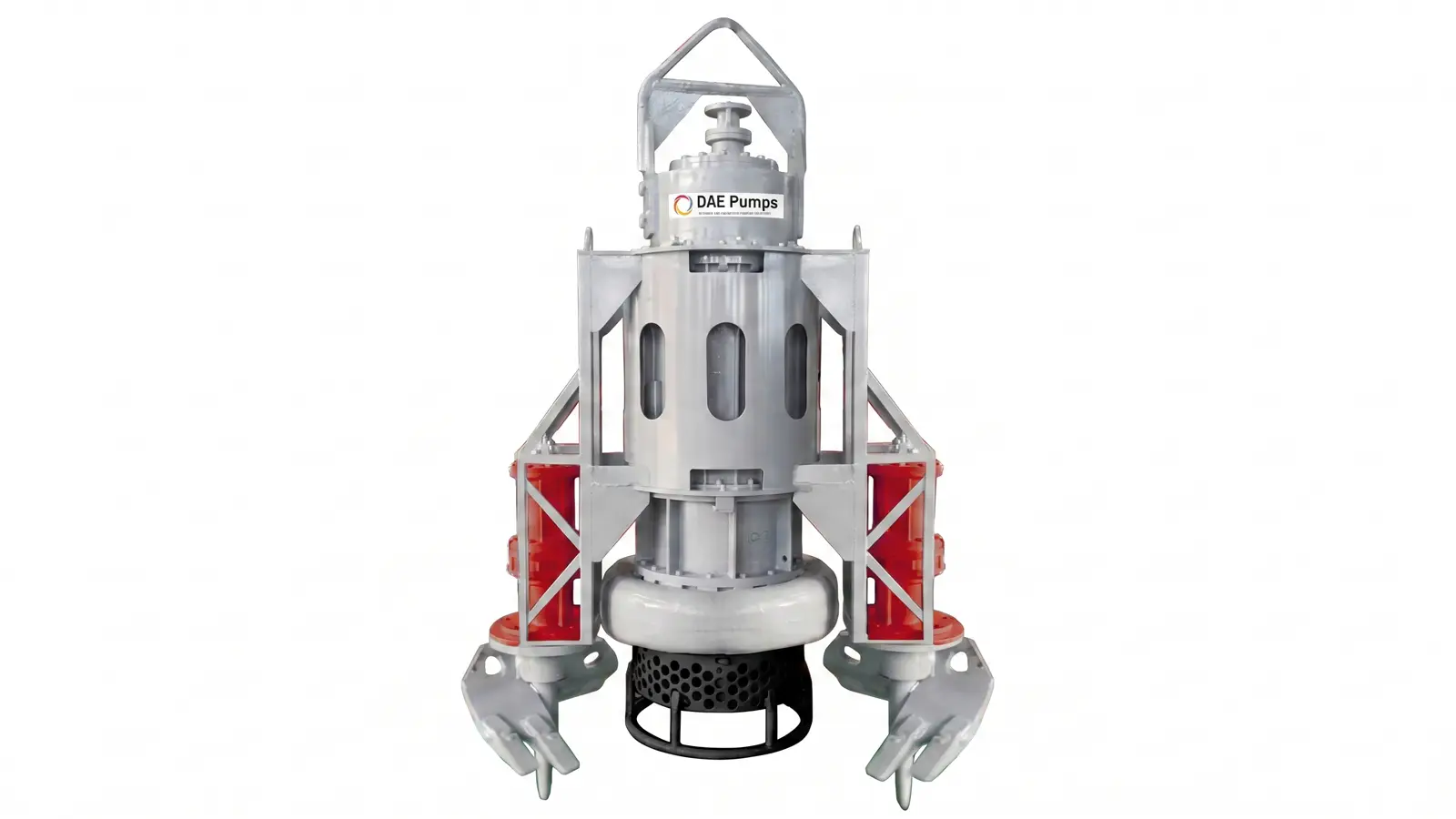
Cable-Deployed Dredge Pumps
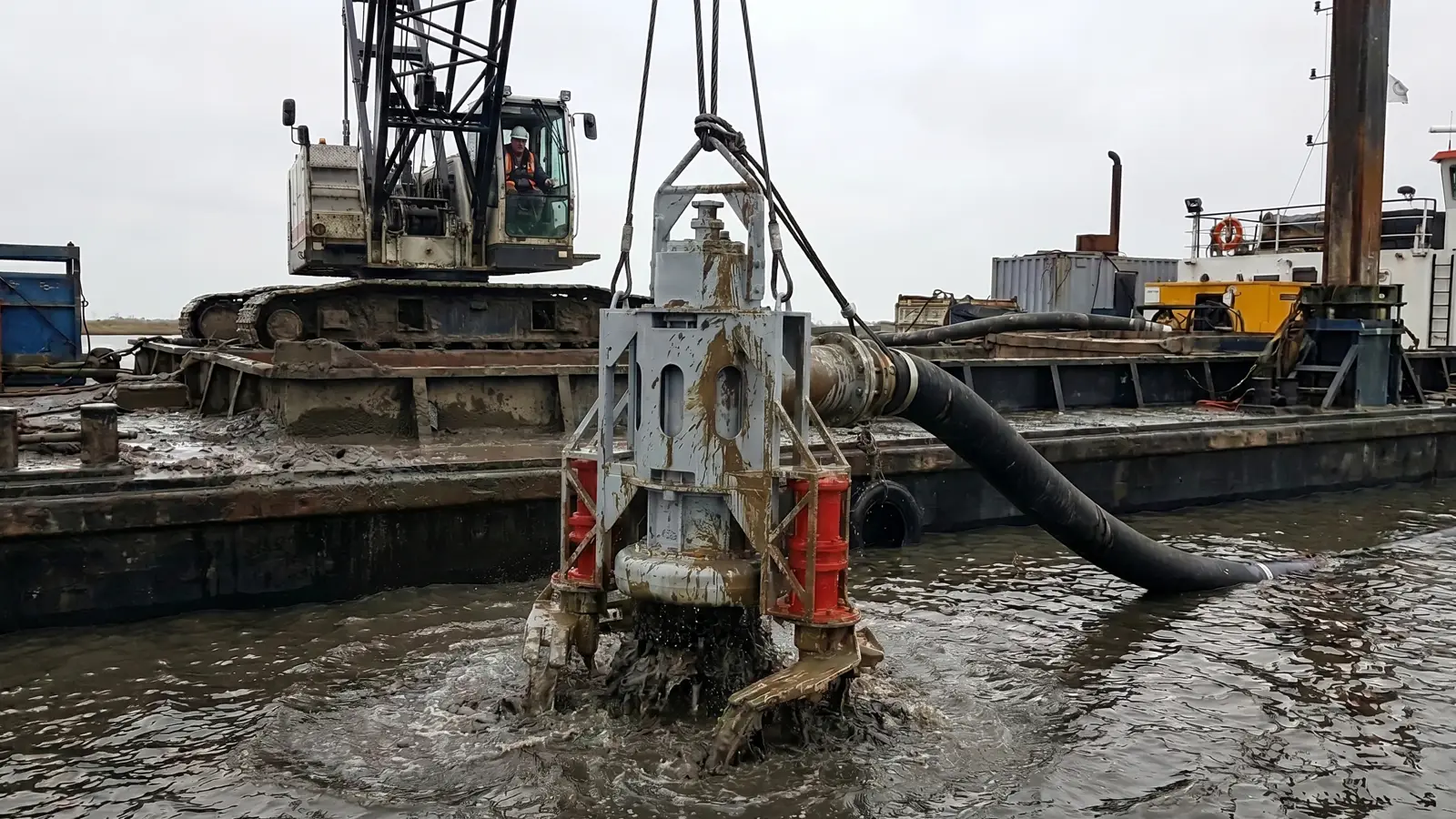
Reach depths up to 100 ft in fresh water and pump solids over a mile — up to 1,000 cubic yards per hour. Low-maintenance, large-volume pumps for waterways and barge unloading.
EXCAVATOR-MOUNTED
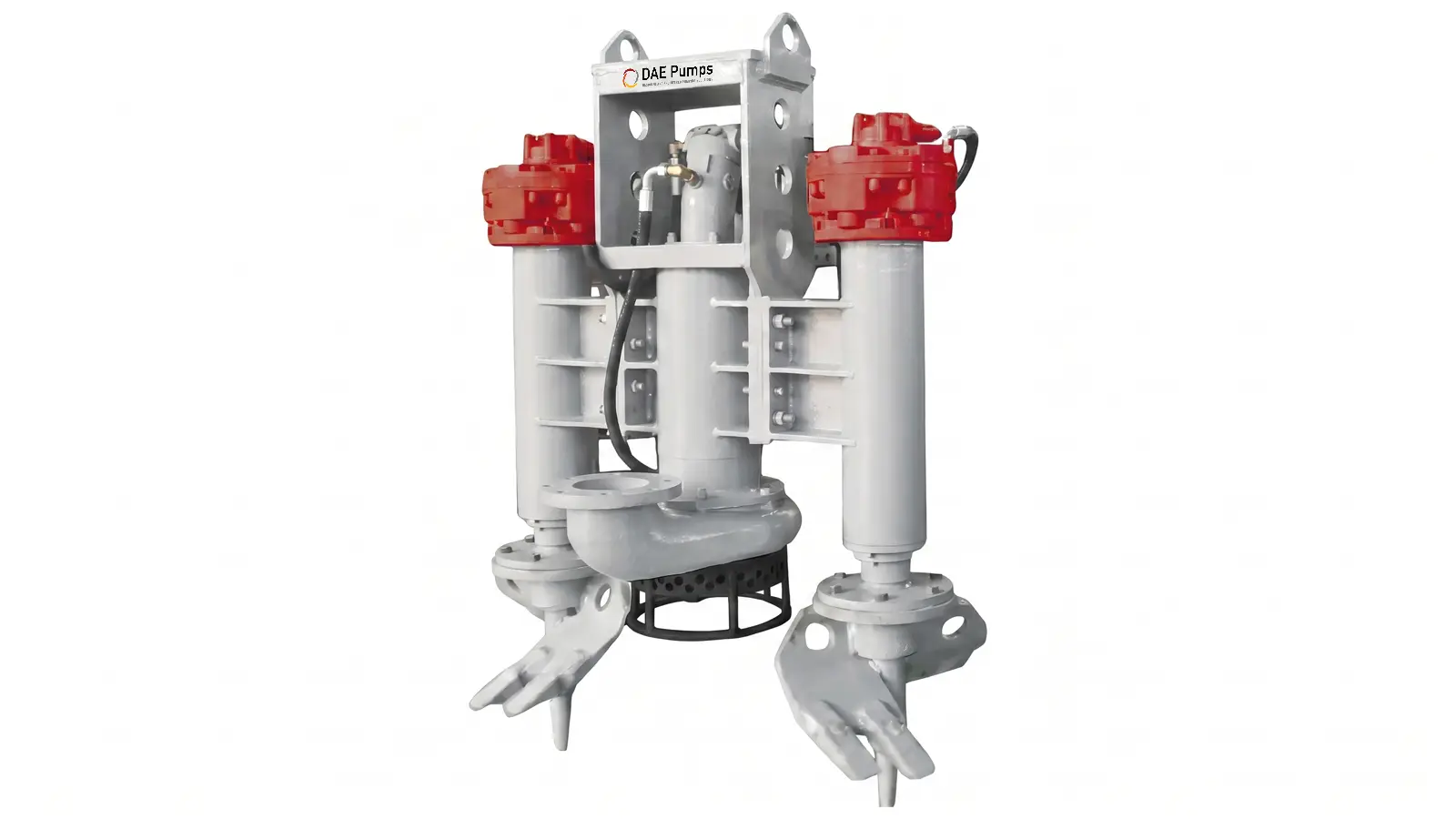
Excavator Dredge Pumps
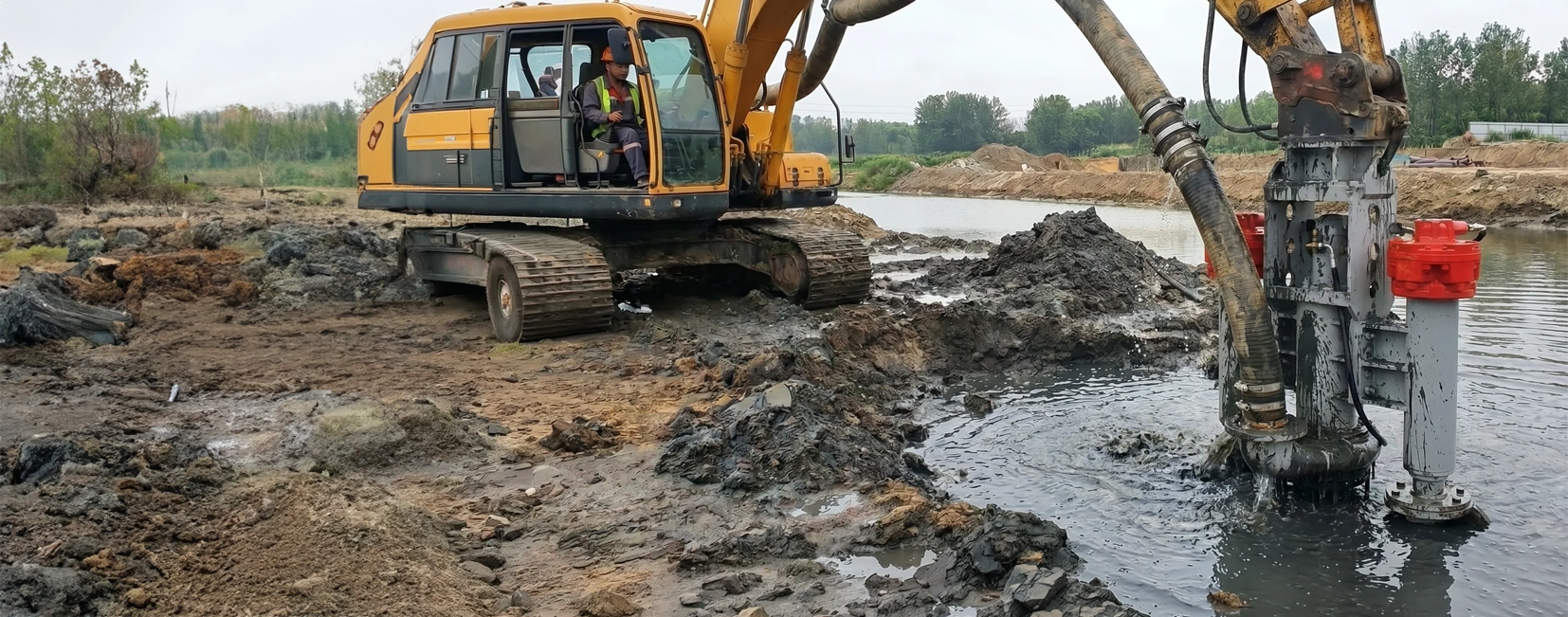
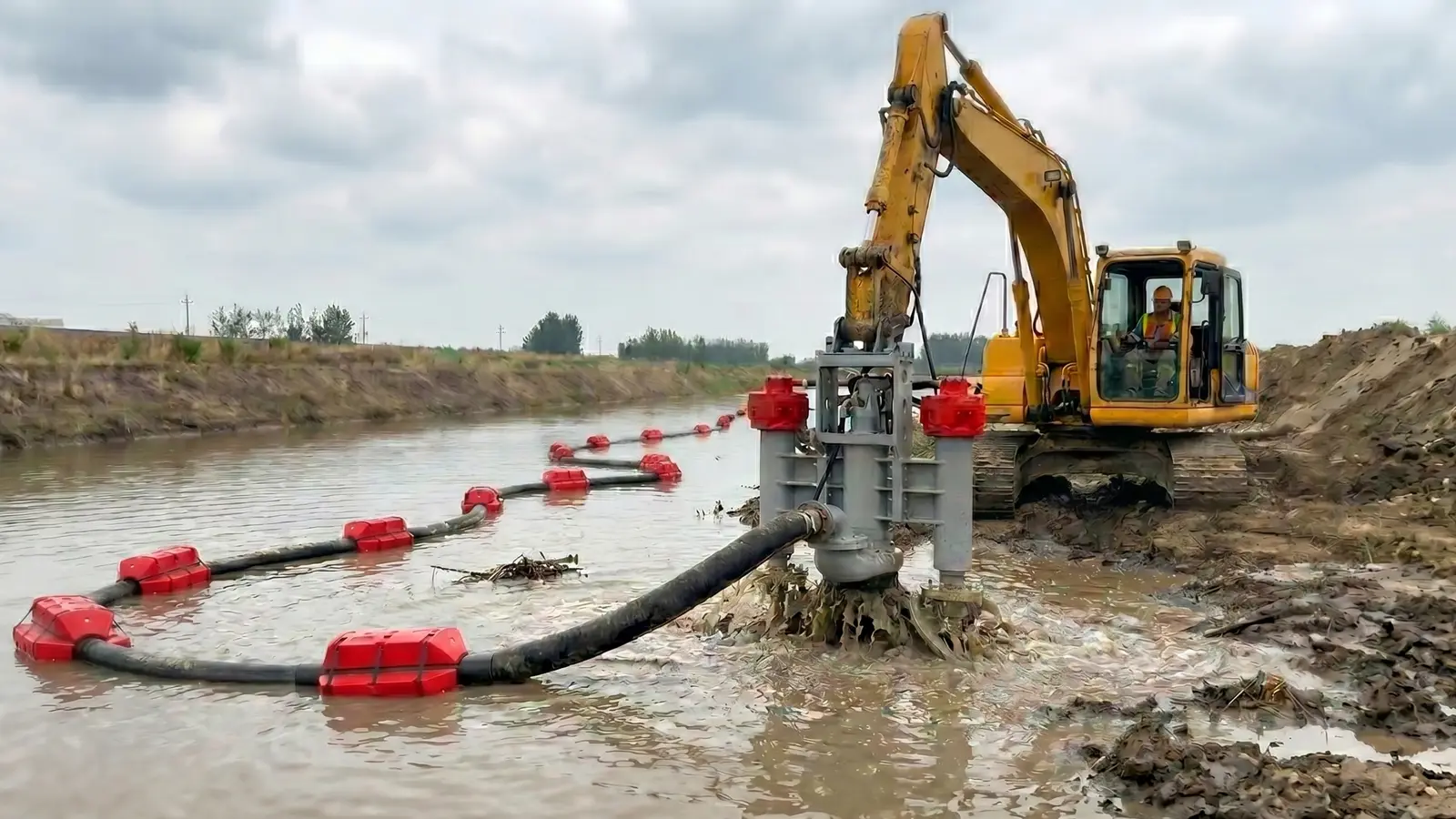
Attach a 3-inch to 16-inch hydraulic or electric pump to the excavator boom — moving up to 8,800 GPM with heads up to 400 feet for small- to medium-scale projects.
PONTOON / MINI DREDGE
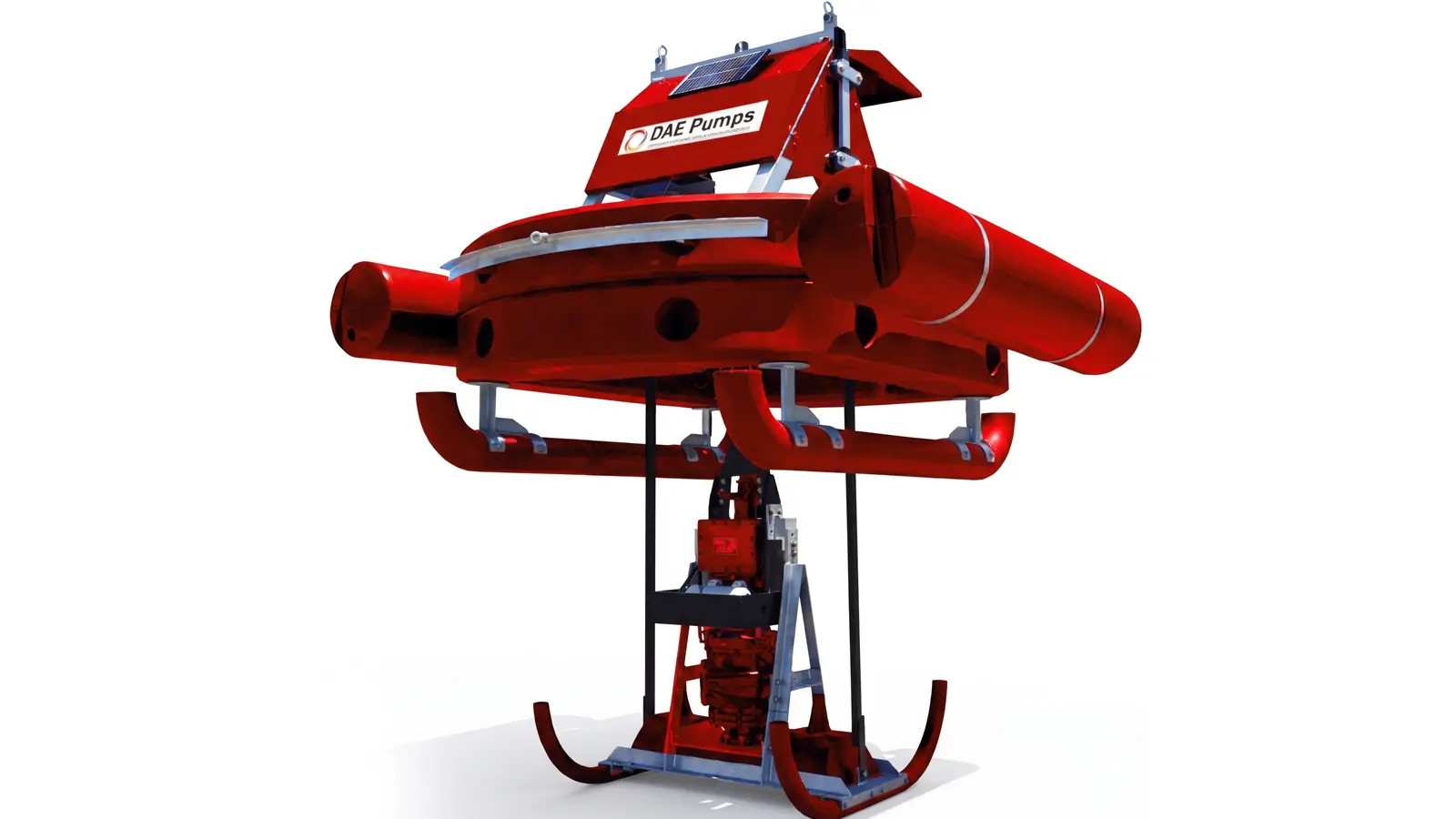
Pontoon Dredge Pumps
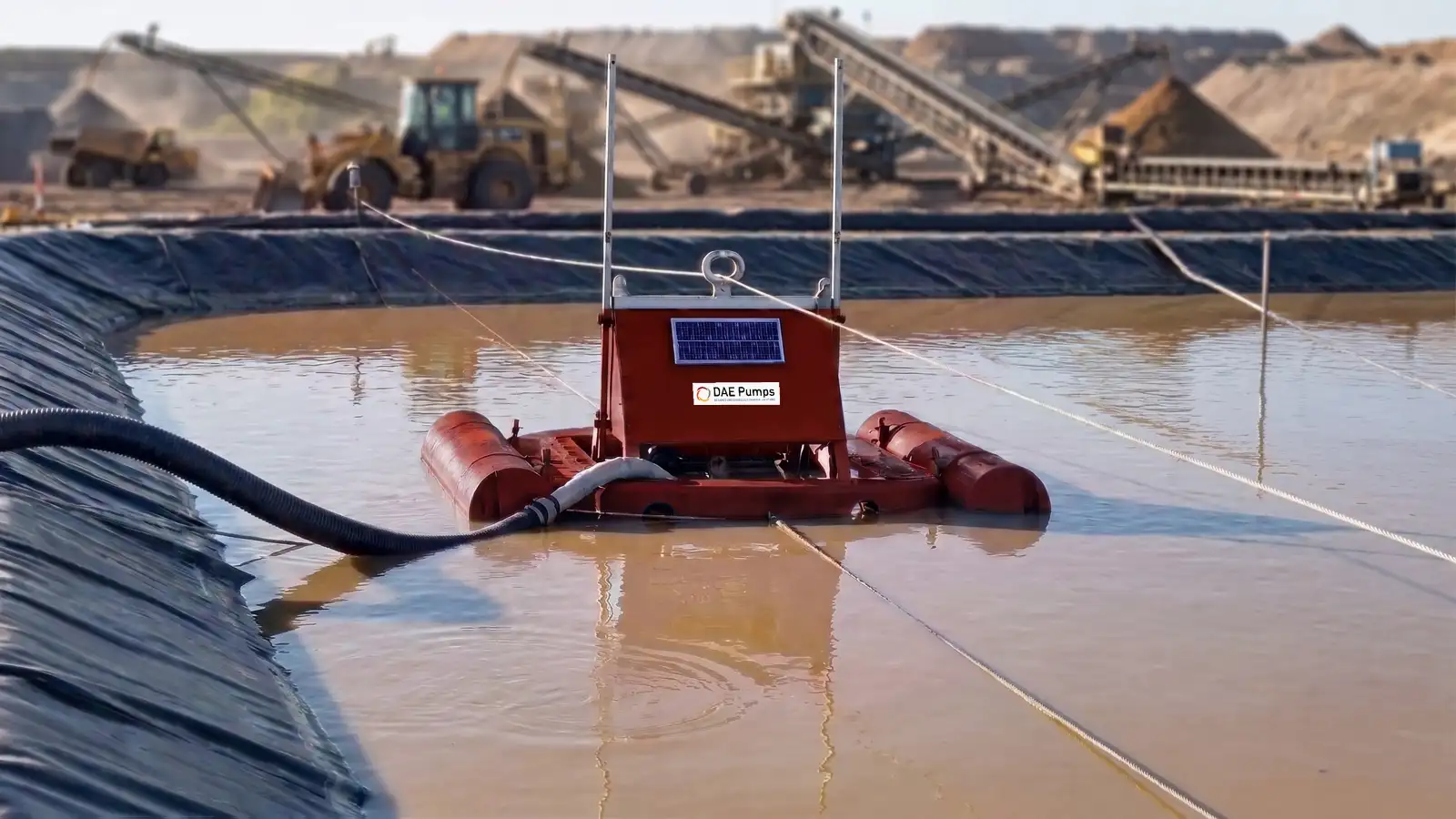
Compact mini dredges for lagoons, basins, and ponds. Operated remotely by one person, with no damage to poly, clay, or concrete liners.
DIVER-OPERATED
Diver-Operated Dredge Pumps
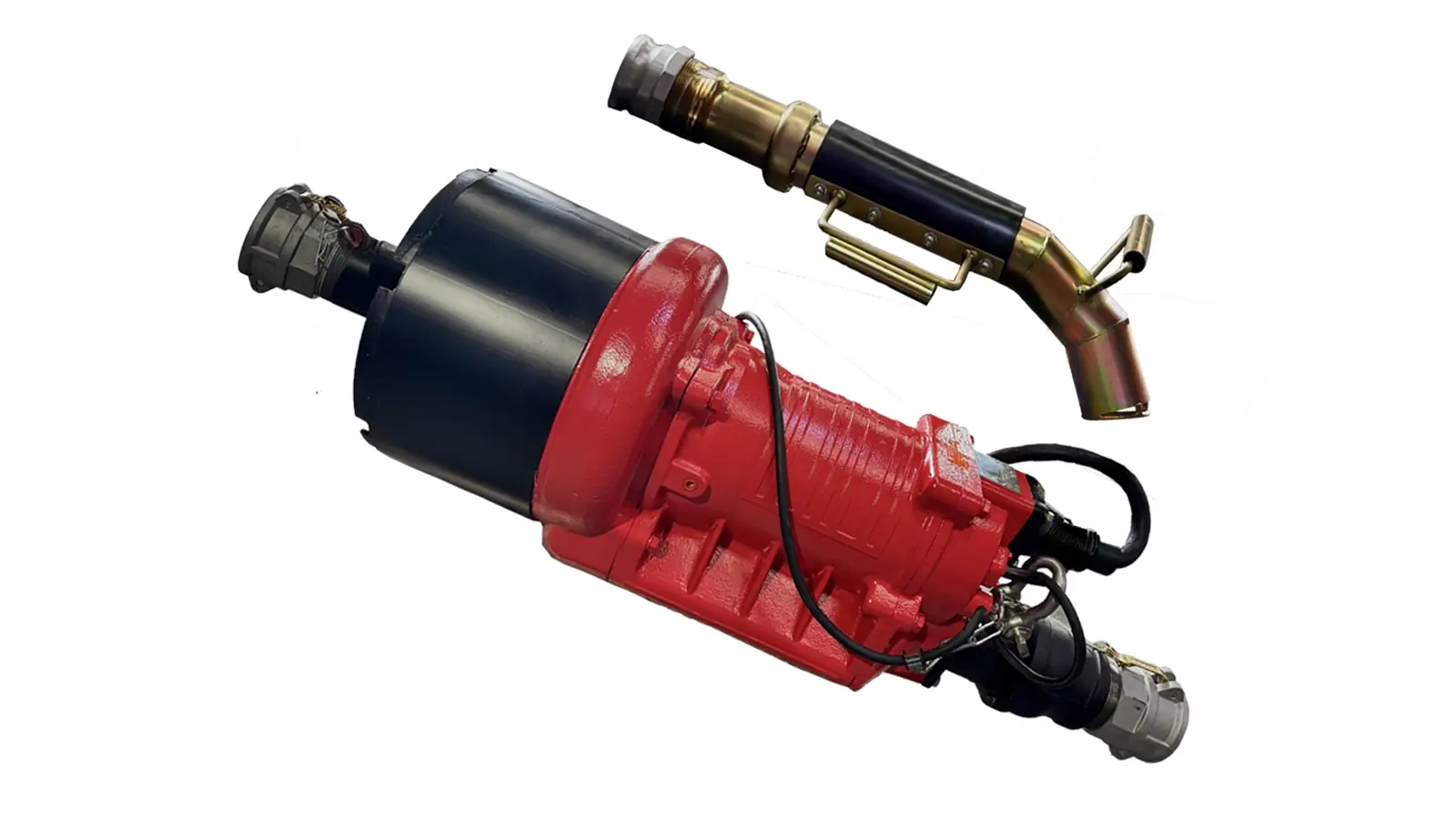
Reach confined spaces conventional equipment can't — water intakes, wet wells, tanks, and cooling towers at wastewater plants, dams, and power plants.
How a Dredge Pump Works
A dredge pump is a heavy-duty centrifugal pump that puts material into suspension and moves it through a pipeline to the discharge — handling slurry, sand, and sludge that most pumps can't.
The Principle
- The spinning impeller creates a vacuum suction that draws in sand, sludge, and solids.
-
Solids pass through the volute and out the discharge; impeller-to-volute clearance sets the maximum solids size.
- More horsepower spins the impeller faster — moving more material higher and farther, for greater head.
- Agitators, side cutters, and jetting rings break up and feed material into the pump.
Parts of a Dredge Pump
- Impeller — Circular design with ridges that create the suction force.
- Casing — Encloses the pump and motor.
- Volute — Directs the material through the pump to the discharge.
- Motor — Powers the dredge pump.
- Hose / Pipe — The vehicle for transferring the material.
- Gear Box — Powered by the motor to turn the mechanisms.
- Shaft — The rod that spins the impeller.
Why DAE Pumps Dredge Pumps
The open-impeller design and powerful suction pass large solids and abrasive materials with ease, leading the industry in durability and power.

Wide material range
Pumps sand, gravel, sludge, slurry, and rock — a wide array of materials.

Large selection
A large selection of pumps and configurations for any dredging job.

Abrasive & gritty
Grinds through abrasive, gritty material with ease.

Handles large solids
High tolerance between the impeller and the pump casing lets larger solids pass.

Low maintenance
Low-maintenance, non-clog design for continuous-duty operation.
Lagoons & LakesIrrigation Canals & BasinsMine Tailing PondsMunicipal SewageEnergy Ash PondsAgriculture Manure PondsPaper & Pulp Basins & PondsSettling & Digester TanksDewatering
Dredge Pump Applications
Sand and gravel dredge pumps for dams, ports, marinas, rivers, canals, lakes, and ponds — sediment removal that keeps waterways navigable and water clean.

Dredge Mining
Pump natural resources from rivers, ponds, or shorelines directly into mining separation plants for processing.

Lakes & Rivers
Remove sediment and aquatic vegetation for cleaner hydropower and safer drinking water.

Coastal & Environmental
Protect coastlines, manage erosion and flooding, and clean up contaminants without harming the environment.

Maintenance Dredging
Clear the natural buildup of sediment and silt in ports, marinas, and other waterways.

Ports & Marinas
Deepen and expand channels, terminals, and marinas to keep pace with growing global trade.

Sand & Gravel
Dredge sand, gravel, and marine aggregates from offshore areas for the construction industry.
Turnkey Dredge Pump Systems
DAE Pumps provides turnkey solutions — complete dredge pump systems with slurry hoses, flow meters, power units, and more.

CONFIGURE THE DRIVE
Hydraulic, electric or diesel
Run your dredge pump hydraulically, electrically, or diesel-driven to fit any site and power situation.

BUILD THE SYSTEM
Pump + hoses + pipe + floats
Pair the pump with slurry hoses, HDPE dredge pipe, pipe floats, ultrasonic flow meters, and power units for a complete system.

MOVE THE MATERIAL
Suspension to discharge
Solids move in suspension through the pipeline to the discharge — over a mile with the right booster pump station.
New, Used & Rental Dredge Pumps
Buy or rent DAE Pumps dredge pumps for any project. New pumps are for sale now; our used-dredge program offers discounted prices on pre-owned and rental units; and rentals — including dewatering pumps — are available on request. Ask about our rent-to-own program.
AVAILABLE DISCHARGE SIZES
6″
8″
10″
12″
14″
16″
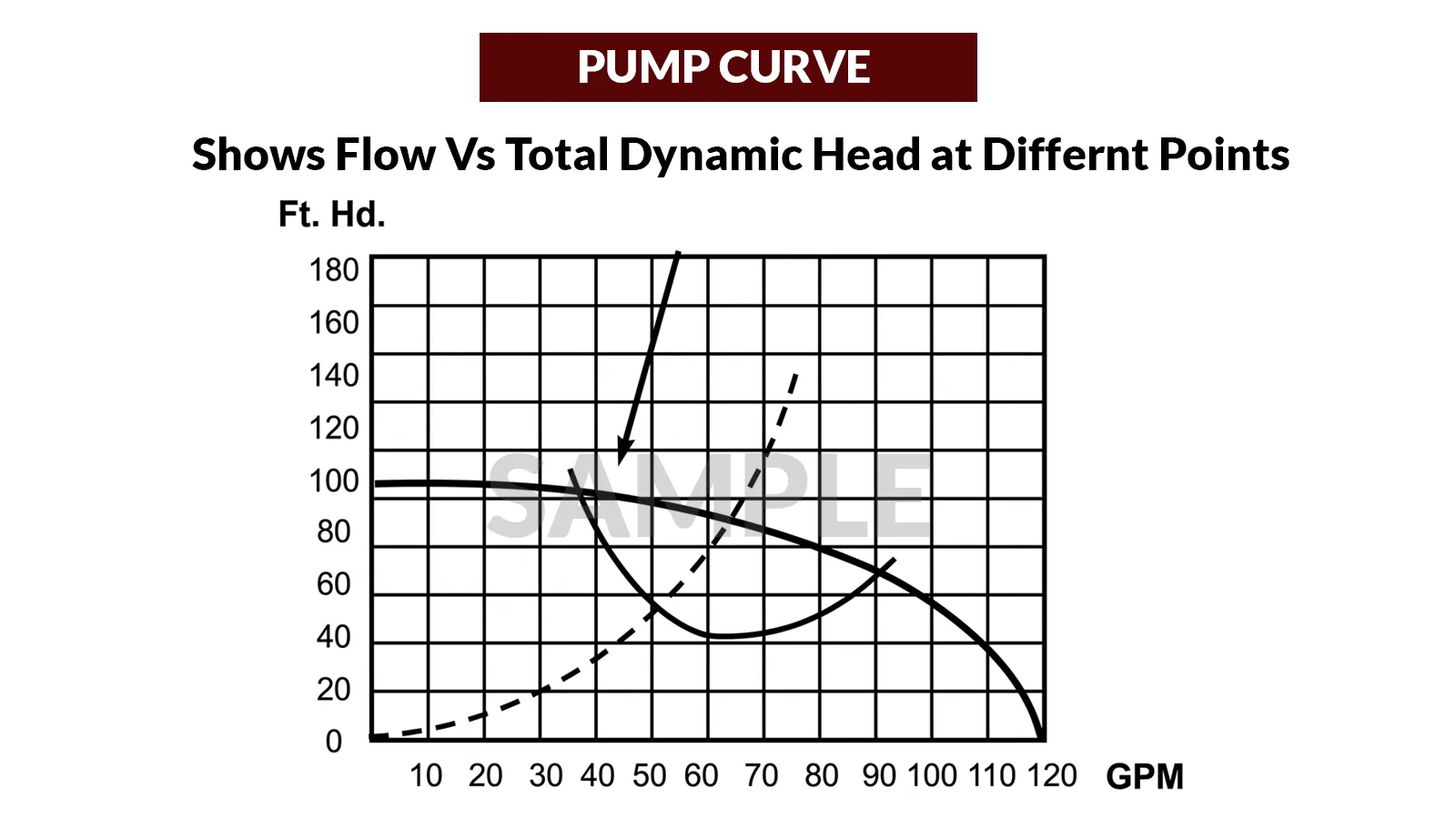
Free Custom Pump Curve
Guarantee the right pump size and power with a free custom pump curve — a graph of flow rate at your specific head. Our engineers compile material type, fluid viscosity, distance to pump, target GPM, and job-specific factors to recommend the most efficient pump for the job.
Maintenance and Repair
Designed for continuous-duty slurry, sewage, and abrasive applications, where routine maintenance preserves performance and extends service life.
Inspect regularly
- Impeller condition and wear clearance
- Seal integrity and leakage points
- Liner and casing surfaces exposed to abrasion
- Hydraulic or electric drive performance
Durability advantages
-
Wear-resistant materials reduce erosion in high-solids duty
- Non-clog pump geometry minimizes buildup
- Robust construction for demanding continuous operation
Serviceability
- Easy access to wear components for inspection
- Fast replacement of impellers, seals, and liners
- Simplified servicing reduces downtime and labor
Dredge Pump Accessories
Every accessory integrates with dredge pump installations in waterborne, semi-submerged, and remote environments — all stocked for rapid domestic and international shipping.
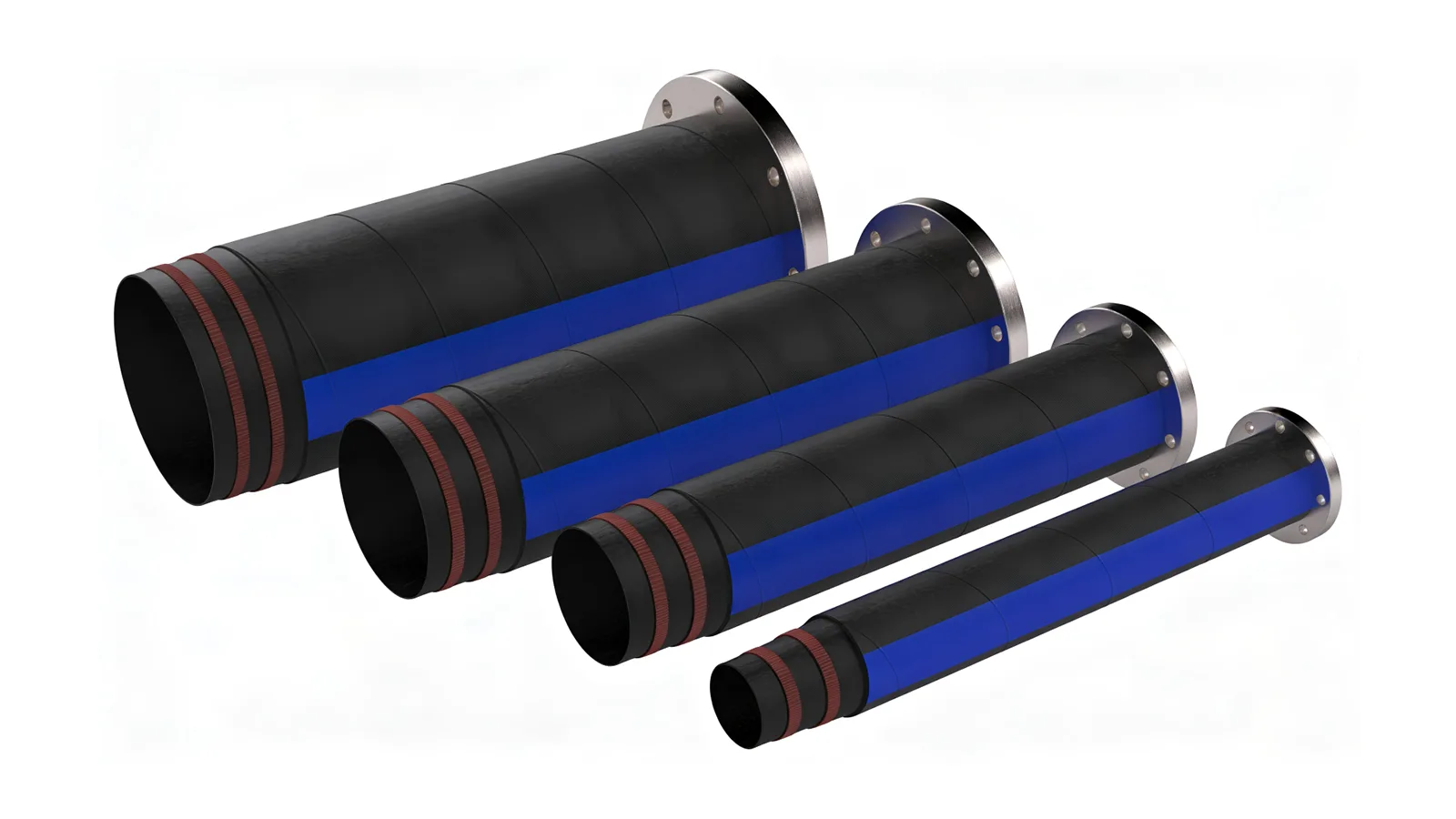
Slurry Hoses
TRANSFER
Flexible, durable slurry hoses transfer solids-laden slurry and abrasive wastewater under high pressure.
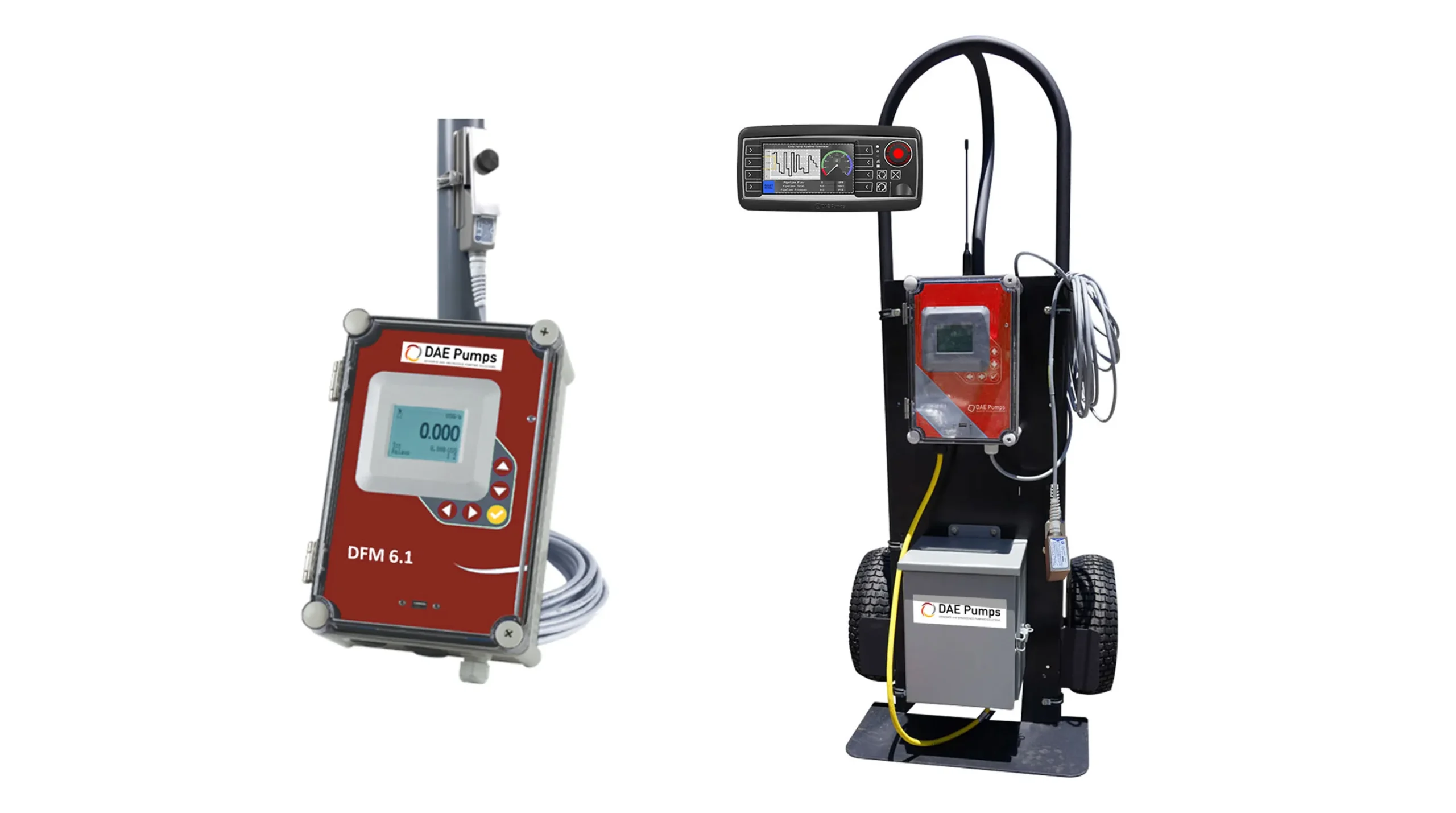
Ultrasonic Flow Meter
MONITORING
The DAE Pumps UFM Doppler flow meter gives real-time, non-intrusive flow monitoring for high-solids fluids.
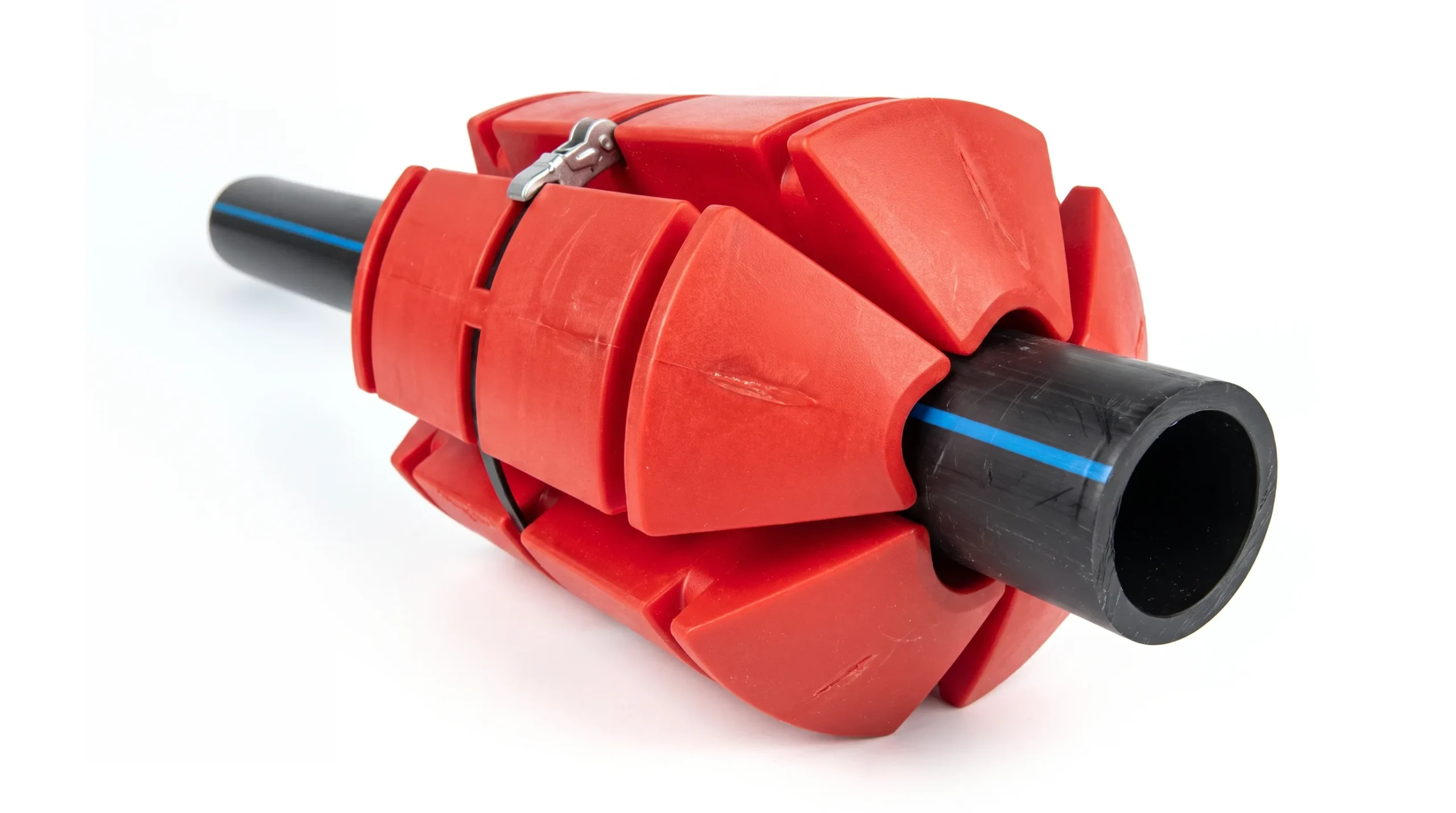
Pipe & Hose Floats
FLOTATION
Keep discharge and suction lines buoyant, aligned, and protected in waterborne dredging.
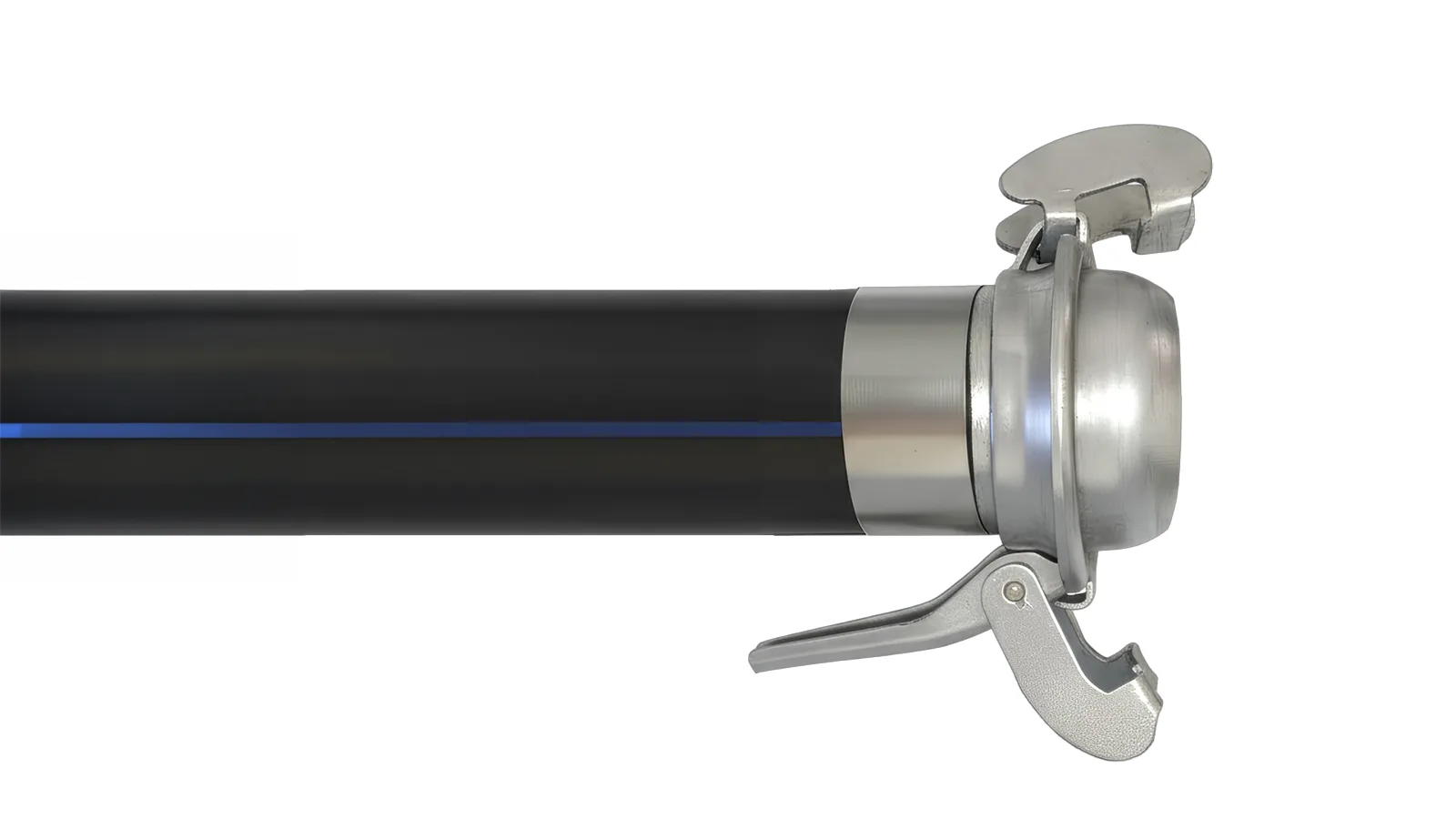
HDPE Dredge Pipe
PIPELINE
Abrasion-resistant HDPE dredge pipe for long-distance slurry transport.
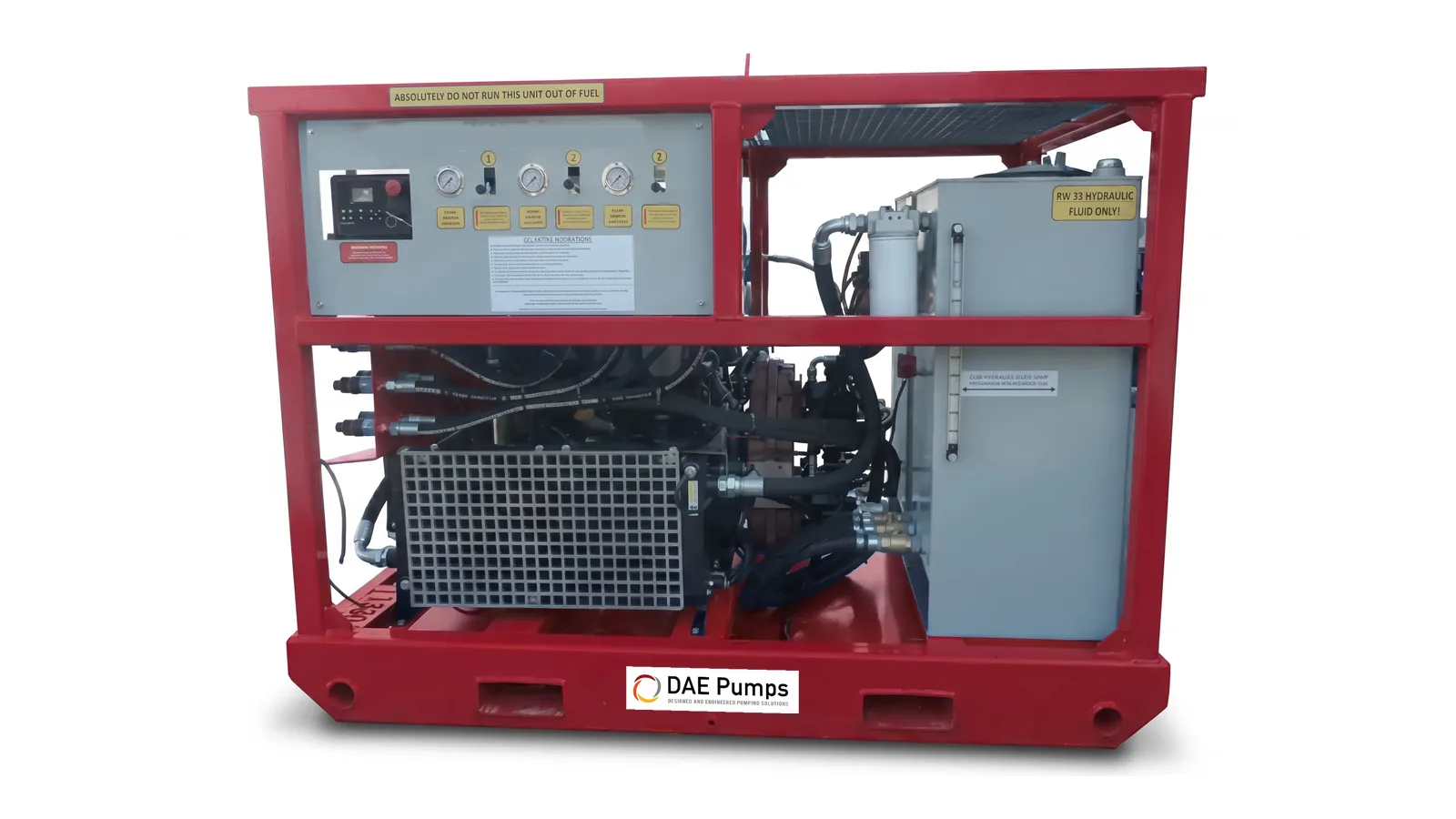
Hydraulic Power Units
HYDRAULIC POWER
The DAE Pumps HPU delivers auxiliary hydraulic power where dedicated sources aren't available.
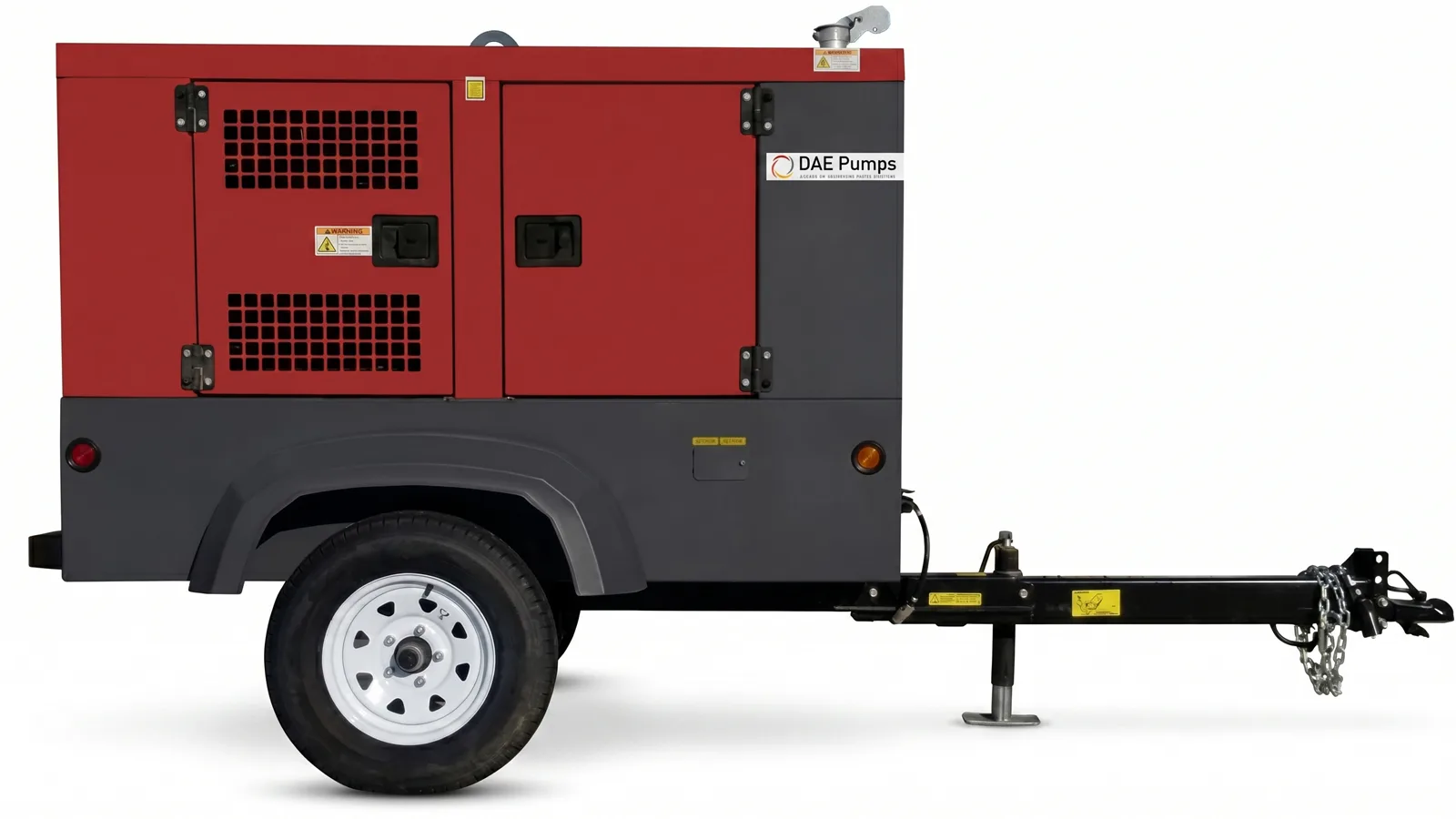
Industrial Power Generators
BACKUP POWER
DAE Pumps industrial power generators keep pumps and equipment running on remote and off-grid job sites.
What to Send DAE Pumps for Dredge Pump Selection
To help DAE Pumps size the right dredge pump and system, send the following project information:
- Material being pumped and typical solids size, hardness, and abrasiveness (sand, gravel, sludge, slurry, rock, tailings)
- Target flow rate (GPM) and expected solids concentration or slurry density
- Total head: pumping distance, discharge elevation/lift, and pipeline length and diameter
- Fluid details: source, viscosity, temperature, and pH or corrosiveness
- Dredging depth and water type (fresh, salt, or brackish)
- Deployment method: cable-deployed, excavator-mounted, pontoon/mini dredge, or diver-operated
- Drive preference: hydraulic, electric, or diesel-driven — plus available power or hydraulic source on site
- Discharge line requirements: hose vs. HDPE pipe, floats, and whether a booster pump station is needed
- Application and site type: mining, dredging contractor, marine construction, ports/harbors, river/lake restoration, wastewater, oil & gas, or aggregate
- Accessories and monitoring: flow meter, VFD, power unit, generator, and any remote monitoring
- Whether the pump is new, used, or rental, and your budget and delivery timeline
Dredge Pump FAQs
Common questions about how dredge pumps work, how to size them, and how to keep them running.
What is a dredge pump?
A dredge pump is a heavy-duty centrifugal pump that removes sediment, sand, gravel, debris, and other solids from a body of water and moves them through a pipe or hose to a discharge site — essential across construction, mining, and environmental remediation.
How does a dredge pump work?
The motor spins an impeller inside the casing, creating a vacuum suction that draws material into suspension. The slurry passes through the volute and out the discharge, then travels through the pipeline to the discharge point.
What is the difference between a slurry pump and a dredge pump?
A slurry pump moves abrasive, solids-laden liquid, usually in a fixed process setup. A dredge pump is a specialized slurry pump built to dig up and move raw sand, gravel, sediment, and debris from the bottom of a water body, using a non-clog open impeller and a hi-chrome wear body.
What materials can dredge pumps handle?
Sand, gravel, mud, sludge, slurry, and rock — large volumes of abrasive granular material and solids of various sizes and weights, moved in suspension.
How do dredge pumps handle large solids?
An open-impeller design with high tolerance between the impeller and casing lets larger solids pass; the impeller-to-volute clearance sets the maximum solids size.
What is high-chrome alloy and why does it matter?
DAE Pumps dredge pumps use a hi-chrome body with a Brinell hardness of 600 for the ultimate wear protection, grinding through material that clogs, wears, and breaks other pumps.
What is a dredge booster pump?
A booster pump is added along the discharge pipeline to increase flow and pressure, extending the reach of the system for large-scale projects like harbor deepening and land reclamation.
How do I size a dredge pump?
Use a custom pump curve based on your material, fluid viscosity, distance, and target GPM. DAE Pumps' engineers build the curve and recommend the most efficient pump — call (760) 821-8112.
What causes dredge pump wear, and how do I reduce it?
Abrasion from high-solids duty. Wear-resistant materials, correct sizing, and routine inspection of impellers and liners reduce erosion and extend service life.
Can dredge pumps operate underwater?
Yes. Submersible and diver-operated dredge pumps work fully submerged, reaching confined spaces that conventional equipment can't.
What industries use dredge pumps?
Mining, dredging contractors, marine construction, ports and harbors, wastewater treatment, oil and gas, aggregate processing, environmental remediation, and flood control.
How much do industrial dredge pumps cost?
Cost depends on pump size (3″ to 16″), drive (hydraulic, electric, or diesel), deployment (cable-deployed, excavator-mounted, pontoon, or diver-operated), system components (hoses, pipe, floats, flow meters, power units), and whether you choose new, used, or rental. Request a quote or call (760) 821-8112 for pricing.
We're Here to Help
For help selecting the right Horton mobile generator for your site, call us or request a quote today.
