HYDRAULIC DREDGING EQUIPMENT
Excavator Dredge Pumps
Hydraulic Dredge Pump Attachments That Mount to Any Excavator Boom
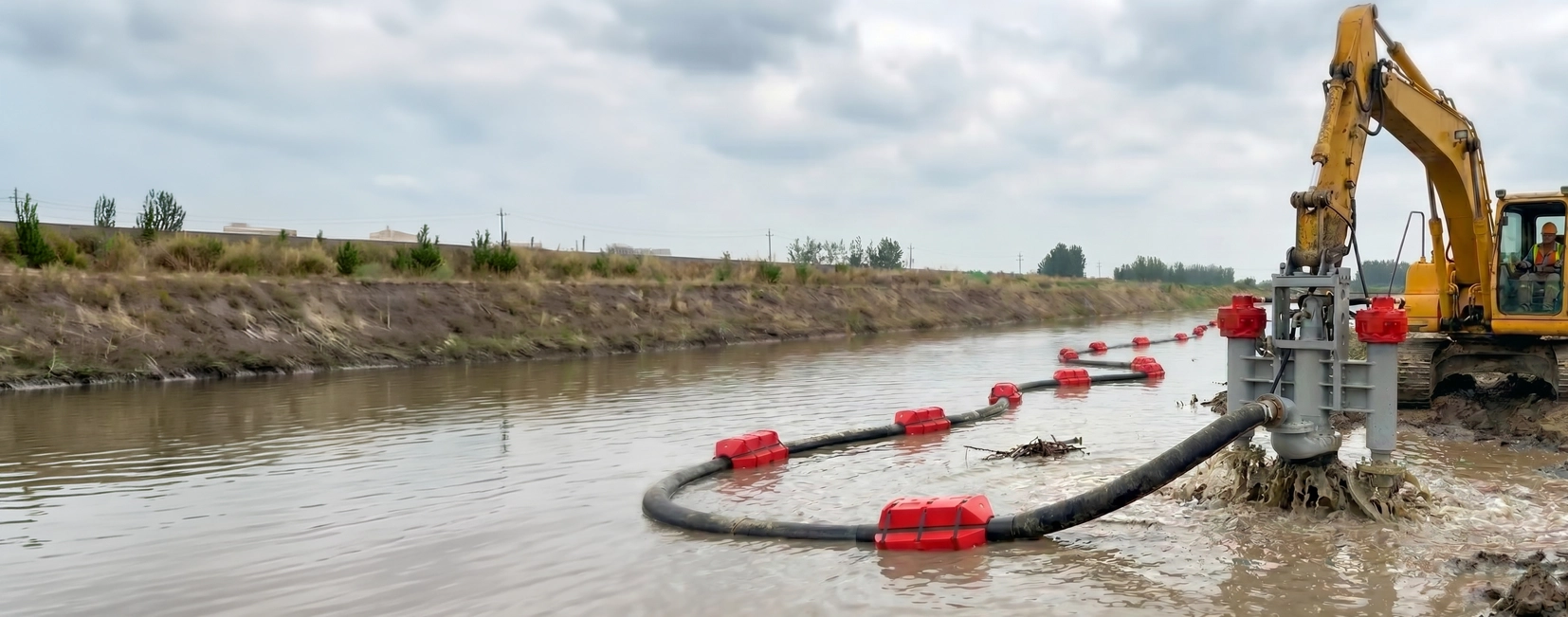
DAE Pumps builds excavator mounted dredge pumps that attach to the boom arm of an excavator, letting the operator break up and pump rock, gravel, slurry, and sludge underwater in one step. Plug-and-pump booms are pre-plumbed for discharge hoses, so projects start fast and finish sooner.
- Pump sizes from 3 inch to 16 inch, over 150 configurations
- Flow up to 8,800 GPM, heads up to 400 ft TDH
- Transfers up to 60% to 70% solids without clogging
- Fits standard, long-reach, amphibious, and floating excavators
- Hydraulic or electric drive, built to order
Need help now? Call (760) 821-8112
10,560
GPM maximum flow
200 ft
Maximum head (TDH)
70%
Solids by volume
3 to 16 in
Pump discharge sizes
Excavator dredge pumps are hydraulic dredge pump attachments that mount to the boom of an excavator to dredge and pump material underwater. Powered by the excavator's hydraulics, the attachment breaks up and suctions rock, gravel, sand, slurry, and sludge, then moves it through a discharge pipeline in a single pass, with no separate dredge barge, truck haul, or contractor required. DAE Pumps builds excavator mounted dredge pumps in more than 150 sizes and powers, from 3 inch to 16 inch, moving up to 8,800 GPM at heads up to 400 feet TDH, in hydraulic or electric drive.
Compare Excavator Dredge Pump Models
Compare the two featured DAE Pumps excavator dredge pumps by drive, capacity, discharge size, and solids handling. Final selection depends on excavator hydraulics, material type, discharge distance, and target flow, and DAE builds over 150 configurations beyond these two.
| Specification | Growler 1000 | Growler 3000 |
|---|---|---|
| Drive | Hydraulic dredge pump | Electric dredge pump |
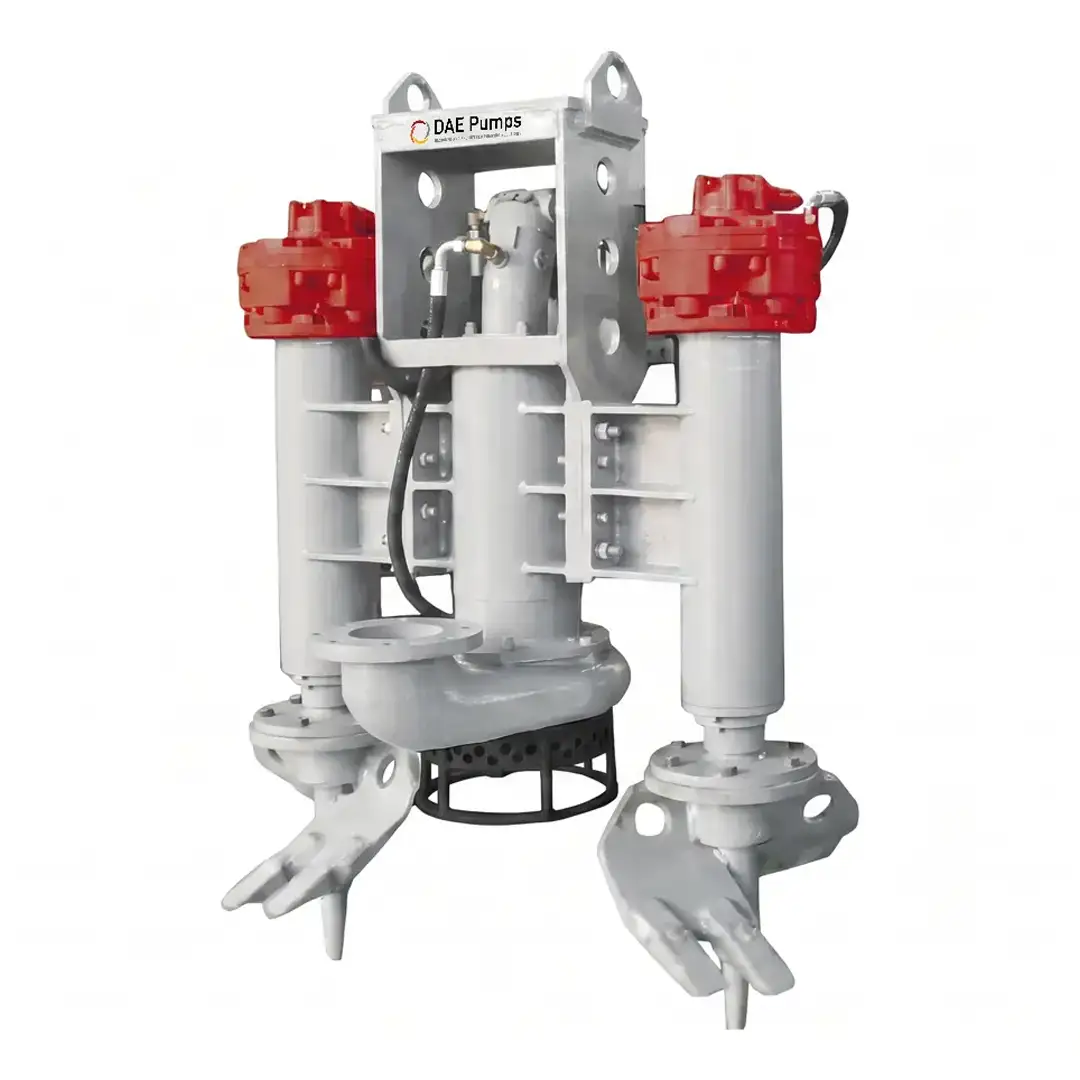
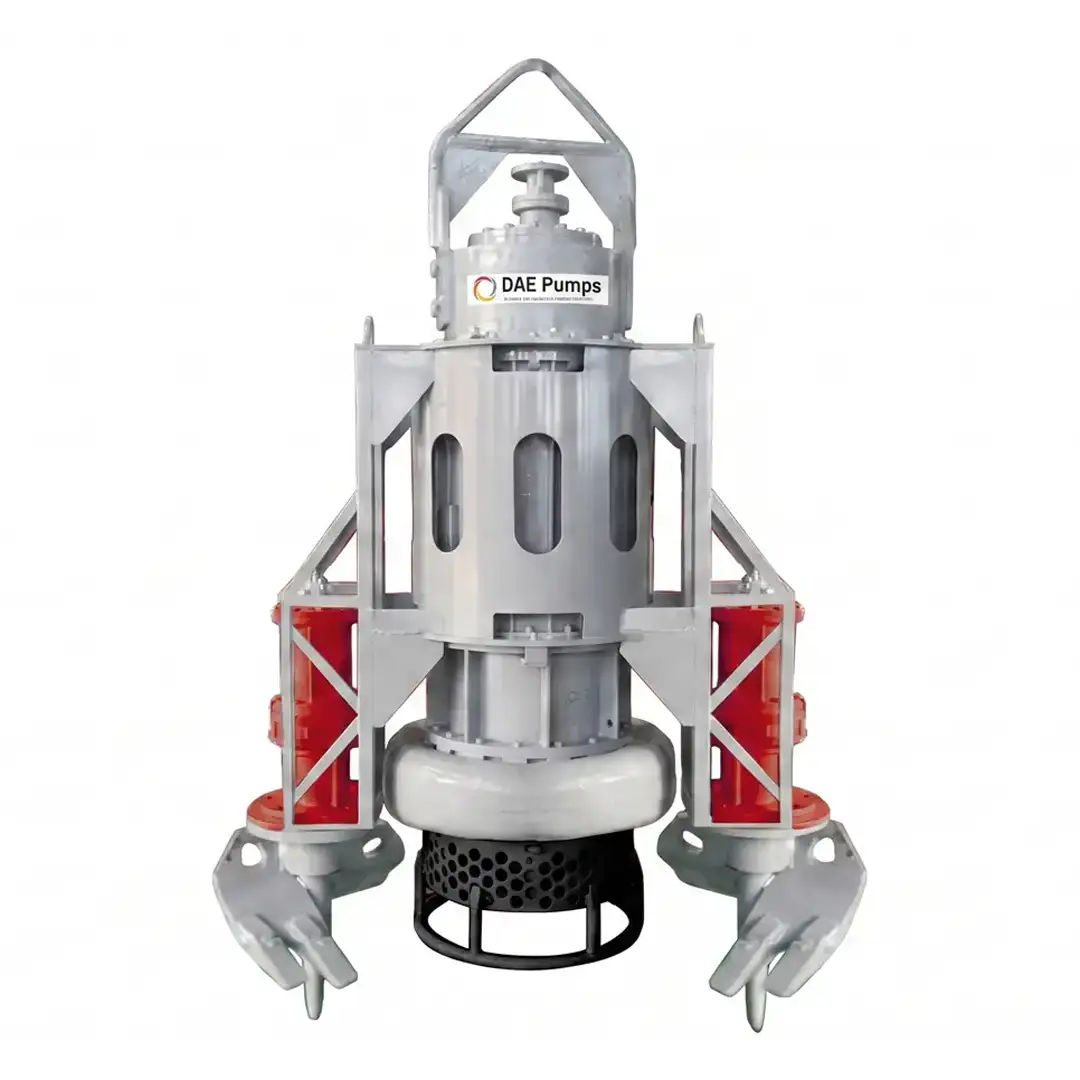
| Agitators | Two heavy-duty side agitators + side cutters | Two industrial-strength side agitators |
| Material Throughput | Up to 2,000 cubic meters of solids per hour | Up to 1,200 cubic meters per hour |
| Max Discharge | Sized to the application | Up to 16 in discharge |
| Solids Handling | Passes solids up to 3.9 in | Up to 3.9 in solids; up to 70% solids |
| Environment | Freshwater dredging and material transfer | Freshwater and saltwater; corrosion-resistant |
| Best For | High-volume solids and tough dredging | Abrasive, marine, and heavy-duty dredging |
How to Choose the Right Excavator Dredge Pump
Match the pump to the excavator's hydraulic output, the material, and the discharge run. This checklist helps you self-qualify before requesting pricing or a custom pump curve.
| Selection Factor | What to Know | Why It Matters |
|---|---|---|
| Excavator hydraulics | Confirm the excavator's hydraulic flow (GPM) and pressure (PSI). | Sets which pump the excavator can drive at full output. |
| Excavator size and reach | Note machine class, boom reach, and dig depth. | Determines pump weight limits and working depth. |
| Material type | Identify sand, gravel, silt, sludge, rock, or tailings. | Guides agitator, cutter, and wear-part selection. |
| Solids concentration | Estimate the percentage of solids to move. | Points to a pump rated for up to 70% solids. |
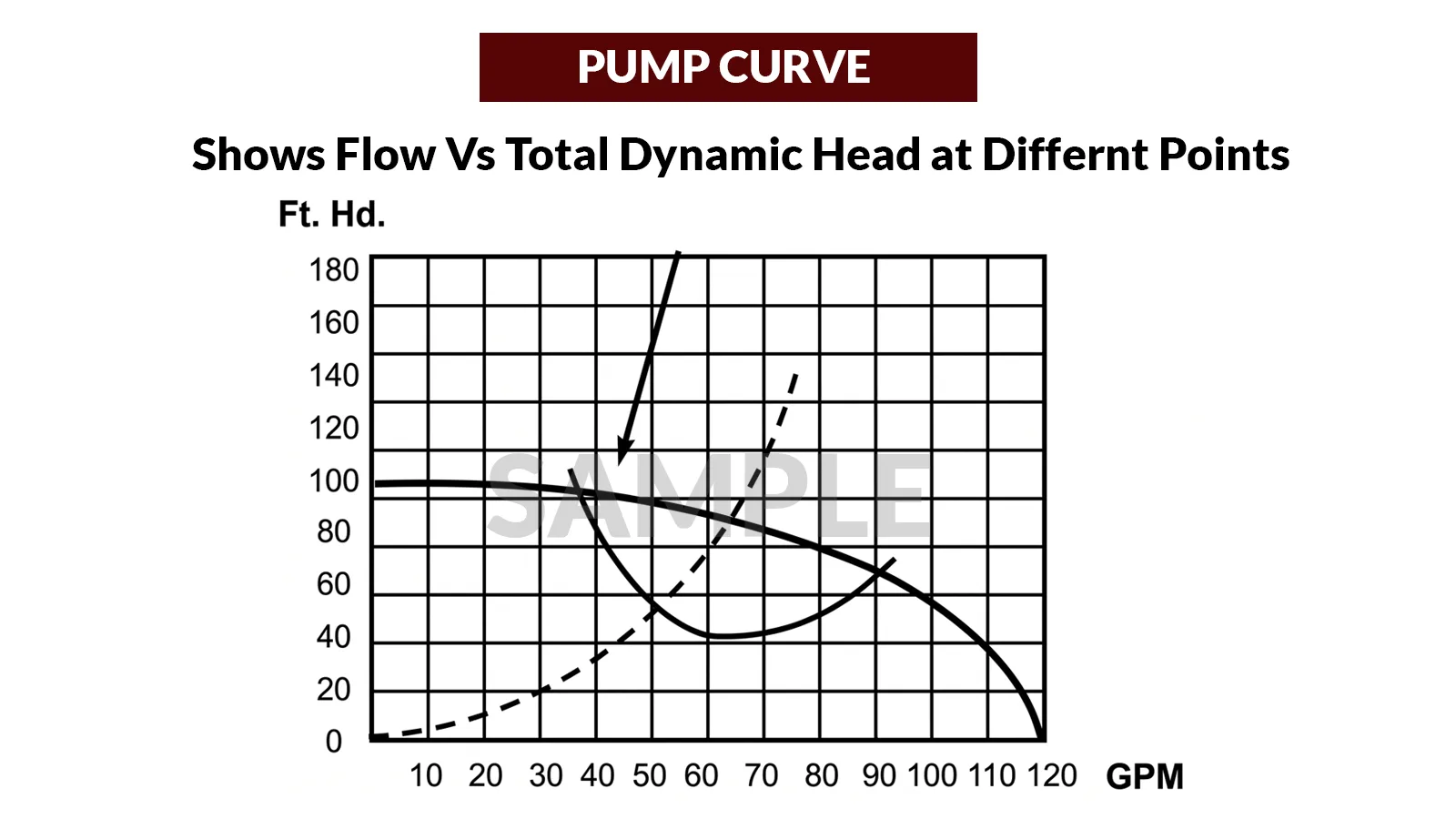
| Target flow and head | Set the GPM and total dynamic head the job requires. | Sizes the pump and discharge pipeline to the pump curve. |
| Discharge distance | Measure the run to the disposal or dewatering point. | Confirms head, pipe size, and any boost needs. |
| Environment | Confirm freshwater or saltwater and site conditions. | Selects corrosion-resistant materials where needed. |
Excavator Dredge Pump Models
Both featured models are non-clogging, high-solids excavator dredge pumps with dual side agitators. Choose the Growler 1000 for high-volume hydraulic dredging, or the Growler 3000 for abrasive and saltwater work with electric drive.
Compatible Excavator Equipment
Excavator dredge pumps mount to a wide range of machines, so you can dredge from shore, shallow water, or a floating platform. Reach and access depend on the excavator's boom length and undercarriage.

Standard Excavators
Shore-based dredging along banks and shallow shorelines.

Long-Reach Excavators
Extended boom reach for wider channels and deeper access.

Amphibious Excavators
Pontoon undercarriage for soft ground, wetlands, and marsh.

Floating Excavators
Barge or pontoon-mounted machines for open-water dredging.

Swamp Buggy
Low-ground-pressure machines for tailings and swampy sites.

Mini Dredge Excavators
Compact machines for ponds and confined, small-scale jobs.

Pontoon Excavators
Floating pontoon setups for lakes, lagoons, and reservoirs.

Backhoes
Utility digging and light dredging where reach is limited.
Where Excavator Dredge Pumps Work
DAE Pumps excavator dredge pumps handle material removal and sediment relocation across dredging, mining, and environmental projects, anywhere an excavator can reach the water.

Pond & Lake Dredging
- Typical Use: Sediment removal
- Why It Fits: Restore depth and capacity in ponds, lakes, and reservoirs.

River Dredging
- Typical Use: Channel and bank work
- Why It Fits: Clear silt and debris from rivers, canals, and waterways.

Mining & Tailings
- Typical Use: Slurry and tailings
- Why It Fits: Move mine tailings, sand, and slurry from ponds and pits.

Sand & Aggregate
- Typical Use: Sand and gravel recovery
- Why It Fits: Pump sand, gravel, and aggregate from wash and process ponds.

Land Reclamation
- Typical Use: Fill placement
- Why It Fits: Relocate dredged material to build up and reclaim land.

Marine Construction
- Typical Use: Nearshore dredging
- Why It Fits: Dredge harbors, marinas, and shorelines from shore or barge.

Lagoons & Wastewater
- Typical Use: Basin cleanout
- Why It Fits: Remove sludge from industrial lagoons and treatment basins.

Flood Control
- Typical Use: Capacity restoration
- Why It Fits: Clear detention basins, drainage channels, and flood works.
Why DAE Pumps Excavator Dredge Pumps
Every DAE Pumps excavator dredge pump pairs non-clogging, high-solids pumping with a plug-and-pump boom mount that turns an excavator into a one-step dredging system.

Break up and pump in one step
Grind rock and boulders and move the material immediately, with no attachment swaps or truck haul.

Non-clogging, high-solids pumps
Handle high-viscosity, high-abrasive material and pump 60% to 70% solids without clogging.

Plug-and-pump boom mount
Booms are pre-plumbed for discharge hoses, so setup is fast with no costly modifications.

Over 150 sizes and powers
Flow up to 8,800 GPM and heads up to 400 ft TDH, built to the exact application.

Hydraulic or electric drive
Run off the excavator's hydraulics or an electric power unit, placed onshore, on a vessel, or on a float.

Transfer solids over long distances
Move a high concentration of solids and large volumes efficiently through a discharge pipeline.

Built for abrasive service
Rugged construction and no critical tolerances virtually eliminate wear-and-tear worries.

Lower cost and downtime
Fewer machines, less fuel and labor, and reduced downtime keep projects on schedule.


Excavator Dredge Pump Accessories
Complete the excavator dredge system with matched discharge, monitoring, and power components. Parts are stocked for fast shipping in the US and worldwide.
- Slurry Hoses: Durable, flexible hoses that carry solids-laden slurry and sediment-rich water from the excavation site.
- Ultrasonic Flow Meters: The UFM Doppler meter reads flow in real time without cutting into the pipe, making it ideal for variable conditions.
- Pipe Floats and Hose Floats: Keep suction and discharge lines buoyant and aligned in waterborne or semi-submerged conditions.
- Hydraulic Power Units: The HPU1000 supplies dependable auxiliary hydraulic power where excavator hydraulics need support.
- Mobile Diesel Generators: The Horton series keeps electric dredge pumps running at remote or off-grid sites.
- Long-Reach and Amphibious Attachments: Extend reach and access with long-reach booms and amphibious undercarriages.
Maintenance and Repair
Because excavator dredge pumps run in abrasive, debris-heavy conditions, a consistent maintenance routine preserves flow rates and extends component life on jobs where uptime drives productivity.
Key Components to Inspect
- Impeller and suction cone for abrasion and wear patterns.
- Seals and cable connections for leaks or deterioration.
- Bearings and shaft alignment to detect vibration issues.
- Pump casing and suction openings for buildup or damage.
Durability and Serviceability
- Integrated mount design for excavator linkage reduces system stress.
- Abrasion-resistant components extend service life in heavy sediment.
- Accessible wear parts speed replacement of impellers, wear rings, and seals.
What to Send DAE Pumps for Excavator Dredge Pump Sizing
To help DAE Pumps recommend the right excavator dredge pump and build a pump curve, send the following details:
- Excavator Make, Model, and Class: So the pump matches the machine's weight and mounting configuration.
- Hydraulic Flow and Pressure: Available GPM and PSI from the excavator's auxiliary hydraulic circuit.
- Boom Reach and Dig Depth: Working reach and maximum dredging depth at the project site.
- Material Type: Sand, gravel, silt, sludge, rock, or tailings, including the solids percentage.
- Target Flow and Head: Required flow rate (GPM) and total dynamic head (TDH) for the application.
- Discharge Distance and Disposal: Pumping distance to the disposal, dewatering, or fill placement location.
- Environment: Freshwater or saltwater conditions, along with any corrosion or temperature considerations.
- Drive Preference: Hydraulic power from the excavator or electric power using a separate power unit.
- Timeline and Permitting: Project schedule and any dredging permit requirements.
Excavator Dredge Pump FAQs
What is an excavator dredge pump?
An excavator dredge pump is a hydraulic pump attachment that mounts to an excavator boom to dredge and pump material underwater. It uses the excavator's hydraulic power to remove sediment, debris, sand, and slurry from rivers, lakes, ponds, and other water bodies, and is often used for land reclamation.
How does an excavator dredge pump work?
The attachment mounts on the boom in place of a bucket, and the excavator's hydraulics drive the pump to create suction. Agitators or cutters break up and feed material into the pump, which moves it as a slurry through a discharge hose or pipeline in one continuous step.
Can an excavator be used for dredging?
Yes. With a dredge pump attachment, a standard, long-reach, amphibious, or floating excavator becomes a dredging machine. It excavates underwater and pumps the material immediately, replacing separate dredge barges and truck hauling.
How do hydraulic excavator pumps operate?
Hydraulic excavator pumps run off the excavator's auxiliary hydraulic circuit rather than a separate power source. The available hydraulic flow and pressure determine which pump the machine can drive, which is why matching the pump to the excavator is essential.
What is the difference between an excavator pump and a slurry pump?
An excavator dredge pump is a slurry pump built as a boom-mounted attachment. It combines a non-clogging slurry pump with agitators or cutters and mounts to an excavator, whereas a standalone slurry pump is deployed by cable, pontoon, or fixed installation.
How do I size an excavator dredge pump?
Sizing depends on the excavator's hydraulic output, the material and solids percentage, the target flow and head, and the discharge distance. A custom pump curve from DAE Pumps engineers matches the pump to these factors for the most efficient result.
Can excavator pumps remove pond sediment?
Yes. Excavator dredge pumps are well suited to pond and lake sediment removal, pumping silt, sludge, and sediment from shore or a floating platform to restore depth and capacity.
What is a floating excavator dredge?
A floating excavator dredge is an excavator mounted on a barge or pontoon so it can dredge open water beyond the reach of a shore-based machine. A dredge pump attachment lets it pump material directly through a pipeline.
How much does an excavator dredge pump cost?
Cost depends on pump size, drive type, agitators, and accessories. DAE Pumps builds each excavator dredge pump to the application, so send your excavator and material details for a quote.
Can excavator dredge pumps be customized?
Yes. DAE Pumps builds over 150 sizes and powers, from 3 inch to 16 inch, with hydraulic or electric drive, agitator and cutter options, and corrosion-resistant materials for saltwater work.
Exploring other dredge pumps? See the full DAE Pumps dredge pump lineup, including cable-deployed, pontoon, and diver-operated dredge systems for different deployment methods.
We're Here to Help
For help selecting the right excavator dredge pump for your machine and material, call us or request a quote today.
