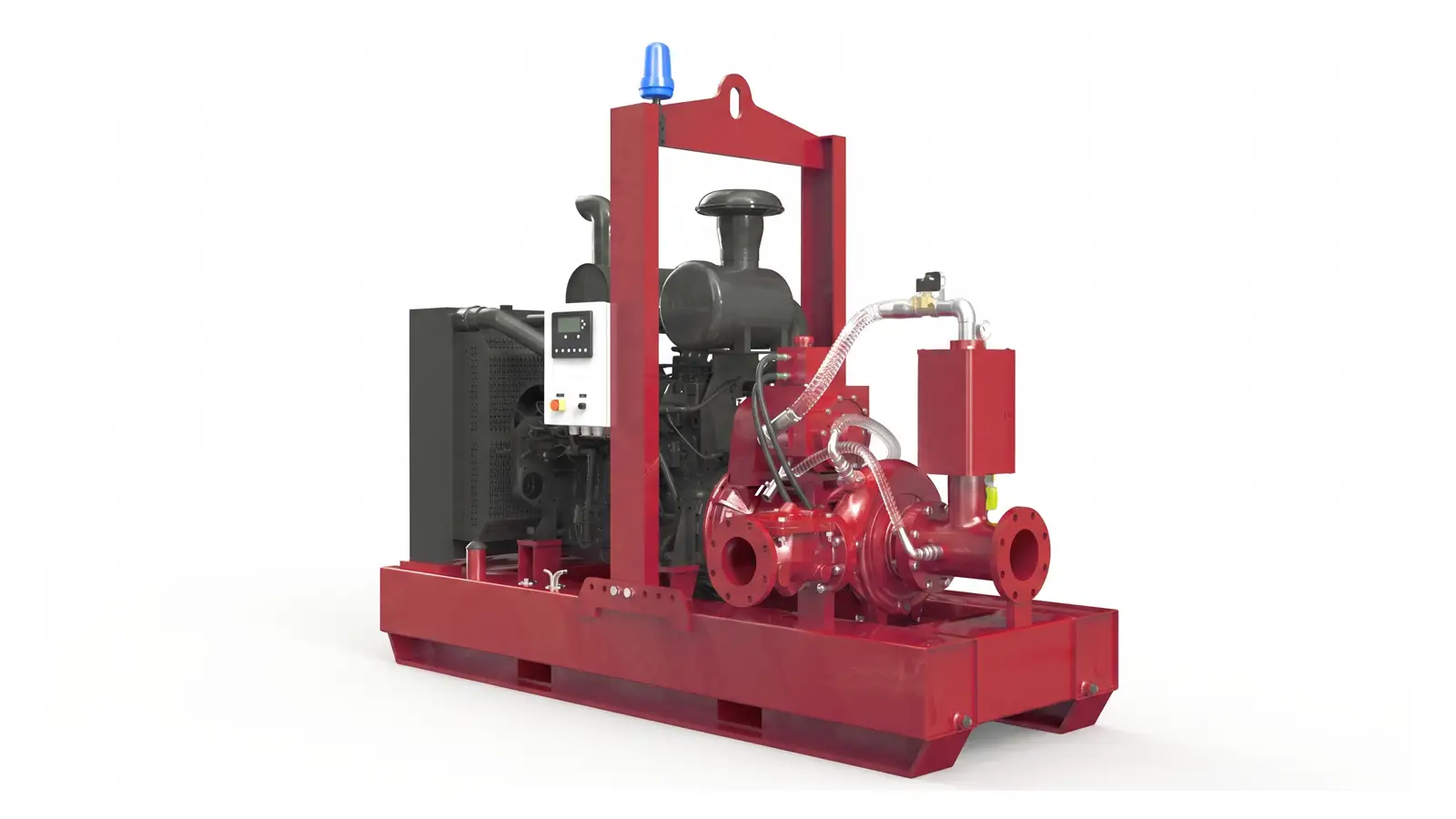
SELF-PRIMING PUMPS · CENTRIFUGAL PUMPS
Self-Priming Dewatering, Sewage & Slurry Pumps
Heavy-duty self-priming pumps that evacuate air, prime automatically, and keep suction through solids, sludge, and slurry; engineered for dewatering, sewage bypass, flood control, and continuous industrial transfer.
DAE Pumps builds two proven self-priming pump lines. The Appalachian surface pump series delivers high-volume, high-head dewatering up to 8,600 GPM and 590 ft of head on a trailer or skid, while the Radford sewage series handles fibrous, solids-laden wastewater with strong non-clogging performance. Both prime automatically and tolerate the intermittent, run-dry conditions that destroy standard centrifugal pumps.
- Two series: Appalachian surface pumps and Radford sewage pumps
- Flow up to 8,600 GPM; head up to 590 ft; power up to 500 HP
- Automatic vacuum-assisted priming, even with high suction lift
- Dry-running capability and semi-open, solids-handling impellers
- Diesel or electric drive; trailer, skid, open frame, or sound attenuated

Need help now? Call (760) 821-8112
8,600 GPM
Max flow (Appalachian)
590 ft
Max head
500 HP
Max diesel power
20
Models across 2 series
3" to 12"
Discharge sizes
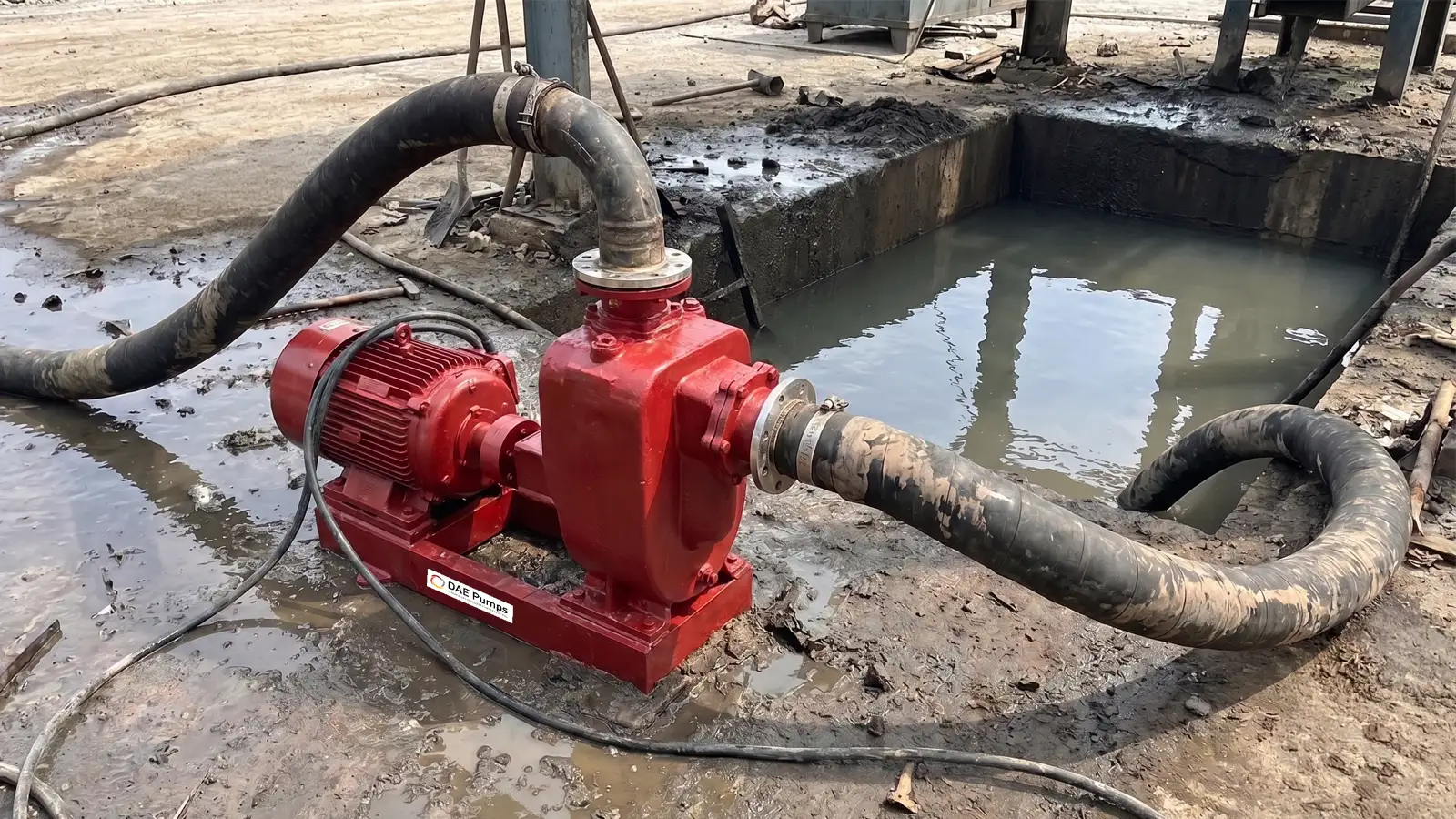
DAE Pumps self-priming centrifugal pumps draw liquids, solids, and debris from lakes, wetlands, sewers, excavations, construction sites, and flooded areas, then transfer everything to a designated discharge point. Because they self-prime, the pump and its engine or motor stay safely on land or on a skid while suction hose reaches the fluid, which is ideal for diver-operated dredging, sewage bypass, and mobile dewatering.
Choose Your Self-Priming Pump Series
Two lines cover the full range of self-priming work. Start here, then jump to the specs and model cards for the series that matches your fluid, solids, flow, and head.
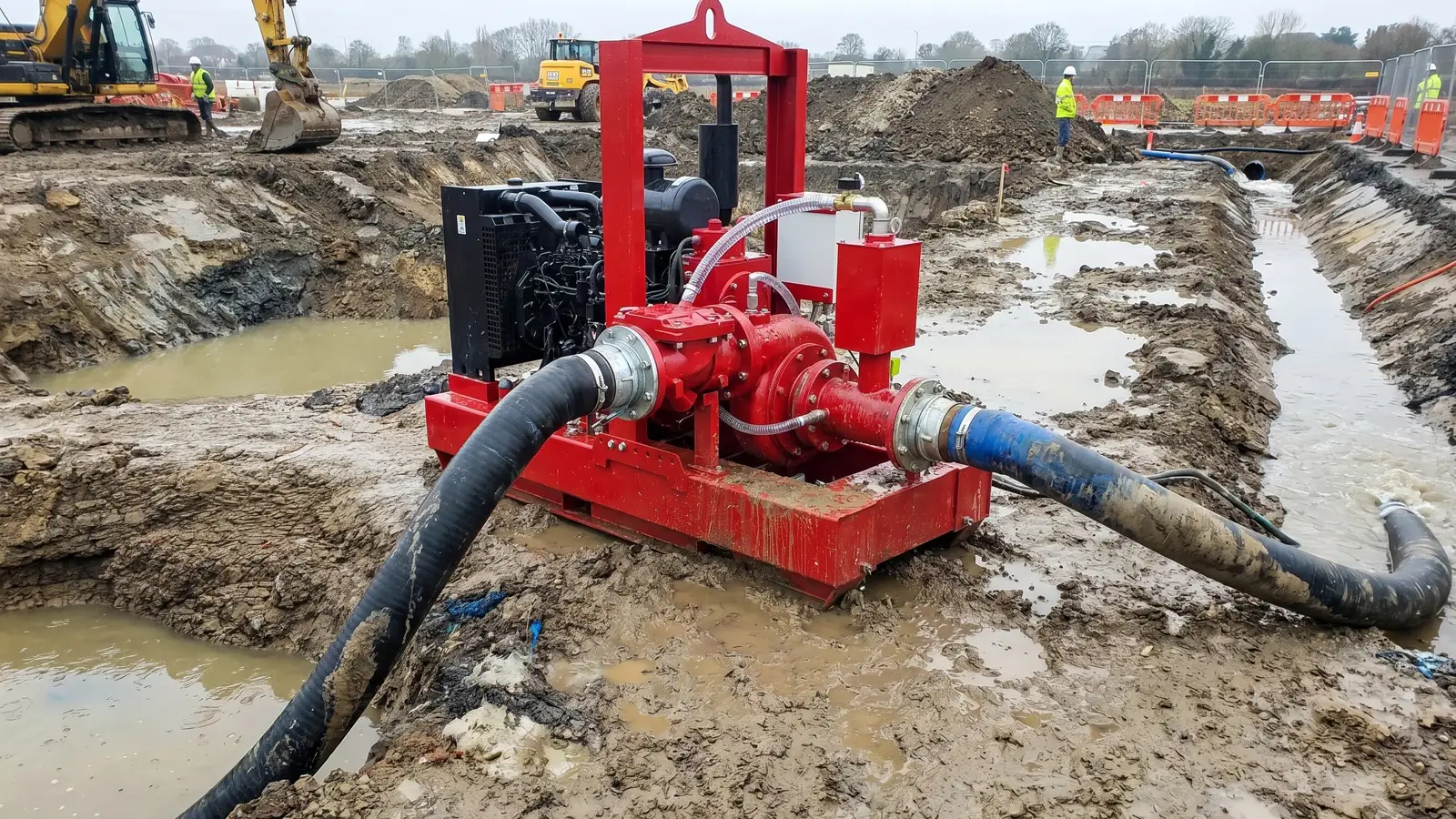
Appalachian Self-Priming Surface Pumps
Heavy-duty dewatering, flood control & construction
- Flow up to 8,600 GPM, head up to 590 ft
- Solids handling up to 3.5 in
- Diesel engines up to 500 HP
- Air separator and vacuum pump for rapid automatic priming
- Trailer, skid, open frame, or sound-attenuated configurations available
- Dry-running capability, FleetLink remote monitoring, and digital controller
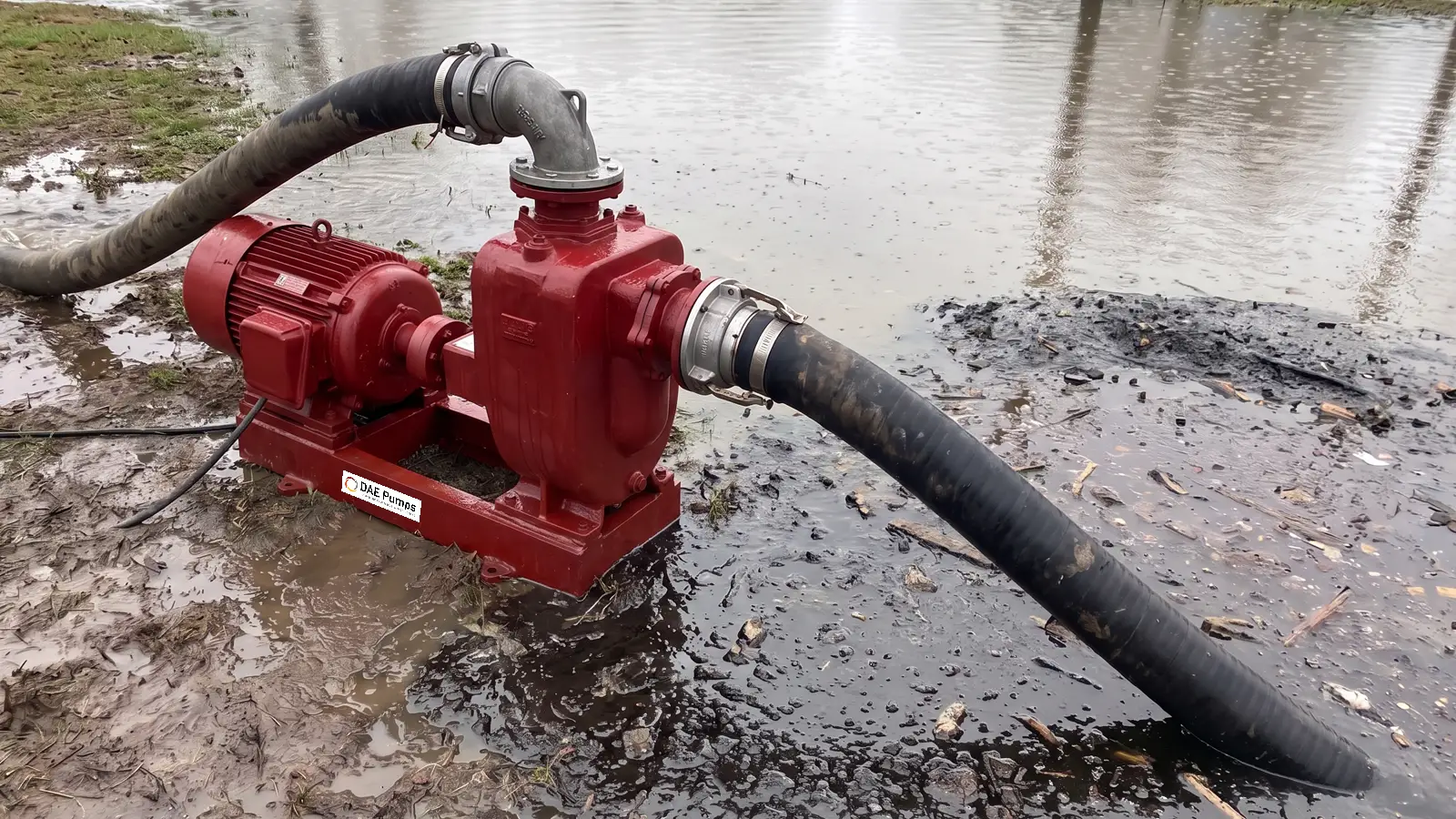
Radford Series Self-Priming Sewage Pumps
Sewage, wastewater & fibrous solids handling
- Capacity from 130 to 3,520 GPM
- Inlet sizes from 2.5 in to 12 in
- Axial circumfluence, non-clogging design
- High-chrome (55 HRC) impellers for superior wear resistance
- Class F motors with thermal protection and all-round cooling
- Handles fibrous material, slurry, and mixed suspensions
Appalachian Self-Priming Surface Pump Specifications
Compare the Appalachian surface pump lineup by discharge, head, volume, and power. Final sizing should be based on total flow, required head, fluid and solids content, suction lift, mounting, and drive preference.
| Model | Discharge | Head | Volume | Power |
|---|---|---|---|---|
| Low Head | ||||
| Appalachian 44-49C | 4" | 150 ft | 1,470 GPM | 49 HP |
| Appalachian 54-49C | 4" | 160 ft | 1,470 GPM | 49 HP |
| Appalachian 66-74C | 6" | 160 ft | 2,900 GPM | 74 HP |
| Appalachian 88-130C | 8" | 197 ft | 4,500 GPM | 130 HP |
| Medium Head | ||||
| Appalachian 53-74C | 3" | 295 ft | 930 GPM | 74 HP |
| Appalachian 66-130C | 6" | 242 ft | 3,100 GPM | 130 HP |
| High Head | ||||
| Appalachian 65-250C | 5" | 550 ft | 2,290 GPM | 250 HP |
| Appalachian 108-500C | 8" | 590 ft | 8,600 GPM | 500 HP |
Appalachian Surface Pump Models
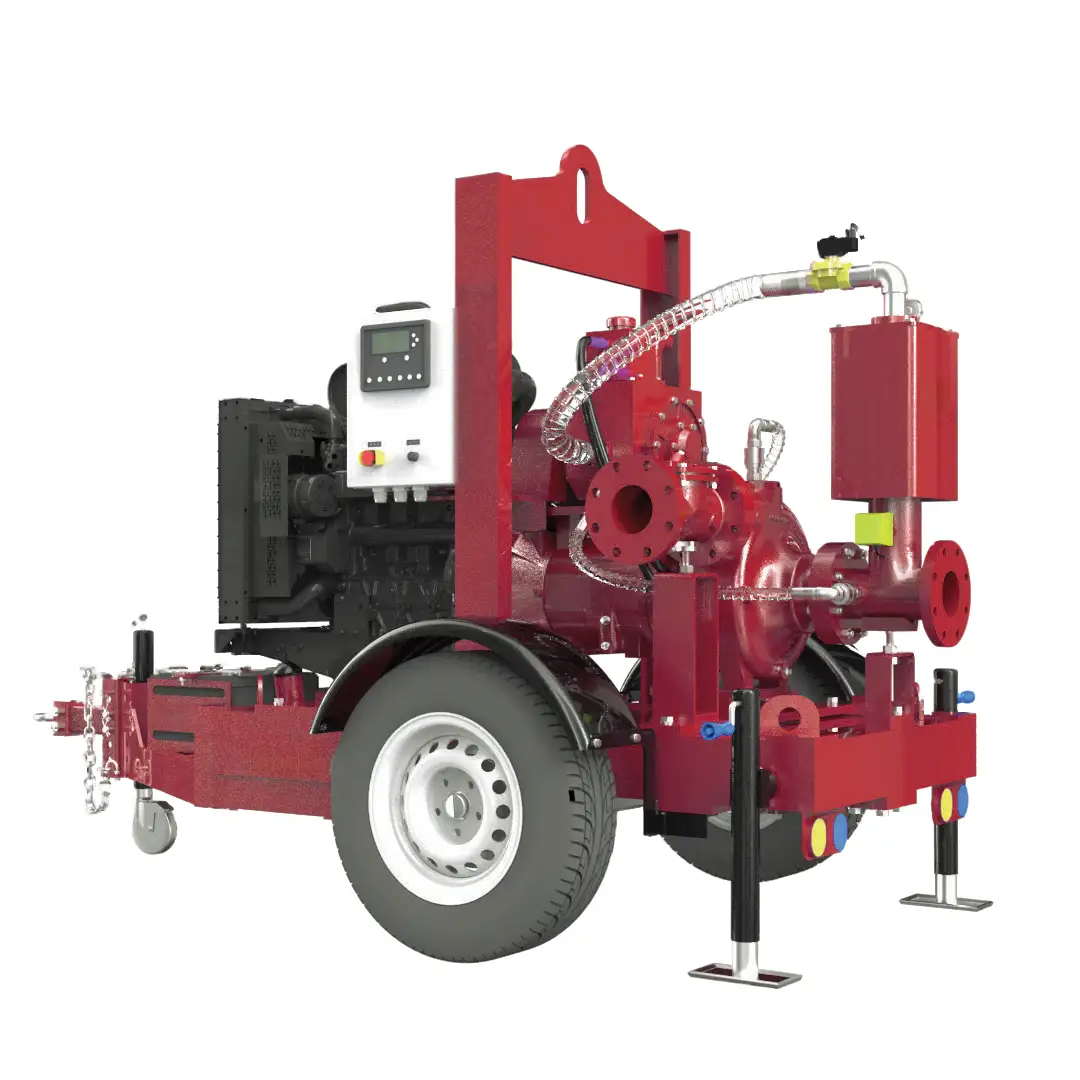
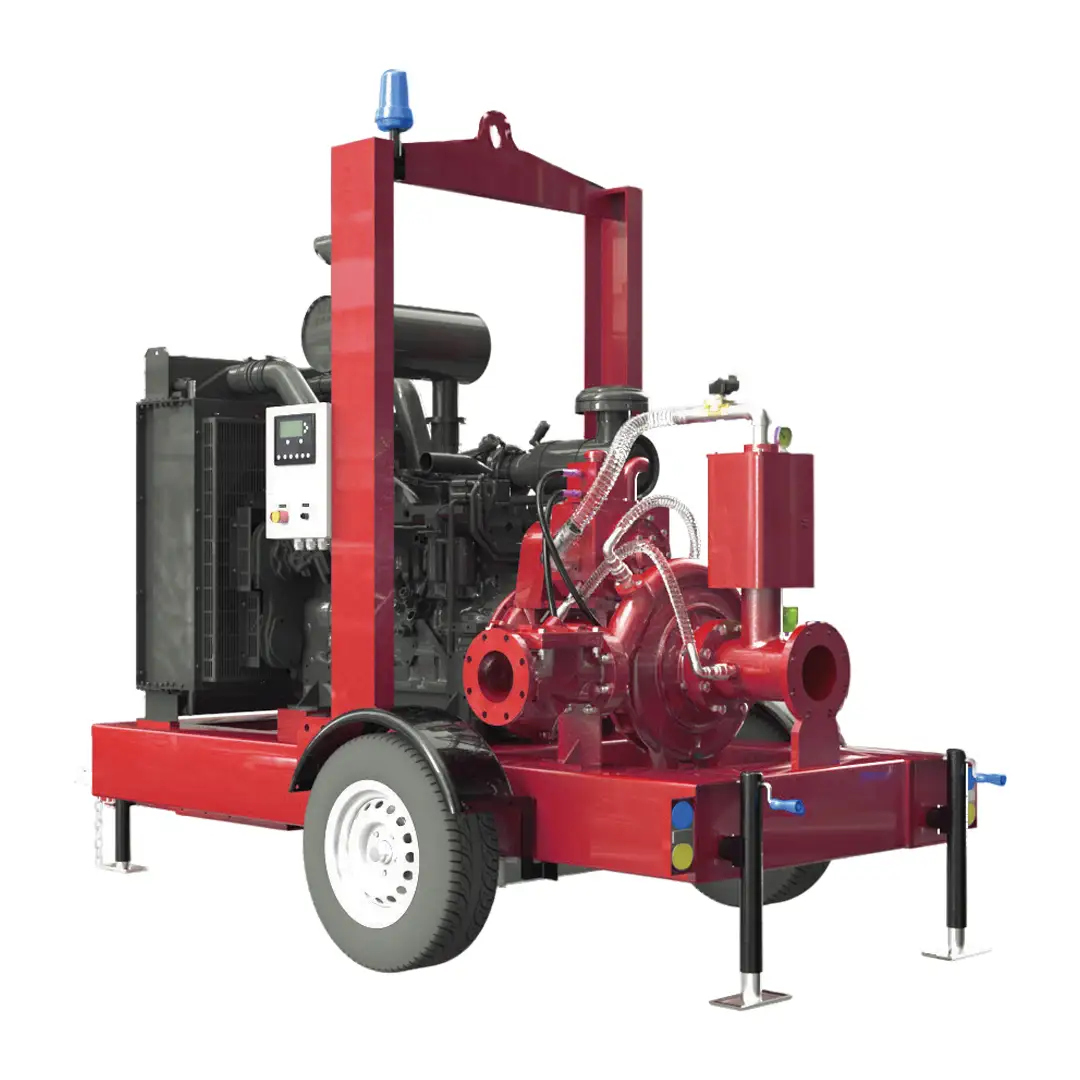
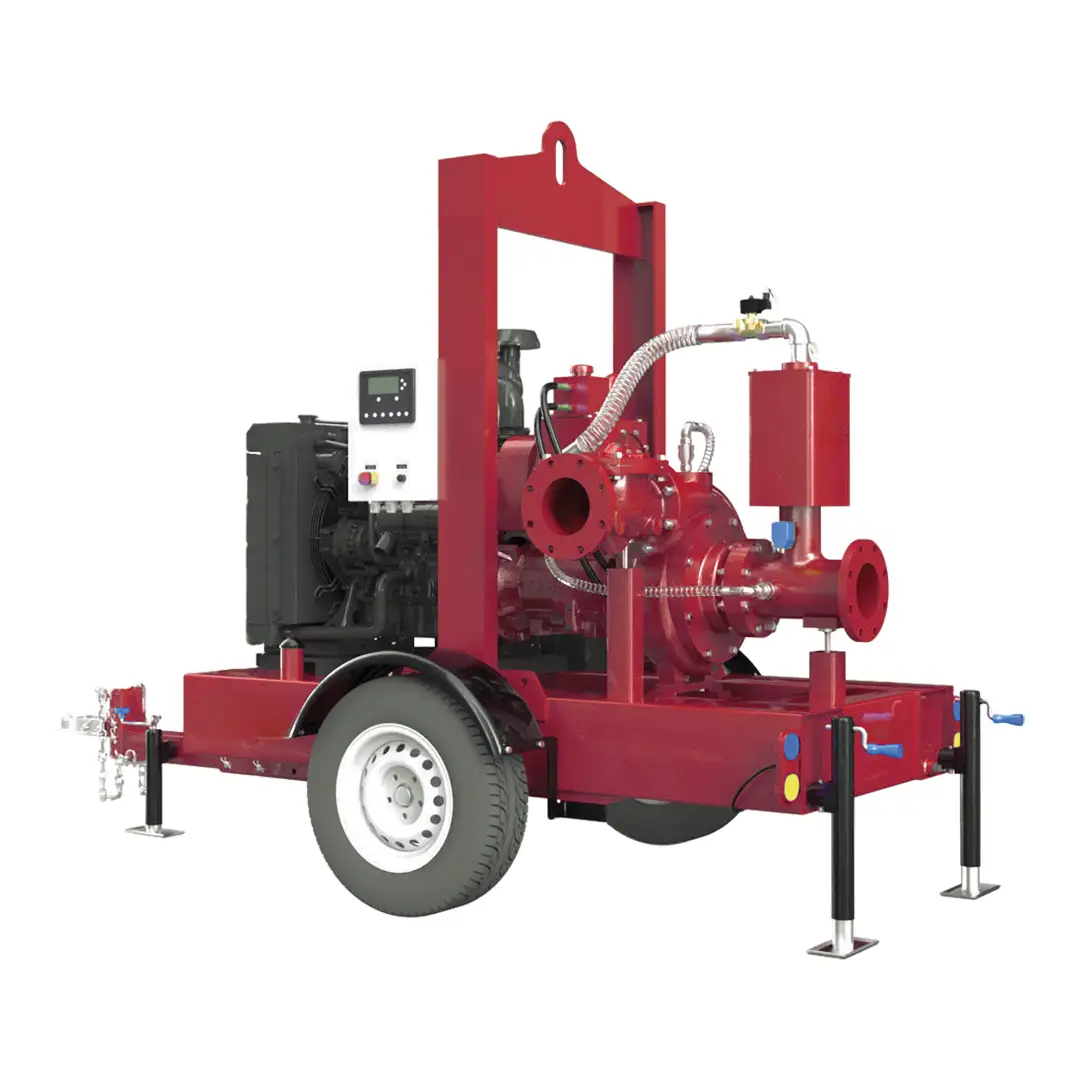
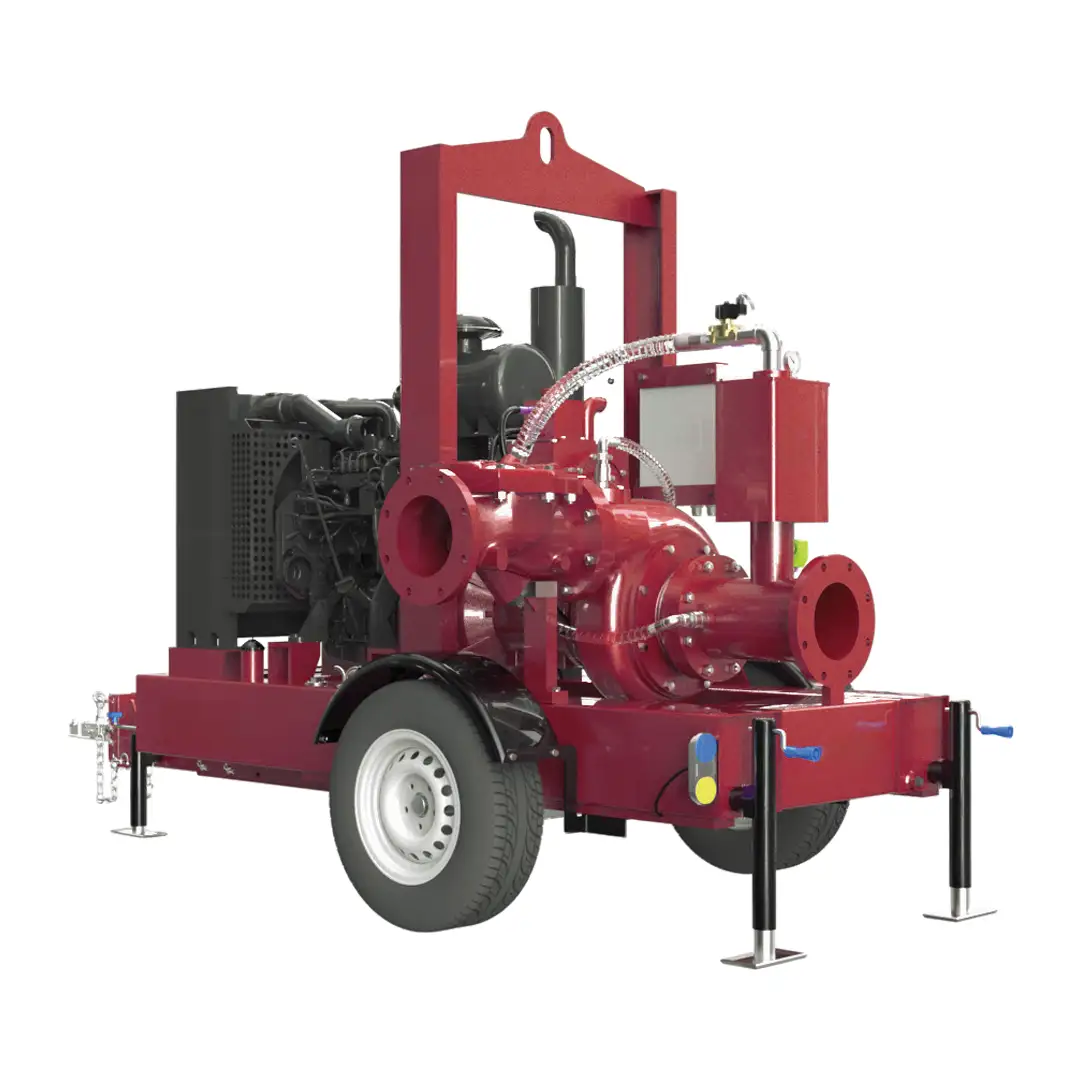
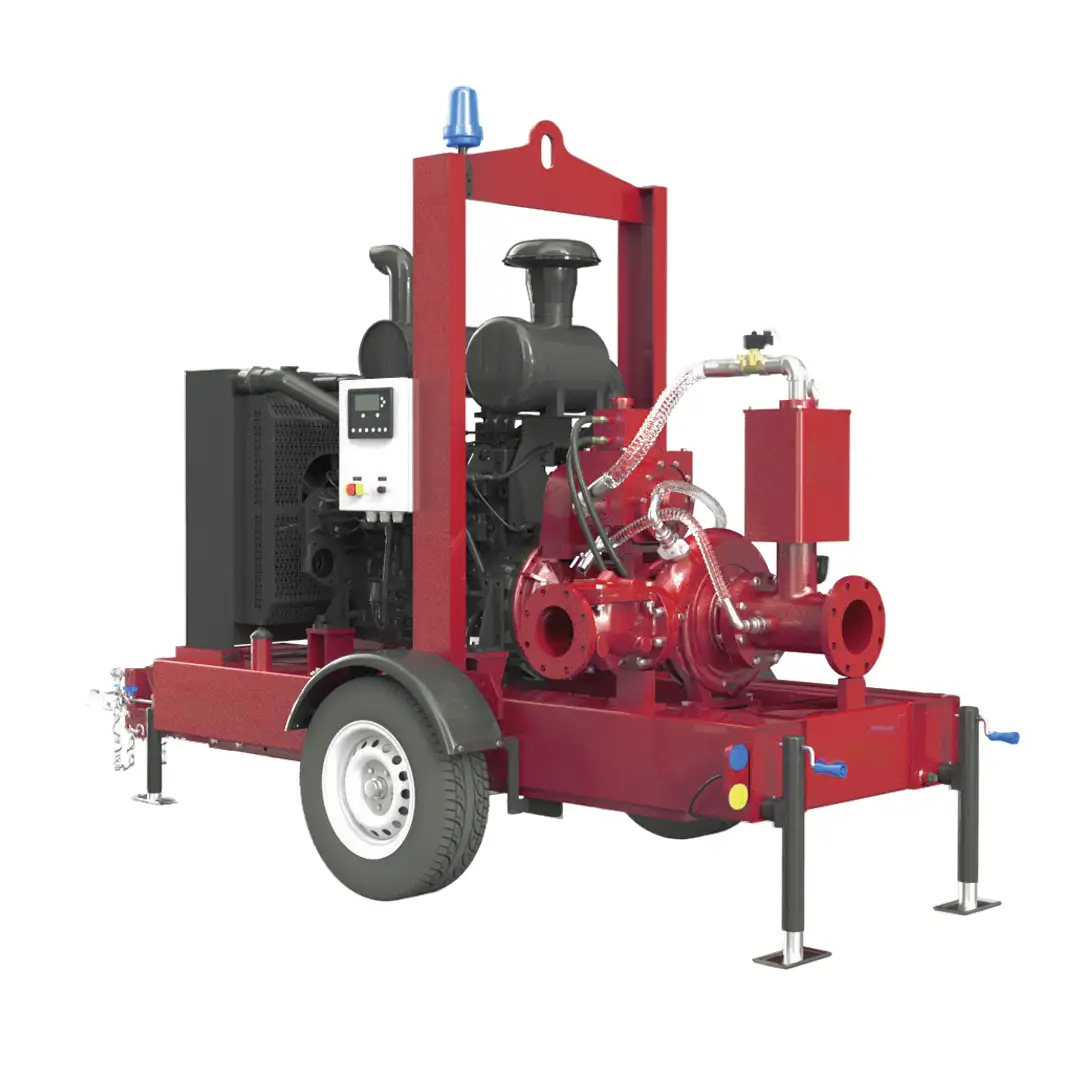
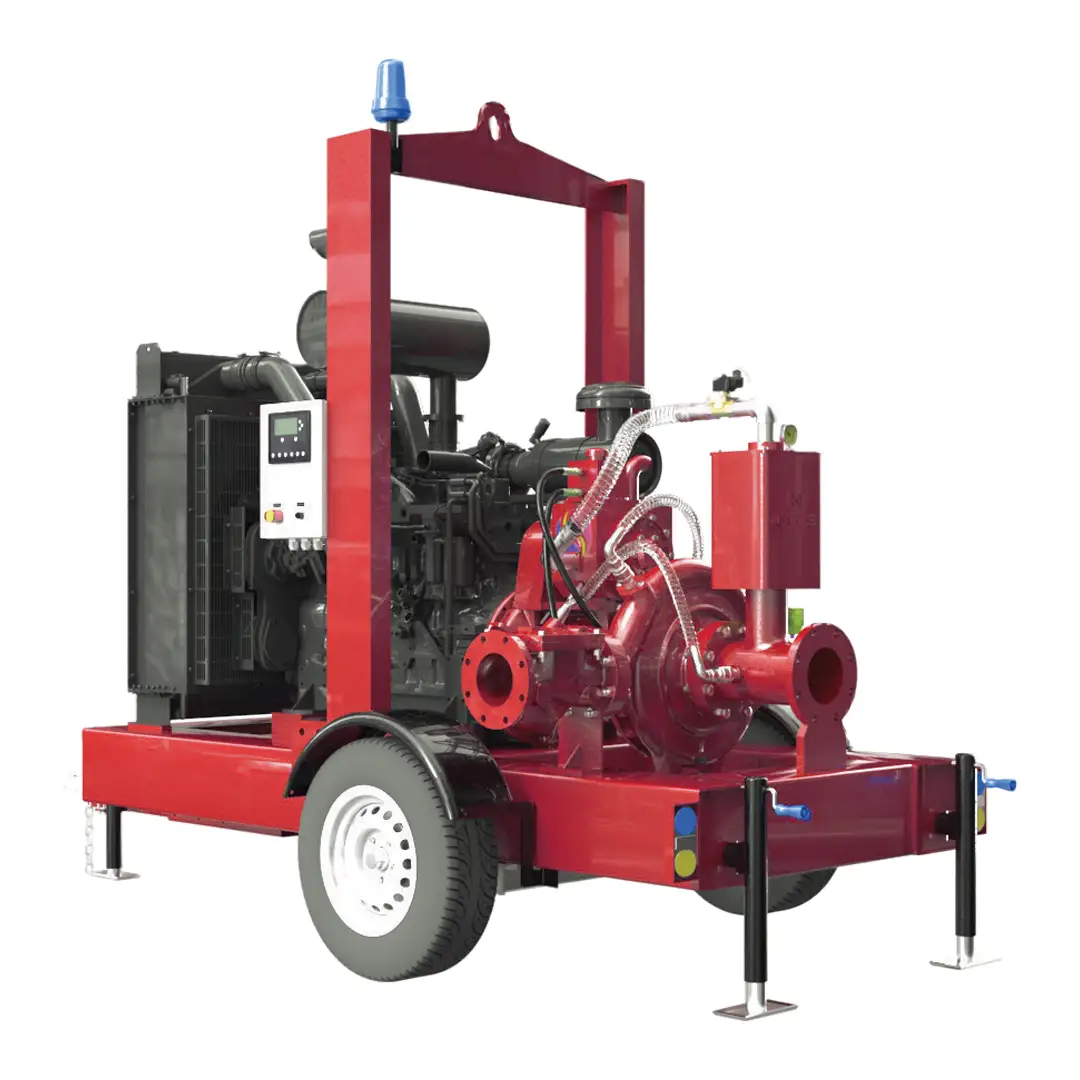
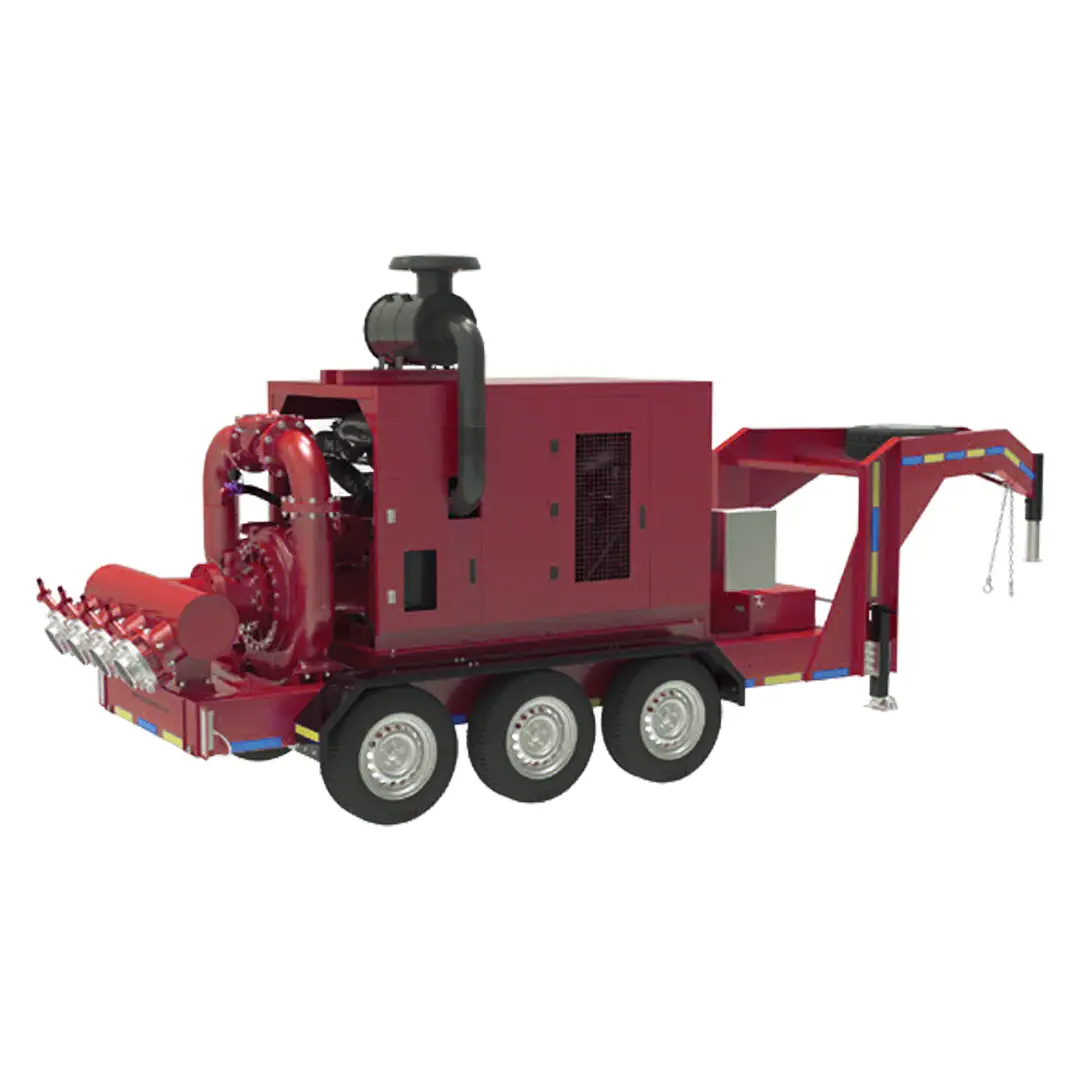
Every Appalachian model handles clean and dirty water, sludge, and slurry with a CF3M semi-open impeller and wear plate and a stainless steel shaft. Each is available on a road-towing trailer or skid, in an open frame or with a sound-attenuated enclosure.

Radford Series Self-Priming Sewage Pump Specifications
The Radford series moves contaminated water, sewage, slurry, and fibrous suspensions with an axial circumfluence, non-clogging design. Water density is rated up to 9.18 lb/gal, pH from 5 to 8, with solids handling up to 0.27 in.
| Model | Inlet | Capacity | Head | Power | Efficiency | Self-Priming Height |
|---|---|---|---|---|---|---|
| Radford 240 | 2.5" | 130 GPM | 60 ft | 5.5 HP | 45% | 18 ft |
| Radford 340 | 3" | 175 GPM | 52 ft | 5.5 HP | 50% | 17 ft |
| Radford 4180 | 4" | 440 GPM | 49 ft | 10 HP | 50% | 15 ft |
| Radford 4880 | 4" | 350 GPM | 65 ft | 10 HP | 53% | 15 ft |
| Radford 4110 | 4" | 440 GPM | 65 ft | 15 HP | 53% | 15 ft |
| Radford 5150 | 5" | 530 GPM | 65 ft | 20 HP | 55% | 15 ft |
| Radford 6150 | 6" | 790 GPM | 45 ft | 20 HP | 60% | 15 ft |
| Radford 6220 | 6" | 790 GPM | 40 ft | 30 HP | 60% | 15 ft |
| Radford 8220 | 8" | 1,230 GPM | 45 ft | 30 HP | 65% | 15 ft |
| Radford 8550 | 8" | 1,230 GPM | 92 ft | 75 HP | 55% | 15 ft |
| Radford 1050 | 10" | 1,850 GPM | 65 ft | 75 HP | 61% | 15 ft |
| Radford 1250 | 12" | 3,520 GPM | 45 ft | 75 HP | 65% | 15 ft |
Radford Series Sewage Pump Models
Every Radford model is a self-priming sewage pump with a gray iron pump casing, chromium iron impeller, and stainless steel motor frame, shaft, and strainer, built for municipal sewage, wastewater, and industrial process fluids.
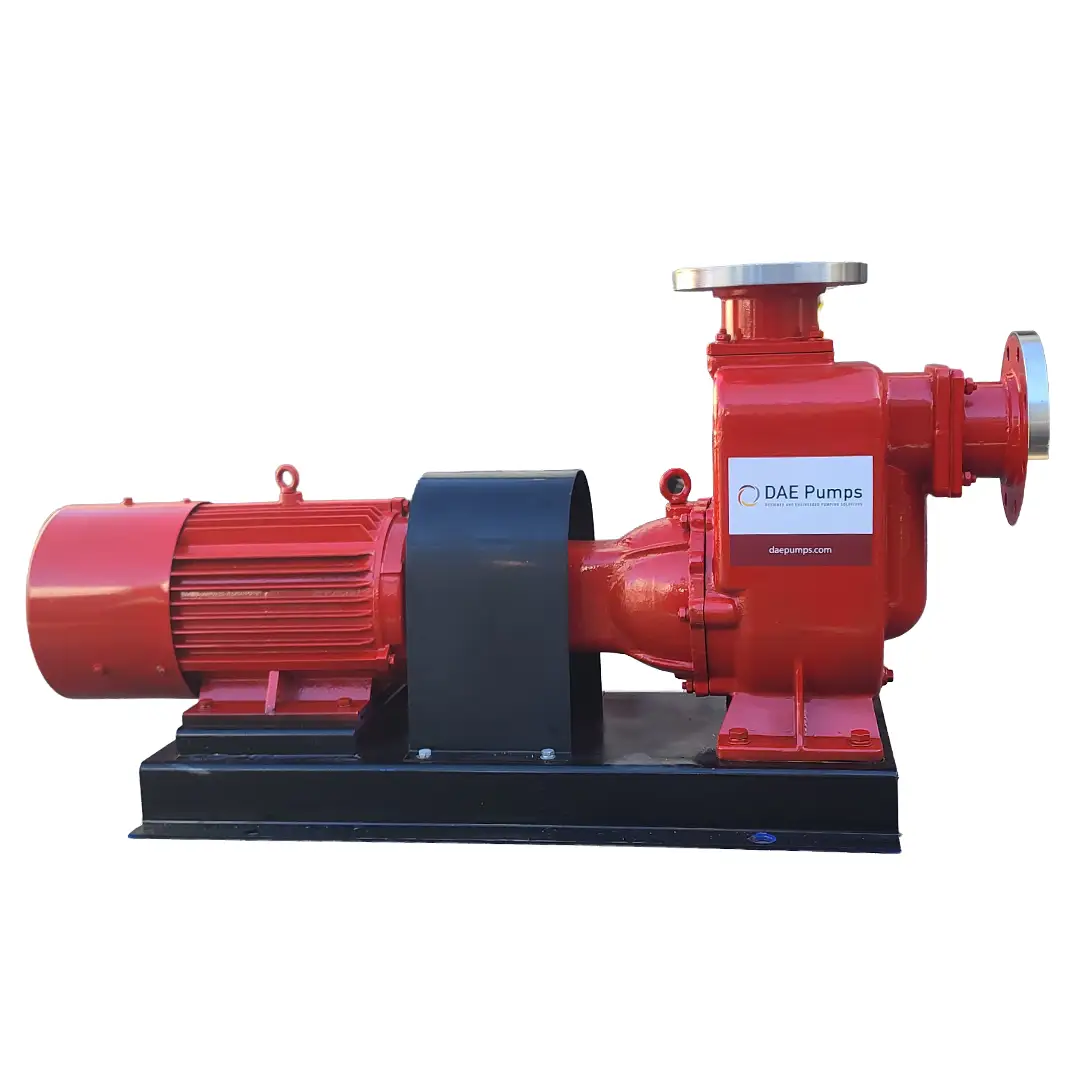
Radford 240 Self-Priming Sewage Pump
130 GPM
60 ft head
5.5 HP
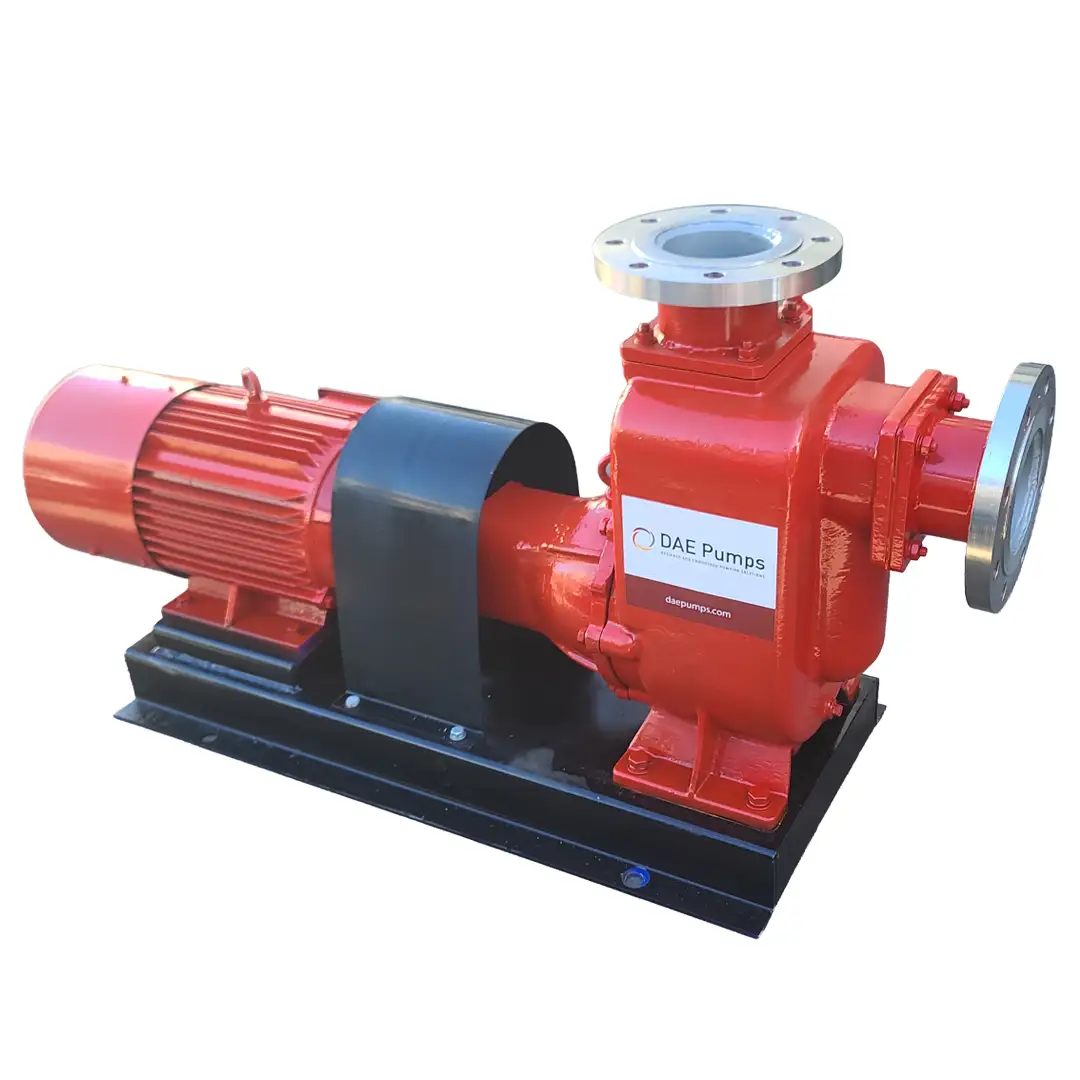
Radford 340 Self-Priming Sewage Pump
175 GPM
52 ft head
5.5 HP
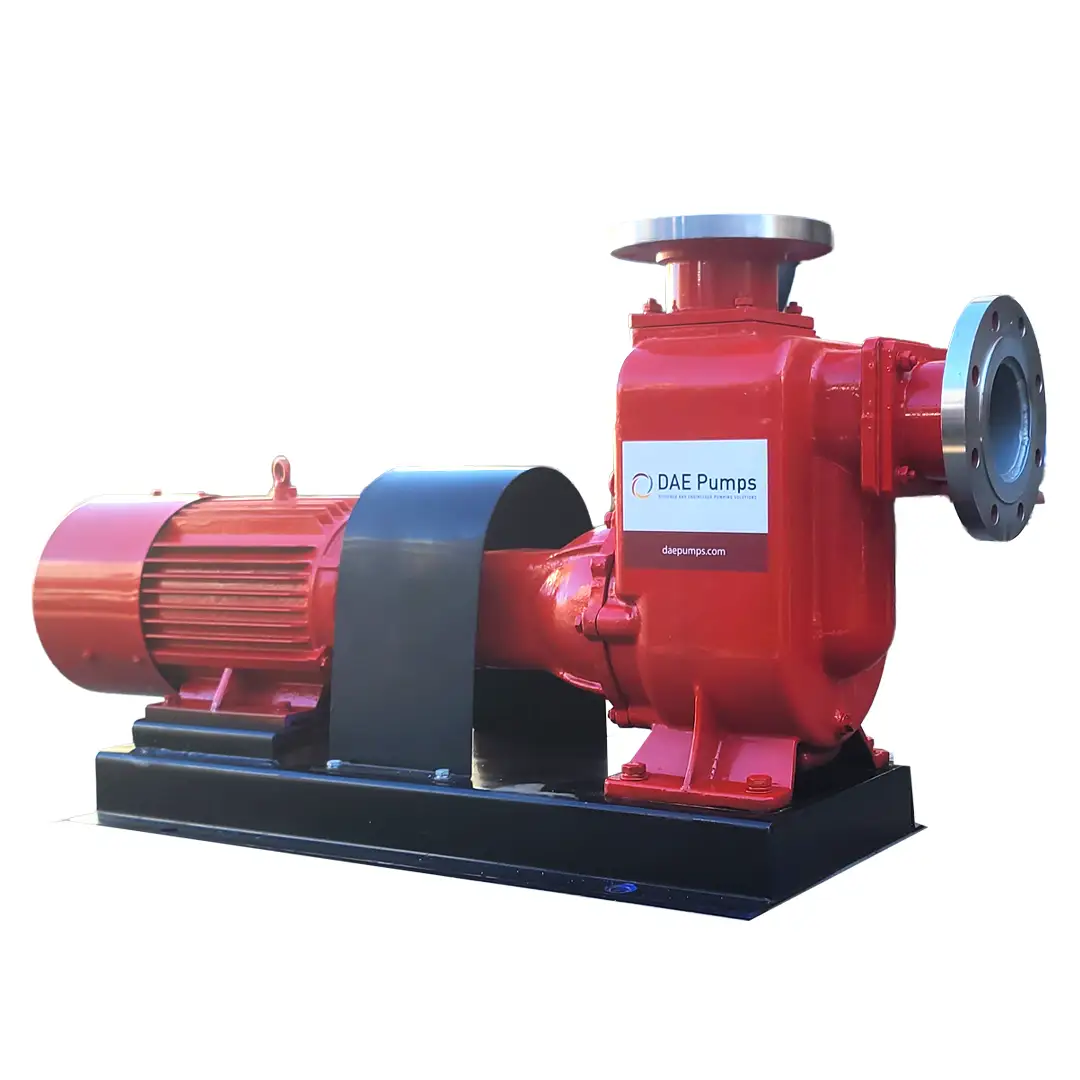
Radford 4180 Self-Priming Sewage Pump
440 GPM
49 ft head
10 HP
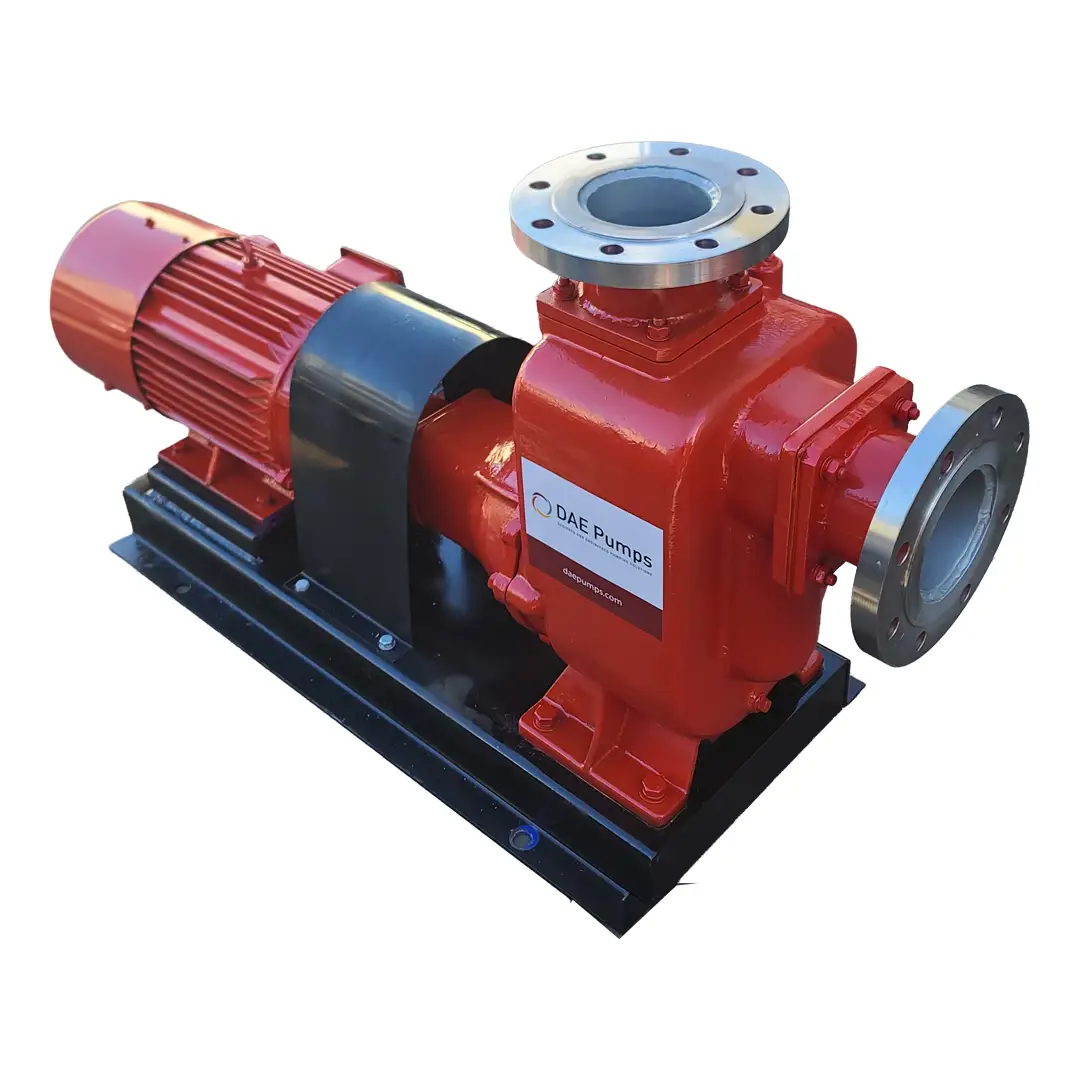
Radford 4880 Self-Priming Sewage Pump
350 GPM
65 ft head
10 HP
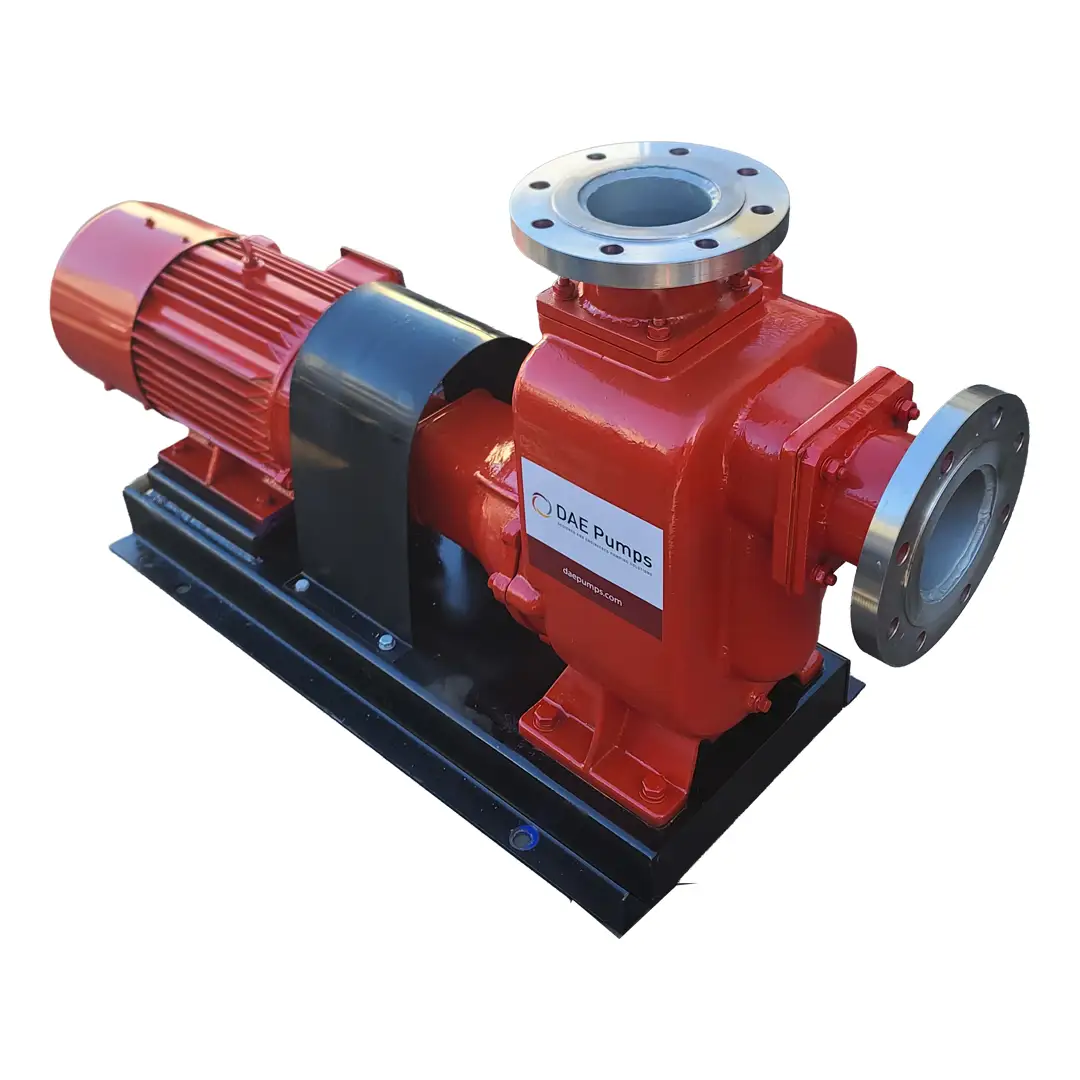
Radford 4110 Self-Priming Sewage Pump
440 GPM
65 ft head
15 HP
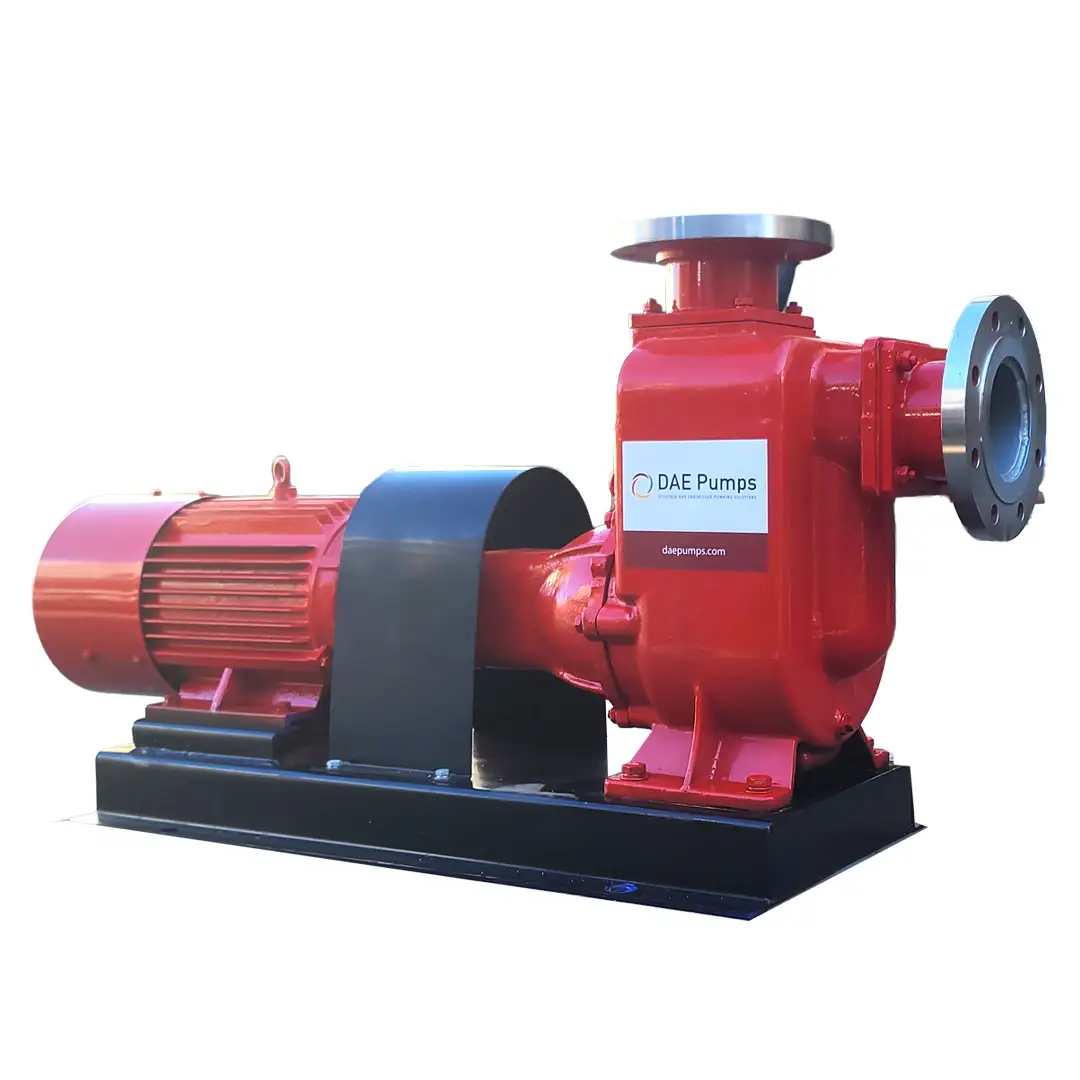
Radford 5150 Self-Priming Sewage Pump
530 GPM
65 ft head
20 HP
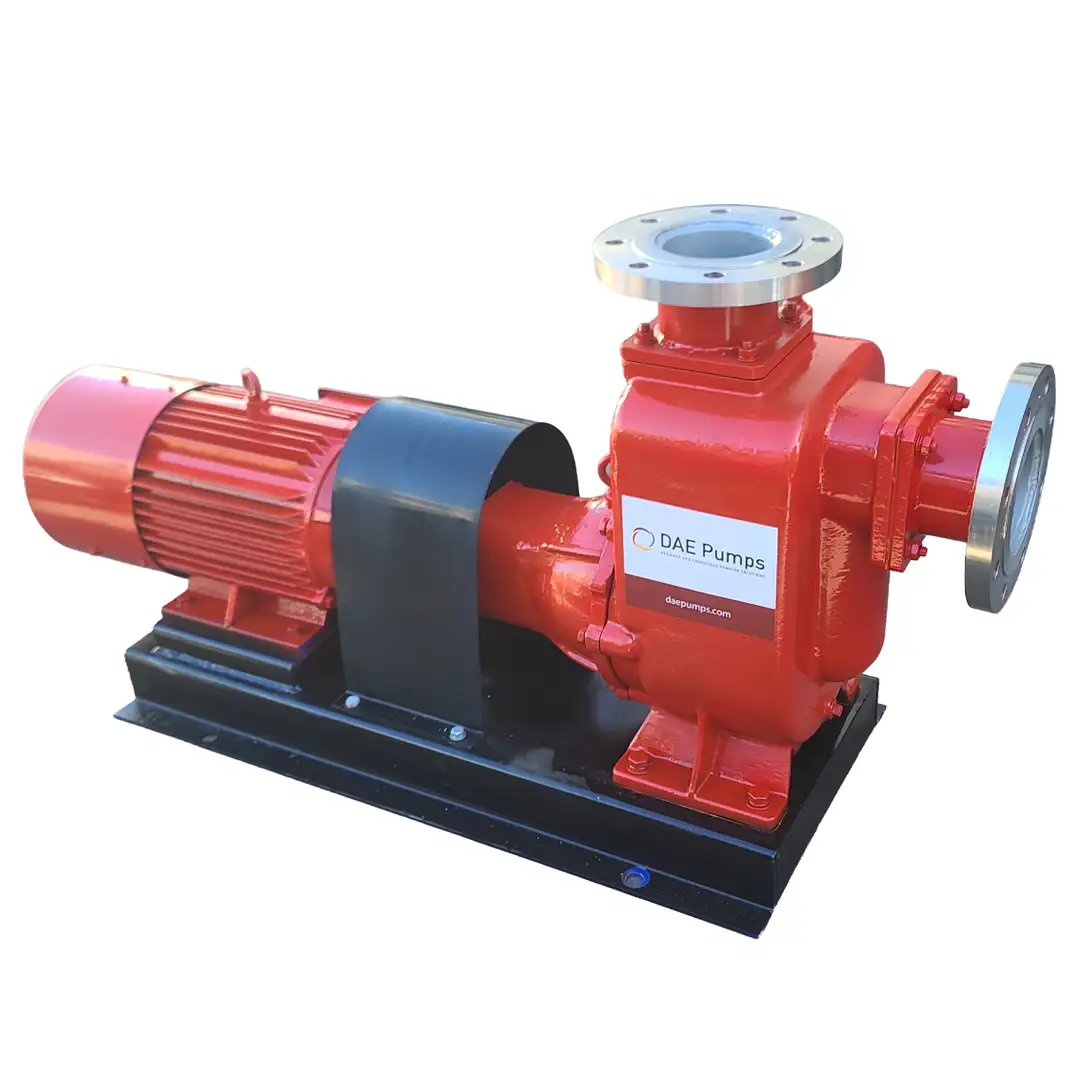
Radford 6150 Self-Priming Sewage Pump
790 GPM
45 ft head
20 HP
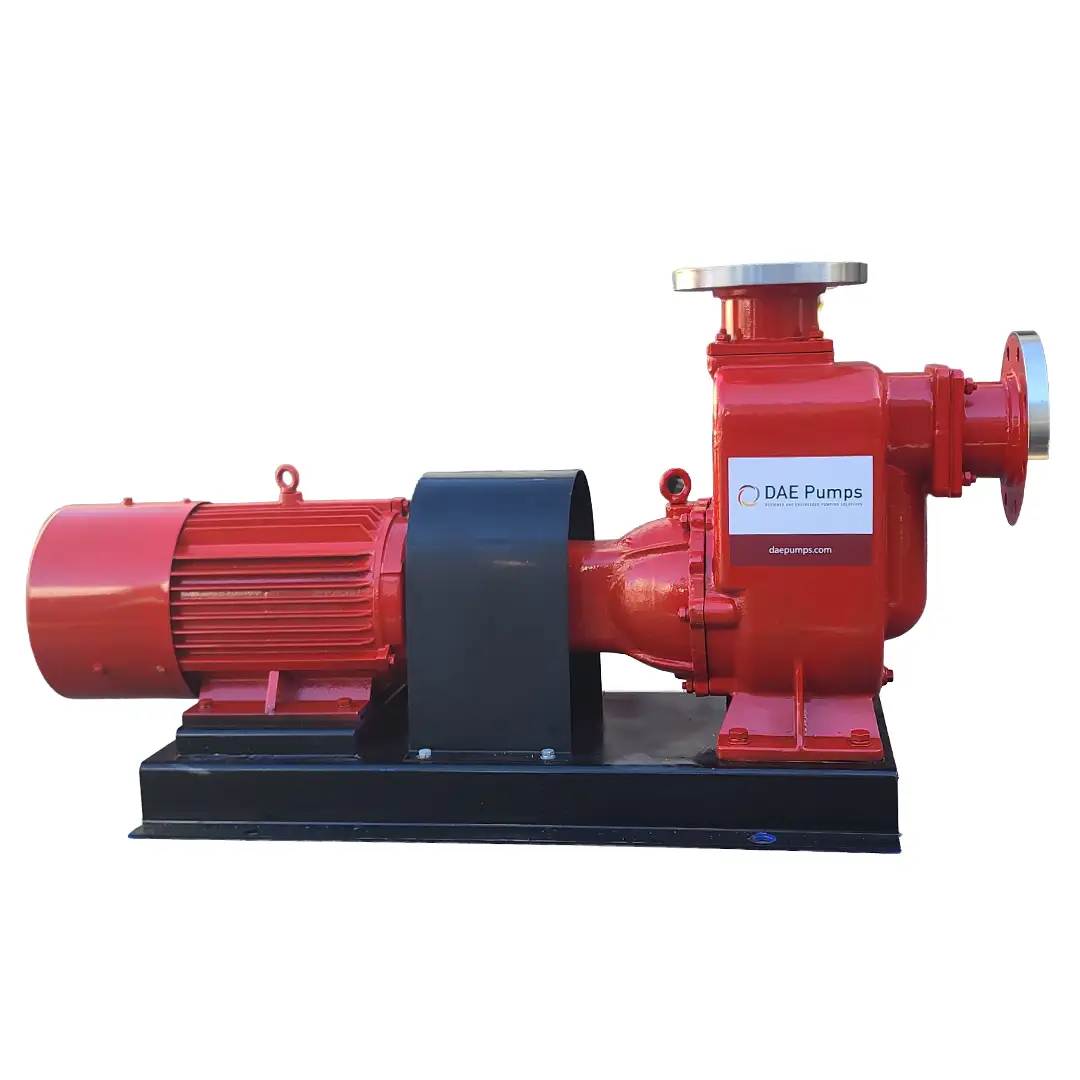
Radford 6220 Self-Priming Sewage Pump
790 GPM
40 ft head
30 HP
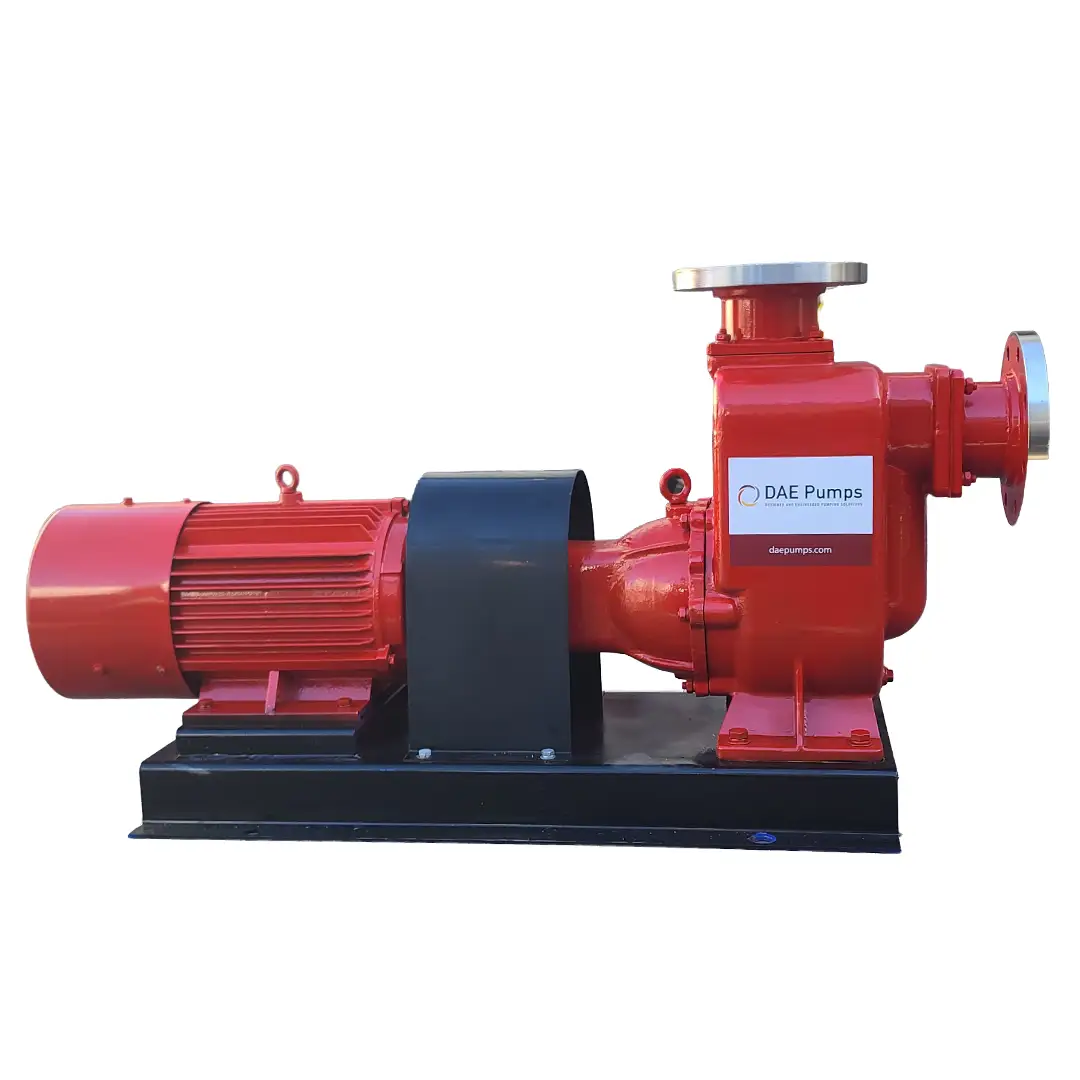
Radford 8220 Self-Priming Sewage Pump
1,230 GPM
45 ft head
30 HP
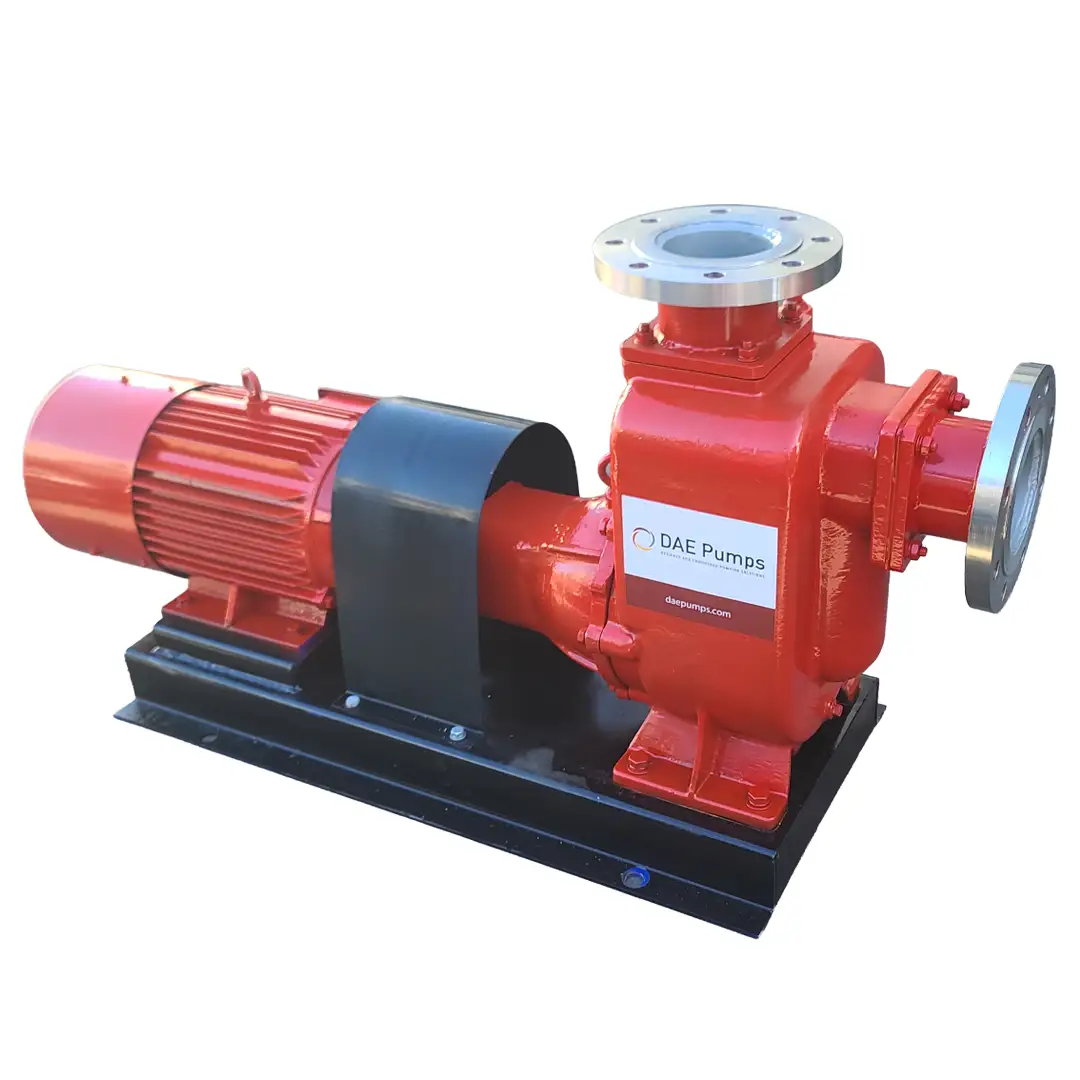
Radford 8550 Self-Priming Sewage Pump
1,230 GPM
92 ft head
75 HP
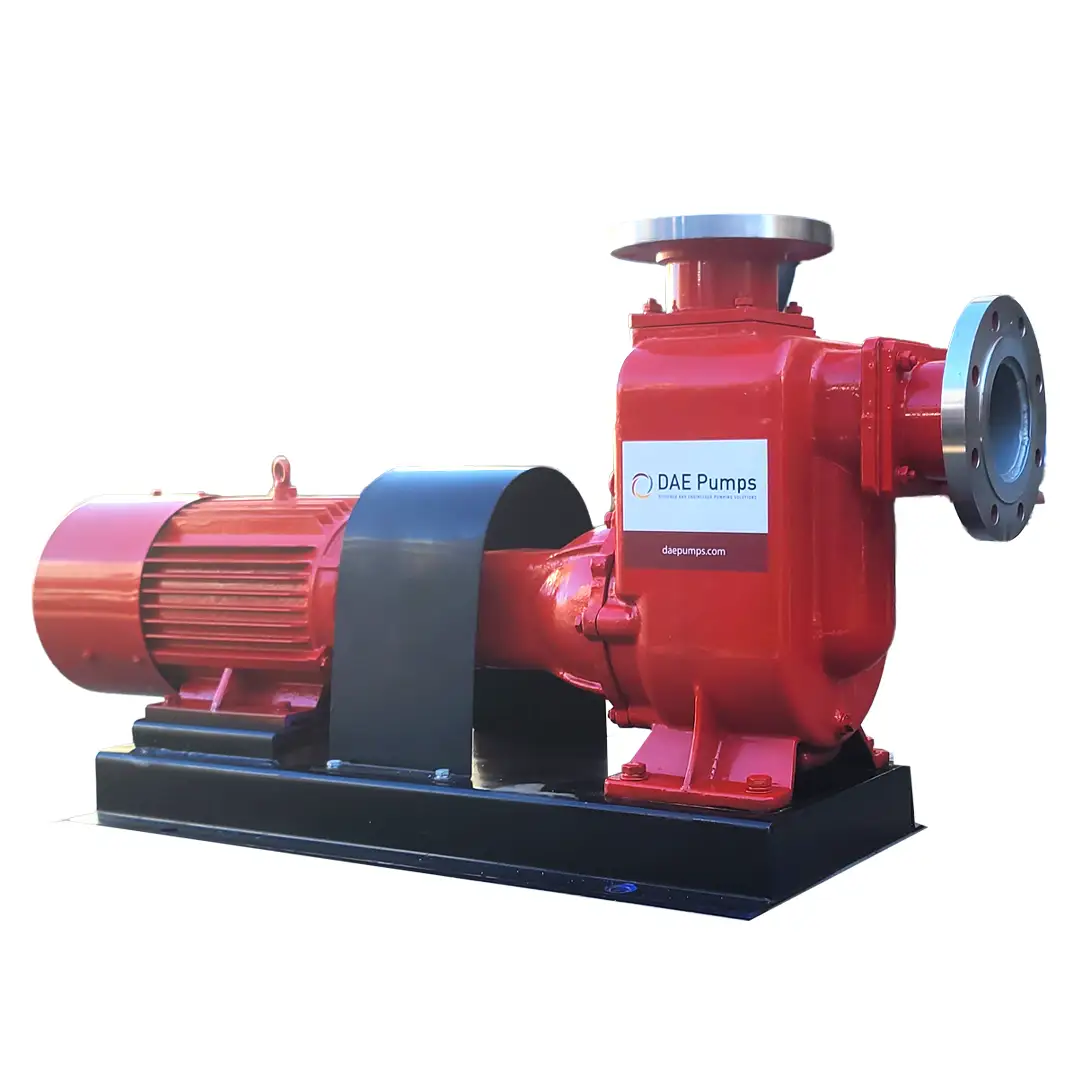
Radford 1050 Self-Priming Sewage Pump
1,850 GPM
65 ft head
75 HP
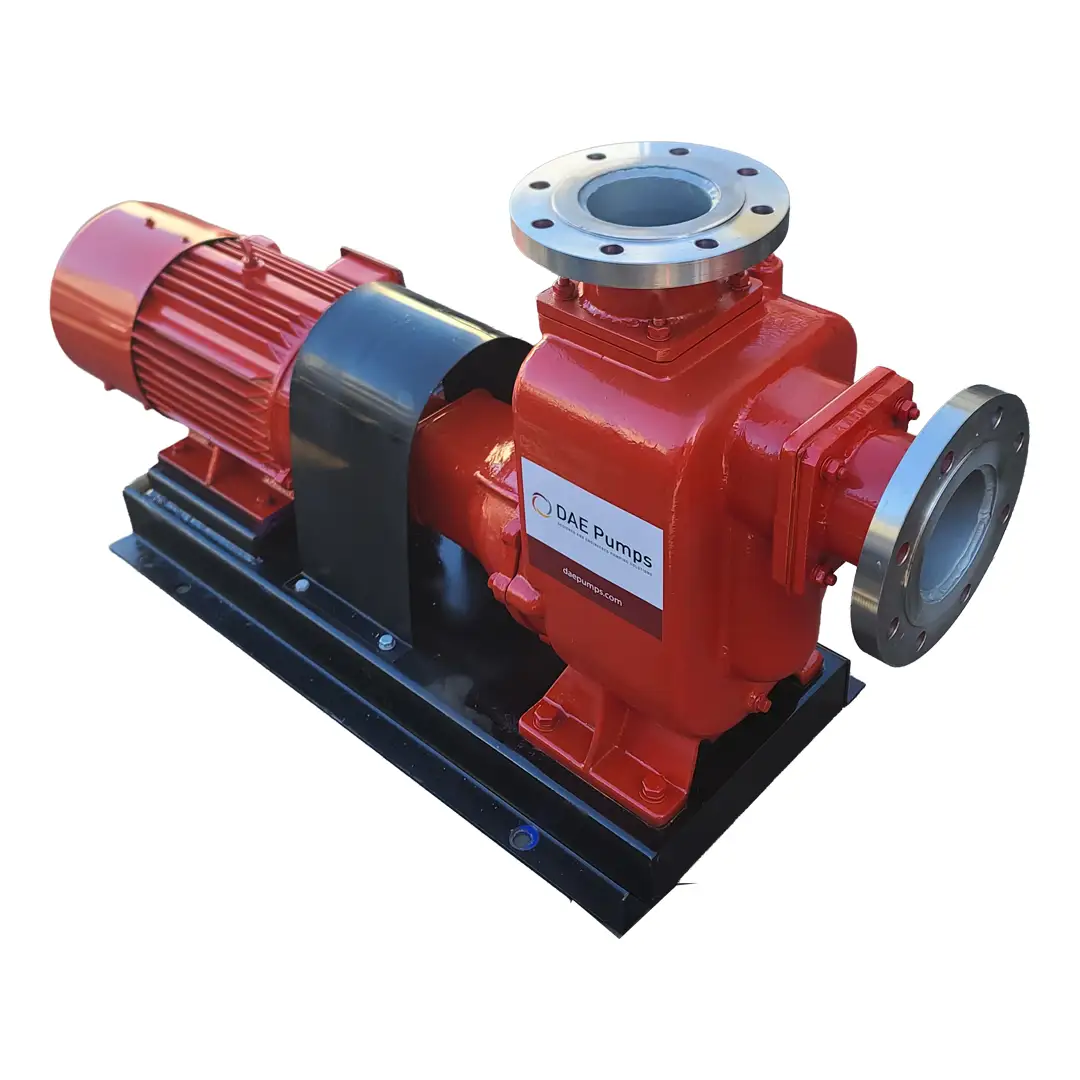
Radford 1250 Self-Priming Sewage Pump
3,520 GPM
45 ft head
75 HP
How a Self-Priming Pump Works
A self-priming pump removes air from the suction line so it can start pumping without a foot valve or manual water fill on every restart. After the initial prime, it retains enough liquid in the casing to re-prime itself automatically, which is what keeps it running through the intermittent, air-entraining conditions common in dewatering and sewage work.

Air Evacuation
The air separator and vacuum pump pull air out of the suction hose, even with several feet of suction lift.

Liquid Draw
As the air clears, atmospheric pressure pushes fluid up the suction line into the pump casing.

Priming
Retained casing liquid mixes with incoming flow so the pump primes and reaches full suction fast.

Continuous Suction
The semi-open impeller moves water, solids, and slurry while the pump re-primes itself on the fly.
Key components include the pump casing, semi-open or high-chrome impeller, mechanical seal, air separator, vacuum pump, and suction and discharge hoses. Because self-priming centrifugal pumps rely on atmospheric pressure to lift fluid, practical suction lift is generally limited to roughly 25 ft; Radford sewage models are rated for a self-priming height of about 15 to 18 ft.
Appalachian vs Radford: Which Self-Priming Pump Do You Need?
The Appalachian series is a versatile, heavy-duty surface pump for large-scale dewatering, flood control, and construction, built around high flow, rapid priming, and mobility. The Radford series is a self-priming sewage and industrial pump with strong non-clogging capability for contaminated liquids carrying solids and fibrous material.
| Category | Appalachian Surface Pumps | Radford Sewage Pumps |
|---|---|---|
| Primary Use | Heavy-duty dewatering, flood control, construction, mining, municipal bypass | Sewage handling, industrial wastewater, slurry, fibrous material, chemical mediums |
| Design Type | Surface-mounted self-priming pump with air separator and vacuum pump | Self-priming axial circumfluence outer-mix design for strong non-clogging performance |
| Solids Handling | Up to 3.5 in | Up to 0.27 in |
| Flow Capacity | Up to 8,600 GPM | 130 to 3,520 GPM |
| Head Capability | Up to 590 ft | 40 to 92 ft (standard sewage and industrial ranges) |
| Priming System | Rapid automatic priming, even with high suction lift | Automatic self-priming without foot valve or water fill |
| Engine / Power | Diesel engine up to 500 HP | Class F electric motors with thermal protection |
| Materials | CF3M semi-open impeller, rugged frames, vibration-isolated mounts | High-chrome (55 HRC) impellers, corrosion-resistant aluminum alloy, enhanced cooling |
| Installation | Trailer, skid, open frame, sound-attenuated | Stationary or semi-portable for municipal and industrial plants |
| Best For | High-volume, high-head, mobile pumping | Continuous-duty sewage and process wastewater |
Where Self-Priming Pumps Are Used
From mine dewatering to sewage bypass, DAE Pumps self-priming pumps handle temporary, mobile, and continuous-duty work across industries. Use these application profiles to identify the right series and size.
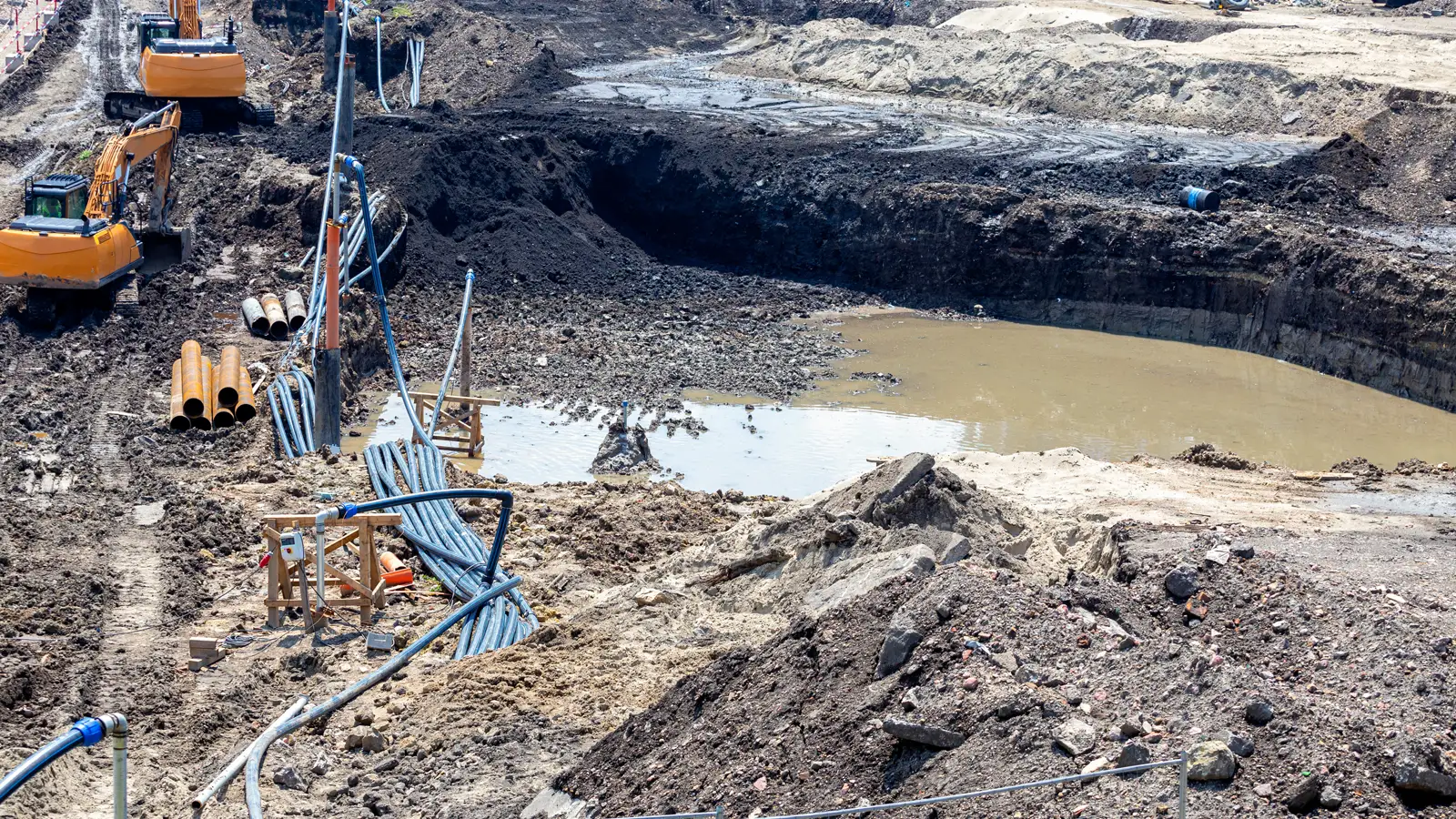
Construction & Site Dewatering
BEST: APPALACHIAN
Remove groundwater, floodwater, and sump water from excavations, pits, and foundations so crews keep working.
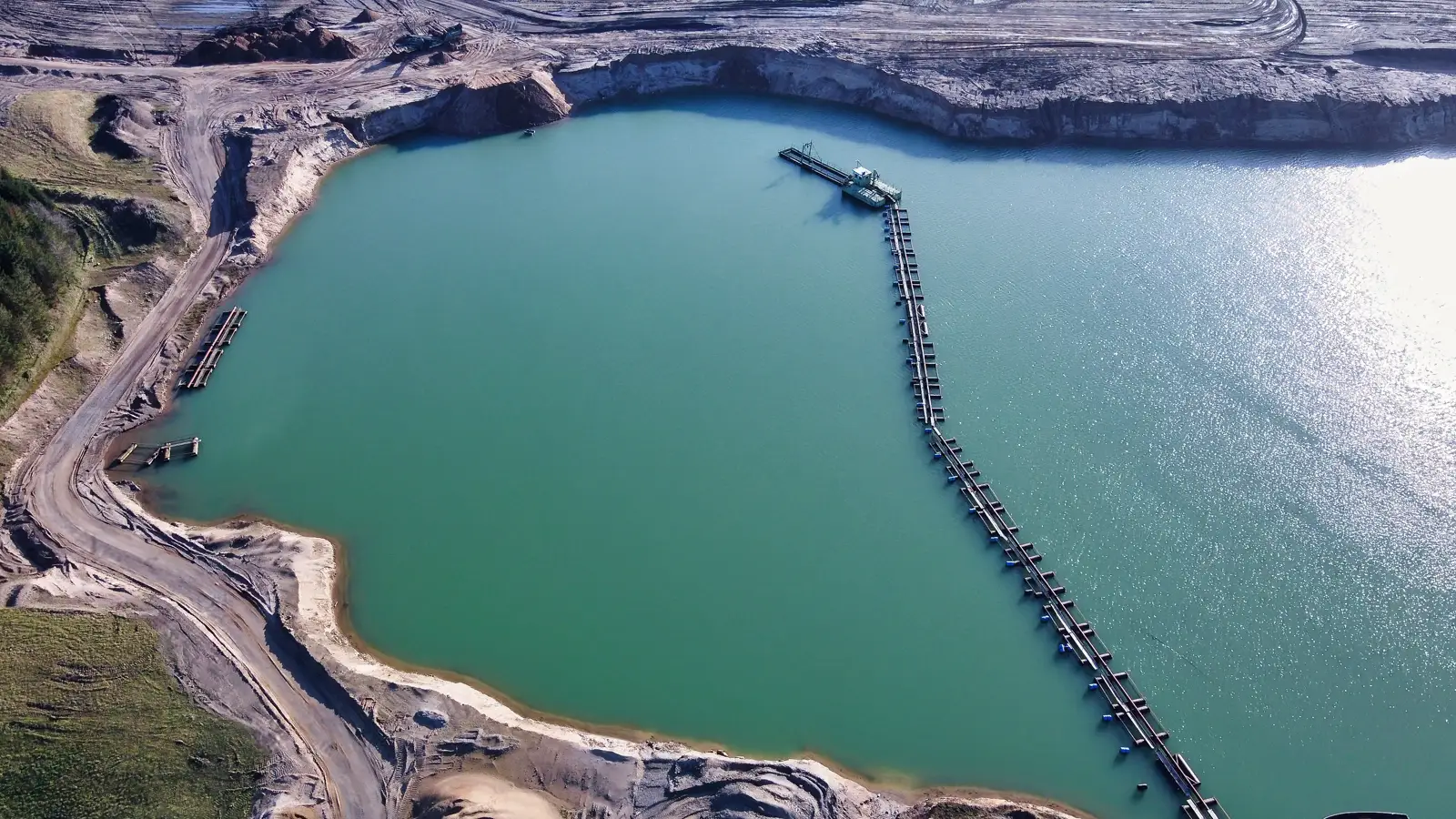
Mining & Quarry Dewatering
BEST: APPALACHIAN
Solids-handling dewatering, water relaunching, washplants, and silt or sludge removal in mines and quarries.
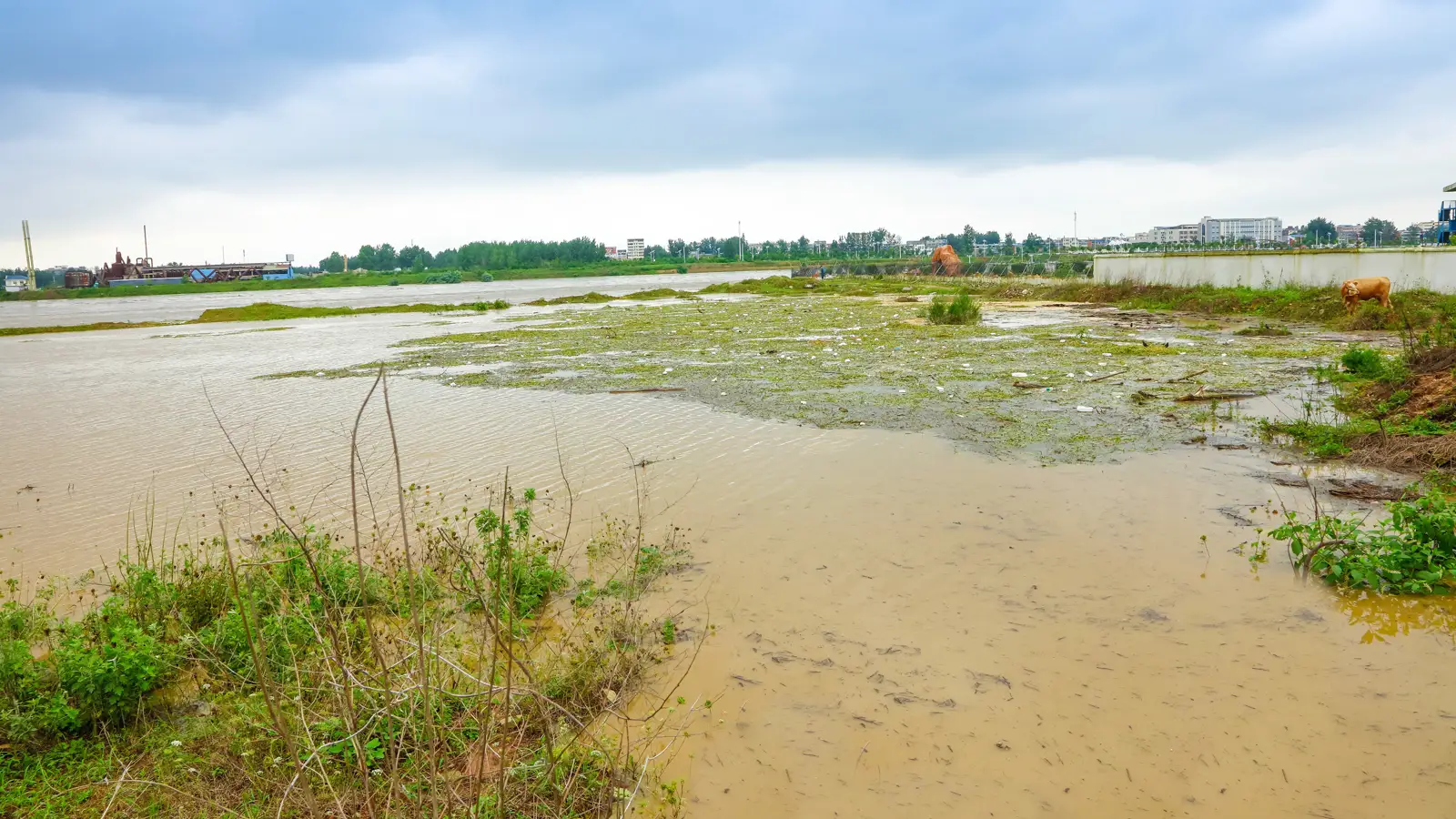
Flood Control & Emergency
BEST: APPALACHIAN
Portable, high-volume response for storm water, river overflow, and flood emergencies where speed matters.
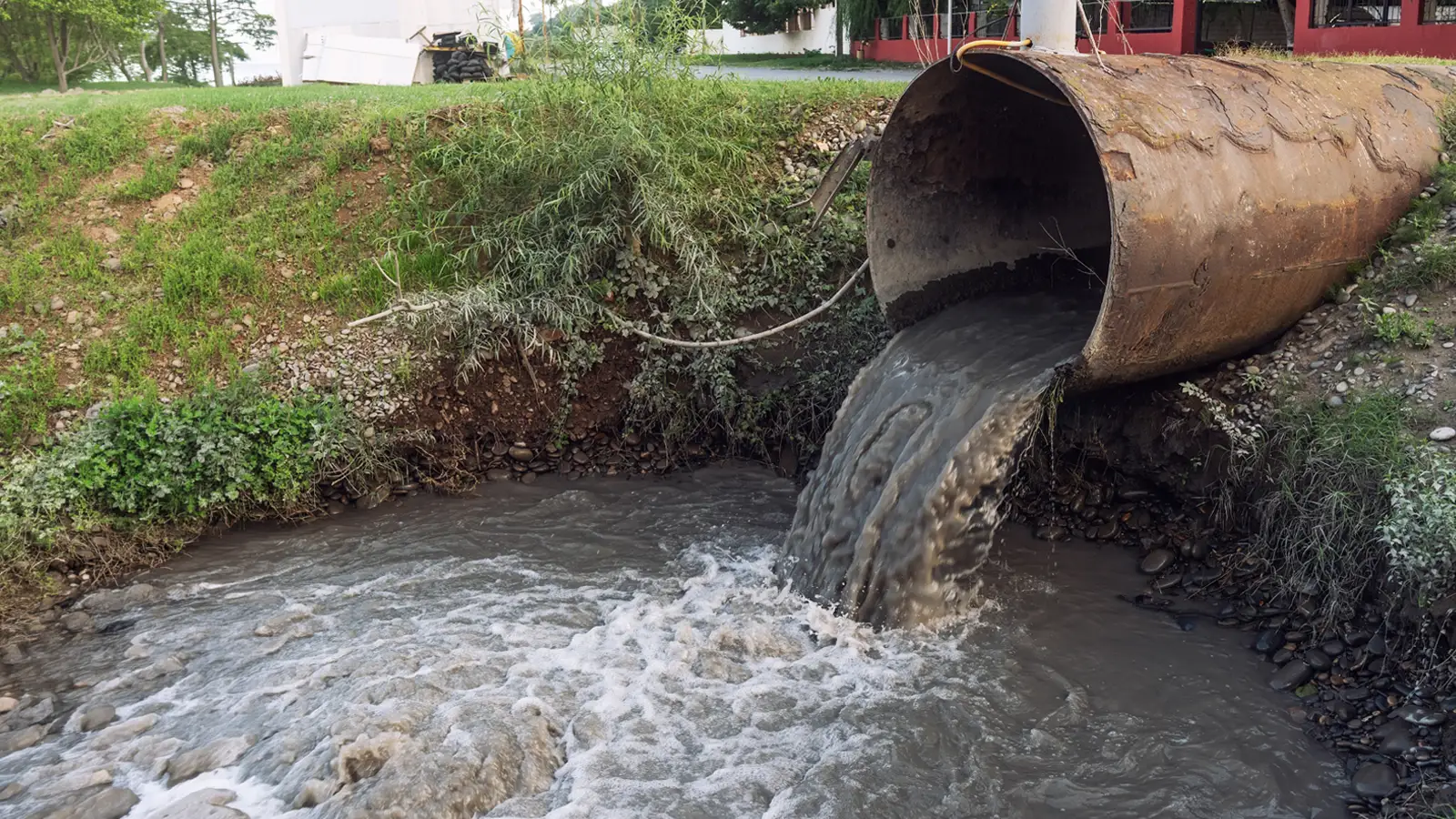
Sewage & Wastewater Bypass
BEST: RADFORD
Non-clogging transfer of municipal sewage, plant wastewater, and fibrous suspensions during bypass and treatment.
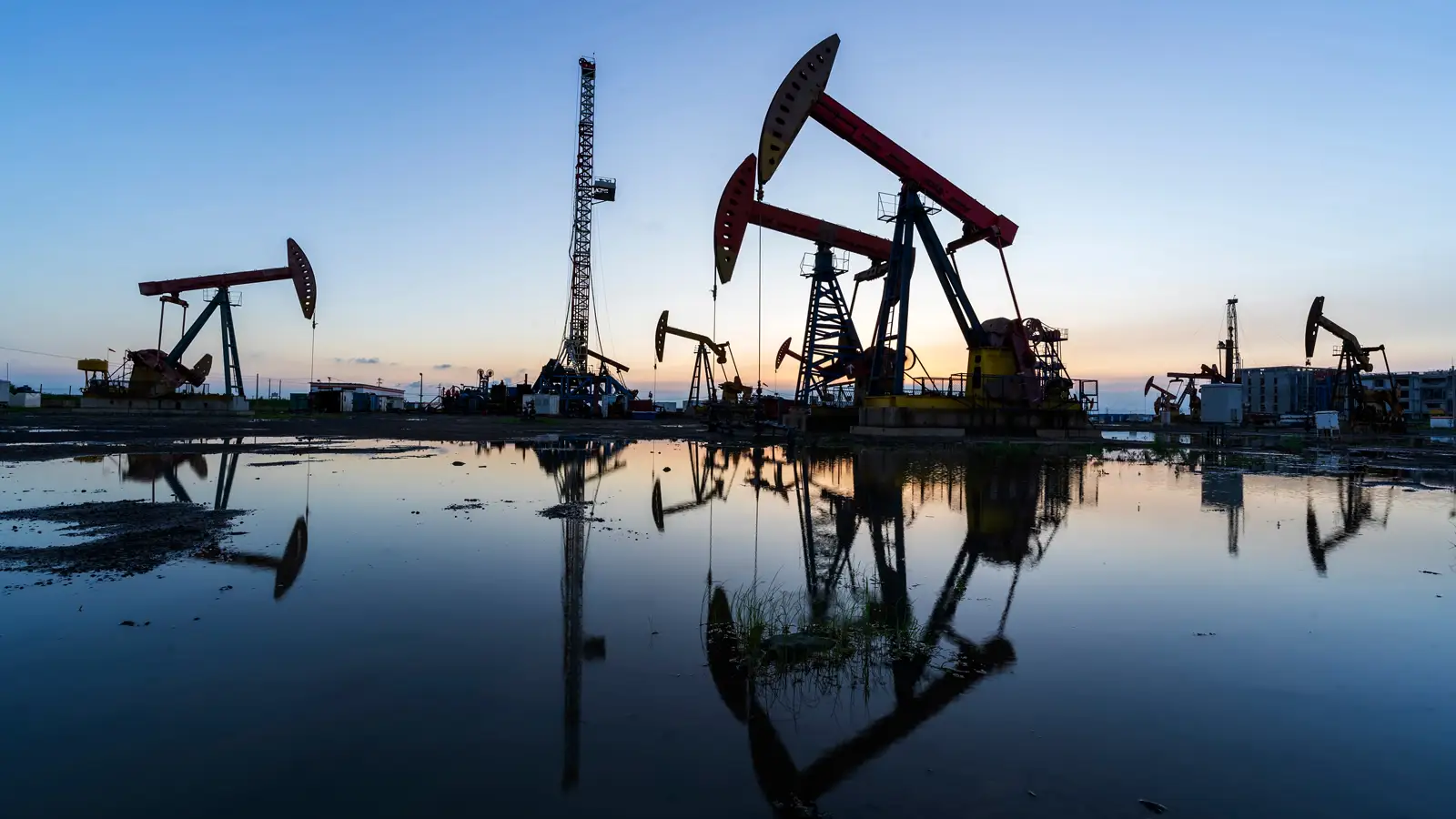
Oil & Gas
BOTH SERIES
Ballasting, pipeline hydrostatic testing, drilling, and pipeline flushing with robust, high-performance pumps.
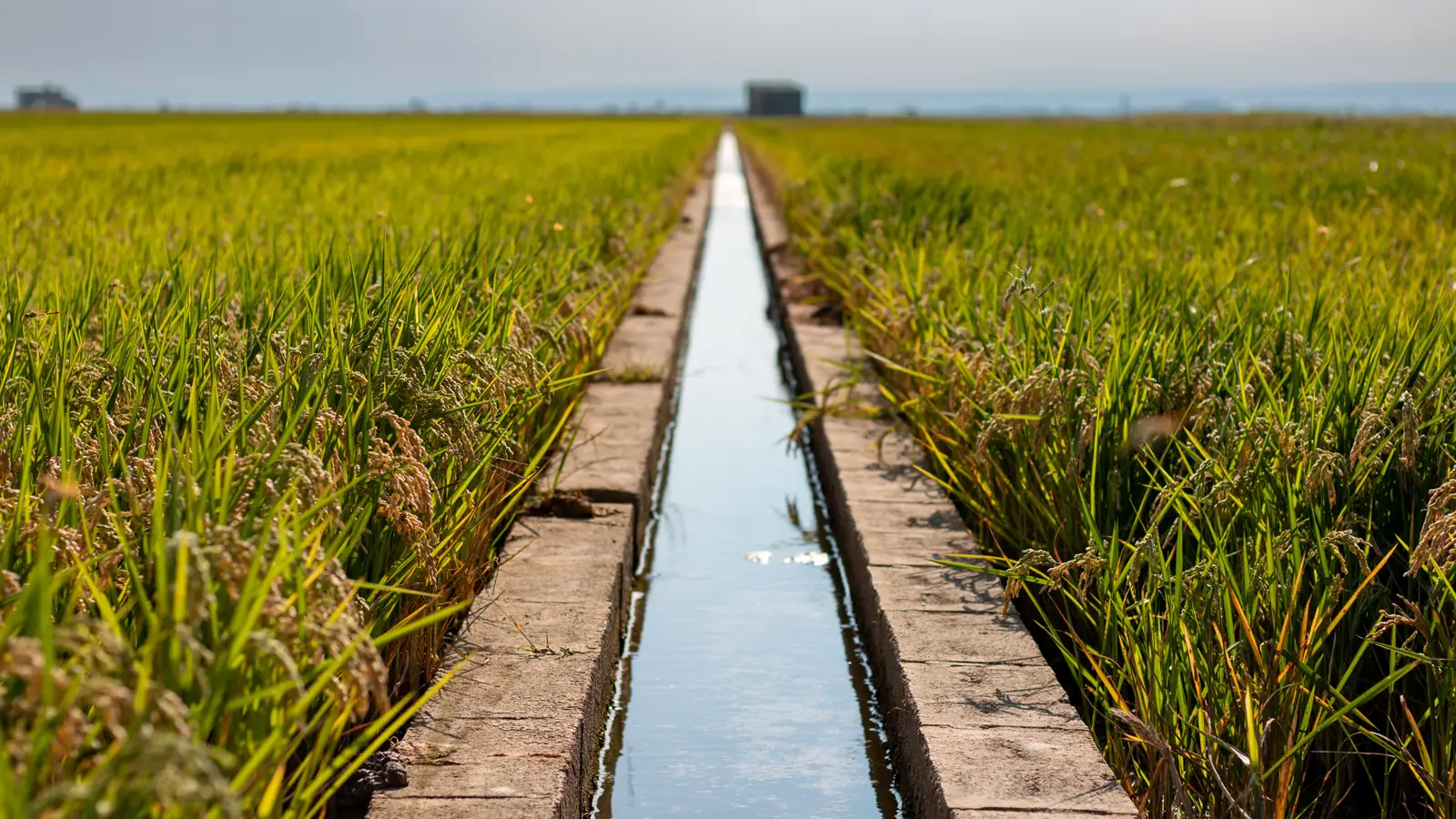
Agriculture & Irrigation
BEST: APPALACHIAN
Farm irrigation pump systems that draw from canals and distribute to sprinklers, easily moved between fields.
Industries We Serve
How to Choose the Right Self-Priming Pump
Match the pump to your fluid before you request pricing. These factors narrow the series and size and are exactly what our engineers use to build a free custom pump curve.
| Selection Factor | What to Confirm | Why It Matters |
|---|---|---|
| Fluid type | Clean or dirty water, sludge, sewage, slurry, or chemical medium | Sewage and fibrous fluids point to Radford; general dewatering points to Appalachian. |
| Total flow (GPM) | The volume you need to move per minute | Sets the model size within the series. |
| Required head (ft) | Vertical lift plus friction loss across the discharge run | Determines low, medium, or high head Appalachian, or Radford head range. |
| Solids content | Largest solid size and concentration in the fluid | Appalachian handles up to 3.5 in; Radford up to 0.27 in fibrous solids. |
| Suction lift | Vertical distance from pump to fluid surface | Confirms self-priming feasibility; centrifugal lift is generally limited near 25 ft. |
| Drive & mounting | Diesel or electric; trailer, skid, open frame, or sound-attenuated | Matches site access, mobility, noise limits, and power availability. |
Why DAE Pumps Self-Priming Pumps

Automatic Priming
Air separator and vacuum pump re-prime the pump on the fly, even with high suction lift and entrained air.

Dry-Run Capability
Built to survive the intermittent, run-dry conditions that wreck standard centrifugal pumps in dewatering.

Solids Handling
Semi-open Appalachian impellers pass solids up to 3.5 in; high-chrome Radford impellers resist abrasive sewage.

High Head & Flow
Appalachian models reach 590 ft of head and 8,600 GPM for the most demanding lifts and volumes.

Wear-Resistant Materials
CF3M impellers and stainless shafts on Appalachian; 55 HRC high-chrome impellers and corrosion-resistant alloy on Radford.

Remote Monitoring
FleetLink lets you monitor Appalachian machines from anywhere; digital controllers add warnings and safe shutdowns.
Maintenance and Repair
Both series are built for challenging conditions, and planned maintenance keeps them running and extends service life. Each line has its own advantages, with shared best practices for both.
Appalachian Series
- Easy-access components for quick inspection and part changes
- Rugged construction for frequent relocation and field use
- Semi-open impeller reduces clogging and simplifies cleaning
Radford Series
- High-chrome impellers resist abrasion in sewage and slurry
- Corrosion-resistant alloy casing extends life in harsh fluids
- Continuous-cooling motor design supports long operating cycles
Both Series
- Routine checks of impellers, seals, and suction channels
- Early identification of wear to prevent major failures
- Prompt replacement of worn parts to maintain efficiency
What to Send DAE Pumps for Pump Sizing
To size the right self-priming pump quickly, send the following project information:
- Fluid type and description (clean or dirty water, sludge, sewage, slurry, or chemical medium)
- Largest solid size and solids concentration
- Required flow rate in GPM and total head in feet (or discharge distance and elevation change)
- Suction lift, or vertical distance from the pump to the fluid surface
- Application: dewatering, sewage bypass, flood control, mining, construction, irrigation, or industrial transfer
- Drive preference (diesel or electric) and mounting (trailer, skid, open frame, or sound-attenuated)
- Site conditions, duty cycle, and any remote monitoring or accessory requirements
Self-Priming Pump FAQs
What is a self-priming pump?
A self-priming pump is a centrifugal pump that can evacuate air from its suction line and start pumping without a foot valve or manual water fill on each restart. After the first prime, it retains liquid in the casing and re-primes itself automatically.
How does a self-priming pump work?
It uses retained casing liquid, and on Appalachian models, an air separator and vacuum pump, to remove air from the suction hose. As the air clears, atmospheric pressure pushes fluid up into the pump so it primes and reaches full suction.
What is the difference between a self-priming pump and a standard centrifugal pump?
A standard centrifugal pump must stay full of liquid and loses prime when air enters the suction line. A self-priming pump recovers on its own, which is essential for intermittent dewatering and sewage work where air is common.
How high can a self-priming pump lift water?
Suction lift depends on atmospheric pressure and is generally limited to roughly 25 ft for self-priming centrifugal pumps. Radford sewage models are rated for a self-priming height of about 15 to 18 ft.
Can self-priming pumps run dry?
DAE Pumps self-priming pumps are built for the intermittent, run-dry conditions common in dewatering, and Appalachian models include dry-running capability.
Are self-priming pumps good for wastewater and sewage?
Yes. The Radford series is engineered specifically for sewage, wastewater, and fibrous suspensions with a non-clogging axial circumfluence design and high-chrome impellers.
Can self-priming pumps handle solids?
Yes. Appalachian surface pumps pass solids up to 3.5 in with semi-open impellers; Radford sewage pumps handle fibrous solids up to 0.27 in.
What is the maximum suction depth or self-priming height?
Radford models list a self-priming height of about 15 to 18 ft. Appalachian models prime rapidly even with high suction lift.
How do I size a self-priming pump?
Match total flow (GPM), required head (ft), fluid and solids content, suction lift, and drive or mounting preference. Send these to DAE Pumps for a free custom pump curve that identifies the most efficient model.
What is the best self-priming pump for construction dewatering?
The Appalachian surface pump series is built for construction and site dewatering, from the compact 44-49C at 1,470 GPM up to the 108-500C at 8,600 GPM and 590 ft of head.
What liquids can self-priming pumps handle?
Clean and dirty water, sludge, slurry, sewage, fibrous suspensions, and chemical media, depending on the series. Radford handles fluids up to 9.18 lb/gal density and pH 5 to 8.
Can self-priming pumps operate continuously?
Yes. Radford motors use all-round cooling for long operating cycles, and self-priming centrifugal pumps make excellent process pumps that repeat the same duty with minimal maintenance.
How often should self-priming pumps be serviced?
Follow a routine schedule: check impellers, seals, and suction channels, identify wear early, and replace worn parts promptly.
What is a vacuum-assisted self-priming pump?
It is a self-priming pump that adds an air separator and vacuum pump to speed air removal and priming, as used on the Appalachian surface pump series.
Should I choose a diesel or electric self-priming pump?
Appalachian surface pumps use diesel engines up to 500 HP for mobile, off-grid work. Radford sewage pumps use Class F electric motors with thermal protection for fixed plant duty.
What accessories are available for self-priming pumps?
Slurry hoses, wireless ultrasonic flow meters, hydraulic power units, hose and pipe floats, variable frequency drives, and generators, all stocked for fast shipping.
Contact Us Today
For help selecting the right self-priming pump, hose, or accessory for your application, call us or request a quote. Our team will size the pump and build a free custom pump curve for your project.