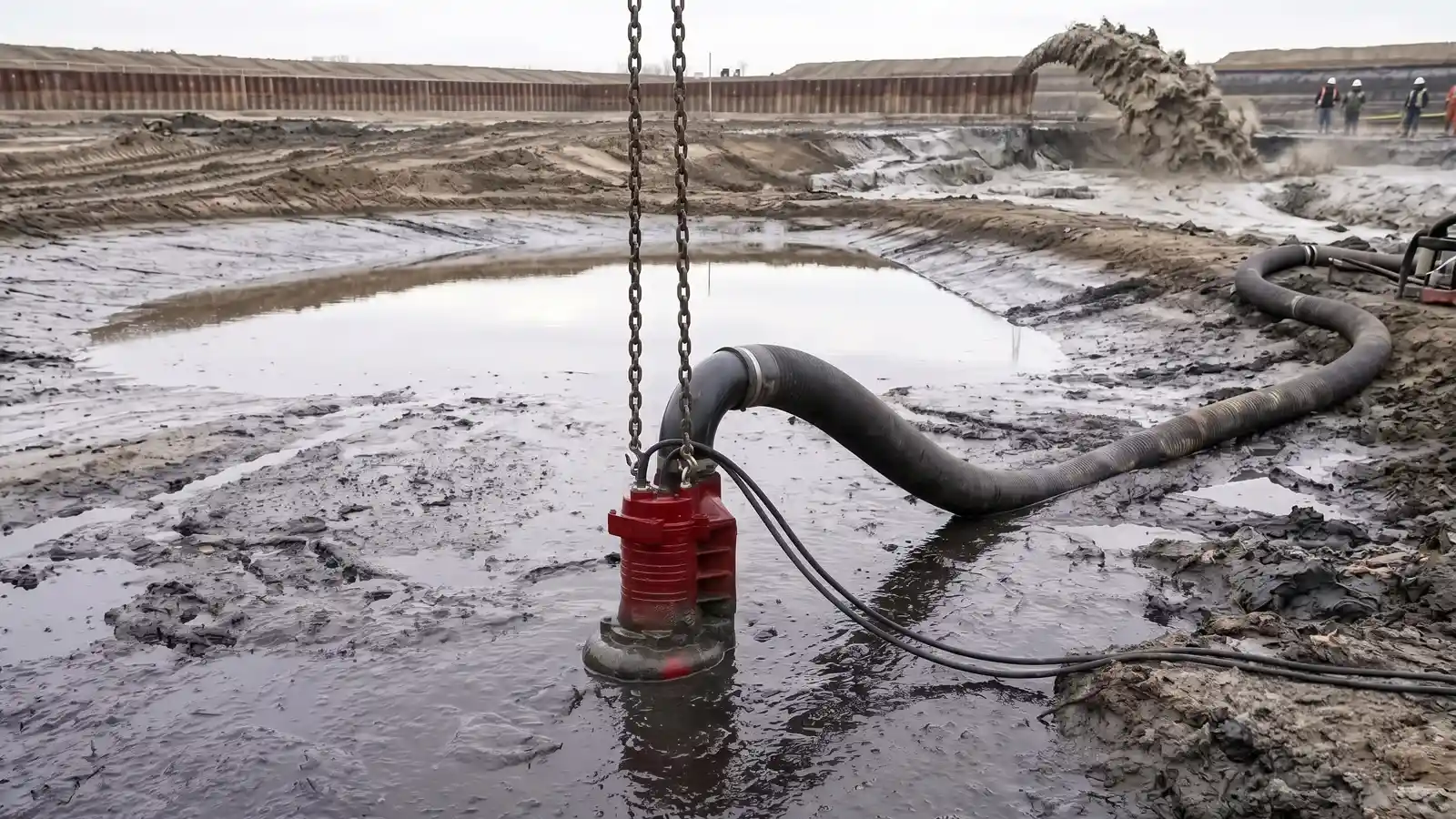
INDUSTRIES & PUMP APPLICATIONS
Industrial Pump
Applications
DAE Pumps supports industrial pump applications for water, slurry and sediment. Start with your material and site requirements, then build the pump, power and discharge system around them.
Mining · Construction · Municipal · Agriculture · Industrial
PUMP RANGES
Pump Range by Application
Choose your application to filter the pump ranges, then review the model curve, solids capacity, and installation requirements.
SUBMERSIBLE · ELECTRIC
Remove clean and dirty water from pits, sumps, excavations and construction sites.
SUBMERSIBLE · ELECTRIC
Handle abrasive mixtures of water and solids in mining, quarrying and settling-pond work.
SUBMERSIBLE · ELECTRIC
An electric dredge-pump configuration for sand and solids transfer, with excavator or cable-supported deployment.
SUBMERSIBLE · ELECTRIC
An electric drainage range for site dewatering and water transfer.
SUBMERSIBLE · HYDRAULIC
Compact hydraulic submersible pumps for water, sludge and slurry duties where a hydraulic power source fits the installation.
SUBMERSIBLE · HYDRAULIC
Hydraulic sand and slurry pumping for dredging and material recovery, with excavator or cable deployment.
DREDGE · CABLE-DEPLOYED
Low-maintenance, large-volume pumps for waterways and barge unloading.
DREDGE · EXCAVATOR-MOUNTED
Attach a hydraulic or electric pump to the excavator boom for small- to medium-scale projects.
DREDGE · PONTOON
Compact mini dredges for lagoons, basins and ponds, operated remotely by one person.
DREDGE · DIVER-OPERATED
Reach confined spaces such as water intakes, wet wells, tanks and cooling towers.
SELF-PRIMING · SURFACE
Self-priming surface pumps for dewatering, flood control and construction, on a trailer or skid.
SELF-PRIMING · SEWAGE
Self-priming pumps for sewage, wastewater and fibrous solids.
FLOODED SUCTION · HORIZONTAL
Horizontal flooded-suction pumps for moving slurry and liquid from tanks and hoppers, with easy maintenance.
FLOODED SUCTION · VERTICAL
Vertical flooded-suction pumps for installations with limited space.
FLOODED SUCTION
Flooded-suction centrifugal pumps that gravity-feed slurry and liquid from tanks and hoppers.
FIND YOUR WORKING ENVIRONMENT
Pump Applications
by Industry
Common applications of pumps include irrigation, dewatering, slurry transfer, sewage handling and sediment removal. Explore the uses of pumps by industry to match equipment to your working conditions.
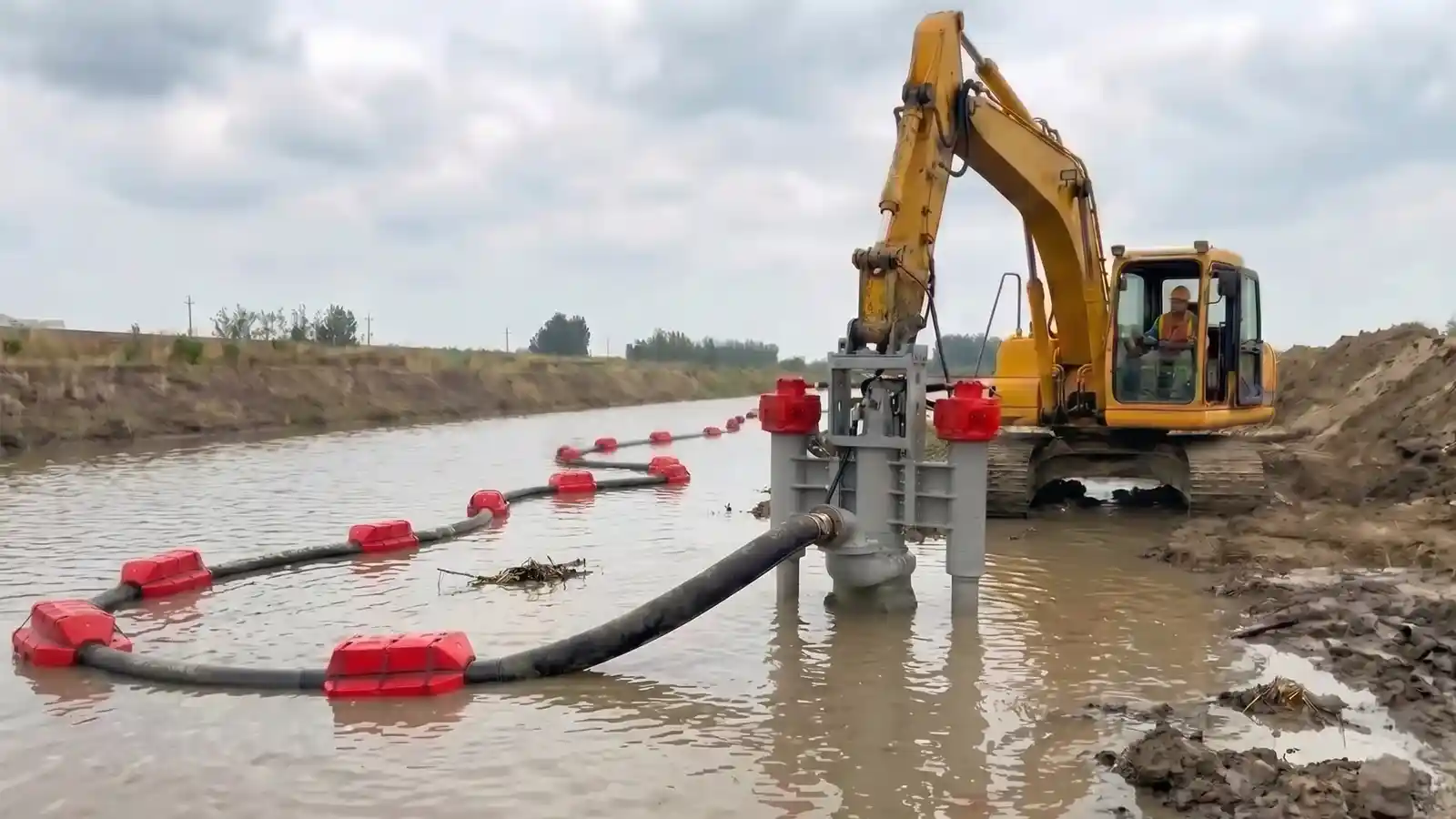
01 / INDUSTRY
Sediment removal in ponds, waterways and working sites. Plan recovery and material placement together.
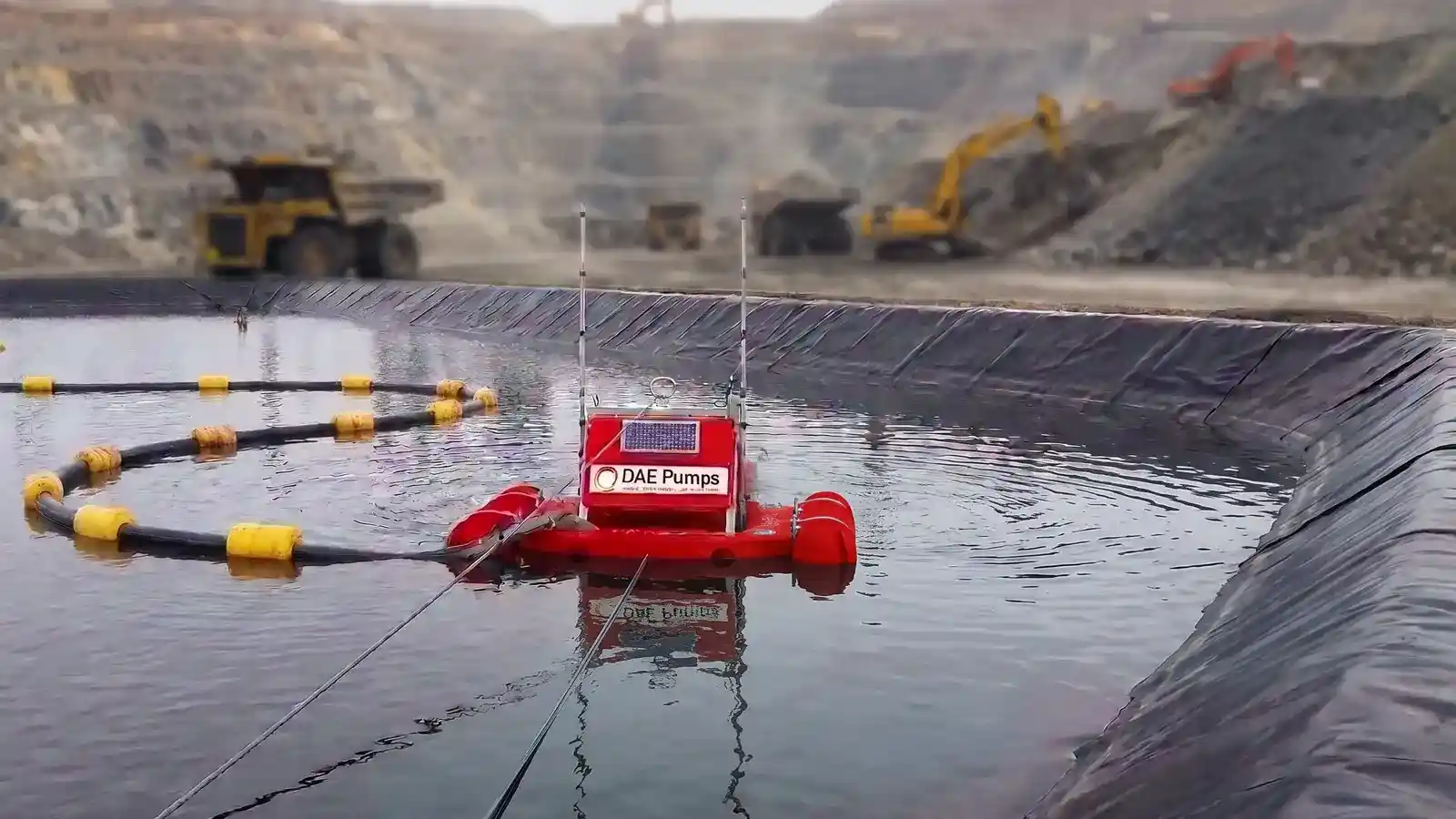
02 / INDUSTRY
Tailings, mineral slurry and mine water. Plan for abrasive material and changing site conditions.
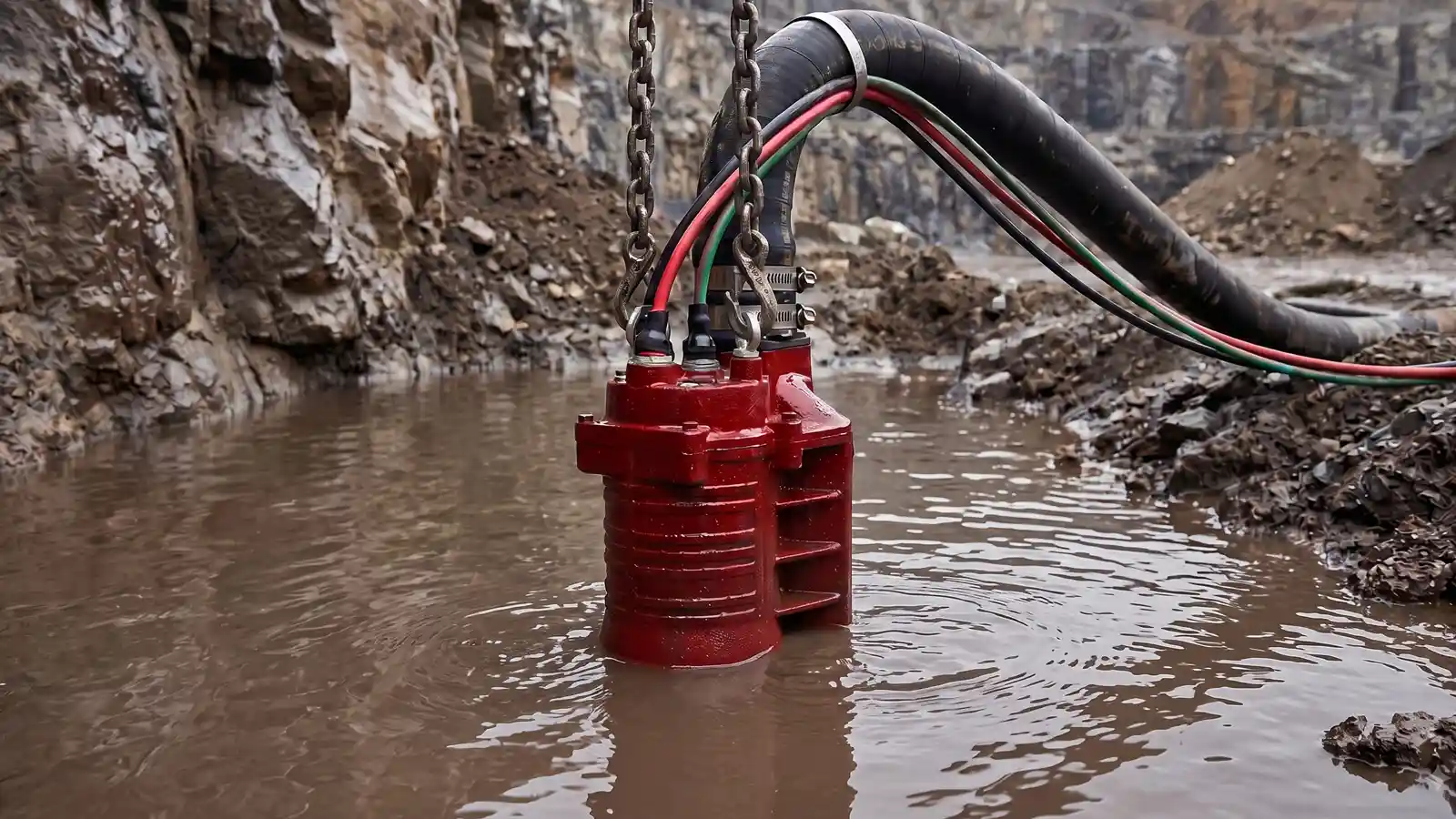
03 / INDUSTRY
Excavations, groundwater and stormwater. Keep the source, site access and discharge route connected.
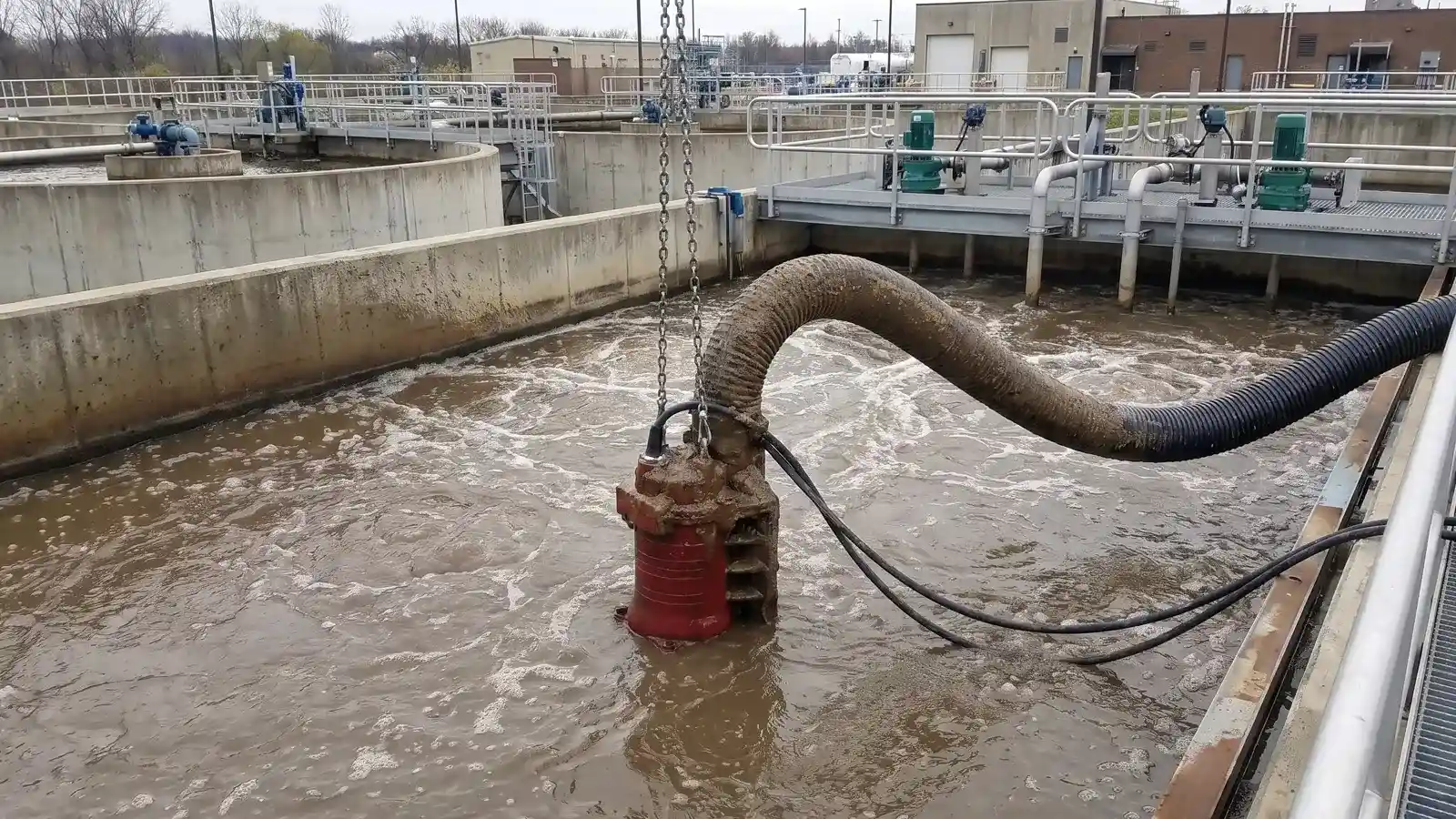
04 / INDUSTRY
Sewage transfer, treatment and sludge handling. Review solids, operating schedules and site access.
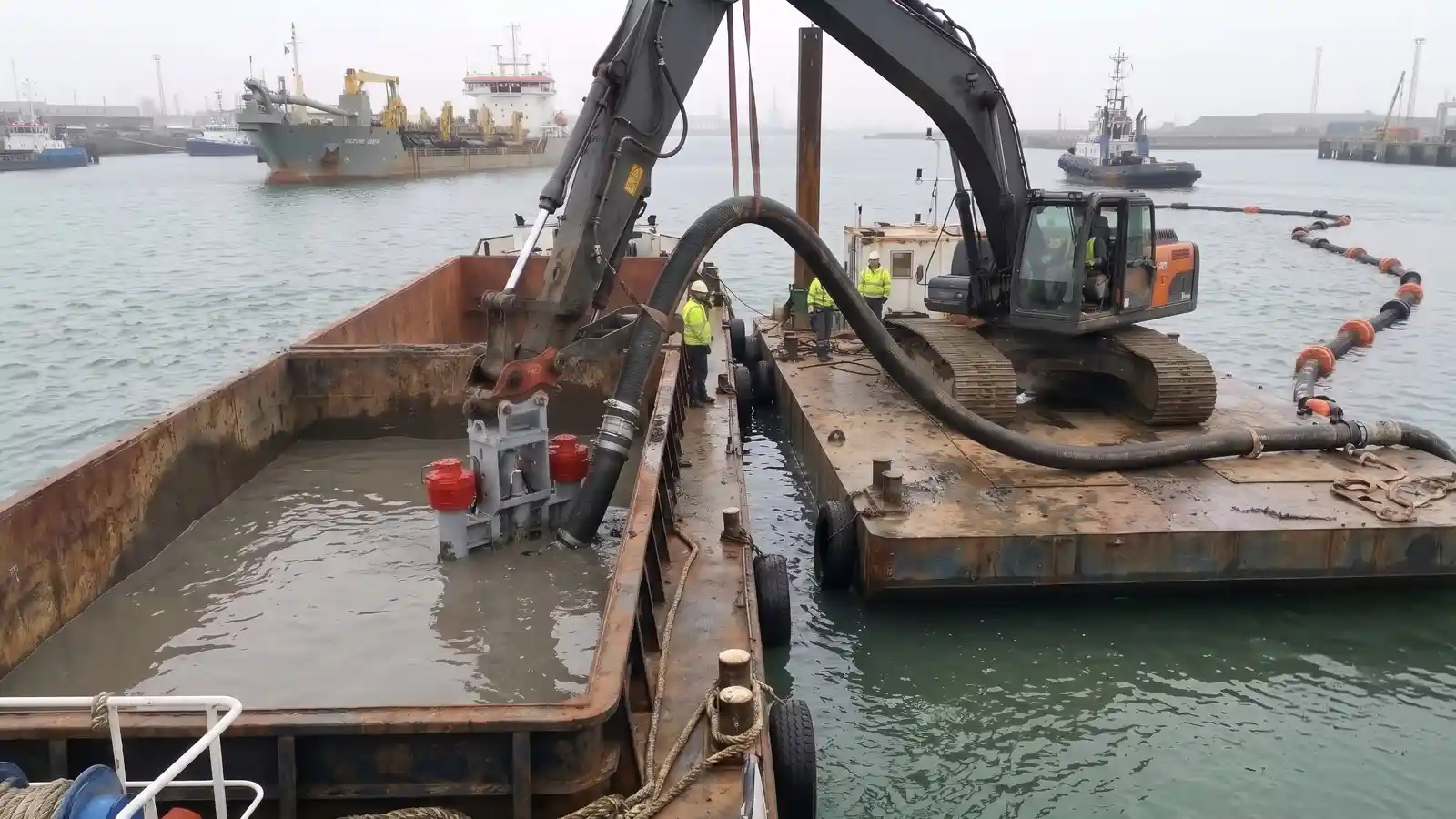
05 / INDUSTRY
Move sand and slurry during unloading. Review material consistency, pump access and the transfer line.
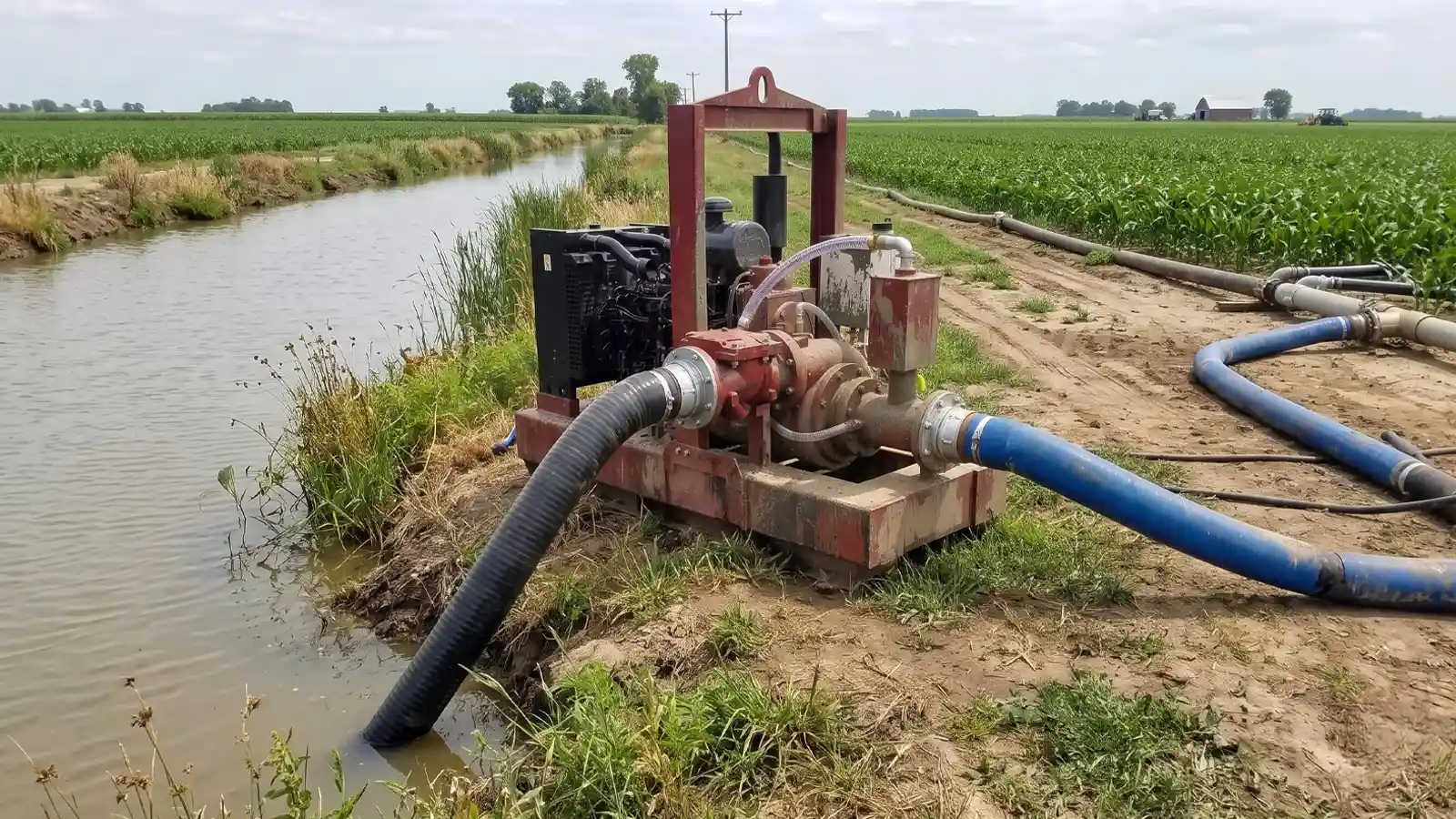
06 / INDUSTRY
Field irrigation, drainage and water transfer. Match the water source to the delivery requirement.
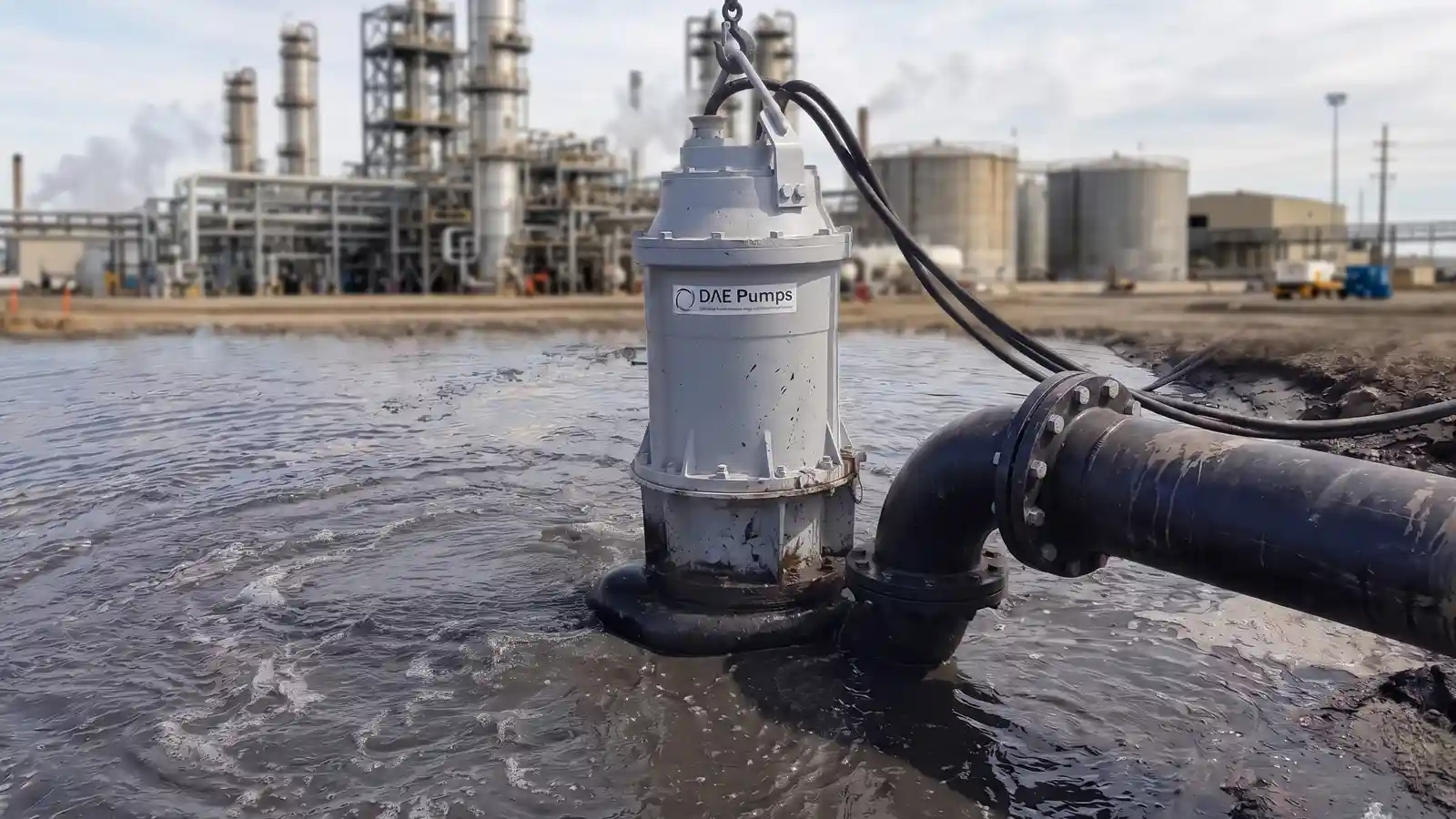
07 / INDUSTRY
Water, sludge and solids around energy operations. Define the fluid and site requirements before selection.
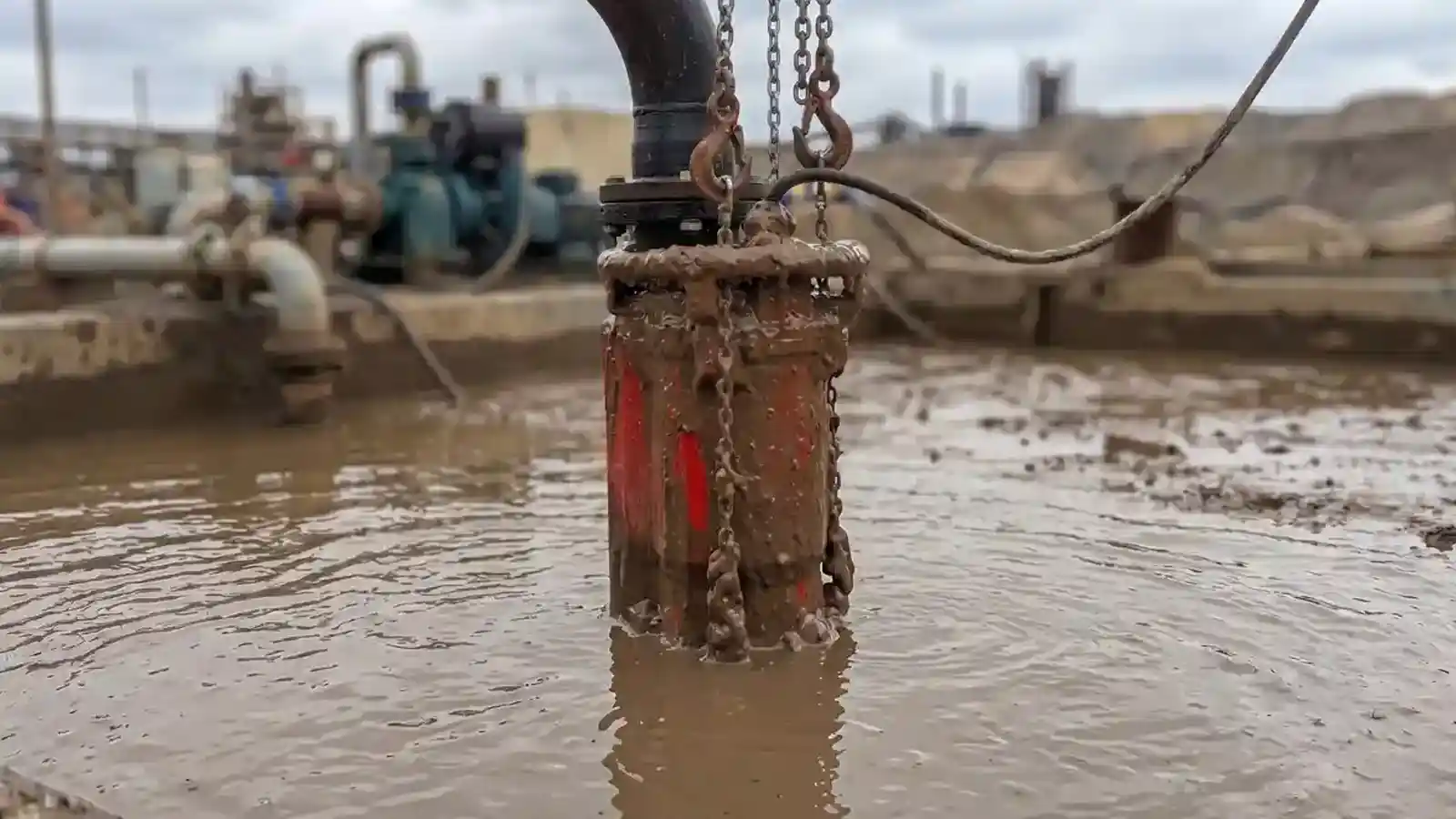
08 / INDUSTRY
Process transfer and mill wastewater. Review fiber content, temperature and wetted-material compatibility.
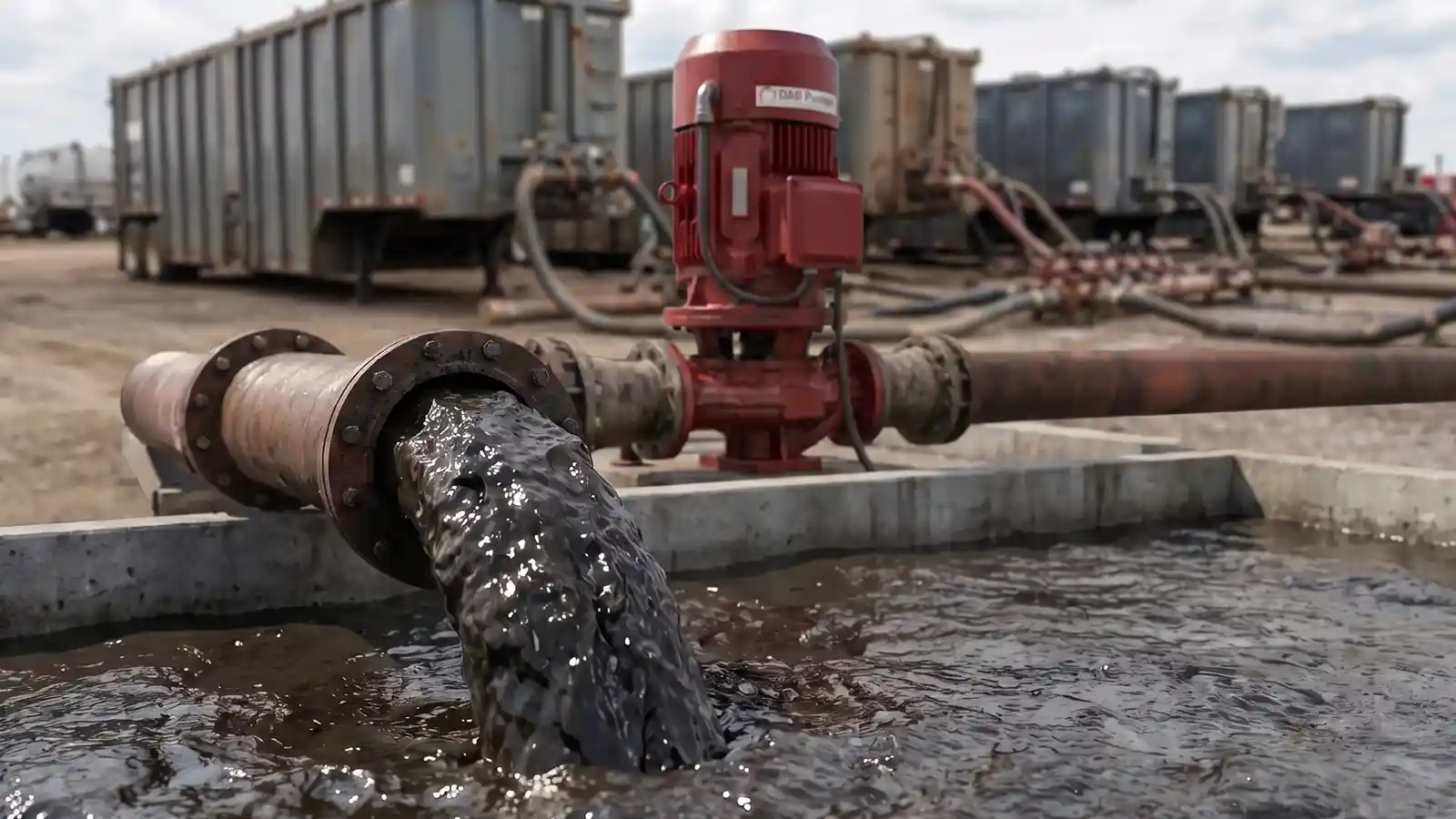
09 / INDUSTRY
Remove settled sludge and residual material. Consider tank access, solids and the receiving location.
Common Pump Applications

APPLICATION / 01
Keep the work area moving.
Manage incoming water around excavations, mines and temporary works. Review changing water levels and the discharge route before selecting the pump arrangement.
- Typical uses
- Groundwater, stormwater and excavation drainage
- Key checks
- Inflow, solids, lift and access for service
- Explore equipment
- Submersible drainage · Self-priming pumps
APPLICATION / 02
Start with the material. Then the duty.
Sand, fines and process slurry place different demands on a pumping system. Describe the solids and operating range, then review wear, flow and pipeline conditions together.
- Typical uses
- Mining, aggregates, mill wastewater and industrial transfer
- Key checks
- Particle size, solids concentration and abrasiveness
- Explore equipment
- Submersible slurry · Flooded suction


APPLICATION / 03
Connect recovery to the receiving site.
Remove accumulated sediment and transfer it to a planned destination. Water depth, access and the material profile help define the deployment method and supporting equipment.
- Typical uses
- Ponds, waterways, sand recovery and reclamation
- Key checks
- Working depth, deployment and discharge distance
- Explore equipment
- Dredge pumps · System equipment
APPLICATION / 04
Keep the source and destination in view.
Supply irrigation, move process water or support wastewater operations. Match the required delivery rate to the fluid, installation and full operating cycle.
- Typical uses
- Agriculture, municipal and industrial operations
- Key checks
- Flow, pressure, fluid compatibility and run time
- Explore equipment
- Self-priming pumps · Flooded suction

INSTALLATION MATTERS
Pump Installation Arrangements Compared
The same industry can call for different equipment. Use the source, material and operating conditions to narrow the installation approach.
| Arrangement | Where it starts | What to confirm | Equipment |
|---|---|---|---|
| Submersible | The pump operates in the liquid or slurry. | Depth, solids, cable or hose routing, and lifting access. | Explore range → |
| Self-priming surface | The pump sits above or beside the source. | Suction lift, priming, line sealing and changing water levels. | Explore range → |
| Flooded suction | Liquid reaches the inlet under positive static head. | Inlet conditions, fluid properties and the required duty point. | Explore range → |
| Dredge deployment | Equipment recovers and transfers submerged material. | Sediment, working depth, deployment and the discharge route. | Explore range → |
On smaller screens, swipe the table to compare. Confirm the pump curve and complete system conditions before selecting a model.
BEYOND THE PUMP
Build a Complete Pumping System
Bring the supporting equipment into the conversation early. Each connection affects how the complete installation will work.
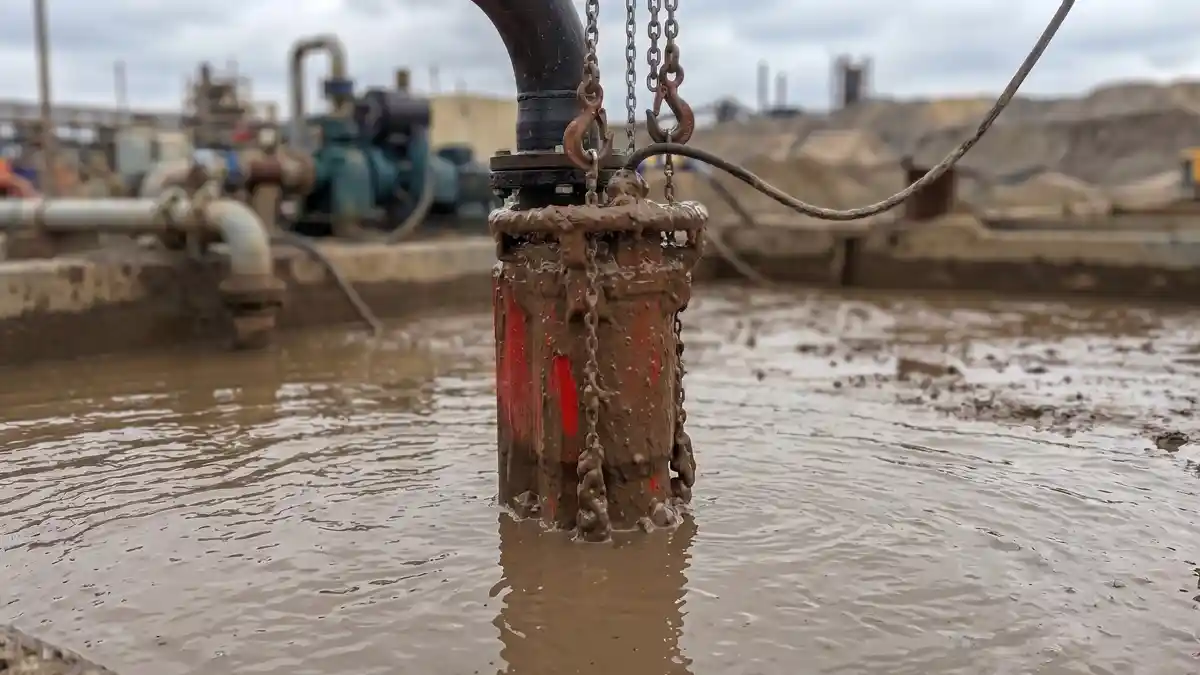
Match the material, flow and head to the pump and its operating range.
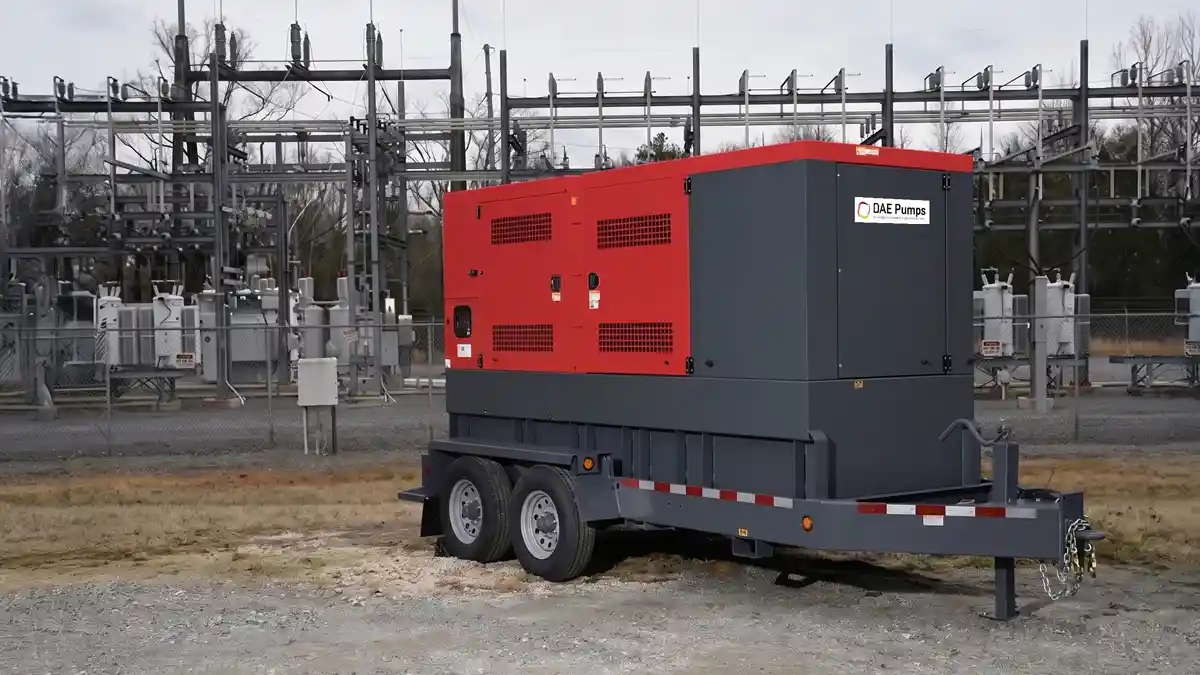
Review the available power supply, controls and operating schedule.
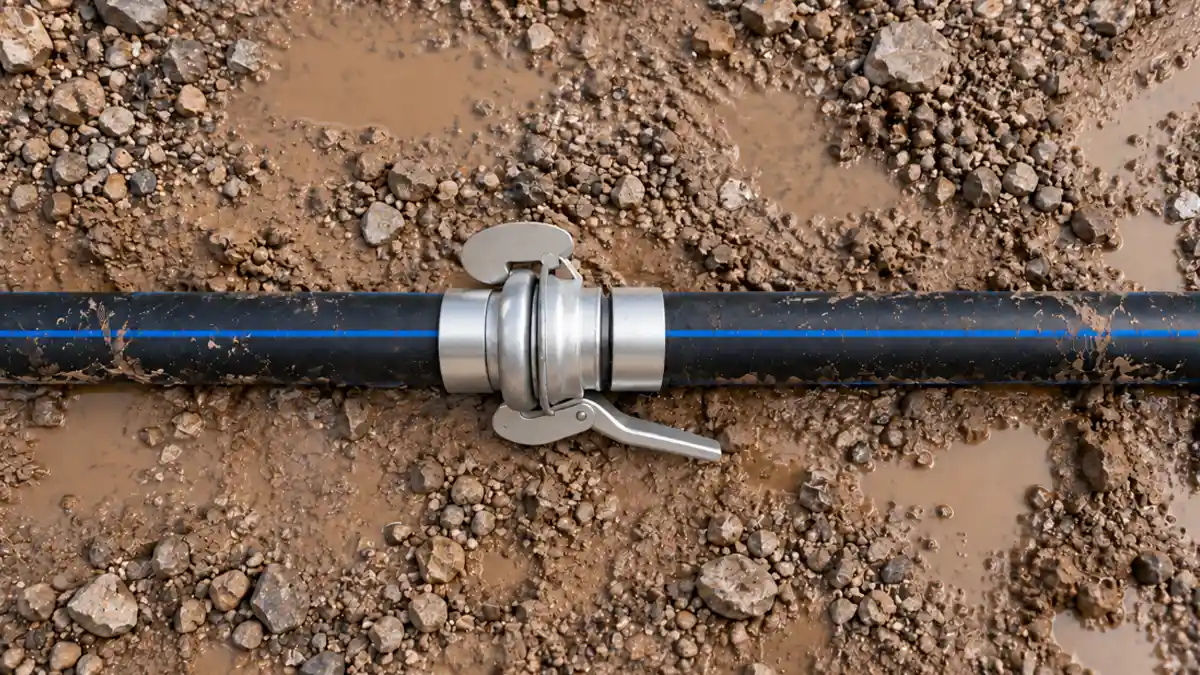
Plan line sizes, connection points, routing and support.
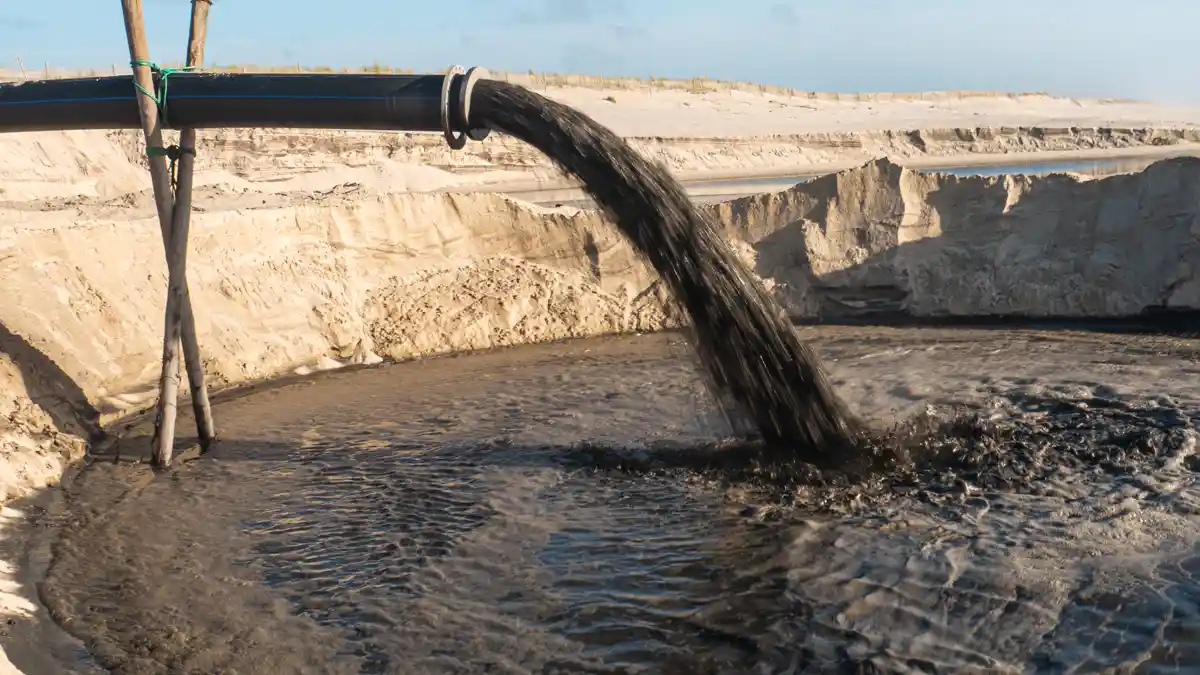
Confirm the receiving location and how the material will be managed.
FROM APPLICATION TO EQUIPMENT
What to Send for a Pump Selection Review
You do not need every answer to start. Share what you know, and identify the information that still needs to be confirmed.
01
Define the material
Describe what needs to move and how the supply changes.
- Fluid or slurry type
- Solids size and concentration
- Temperature and operating conditions
02
Describe the duty
Bring the source, destination and flow requirement together.
- Target flow or production rate
- Elevation change and discharge pressure
- Pipeline length, diameter and fittings
03
Map the site
Share the practical details that shape installation and operation.
- Available electrical or hydraulic power
- Access, lifting and service space
- Run time, project schedule and site photos
TECHNICAL RESOURCES
Get behind
the equipment.
Use practical guides and product literature to make the next project conversation more useful.

APPLICATION GUIDE
Dewatering planning
Review source conditions and installation approaches before comparing equipment.

TECHNICAL REFERENCE
Product specifications
Find model information and performance details for the equipment under review.

EQUIPMENT OVERVIEW
Product brochures
Explore the available pump families and supporting equipment.
COMMON QUESTIONS
Industrial Pump Application FAQs
A few practical answers to help you take the next step.
How do I choose a pump for my industry?
Begin with the specific application. Material, required flow, system head and installation conditions matter more than the industry name alone. Review those details against the pump curve and model requirements.
What is the difference between a dewatering pump and a slurry pump?
Dewatering generally focuses on removing water, although the amount and type of solids can vary. Slurry service involves a liquid carrying solids and may require different passage sizes, materials and wear considerations. Confirm the capabilities of the individual model.
Can the same industry use different pump arrangements?
Yes. A mine, treatment facility or construction site may use surface, submersible or flooded-suction equipment for different duties. Start with the conditions at each pumping point instead of assuming one arrangement fits the whole site.
What information should I prepare for an equipment review?
Share the fluid or slurry description, solids information, target flow, elevation change, pipeline length and diameter, available power and operating schedule. Site photos and a simple source-to-discharge sketch are useful additions.
Can DAE review the supporting equipment too?
Include hoses, pipelines, power units, controls and the discharge arrangement in your request. The appropriate combination depends on the selected pump and the project conditions.
Can I start before every project detail is confirmed?
Yes. Send the details you have and identify the items that remain open. The first discussion can help clarify the application and the information needed before equipment selection.
FROM PROJECT DETAILS TO A WORKING PLAN
The right pump starts with your job.
Tell us what you need to move, where it needs to go, and what the site demands. We’ll help you identify the next step.
01
The material
Water, solids, or slurry
02
The duty
Target flow and total head
03
The site
Access, power, and route
A DIRECT LINE TO DAE
Let’s talk through the job.
Selection questions, project details, or a model you already have in mind.
Call our team
Email your project