PORTABLE DREDGING EQUIPMENT
Pontoon Dredge Pumps
Portable Small & Mini Dredges for Ponds, Lakes & Lagoons
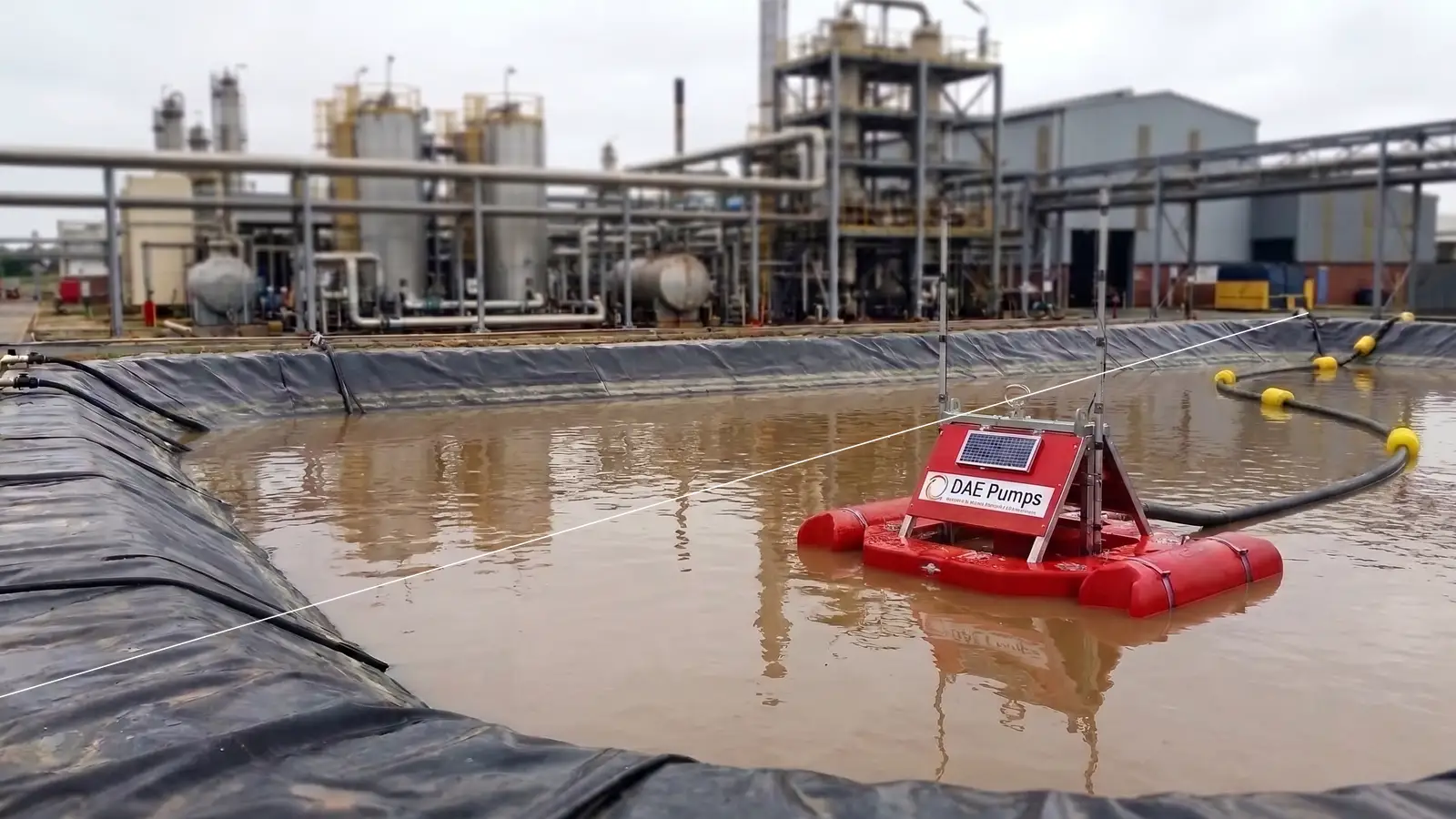
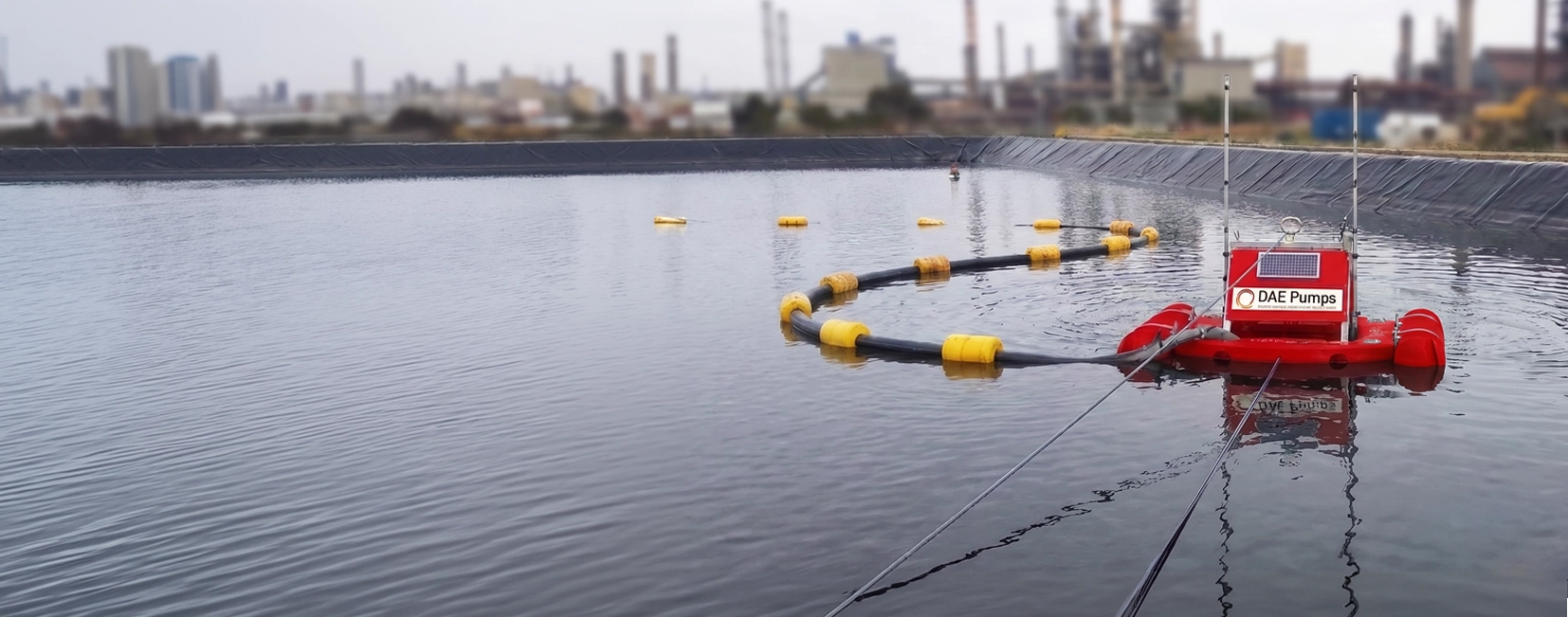
DAE Pumps builds portable pontoon dredges that pump silt, sediment, and slurry from ponds, lagoons, and lakes that large dredging operations cannot reach. Compact enough to tow on a standard trailer and launch without a crane, run by one or two operators.
- Small and mini pontoon dredges, from a 4 inch to a 6 inch pump
- Flow up to 1,500 GPM, handling up to 70% solids
- Poly, clay, and concrete liner safe operation
- Transports on a standard trailer, deploys without a crane
- Configurable electric, hydraulic, or diesel drive
Need help now? Call (760) 821-8112
1,500
GPM max flow (Sediment Slayer)
70%
Solids by volume (Dredge Sled)
2
Pontoon dredge models
13 ft
Working depth (Sediment Slayer)
Pontoon dredge pumps are portable, floating dredge systems that pump silt, sediment, and slurry out of ponds, lagoons, lakes, and other shallow or confined water. Mounted on a compact pontoon or sled platform and run by one or two operators, they reach tailings ponds, holding ponds, canals, basins, golf course lakes, and marinas that excavators and marine dredging vessels cannot access. DAE Pumps offers two portable pontoon dredges: the 4 inch Dredge Sled mini dredge and the 6 inch Sediment Slayer pond dredge, both built around non-clogging, high-solids pumps and configurable for electric, hydraulic, or diesel drive.
Compare Pontoon Dredge Models
Compare the DAE Pumps pontoon dredge lineup by pump size, flow, solids handling, drive, and working depth. Final selection should be based on water body size, sediment type and volume, solids concentration, discharge distance, and site access.
| Specification | Dredge Sled Mini Dredge | Sediment Slayer Pond Dredge |
|---|---|---|
| Pump Size | 4 inch | 6 inch |
| Max Flow | Up to 1,200 GPM | Up to 1,500 GPM (1,100 GPM @ 50 ft TDH) |
| Solids Handling | Up to 3 in solids; up to 70% by volume | Passes softball-sized debris |
| Operators | Single operator | Two operators |
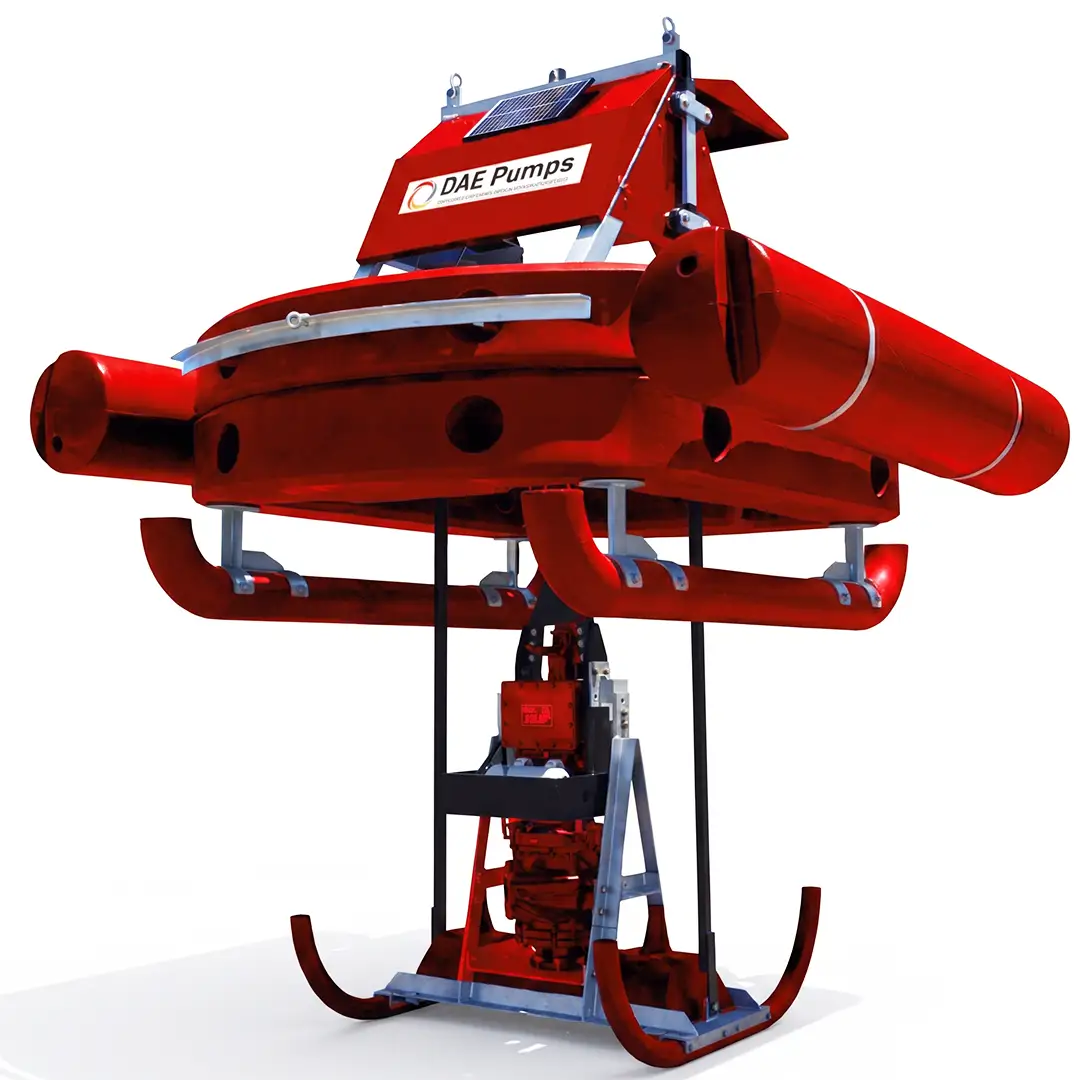
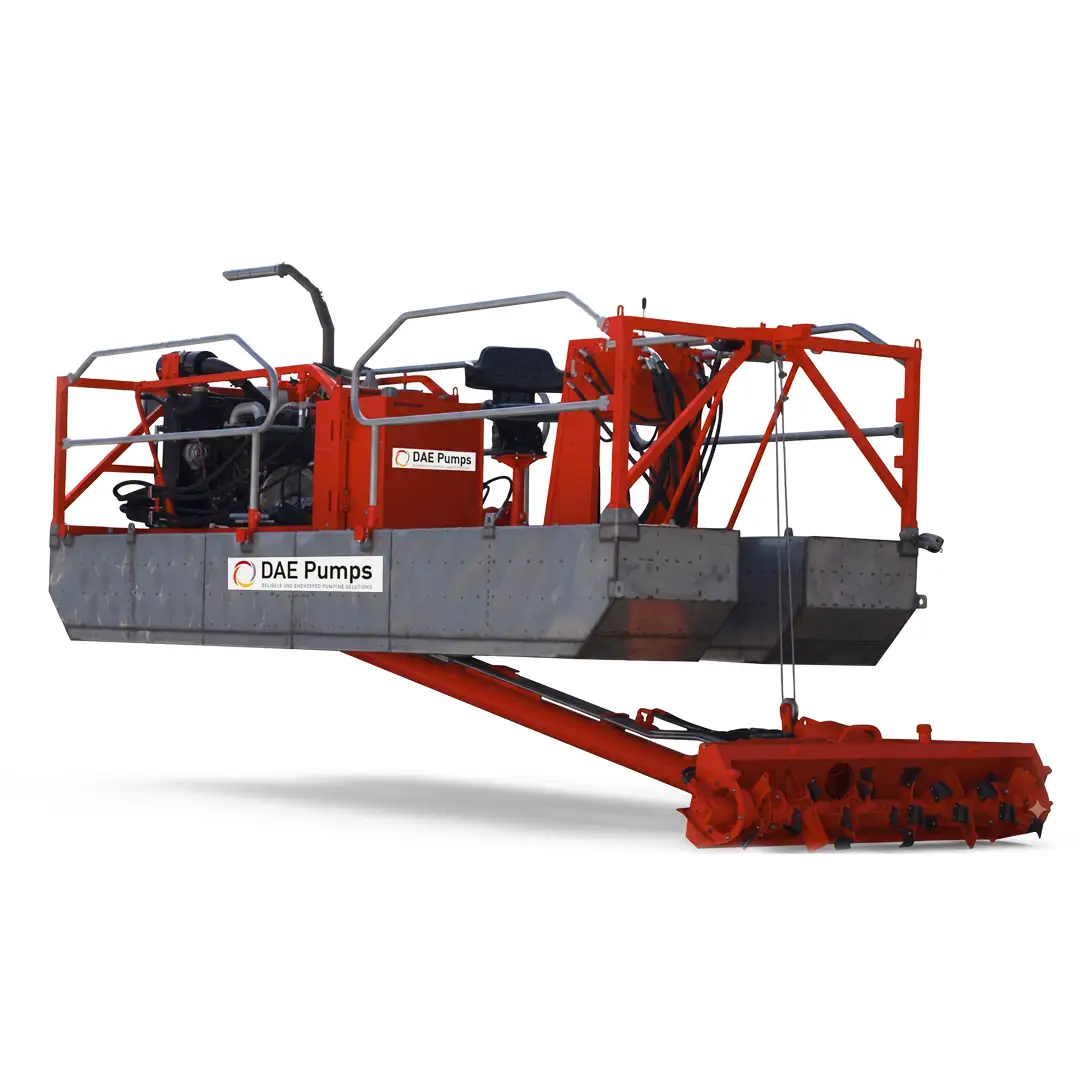
| Cutter Head | None; sled rides along the bottom | 66 in wide direct-drive cutter head |
| Drive System | Cable-and-pulley; electric or hydraulic pump | Hydraulic windlass; 65 HP Cummins diesel |
| Working Depth | 3 to 20 ft | Up to 13 ft |
| Coverage / Fit | Waterways up to 60,000 sq ft; liner safe | HOA lakes, marinas, golf courses, ponds |
| Best For | Silt and slurry cleanout on lined ponds | Heavier excavation of compacted sediment |
How to Choose the Right Pontoon Dredge
Start with the water body, then match the dredge to sediment, solids concentration, discharge distance, and site access. This checklist helps you self-qualify before requesting pricing.
| Selection Factor | What to Know | Why It Matters |
|---|---|---|
| Water body size and depth | Measure surface area and maximum depth of the pond, lagoon, or lake. | Sets whether a mini dredge or a cutter-head dredge fits. |
| Sediment type and volume | Identify silt, mud, sand, sludge, or compacted material and estimated yardage. | Determines pump size and whether a cutter head is needed. |
| Solids concentration | Estimate the percentage of solids you expect to move. | Guides the pump option, up to 30% or up to 70% solids. |
| Liner presence | Confirm poly, clay, or concrete liners in the basin. | Selects liner-safe travel and cutter head options. |
| Discharge distance | Measure the run from the dredge to the disposal or dewatering point. | Sizes the discharge hose, pipe, floats, and boost needs. |
| Site access and transport | Confirm trailer access, launch area, and shoreline conditions. | Confirms the dredge can deploy without heavy equipment. |
| Operators available | Decide between a single-operator or two-operator setup. | Points to the Dredge Sled or the Sediment Slayer. |
Pontoon Dredge Models
Both models are non-clogging, high-solids pontoon dredges built for ponds, lagoons, and lakes. Choose the Dredge Sled for liner-safe cleanout of silt and slurry, or the Sediment Slayer for heavier excavation with a powered cutter head.
Where Pontoon Dredges Work
DAE Pumps pontoon dredges handle sediment and slurry removal across industrial, municipal, and environmental sites, anywhere a compact floating dredge can reach water that larger equipment cannot.

Lagoons & Lakes
- Typical Use: Silt and sludge removal
- Why It Fits: Restore capacity in industrial lagoons, HOA lakes, and settling ponds.

Mine Tailings & Ash Ponds
- Typical Use: High-solids dredging
- Why It Fits: Recover storage in mine tailings ponds and energy ash ponds.

Golf Course & Farm Ponds
- Typical Use: Shallow water dredging
- Why It Fits: Remove sediment from irrigation, farm, and golf course ponds.

Municipal & Wastewater
- Typical Use: Basin and lagoon cleanout
- Why It Fits: Dredge municipal sewage lagoons, digester tanks, and settling tanks.

Paper & Pulp Basins
- Typical Use: Process pond dredging
- Why It Fits: Maintain paper and pulp basins and holding ponds on schedule.

Marinas & Harbors
- Typical Use: Shoreline and slip dredging
- Why It Fits: Clear sediment from marinas, canals, and nearshore harbor areas.

River & Lake Restoration
- Typical Use: Environmental remediation
- Why It Fits: Support wetland, river, and lake restoration and habitat projects.

Sand & Aggregate
- Typical Use: Small sand dredging
- Why It Fits: Skim and pump sand, silt, and aggregate from wash and process ponds.
Why DAE Pumps Pontoon Dredges
Every DAE Pumps pontoon dredge pairs a non-clogging, high-solids pump with a portable platform built to reach water that excavators and marine vessels cannot.

Non-clogging high-solids pumps
Pump 15% to 70% solids with abrasion-resistant, non-clog slurry pumps built for industrial sediment.

Reaches confined and shallow water
Access lagoons, canals, and pond edges that excavators and larger dredging vessels cannot enter.

Liner-safe operation
Travel and cutter head options protect poly, clay, and concrete basin liners during dredging.

Single or two-operator setups
Run the Dredge Sled solo or the Sediment Slayer with two operators for higher production.

Tows on a standard trailer
Compact platforms load onto a small trailer and deploy without cranes or heavy equipment.

No shoreline damage
Launch and load from the trailer without leaving tracks or tearing up the shoreline.

Configurable drive options
Choose electric, hydraulic, or diesel drive to match power access and site conditions.

Turnkey discharge packages
Add slurry hoses, HDPE pipe, pipe floats, flow meters, and power units for a complete system.
Pontoon Dredging vs Other Dredging Methods
Portable pontoon dredges fill the gap between hand cleanout and full-scale marine dredging. This comparison shows where a floating mini dredge outperforms cutter suction and excavator approaches on small to mid-size projects.
| Method | How It Works | Best Fit |
|---|---|---|
| Portable pontoon dredge | A floating sled or pontoon pumps sediment as a slurry through a discharge line. | Ponds, lagoons, lakes, and confined shallow water. |
| Cutter suction dredge | A rotating cutter head loosens compacted material, then a pump suctions the slurry. | Thicker sediment, weeds, and packed material like the Sediment Slayer handles. |
| Excavator dredging | A shore or barge-mounted excavator scoops material from the bottom. | Large volumes where site access and a disposal area allow heavy equipment. |
| Marine vessel dredging | A self-propelled dredging barge or hopper vessel dredges open water. | Harbors, channels, and large-scale marine projects, not small ponds. |
Pontoon Dredge Accessories
Turn a pontoon dredge into a complete pumping system with matched discharge, monitoring, and power components. Parts are stocked for fast shipping in the US and worldwide.
- Slurry Hoses: Durable, flexible hoses that carry solids-laden slurry from the dredge to the discharge point.
- HDPE Dredge Pipe and Pipe Floats: Keep suction and discharge lines buoyant, aligned, and protected on the water.
- Ultrasonic Flow Meters: Confirm flow rate and pumping efficiency in real time without intruding into the pipe.
- Hydraulic Power Units: Supply auxiliary hydraulic drive where extra power is needed for pontoon-mounted systems.
- Mobile Diesel Generators: Keep electric dredge pumps running at remote or off-grid sites with limited power access.
- Discharge and Dewatering Packages: Floating discharge kits, polymer mixing boxes, and geotextile tube manifolds for material handling.
Maintenance and Service
Because pontoon dredge pumps continuously handle abrasive solids and debris, a consistent maintenance routine protects performance and reduces downtime on jobs where access for repairs is limited.
Inspection Checkpoints
- Examine the impeller and suction inlet for erosion from sand, silt, and gravel.
- Check seals and watertight interfaces to prevent water ingress.
- Monitor bearings and shaft alignment for vibration or abnormal noise.
- Inspect the pump casing and discharge pathways for sediment buildup.
Built for Longevity
- Heavy-duty wear components designed for high-solids dredging service.
- Clear access to wear parts simplifies inspection on pontoon platforms.
- Efficient replacement of impellers, seals, and bearings shortens service time.
What to Send DAE Pumps for Pontoon Dredge Sizing
To help DAE Pumps recommend the right pontoon dredge for your project, send the following details:
- Water body type and dimensions: pond, lagoon, lake, canal, or basin, with surface area and shape.
- Water depth: average and maximum depth at the dredge location.
- Sediment type and volume: silt, mud, sand, sludge, or compacted material and estimated yardage.
- Target solids concentration: expected percentage of solids to move, up to 30% or up to 70%.
- Liner type: poly, clay, concrete, or unlined basin.
- Discharge distance and disposal: run to the disposal, dewatering, or geotextile tube point.
- Site access and transport: trailer access, launch area, and shoreline conditions.
- Operator plan: single-operator or two-operator preference.
- Timeline and permitting: project schedule and any dredging permit requirements.
Pontoon Dredge FAQs
What is a pontoon dredge?
A pontoon dredge is a portable dredging system mounted on a floating pontoon or sled platform that pumps sediment, debris, and slurry from ponds, lakes, lagoons, and other shallow water. It reaches areas that larger dredges and excavators cannot access.
How does a pontoon dredge work?
A submersible or high-solids pump on the floating platform suctions bottom material as a slurry and moves it through a discharge line to a disposal or dewatering point. A cutter head or sled agitates and loosens sediment so the pump can move it efficiently.
What size pontoon dredge is needed for a pond?
Sizing depends on surface area, depth, sediment type, and solids concentration. The 4 inch Dredge Sled suits waterways up to 60,000 square feet, while the 6 inch Sediment Slayer handles heavier excavation on HOA lakes, marinas, and golf course ponds.
Can pontoon dredges operate in shallow water?
Yes. Pontoon dredges are designed for shallow water dredging. The Dredge Sled works in 3 to 20 feet of water, and the Sediment Slayer reaches a working depth of up to 13 feet, both in water too shallow for marine dredging vessels.
How much does a pontoon dredge cost?
Cost depends on the model, pump option, cutter head, and discharge package. DAE Pumps prices each pontoon dredge to the project, so send your water body and sediment details for a quote.
What is a floating slurry pipeline?
A floating slurry pipeline is a discharge line of hose or HDPE pipe held on the water by pipe floats. It carries pumped slurry from the dredge to the disposal or dewatering area while staying buoyant and aligned.
How are pontoon dredges anchored and moved?
The Dredge Sled uses a cable-and-pulley system controlled by a single operator, while the Sediment Slayer uses a hydraulic windlass travel system with anchor cables and stakes to pull itself across the water in a controlled pattern.
What pumps are used on pontoon dredges?
DAE Pumps pontoon dredges use non-clogging, abrasion-resistant slurry and submersible pumps. Options range from a submersible centrifugal pump for up to 30% solids to a patented high-solids pump that moves up to 70% solids.
What is the difference between pontoon and excavator dredging?
Pontoon dredging pumps sediment continuously as a slurry from a floating platform, reaching confined and open water. Excavator dredging scoops material from shore or a barge and needs site access and a disposal area, making it better suited to large volumes.
How long does a pond dredging project take?
Duration depends on sediment volume, pump flow, discharge distance, and disposal method. A dredge moving up to 1,500 GPM clears small ponds quickly, while larger volumes and longer discharge runs extend the schedule.
Exploring other dredge pumps? See the full DAE Pumps dredge pump lineup, including excavator-mounted, cable-deployed, and diver-operated dredge systems for larger and deeper projects.
We're Here to Help
For help selecting the right pontoon dredge for your pond, lagoon, or lake, call us or request a quote today.