
Resource Blog
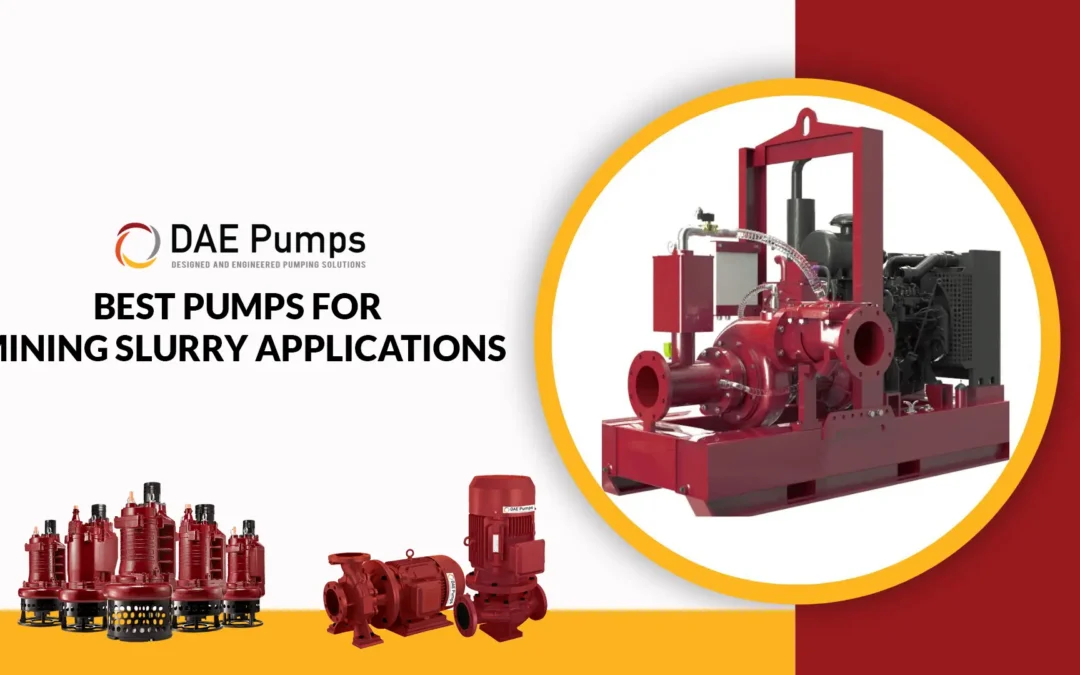
Best Pumps for Mining Slurry Applications
Mining slurry is one of the most difficult materials to transport in industrial pumping systems. Unlike clean water applications, mining slurry contains abrasive solids that continuously wear internal pump components while creating unstable flow conditions throughout...
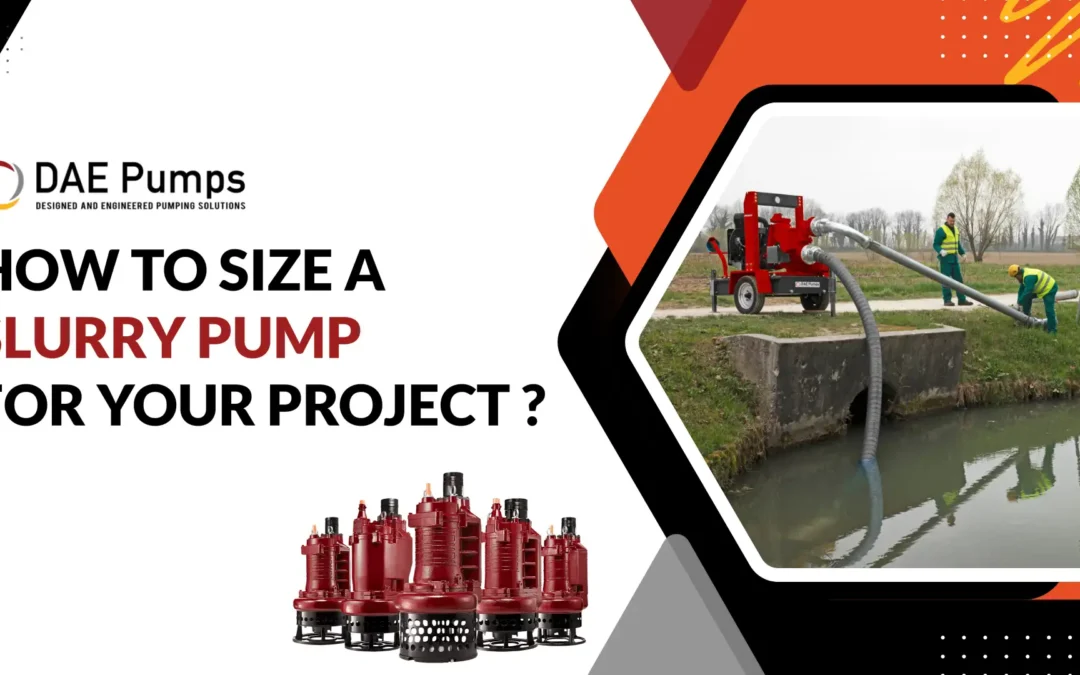
How to Size a Slurry Pump for Your Project
Slurry pump sizing means selecting a pump that can move your slurry at the required flow rate and pressure without causing excessive wear, cavitation, or unnecessary energy loss. You are matching the pump’s capacity, power, hydraulic design, and materials to the real...
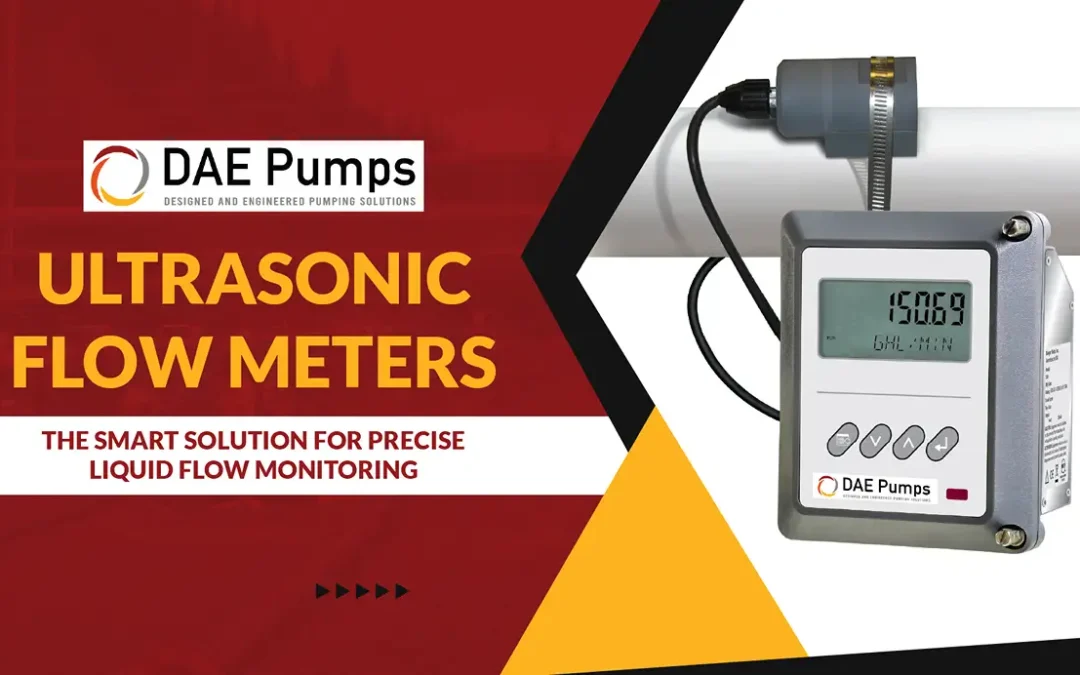
Ultrasonic Flow Meters: The Smart Solution for Precise Liquid Flow Monitoring
In many pumping systems, flow is assumed rather than measured. Operators often rely on pump curves, pressure readings, or past experience to judge whether a system is performing as expected. This works only up to a point. Once slurry density changes, air enters the...
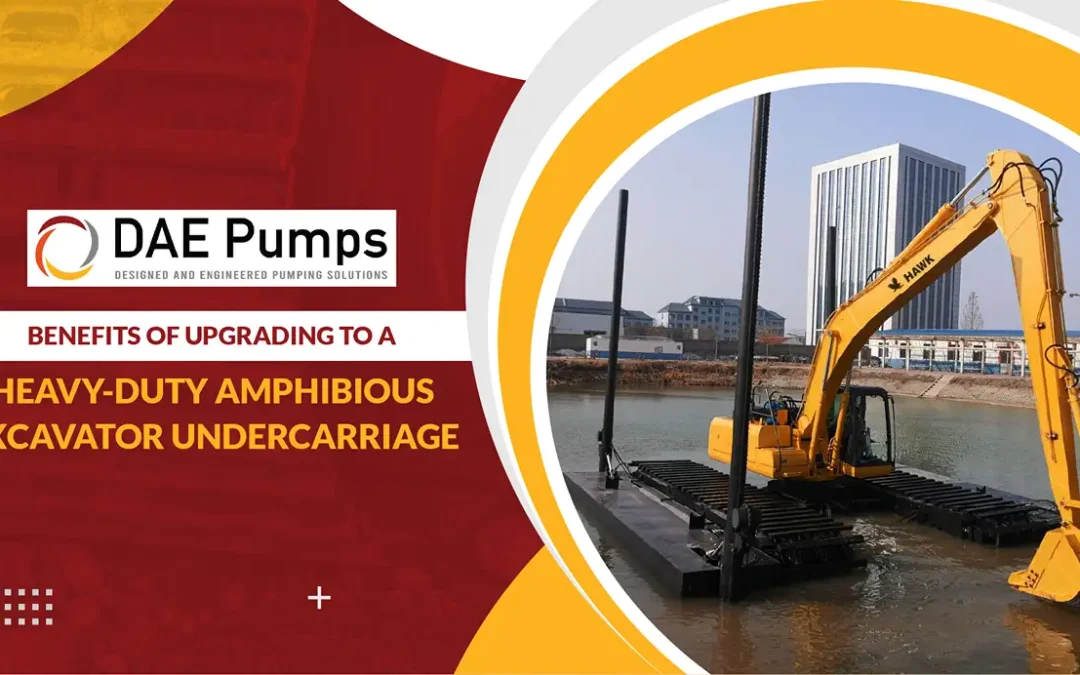
Benefits of Upgrading to a Heavy-Duty Amphibious Excavator Undercarriage
The amphibious excavator undercarriage plays a vital role in converting a normal excavator to a multi-terrain machine. This is integral to operations such as dredging, wetland restoration, mining, and flood control. An amphibious excavator undercarriage enables a...
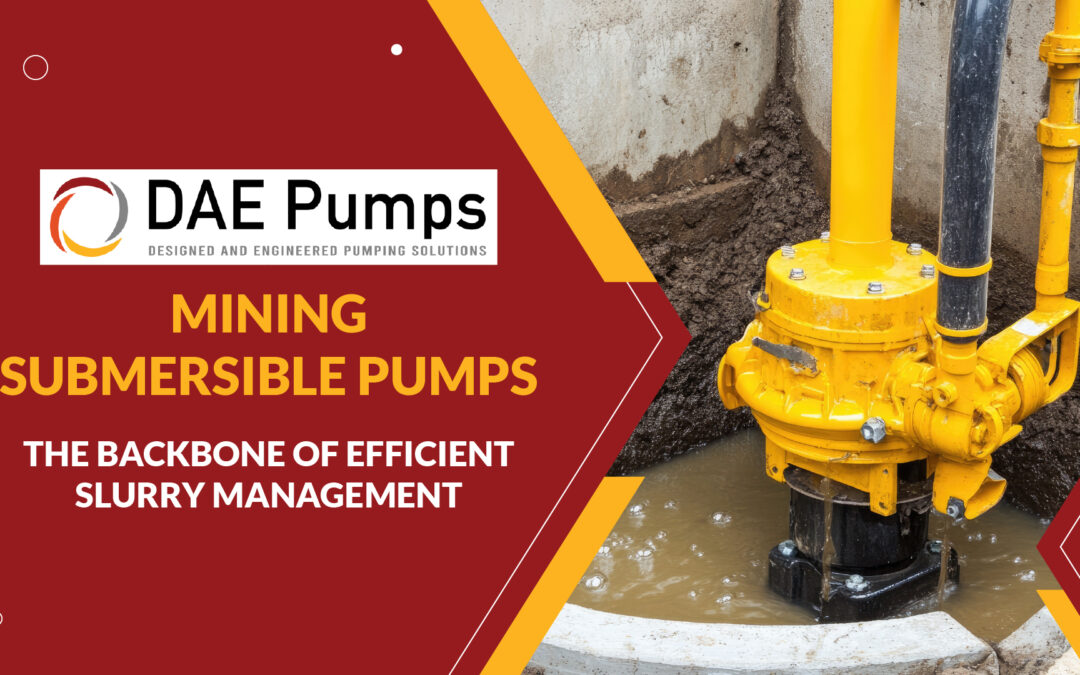
Mining Submersible Pumps – The Backbone of Efficient Slurry Management
Mining submersible pumps are specifically engineered to operate in submerged conditions, where other types of pumps would fail. They offer a solution to several challenges in mining, such as handling abrasive, corrosive, and sediment-heavy fluids. These pumps also...
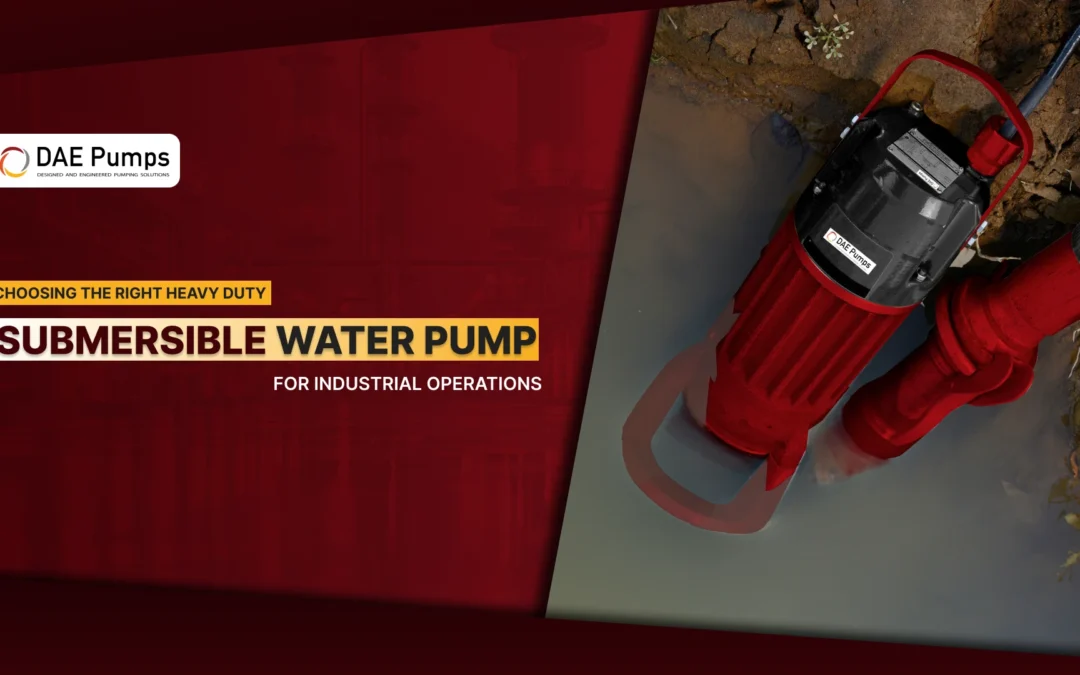
Choosing the Right Heavy Duty Submersible Water Pump for Industrial Operations
Introduction: Meeting Industrial Challenges with Submersible Power The demand for reliable water and slurry handling in heavy industries has pushed the boundaries of pump technology. Modern operations—from mining pits to wastewater plants—require a heavy-duty...
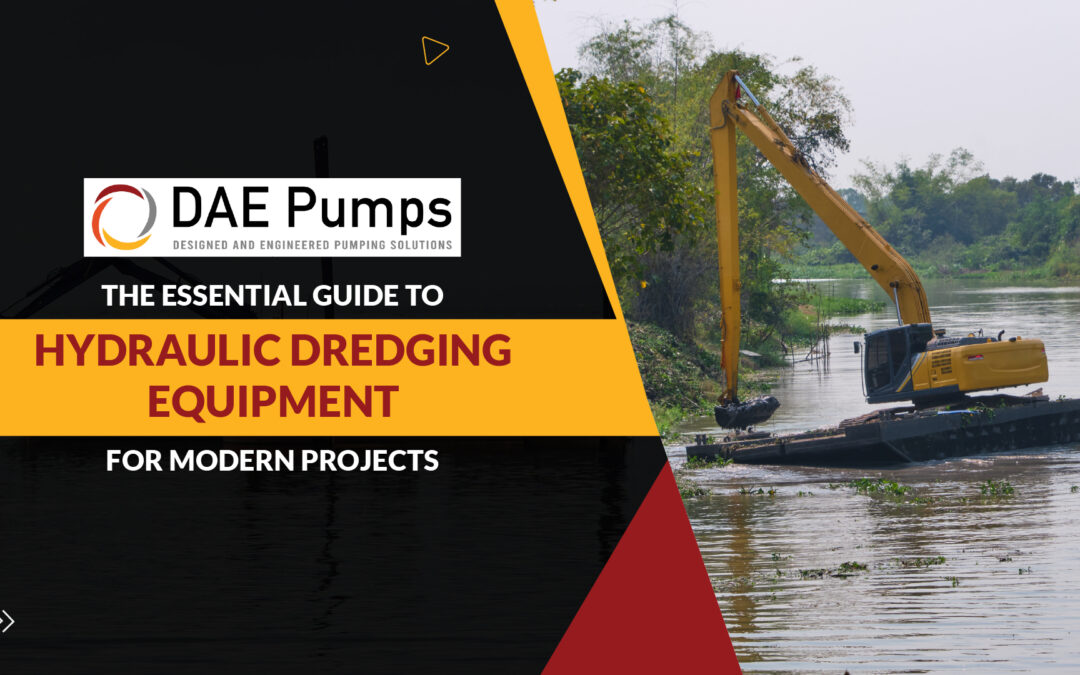
The Essential Guide to Hydraulic Dredging Equipment for Modern Projects
Hydraulic dredging is the preferred choice because it’s more efficient, more versatile, and better ROI for operators. From dredging rivers and lagoons to massive mining projects, dredge equipment is no longer just a tool—it’s a cornerstone of infrastructure, energy,...
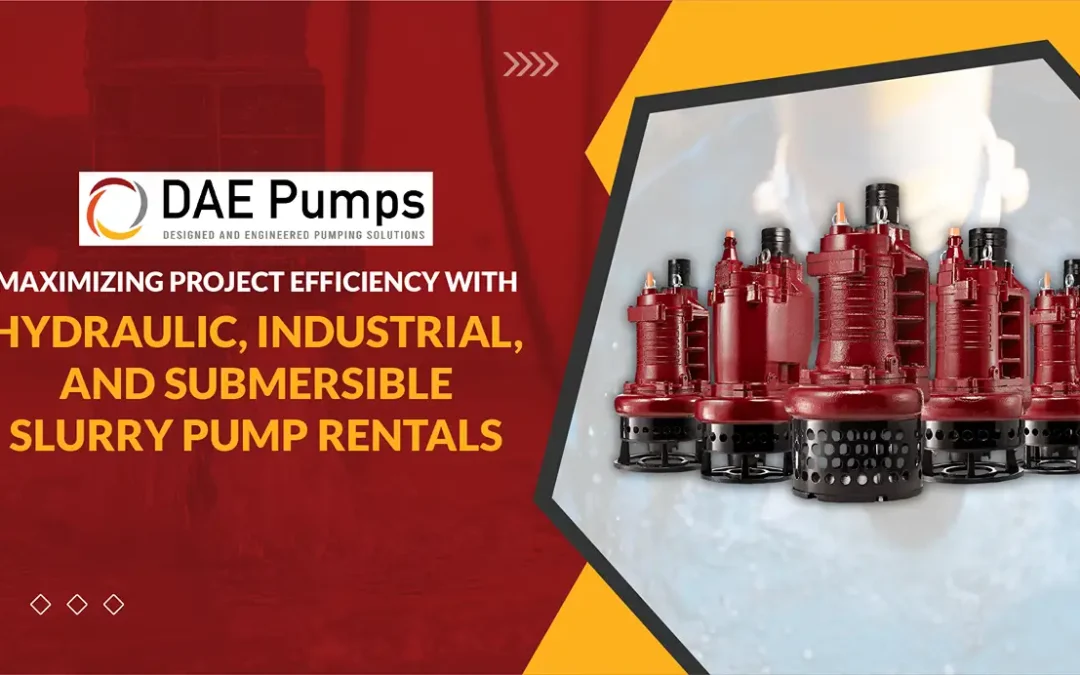
Maximizing Project Efficiency with Hydraulic, Industrial, and Submersible Slurry Pump Rentals
Slurry pump rentals have become a game-changing solution for industries that face the daunting task of transporting abrasive, viscous materials in demanding environments whether it's a short-term dredging project, a seasonal mining operation, or an emergency flood...
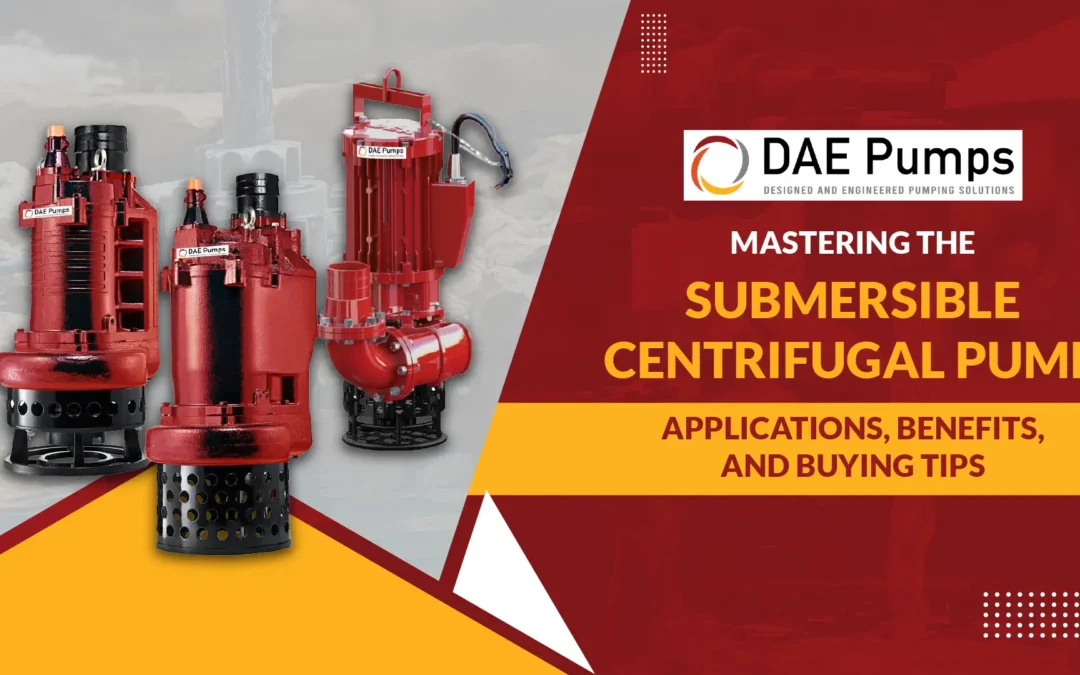
Mastering the Submersible Centrifugal Pump: Applications, Benefits, and Buying Tips
The submersible centrifugal pump is designed to be submerged in the fluid being pumped, offering several benefits over traditional above-ground pumps. This pump operates using centrifugal force to move fluid through the system. It has become an essential tool in...
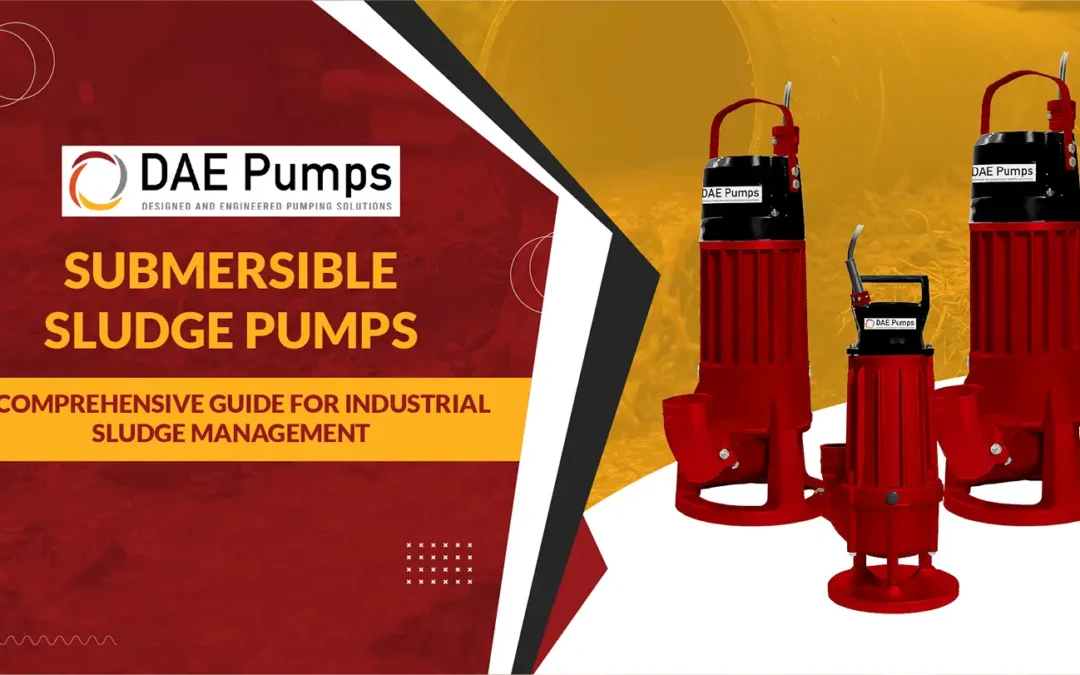
Submersible Sludge Pumps: A Comprehensive Guide for Industrial Sludge Management
Unlike regular dewatering or drainage pumps, a sludge pump (also known as slurry pumps) is built to handle dense, gritty materials that would clog or destroy lighter duty systems. Submersible sludge pumps are a type of centrifugal pump designed for full submersion in...
Need Help?
Our team of engineers is standing by to help you with your next project. Call us at (760) 821-8112 or submit a request.