

- Introduction: Tackling the Challenge of Thick Fluid Handling
- Understanding Viscosity and Its Impact on Pump Performance
- Core Design Features of a High Viscosity Transfer Pump
- Benefits of Using High Viscosity Transfer Pumps
- Applications of High Viscosity Liquid Transfer Pumps Across Industries
- High Viscosity Oil Transfer Pump Use in Petrochemical and Fuel Operations
- High Viscosity Chemical Transfer Pumps in Hazardous Settings
- How to Select the Right High Viscosity Transfer Pump for Your Process
- Conclusion and Contact CTA
a 
Introduction: Tackling the Challenge of Thick Fluid Handling
In heavy industries such as oil and gas, chemical manufacturing, and food processing, efficiently moving dense, slow-flowing fluids is a critical operational requirement. Fluid viscosity is a key property that determines how easily a fluid can be pumped; high viscosity fluids require specialized equipment, typically positive displacement pumps, to ensure proper handling. This is where a high-viscosity transfer pump becomes indispensable. These specialized pumps are engineered to handle high viscosity fluids—liquids that are too thick or sticky for standard pumps, with thickness being a direct measure of viscosity. For example, honey is a common high viscosity fluid. The chemical industry deals with large volumes of high-viscosity chemicals, making the right pump selection critical for efficient and contamination-free production. These pumps ensure reliable and continuous flow - handling thick fluids in even the most demanding conditions.
What Is a High Viscosity Transfer Pump?
A high-viscosity transfer pump is designed to move liquids with high resistance to flow, commonly measured in centipoise (cP) using tools such as viscometers or rheometers to accurately measure viscosity. These fluids may include molasses, sludge, grease, resins, and heavy oils. The measurement of viscosity is essential for determining the appropriate pump for each application. High viscosity is often described in terms of the thickness of a fluid—thicker fluids like molasses or grease flow much more slowly than thinner fluids like water, illustrating varying levels of thickness. The pump’s design typically features larger clearances, slower operational speeds, and robust motor systems to manage the added friction and density without clogging or losing efficiency. As viscosity increases, the challenges for pump performance also increase, requiring more robust pump designs.
The Importance of Reliable Pumping for Viscous Materials
Without a dependable pumping solution, handling high-viscosity fluids—some of which may also contain solids that further complicate the process—can lead to production slowdowns, equipment strain, and costly maintenance.
Applications that utilize a high-viscosity liquid transfer pump, high-viscosity oil transfer pump, or high-viscosity chemical transfer pump require consistency and durability to ensure that high-viscosity liquids and those containing solids are pumped efficiently to maintain smooth operations.
DAE Pumps: Trusted Experts in Viscous Fluid Handling
When it comes to selecting the ideal high-viscosity transfer pump, DAE Pumps stands out as a trusted name in the industry. Known for engineering pumps that meet the toughest industrial demands, DAE offers a complete line of solutions for transferring thick liquids across various sectors, ensuring performance, longevity, and maximum efficiency.
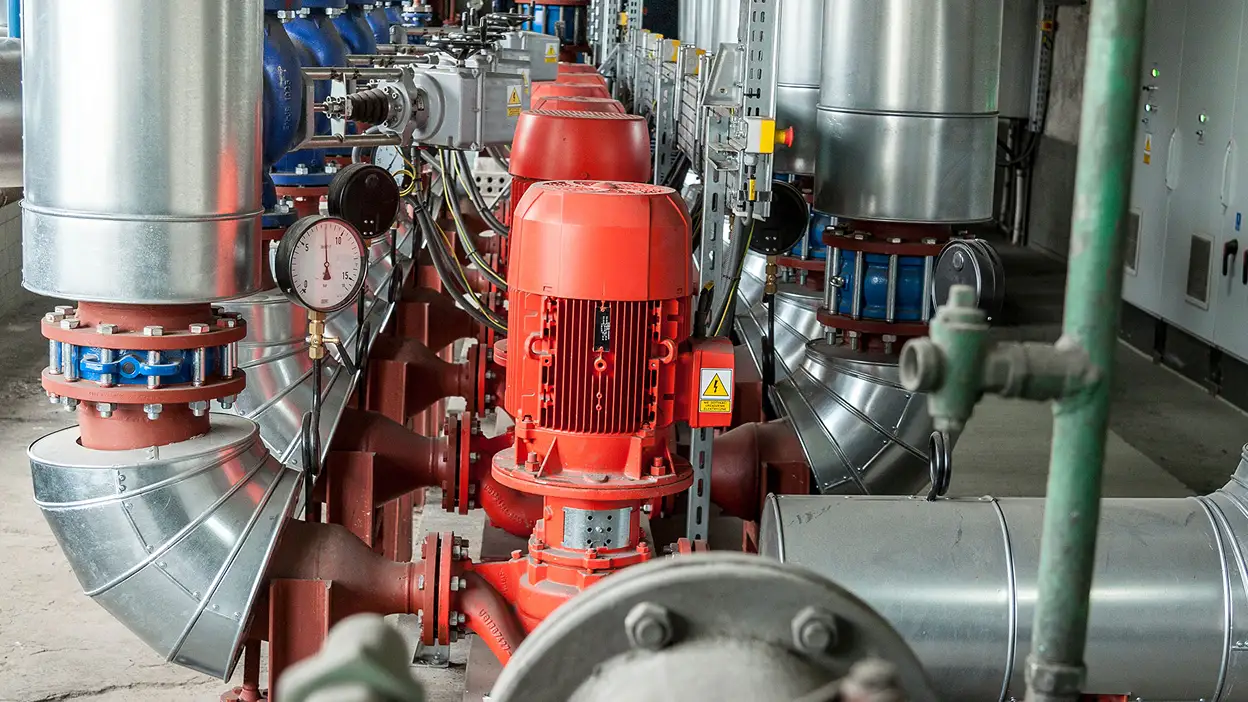
Understanding Viscosity and Its Impact on Pump Performance
In heavy industries—whether it’s oil refining, chemical manufacturing, or food processing—handling dense, slow-moving fluids is a daily challenge. High-viscosity fluids generally require specialized equipment (often a positive displacement pump with a large diameter intake) because their resistance to flow can significantly impact process efficiency. That’s where a high-viscosity transfer pump becomes essential. Designed specifically to manage thick, heavy materials that conventional pumps struggle with, these pumps are the backbone of efficient, uninterrupted operations across a range of sectors. High-viscosity pumps are engineered to reduce friction and improve flow efficiency, ensuring reliable transfer of even the most challenging fluids.
What Qualifies as a High-Viscosity Liquid
Viscosity measures a fluid’s resistance to flow. Water has low viscosity, while molasses, crude oil, or industrial adhesives fall into the high-viscosity category. In general, any liquid with a viscosity above 1,000 centipoise (cP) is considered high-viscosity. The higher the number, the thicker the fluid—and the tougher the transfer process.
Challenges Posed by Thick Materials
Pumping high-viscosity liquids is not just a matter of brute force. These fluids resist movement, which slows down flow rates and increases the strain on standard pumping systems. Resistance in the line leads to high energy consumption, increased wear, and a greater risk of cavitation—a condition where vapor bubbles form and collapse, potentially damaging the pump. To overcome this, pumps must generate the necessary pressure to effectively move high-viscosity fluids and prevent issues like cavitation. Without the right equipment, these issues can halt production, inflate maintenance costs, and compromise safety. Understanding the pressure requirements is essential for selecting the right pump for thick materials.
How Pump Design Compensates for Flow Resistance
A high-viscosity liquid transfer pump is engineered to counteract these problems. Unlike standard pumps, they incorporate larger clearances, specialized impellers or rotors, and slower operating speeds to maintain consistent flow without shear damage or clogging. Proper outlet design is also essential in these systems to ensure consistent flow and prevent blockages, especially when handling high-viscosity fluids. The result: smoother transfer of even the most stubborn fluids.
Whether you’re moving industrial adhesives or thick oils, using a high-viscosity oil transfer pump ensures your system can handle the job without frequent downtime. In chemical processing, where precise flow control is crucial, a high-viscosity chemical transfer pump can significantly impact operational efficiency. Selecting the right high-viscosity transfer pump means fewer headaches and more control over your process flow.
In this article, we’ll break down how these pumps work, where they’re most effective, and what to consider when choosing one for your application. Understanding viscosity isn’t just a technical concept—it’s the key to unlocking real-world efficiency in heavy-duty fluid handling.

Core Design Features of a High Viscosity Transfer Pump
Transferring dense, sluggish fluids isn’t just a matter of choosing any pump—it’s about choosing the right pump. Selecting the appropriate pump type is critical for handling high-viscosity fluids, as different pump types (such as diaphragm, lobe, or twin screw pumps) are designed to address specific challenges associated with viscous products. A high-viscosity transfer pump is specifically designed to handle fluids that traditional systems struggle to manage efficiently. From thick oils to adhesive chemicals, only pumps suitable for these challenging applications must be robust, reliable, and specifically engineered for the job. Let’s break down the core design features that distinguish them.
Positive Displacement Technology vs. Centrifugal Pumps
When it comes to moving high-viscosity fluids, centrifugal pumps quickly show their limits. These pumps rely on velocity to generate flow, which is ineffective with slow-moving or viscous substances. In contrast, a high-viscosity liquid transfer pump typically uses positive displacement (PD) technology. PD pumps deliver a fixed volume with each stroke or rotation, ensuring a steady flow regardless of resistance. This makes them ideal for applications involving molasses, grease, heavy oils, or resins. There are several pump types designed specifically for high-viscosity fluids, such as peristaltic and centrifugal pumps, each offering unique advantages depending on the application.
Seal Integrity, Motor Strength, and Wear Resistance
A high-viscosity oil transfer pump must withstand continuous stress. Seal integrity is crucial—viscous fluids put more pressure on seals, increasing the risk of leaks or failures. High-performance PD pumps are designed with reinforced seals and housings that prevent breakdown, even under the most demanding conditions.
Motor strength is another critical factor. The thicker the fluid, the more torque is needed. That’s why these pumps often feature heavy-duty motors engineered for high torque at low speeds. Combined with wear-resistant internal components, this design ensures long-term reliability, even in abrasive or corrosive environments.
DAE Pumps' Product Innovations for Viscous Fluids
DAE Pumps has become a standout in the field by pushing innovation in high-viscosity transfer pump technology. Their products feature rugged construction, precision-engineered seals, and enhanced motor systems designed specifically for handling tough fluids. Whether you're dealing with sludge, adhesives, or industrial lubricants, DAE offers solutions, such as the high-viscosity chemical transfer pump, that can handle it all with ease.
From design to execution, the high-viscosity liquid transfer pump is not just a component—it’s a performance enabler. Choosing the right pump, like a high-viscosity oil transfer pump from DAE, means maximizing uptime and minimizing headaches.
Benefits of Using High Viscosity Transfer Pumps
High viscosity transfer pumps are a game-changer for industries that regularly handle thick, slow-moving, or sticky fluids. From food processing to pharmaceuticals and oil and gas, these pumps are specifically designed to tackle the challenges posed by viscous fluids. By integrating high viscosity pumps into their operations, companies across various industries can achieve greater efficiency, reduce operational headaches, and consistently deliver high-quality products. Whether you’re dealing with heavy oils, dense syrups, or industrial adhesives, the right pump can make all the difference in maintaining smooth, cost-effective production.
Enhanced Efficiency and Productivity
When it comes to handling high viscosity fluids, not all pumps are created equal. High viscosity pumps are specifically designed to move thick fluids with ease, minimizing the risk of pump failure and unplanned downtime. This is especially important in industries like food processing, where peristaltic pumps are commonly used to transfer products such as tomato paste or honey. These pumps provide a gentle, efficient pumping action that preserves product integrity while boosting throughput. By choosing pumps suited for handling high viscosity fluids, companies can streamline production, reduce the time spent on maintenance, and lower the risk of costly breakdowns. The result is a more efficient operation, with less energy wasted and more product delivered on time.
Reduced Downtime and Operational Costs
One of the standout advantages of high viscosity pumps is their ability to minimize downtime and keep operational costs in check. Built with wear-resistant and corrosion-resistant materials, these pumps are engineered to withstand the rigors of moving highly viscous fluids day in and day out. Proper lubrication and regular maintenance of pump components further extend the lifespan of the equipment, reducing the frequency of repairs and replacements. Progressive cavity pumps, for example, are capable of handling viscosities up to 1,000,000 cP, making them a versatile solution for a wide range of industries and applications. By investing in pumps that are resistant to wear and designed for easy maintenance, companies can keep their processes running smoothly and avoid the expense of frequent equipment failures.
Improved Product Quality and Consistency
Maintaining product quality is critical, especially when dealing with high viscosity fluids that are sensitive to shear stress or temperature changes. High viscosity pumps, such as gear pumps with intermeshing gears, are designed to move thick fluids gently, minimizing shear and preventing damage to the product. This ensures that the final output meets strict specifications and quality standards, whether you’re transferring food-grade syrups, industrial resins, or specialty chemicals. Drum pumps, for example, offer a convenient and efficient solution for transferring high viscosity fluids directly from storage drums, ensuring consistent flow and reducing the risk of contamination. By using pumps that are suitable for a wide range of viscosities and operating conditions, companies can deliver products that consistently meet customer expectations and regulatory requirements, building trust and loyalty in the process.

Applications of High Viscosity Liquid Transfer Pumps Across Industries
A high-viscosity transfer pump isn’t limited to one industry—it’s a critical tool across a wide range of operations where thick fluids are part of the process. From paint to food-grade syrup, industrial adhesives to waste sludge, the ability to move viscous materials efficiently is a game-changer. These pumps are supplied in a variety of configurations to meet the specific needs of different industries, ensuring optimal performance for each unique application. The versatility and strength of the high-viscosity liquid transfer pump make it indispensable wherever fluid handling gets heavy.
Handling Complex Fluids Like Paints, Adhesives, and Resins
Some of the most common uses for these pumps involve extremely thick and sticky substances. In the manufacturing of paints, coatings, resins, and industrial adhesives, maintaining a steady, clog-free flow is essential. A high-viscosity chemical transfer pump can handle these materials without degradation, preserving consistency and ensuring smooth transfer from storage to production.
Food-grade syrups, chocolate, and pastes are equally challenging to work with. A high-viscosity oil transfer pump can move these without exposing them to high shear forces or temperature fluctuations that could compromise product quality. In the food and beverage industry, cleanliness, control, and precision are key, and these pumps deliver.
Batch vs. Continuous Operations
Operations vary from facility to facility. Some rely on batch processing, while others require continuous, around-the-clock flow. Fortunately, high-viscosity transfer pump systems can be configured to support both high-viscosity and low-viscosity applications. Batch operations benefit from precision control and quick cleanup features, while continuous systems rely on the pump's ability to maintain constant pressure and flow without interruption. Choosing the right configuration ensures optimal efficiency and lower operational stress.
Improving Efficiency in Waste and Food Sectors
In waste treatment plants, sludges and slurry-like materials are notoriously difficult to manage. A high-viscosity oil transfer pump excels in moving these heavy mixtures without clogging or overloading the system. Likewise, in food manufacturing, the high-viscosity liquid transfer pump ensures the sanitary handling and accurate dosing of products such as peanut butter, dough, or molasses.
Whether in the chemical, food, or waste processing industries, the high-viscosity transfer pump enhances throughput, minimizes downtime, and ensures heavy-duty processes run smoothly.

High Viscosity Oil Transfer Pump Use in Petrochemical and Fuel Operations
Transferring Crude Oil, Heavy Fuel Oil, and Lubricants
In the petrochemical and fuel industries, managing thick fluids such as crude oil, heavy fuel oil, and lubricants is a core operational task. These substances resist flow and demand a robust solution. A high-viscosity oil transfer pump is specifically engineered to move these materials efficiently, even under extreme pressure and temperature conditions. Unlike standard pumps, a high-viscosity transfer pump maintains steady flow without clogging, ensuring consistent throughput and process reliability.
Safety Measures and Compatibility with Flammable Substances
Flammable materials require more than just power—they require precision and protection. A high-viscosity chemical transfer pump must be built with safety-rated materials, explosion-proof motors, and airtight seals to prevent leaks and vapor escape. These safety features are crucial in reducing fire risks, protecting operators, and ensuring compliance with industry regulations. In high-risk environments, using a properly rated high-viscosity transfer pump isn't optional—it's critical.
How DAE Pumps Ensure Smooth Transfer in Harsh Environments
DAE Pumps has developed rugged solutions for transferring viscous petrochemical fluids in some of the harshest industrial settings. Their high-viscosity transfer pump designs feature corrosion-resistant construction, reinforced seals, and high-torque motors that are capable of handling the abrasive and sticky nature of fuels and oils. These pumps are optimized for minimal maintenance and maximum uptime.
Whether moving bulk lubricant or processing crude oil, a high-viscosity liquid transfer pump from DAE ensures stable, safe, and continuous operation. Their models are trusted across facilities that prioritize safety, flow precision, and long-term durability. Choosing a high-viscosity oil transfer pump from a proven manufacturer like DAE means fewer shutdowns, better compliance, and more control over every transfer task.
High Viscosity Chemical Transfer Pumps in Hazardous Settings
Corrosion Resistance and Chemical Compatibility
In hazardous environments where chemicals are reactive, toxic, or corrosive, equipment failure isn't just costly—it's dangerous. A high-viscosity chemical transfer pump must meet strict demands for chemical compatibility and corrosion resistance. These pumps are constructed using materials such as stainless steel, PTFE, or specialized alloys that resist damage from aggressive fluids, ensuring both safety and longevity. Whether handling acids, solvents, or specialty compounds, a high-viscosity transfer pump designed for chemical duty must withstand the harshest contents without degrading or leaking.
Use Cases in Pharmaceutical, Cosmetic, and Specialty Chemical Plants
Industries such as pharmaceuticals and cosmetics rely on precision when handling viscous, high-value substances, including gels, creams, active compounds, and emulsions. In these settings, a high-viscosity liquid transfer pump plays a key role in moving ingredients without contamination or product loss. For specialty chemical plants, where custom formulations may include thick polymers or reactive agents, the right pump must offer not only durability but also accurate, pulse-free flow.
A high-viscosity oil transfer pump also finds use in these environments, especially for lubricant blending or in chemical plants where process fluids overlap with petroleum-based products. Each application demands a solution that can meet strict cleanliness, metering, and control requirements—something only a well-engineered high-viscosity transfer pump can consistently deliver.
Integration with Flow Meters and Automation Systems
Modern processing facilities rely heavily on data and automation. A high-viscosity transfer pump, integrated with flow meters, control valves, and programmable logic controllers (PLCs), provides real-time flow monitoring, automated dosing, and system alerts. This type of integration is crucial in pharmaceutical and chemical applications, where accuracy and compliance are non-negotiable.
By combining chemical resistance, precision performance, and smart control capabilities, a high-viscosity liquid transfer pump ensures both efficiency and safety, even in the most demanding and hazardous industrial environments.
How to Select the Right High Viscosity Transfer Pump for Your Process
Choosing the right high-viscosity transfer pump is more than just matching a model to your fluid—it’s about ensuring long-term efficiency, safety, and minimal downtime. Whether you’re transferring industrial adhesives, thick oils, or reactive chemicals, the pump must align precisely with the demands of your application. Selecting the best pump for high viscosity fluids ensures optimal flow rate and efficiency.
Matching Pump Capacity to Fluid Characteristics
Start by understanding the viscosity and behavior of your fluid. Is it shear-sensitive, abrasive, or prone to solidifying under certain conditions? A high-viscosity liquid transfer pump must be selected based on how the fluid moves under pressure and temperature. For example, resins and syrups behave very differently from sludge or grease.
Positive displacement pumps are typically preferred for high-viscosity fluids because they deliver a consistent flow regardless of resistance. This is especially important for maintaining the integrity of flow with substances like lubricants and coatings. A high-viscosity oil transfer pump designed for such materials can prevent issues like clogging or uneven delivery that might occur with centrifugal pumps.
Evaluating Temperature, Pressure, and Distance Requirements
Beyond fluid properties, operational factors play a major role in pump selection. What’s the temperature range of your process? How far and how high does the pump need to move the material? Will the system operate intermittently or continuously?
These questions help determine the right motor size, pressure rating, and sealing configuration. For example, a high-viscosity chemical transfer pump used in a heated environment must have temperature-resistant seals and materials that won’t degrade over time. Likewise, long-distance transfers may require higher horsepower or specialized gearing to maintain flow and avoid pressure drop.
DAE Pumps’ Expert Support and Sizing Tools
Selecting the right high-viscosity transfer pump can feel complex, but you don’t have to make the decision alone. DAE Pumps offers tailored sizing tools and expert consultation to guide users through the selection process. Whether you're looking for a high-viscosity oil transfer pump for refinery operations or a high-viscosity liquid transfer pump for food-grade syrups, their team helps assess your application and match it with the best-fit model.
Their pump configurators take into account fluid type, flow rate, discharge pressure, and environmental conditions to recommend a solution optimized for both performance and longevity.
With the right high-viscosity transfer pump, your process becomes smoother, safer, and more cost-effective because when the pump fits, everything flows.
Conclusion and Contact CTA
Choosing the right high-viscosity transfer pump is crucial for ensuring safety, efficiency, and continuous flow in demanding industrial processes. Whether transferring adhesives, oils, or corrosive chemicals, the right pump minimizes downtime and maintenance. That’s why industries worldwide rely on DAE Pumps.
DAE Pumps provides proven expertise and reliable solutions for high-viscosity oil transfer, chemical handling, and other demanding applications. Their products are designed to perform under extreme conditions and are tailored to specific requirements, including viscosity, temperature, and pressure.
What truly sets DAE apart is its support, from selecting the right high-viscosity liquid transfer pump to ongoing technical assistance. Its team works closely with plant managers and engineers to ensure long-term success.
Ready to optimize your operation? Contact a DAE technical advisor or request a quote today. Whether it's a high-viscosity oil transfer pump or a high-viscosity chemical transfer pump, DAE Pumps is your trusted partner in fluid handling.