by Aniket Raj | May 26, 2026 | Pumps
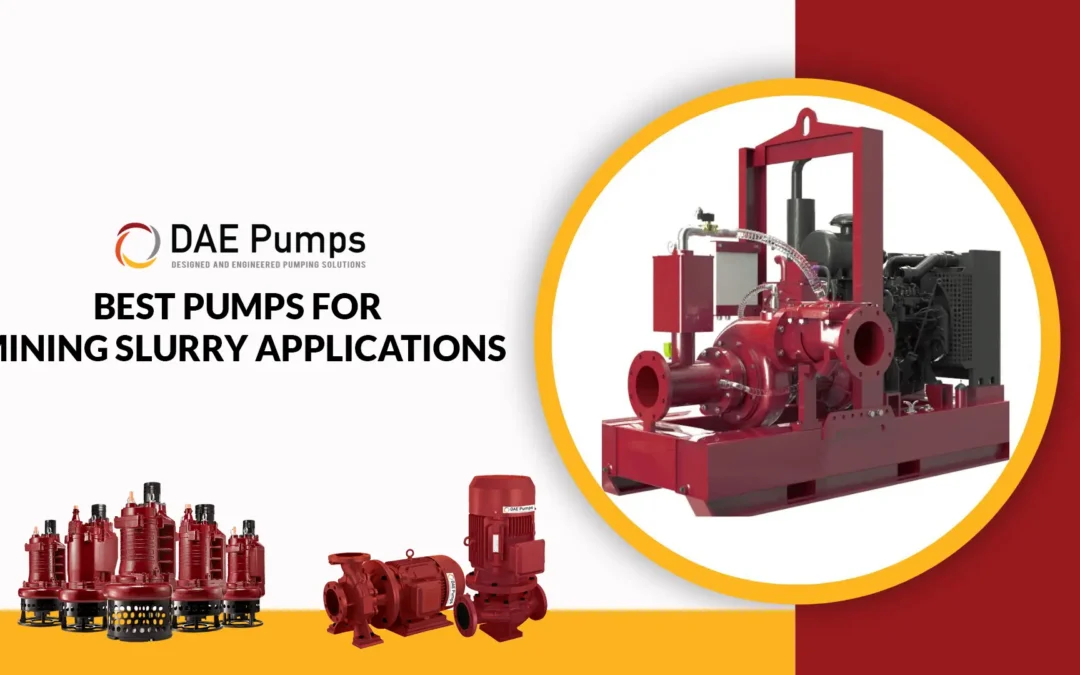
Mining slurry is one of the most difficult materials to transport in industrial pumping systems. Unlike clean water applications, mining slurry contains abrasive solids that continuously wear internal pump components while creating unstable flow conditions throughout the system. Particle size, solids concentration, slurry density, viscosity, and material composition all influence how a pump performs, how quickly components wear, and how reliably the system operates over time. Standard water pumps often fail in mining slurry environments because they are not...
Read more...
by Vaishali Naliyapara | Apr 10, 2026 | Pumps
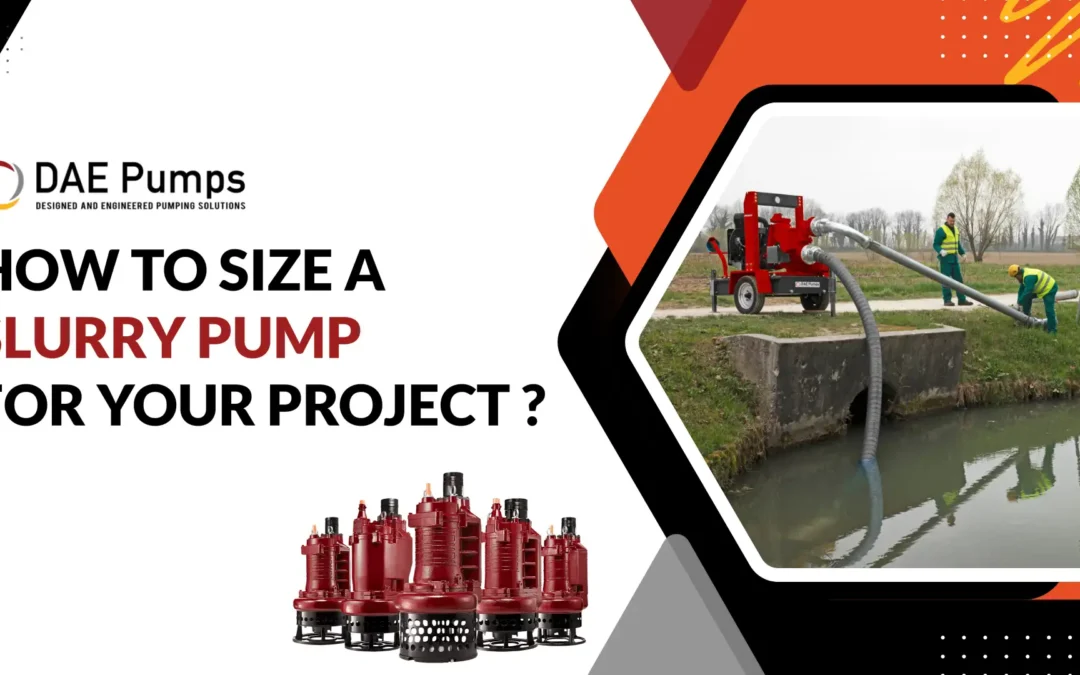
Slurry pump sizing means selecting a pump that can move your slurry at the required flow rate and pressure without causing excessive wear, cavitation, or unnecessary energy loss. You are matching the pump’s capacity, power, hydraulic design, and materials to the real conditions in your system, including the slurry itself, the piping layout, the suction conditions, and the operating demands. Correct sizing matters because it directly affects how the system performs over time. When the pump is sized correctly, flow stays stable, component stress stays under...
Read more...
by Aniket Raj | Jan 27, 2026 | Pumps
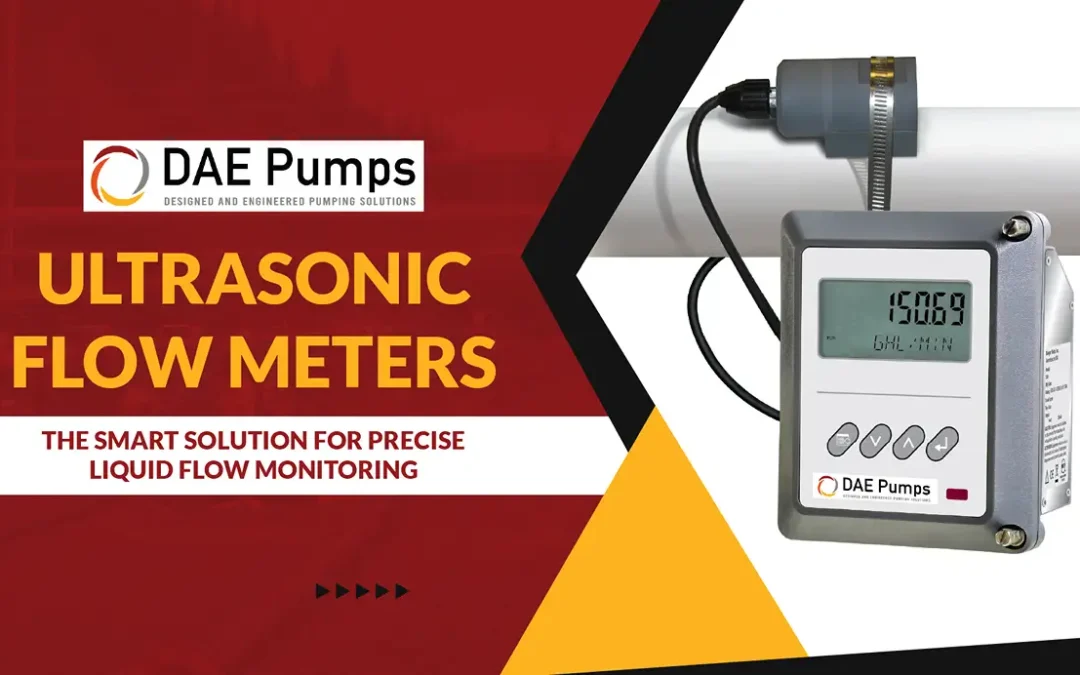
In many pumping systems, flow is assumed rather than measured. Operators often rely on pump curves, pressure readings, or past experience to judge whether a system is performing as expected. This works only up to a point. Once slurry density changes, air enters the line, or hoses wear over time, those assumptions no longer match reality. This is where an ultrasonic flow meter becomes useful. It allows liquid flow monitoring directly on an existing pipe or hose without cutting the line or stopping operations. For dredging, wastewater, slurry, and other abrasive...
Read more...
by Aniket Raj | Jan 16, 2026 | Pumps
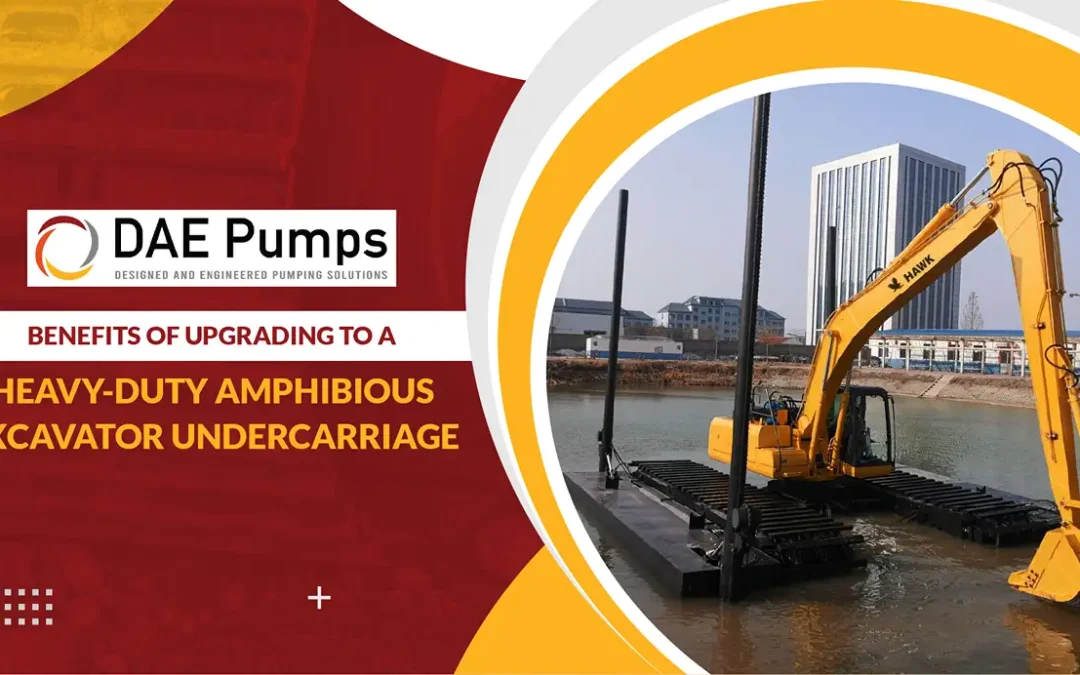
The amphibious excavator undercarriage plays a vital role in converting a normal excavator to a multi-terrain machine. This is integral to operations such as dredging, wetland restoration, mining, and flood control. An amphibious excavator undercarriage enables a normal excavator to maneuver through marshes, swamps, and riverbeds where a convention excavator might sink or get stuck. This can be critical in emergency operations and when operators cannot afford downtime. A standard amphibious excavator undercarriage is usually enough for most situations, but...
Read more...
by Aniket Raj | Oct 22, 2025 | Pumps
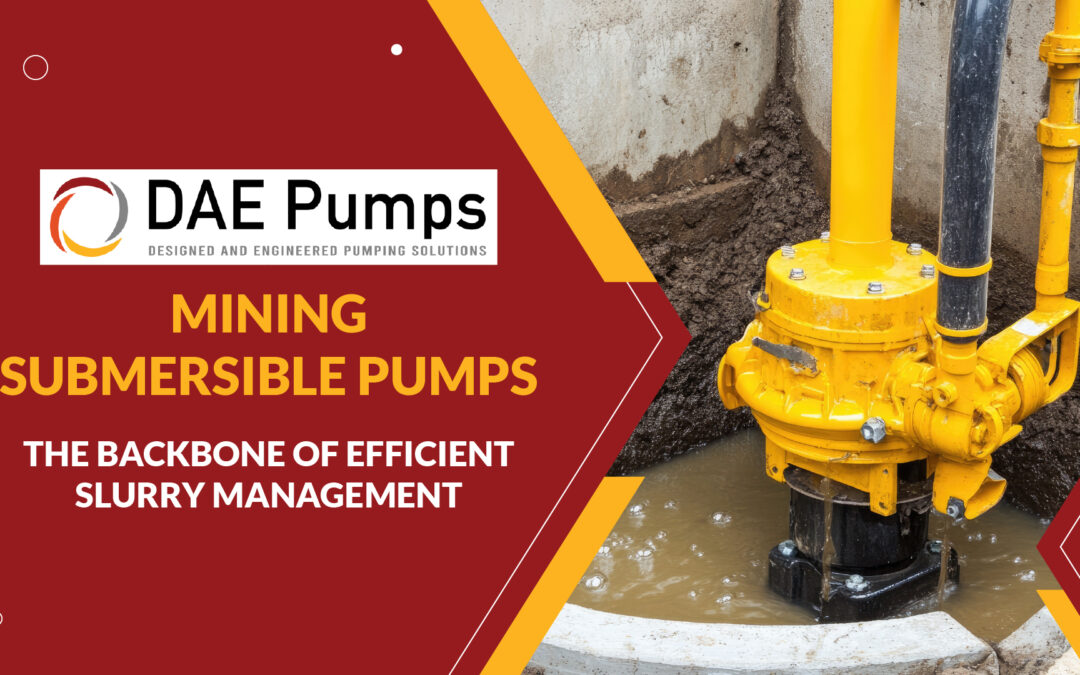
Mining submersible pumps are specifically engineered to operate in submerged conditions, where other types of pumps would fail. They offer a solution to several challenges in mining, such as handling abrasive, corrosive, and sediment-heavy fluids. These pumps also significantly reduce the risk of equipment failure due to dry running, a common problem with traditional pumps. This blog will examine the significance of submersible mining pumps in the industry and how they help address some of the most pressing challenges in slurry management. Understanding Mining...
Read more...
by Aniket Raj | Oct 22, 2025 | Pumps
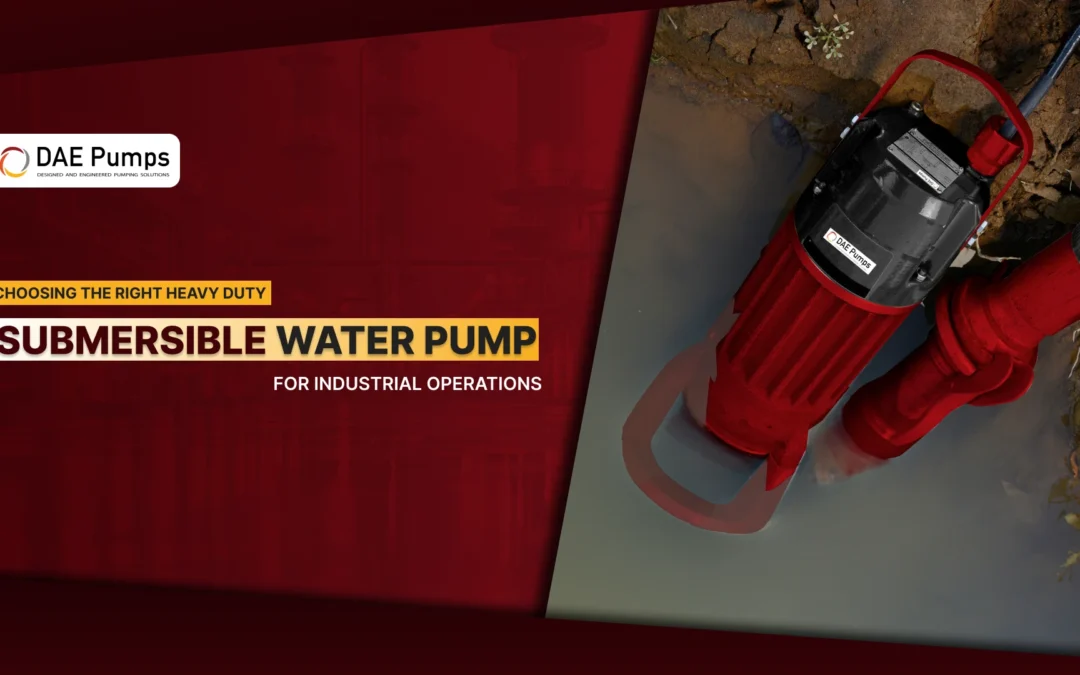
Introduction: Meeting Industrial Challenges with Submersible Power The demand for reliable water and slurry handling in heavy industries has pushed the boundaries of pump technology. Modern operations—from mining pits to wastewater plants—require a heavy-duty submersible water pump that can operate under continuous load, handle abrasive materials, and deliver consistent performance in harsh conditions. Traditional surface pumps often struggle in submerged or confined spaces due to issues like air binding, cavitation, and energy inefficiency. That’s why...
Read more...