


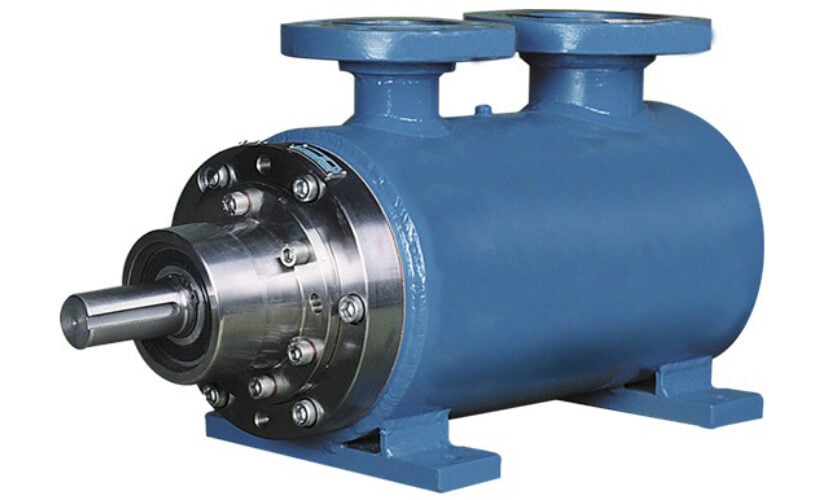
Screw Pumps – 800m3/hr / 2200 GPM

Screw Pumps – 800m3/hr / 2200 GPM
DAE Pumps Screw Pumps are designed for pumping light fuel oils such as diesel, kerosene, and biodiesel. It is also possible to pump vegetable oil, motor oil, and glycerol. These oils have different benefits and drawbacks, making them more or less ideal for different situations. Additionally, these pumps are capable of handling multi-phase fluids, particularly in industries like Oil & Gas, where mixed liquid and vapor fluids are common.
It is a helical gear pump and a built-in by-pass valve for pumping clean viscous liquids not containing abrasive or solid particles. This pump is ideal for many applications, including those requiring high flow rates or pressures. The pump’s unique design makes it possible to achieve a wide range of flow rates and pressures, making it an ideal choice for various applications.
DAE Pumps Screw Pumps’ gear oil pumps are suitable for transporting various oils such as petroleum, diesel, and lubricant. When using copper gears, the pumps can converfluids with low flash points such as gasoline and benzene at temperatures below 70℃. They are widely used in oil reservoirs, piers, ships, mining sites, factories, and farms. The Screw Pumps series gear oil pumps are mainly used for transporting viscous lubricants for mechanical equipment. The pumps can pump cooking oils or beverages when equipped with stainless steel gears.
Introduction to Screw Pumps
A screw pump is a type of positive displacement pump that utilizes rotating screws to move fluids or gases. Known for their high efficiency and reliability, screw pumps are widely used across various industries, including manufacturing, oil and gas, mining, and food processing. These pumps excel in handling a broad spectrum of fluids, from low-viscosity liquids to highly viscous and abrasive materials. The rotating screws within the pump create a continuous flow, ensuring smooth and consistent operation, making screw pumps an ideal choice for applications requiring precision and dependability.

Get Pricing
Get the pricing DAE Pumps Screw Pumps
Specifications
| Max Capacity | up to 800m3/hr | 2200 US GPM |
| Max Pressure | up to 20 Bar | 290 Psi |
| Viscosity | up to 7000 cSt | 32500 ssu |
| Max Temperature | -40 to +200°C | -40 to 390°F |
Types of Screw Pumps
There are several types of screw pumps, each designed to meet specific needs and applications. Here are some of the most common types:
- Twin Screw Pumps: Utilizing two intermeshing screws, a twin screw pump is perfect for applications requiring high flow rates and pressures. They are particularly effective in handling viscous fluids and maintaining a steady flow rate.
- Triple Screw Pumps: These pumps feature three screws to move fluids, offering high efficiency and low pulsation. Triple screw pumps are ideal for applications where smooth, consistent flow is critical, such as in lubrication systems and fuel transfer.
- Progressive Cavity Pumps: Known for their ability to handle high viscosity fluids, a progressive cavity pump uses a rotor and stator mechanism to move fluids. These are commonly used in industries like wastewater treatment and food processing.
- Eccentric Screw Pumps: These pumps also use a rotor and stator but are designed for applications requiring high pressure and flow rates. Often, professionals best benefit from an eccentric screw pump in chemical processing and oil and gas industries.
Each type of screw pump offers unique advantages when compared to a centrifugal pump, making them suitable for a wide range of industrial applications.
How Screw Pumps Work
Screw pumps operate by using rotating screws to move fluids or gases through a cylindrical cavity. As the screws rotate in a synchronized manner, they create a positive displacement of the fluid or gas. The process begins with the fluid or gas being drawn into the pump through a suction port. Once inside, the rotating screws propel the fluid or gas through the cylindrical cavity, gradually increasing its pressure. This mechanism allows the fluid or gas to be discharged at a higher pressure than it was at the suction port, ensuring efficient and effective pumping.
Screw Pump Applications and Advantages
Applications
The Screw Pumps Machine range is designed for medium pressure high flow applications on clean liquids.
- Lube Oil Transfer
- Fuel Oil Transfer
- Orimulsion Transfer and Firing
- Scavenging
- Fuel Oil Pumping and Heating Sets
- Duplex Pump and Filter Sets
- Rail/Road Car Loading and Unloading
- Hydraulic Power Packs
- Watertight Door Operation
- Elevator / Lift Pumps
- Variable Pitch Propeller Control
- Bitumen Production and Loading
- Fats Transfer
- iscose Production
Advantages
Screw pumps offer several advantages over other types of pumps, making them a preferred choice in many industries:
- High Efficiency: Screw pumps are highly efficient, capable of achieving high flow rates and pressures with minimal energy consumption. This efficiency translates to cost savings and improved performance.
- Low Pulsation: The design of screw pumps ensures a smooth, pulsation-free flow, which is crucial for applications where fluid dynamics are critical. This feature helps in maintaining consistent and reliable operation.
- Ability to Handle Viscous Fluids: Screw pumps can handle a wide range of fluids, including highly viscous and abrasive materials. This versatility makes them suitable for various industrial applications.
- Low Maintenance: With a simple design and few moving parts, screw pumps are easy to maintain and repair. This reduces downtime and maintenance costs, enhancing overall productivity.
These advantages make screw pumps an efficient and reliable solution for many pumping needs.
Comparison with Other Pump Technologies
When compared to other pump technologies, screw pumps stand out for their efficiency, versatility, and smooth operation.
- Higher Efficiency: Screw pumps are generally more efficient than centrifugal pumps and many other positive displacement pumps. They can achieve high flow rates and pressures with less energy consumption.
- Lower Pulsation: Unlike many other pump technologies, screw pumps produce a smooth, pulsation-free flow. This characteristic is particularly beneficial in applications where maintaining a consistent flow is essential.
- Greater Versatility: Screw pumps can handle a wide range of fluids, from low-viscosity liquids to highly viscous and abrasive materials. This versatility makes them suitable for a variety of applications across different industries.
Overall, screw pumps offer a reliable and efficient pumping solution that is well-suited for a wide range of applications. Their high efficiency, low pulsation, and ability to handle viscous fluids make them an ideal choice for many industries.
Usage
- The pump can transport various oil, such as crude oil, diesel oil, and lubricating oil;
- The pump with a bronze impeller can transport liquid with low flash points such as gasoline and benzene. etc.;
- Pump with stainless steel can transport beverage and corrosive liquid.
- The temperature of medium can not be higher than 70 degrees Celsiuhigh-temperature
- anti high temperature gear oil pump can transport the liquids with no more than 300 degrees celsius and viscosity of 5*10-5—1.5*10-3m2/s.
- The pump is not suitable for hard solid or fibre.
DAE Pumps Screw Pump Models


Features:
- API 676 AND OTHER SPECIFICATIONS
DAE Pumps Screw pumps can be supplied by the requirements of API 676. Other international pump standards or clients’ specifications can be accommodated.
- UNITIZATION
DAE Pumps Screw pumps can be supplied bare shaft or fully assembled with driver on a baseplate with coupling and guard.
- PUMP SEALING
DAE Pumps Screw pumps can be supplied with single components or single cartridge-style seals.
- RELIEF VALVE
As standard, the Screw pumps range has a complete built-in complete flow relief valve for pump protection.
- RELIEF VALVE JACKING DEVICE
DAE Pumps Screw pumps can be fitted with a relief valve jacking device to lift the relief valve from its seat manually. This device allows for liquid recirculation to aid extreme suction or discharge conditions. The RVJD is helpful during cold start conditions to avoid the need to oversize the driver.
- DRY RUNNING
DAE Pumps Screw pumps range can be fitted with a dry running facility to allow total loading and unloading cycles.
- SELF PRIMING
DAE Pumps Screw pumps range has good self-priming capabilities to evacuate air from suction lines.
Accessories
Get turnkey solutions that include dredge hoses, slurry flow meters, power units, tanks for the collection and storage of slurry, and more. These accessories, such as tanks, are designed to integrate seamlessly into the overall pumping process, ensuring efficient material handling and process optimization. Choose from multiple sizes of slurry hoses for the transferring of materials, wireless flow meters for measuring the flow rate in gallons per minute of liquid, and power units for operation. Parts are always in stock and available for immediate shipping to anywhere in the US and the world.
Maintenance and Repair
Regular maintenance is essential for ensuring the optimal performance and longevity of slurry pumps, including electric slurry pumps and submersible slurry pumps. In demanding applications such as mining, dredging, and construction, pumps are often exposed to high viscosity slurries, abrasive materials, and challenging conditions that can accelerate wear and increase the risk of clogging. To address these challenges, modern slurry pumps are constructed with wear resistant materials and specially designed impellers and wear parts, significantly reducing the frequency of repairs and minimizing downtime.
One of the standout features of today’s electric slurry pumps is their easy maintenance. Many models are engineered for quick and straightforward replacement of wear parts and seals, allowing operators to perform routine maintenance with minimal disruption to operation. This not only helps to keep operating costs and energy consumption in check, but also ensures that the pump continues to deliver efficient and reliable performance, even when handling tough materials like fly ash or sediment.
Regular inspection and verification of key pump components—such as the impeller, seals, and pressure systems—are crucial for identifying signs of wear before they develop into major issues. By adjusting the impeller and replacing worn parts as needed, operators can optimize the pump’s efficiency and extend its service life. This proactive approach to maintenance is especially important in industries where downtime can be costly and where the security and reliability of pumping systems are paramount.
In addition to in-house maintenance, many manufacturers offer specialized repair services, spare parts, and expert technical support to help operators maintain the quality and performance of their slurry pumps. When selecting a pump, it’s important to consider not only its suitability for your specific application, but also the maintenance requirements and support services available. By investing in high-quality, wear resistant pumps and adhering to a regular maintenance schedule, operators can reduce operating costs, minimize downtime, and ensure safe, efficient operation across a wide range of industries.
Ultimately, prioritizing maintenance and repair is key to maximizing the productivity and reliability of your slurry pumping systems. Regular verification and prompt response to any issues help maintain the security and efficiency of your operation, allowing you to meet the demands of even the most challenging pumping applications.

Slurry Hoses

Flow Meters

Hose & Pipe Floats
