
- The Evolution of Flood Control Pumps
- Flood Water Pumps: Essential Tools for Rapid Response
- Integrating Submersible Pumps into a Comprehensive Flood Management Plan
- Floor Water Vacuums: Precision Tools for Interior Flood Management
- Innovative Flood Control Technologies: What's Next?
- Best Practices for Maintaining Flood Control Equipment
- Conclusion
Flooding has become an increasingly common and devastating phenomenon, driven by factors such as climate change, urbanization, and deforestation. The frequency and severity of flood events have amplified the need for effective flood management solutions. Traditional flood defenses, while still important, often need to improve in addressing the complex challenges posed by modern flood scenarios. This has led to the integration of advanced technologies, including high volume pumps, flood water pumps, flood pumps, and floor water vacuums, which are now essential tools in mitigating the effects of flooding and managing water damage.
This article explores the evolution of flood control pumps and vacuums, focusing on the pivotal roles that these tools play in modern flood management. By examining the historical context, discussing the characteristics of current flood control pumps, flood water pumps, and floor water vacuums, and highlighting emerging technologies, this blog provides a detailed overview of the tools and strategies necessary to combat flooding in today’s world.
The Evolution of Flood Control Pumps
Flood management has been a challenge for civilizations throughout history. Early flood control methods primarily involved simple techniques such as building levees, dikes, and canals to divert or contain water. These methods, while somewhat effective, often failed during severe weather events, leading to catastrophic floods that caused widespread destruction and loss of life.
The Industrial Revolution marked a turning point in flood management, as mechanical pumps were developed and adapted for flood control purposes. Initially designed for agricultural irrigation, these pumps were repurposed to handle larger volumes of water in flood situations. Although these early floodwater pumps were limited in capacity and efficiency, they represented a significant advancement in the ability to manage water during flood events.
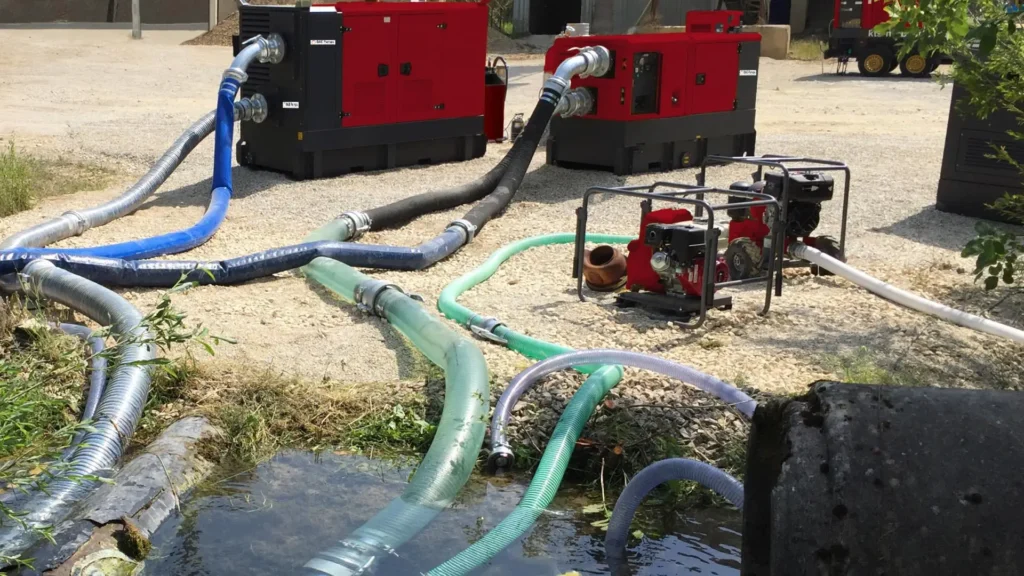
As technology progressed, so did the design and functionality of flood control pumps. Modern flood control pumps, such as the centrifugal pump, have evolved to meet the demands of contemporary flood scenarios, with improvements in capacity, durability, and efficiency. Larger diesel driven pumps also play a crucial role in handling high flow demands during major flooding events, ensuring rapid water removal and minimizing further damage. Advances in materials and engineering have led to the development of flood pumps that can operate continuously under heavy loads, withstand harsh conditions, and be deployed rapidly in response to emergencies.
The integration of digital technology has further revolutionized flood control pumps, enabling remote monitoring, automated operation, and real-time data analysis. These advancements have significantly enhanced the effectiveness of flood management strategies, allowing for more precise and timely interventions.

Flood Water Pumps: Essential Tools for Rapid Response
The speed and efficiency of the response are critical in flood emergencies. A dry prime centrifugal pump is an essential tool for efficient and rapid water removal, achieving over 85% efficiency at the Best Efficiency Point. Flood water pumps are essential tools in these situations, providing the capacity to remove large volumes of water quickly and prevent further damage to infrastructure and property. A dry self priming pump offers operational advantages in high-volume applications, particularly in flood scenarios, functioning efficiently without the risk of cavitation or damage. Several key characteristics define the effectiveness of flood water pumps: speed, capacity, and portability.
Speed
In flood situations, every second counts. The ability to deploy flood water pumps rapidly and begin water extraction immediately can make the difference between minimal water damage and catastrophic destruction. Modern flood water pumps are designed for quick setup and operation, with features such as self-priming capabilities and high flow rates that enable them to start pumping water almost immediately upon deployment. Additionally, the vacuum pump stops priming to ensure smooth transition and minimize the risk of water hammer during operations, thus enhancing overall operational safety. The efficiency of these floodwater pumps ensures that floodwaters are removed swiftly, reducing the risk of prolonged exposure to water, which can lead to structural damage, mold growth, and other long-term issues.
Capacity
The capacity of a flood water pump is a critical factor in its effectiveness. A composite fuel tank enhances the efficiency and reliability of diesel engines by reducing the likelihood of bacteria and debris contamination, which is crucial for maintaining optimal performance in flood control operations. The pump impeller is essential in ensuring smooth operation and preventing clogging, thereby enhancing the overall lifespan and performance of pump systems. Flood water pumps used in flood control must be capable of handling large volumes of water, often in challenging conditions where debris, mud, and other particulates are present. High-capacity flood pumps, such as centrifugal or submersible pumps, are typically employed in these situations due to their ability to move substantial amounts of water quickly. These flood pumps are designed to operate continuously for extended periods, ensuring that water levels are controlled and managed even during prolonged flood events.
Portability
Portability is another essential characteristic of flood water pumps, particularly in emergency response situations. Including an external fuel tank can enhance the functionality and versatility of portable flood pumps, especially in emergencies like flooding where rapid response is crucial. Flood events can occur unexpectedly, and the ability to transport and deploy flood pumps to affected areas quickly is crucial. Portable flood pumps, often mounted on trailers or trucks, allow for rapid movement to different locations as needed. Additionally, lightweight, portable flood pumps are ideal for use in urban environments or areas with limited access, where larger, stationary floodwater pumps may not be feasible.
The combination of speed, capacity, and portability makes floodwater pumps indispensable in modern flood control efforts. They provide a first line of defense against rising waters, protecting communities and infrastructure from the worst effects of flooding.
Integrating Submersible Pumps into a Comprehensive Flood Management Plan
While floodwater pumps are crucial tools in managing floodwaters, their effectiveness is maximized when integrated into a broader flood management strategy. Major flood control projects are essential in managing floodwaters effectively, preventing damage, and ensuring safety in affected areas. Comprehensive flood management plans involve a coordinated approach that includes forecasting, prevention, response, and recovery efforts. Flood pumps play a vital role in this process, particularly in the response and recovery phases, where pump efficiency ensures reliable operation during critical times.
Strategic Placement and Accessibility
One key consideration in integrating flood pumps into a flood management plan is their strategic placement and accessibility. The maximum vacuum range is crucial for ensuring efficient water management in these strategic locations. Flood pumps should be positioned in locations most likely to experience flooding, such as low-lying areas, near rivers, or in urban centers with inadequate drainage systems. Additionally, flood pumps should be easily accessible to emergency response teams, ensuring that they can be deployed quickly when needed.
Strategic placement also involves considering the infrastructure and logistics required to support the operation of floodwater pumps. This includes ensuring that power sources, fuel supplies, and transportation routes are readily available. In some cases, it may be necessary to pre-position flood pumps in flood-prone areas before the onset of flood season, reducing response times and increasing preparedness.
Integration with Other Flood Control Measures
Flood water pumps are most effective when used in conjunction with other flood control measures. For example, they can manage water levels in conjunction with levees, floodgates, and drainage systems. By integrating flood pumps into a comprehensive flood management plan, authorities can create a multi-layered defense system that addresses both immediate and long-term flood risks.
Additionally, the integration of digital technologies allows for real-time monitoring and control of flood water pumps, enabling more precise management of water levels. This can include automated pump operation based on water level sensors, remote monitoring of pump performance, and data analysis to optimize flood pump deployment and operation.

Floor Water Vacuums: Precision Tools for Interior Flood Management
While floodwater pumps are essential for managing large volumes of water in outdoor or large-scale flood scenarios, interior flood management requires a more precise approach. A double diaphragm pump is an advanced pumping system that ensures continuous operation during technical failures, making it highly reliable for dewatering and safety enhancements. Floor water vacuums are specialized tools designed for removing water from indoor environments, such as homes, businesses, and critical infrastructure facilities.
Overview of Floor Water Vacuums
Floor water vacuums are portable devices that use powerful suction to remove water from floors, carpets, and other surfaces. They are particularly useful in situations where traditional flood pumps are too large or impractical, such as basements, small rooms, or areas with delicate materials that could be damaged by high-powered flood pumps.
Floor water vacuums are designed to be easy to operate, with features such as adjustable suction power, ergonomic handles, and detachable tanks for easy disposal of collected water. Some models also include HEPA filters to capture fine particles and prevent the spread of contaminants, making them ideal for use in environments where hygiene is a concern.
Benefits of Floor Water Vacuums in Preventing Long-Term Water Damage
The use of floor water vacuums is critical in preventing long-term water damage in indoor environments. Even a small amount of water left untreated can lead to significant problems, such as mold growth, wood rot, and electrical damage. By quickly and effectively removing water, floor water vacuums help mitigate these risks and protect the integrity of buildings and their contents.
Additionally, floor water vacuums are highly effective in managing water damage in sensitive areas, such as hospitals, data centers, and museums, where even minor water exposure can have serious consequences. The precision and control offered by floor water vacuums make them indispensable tools in comprehensive flood management strategies.
Innovative Flood Control Technologies: What's Next?
As flood events become more frequent and severe, the demand for innovative flood control pumps and technologies continues to grow. The BBA pumps vacuum system is a reliable and efficient solution for effective liquid suction, particularly during emergencies, enhancing performance and minimizing water hammer risk. The future of flood management lies in the development and adoption of new technologies that enhance the efficiency, effectiveness, and adaptability of flood water pumps and floor water vacuums. Dewatering pumps that utilize a mechanical shaft seal require regular inspection to prevent damage and ensure optimal performance.
Emerging Technologies in Dry Prime Centrifugal Pumps and Vacuums
Several emerging technologies are poised to revolutionize flood control. One such innovation is the use of smart flood pumps equipped with sensors and connectivity features that allow for remote monitoring and control. These flood pumps can be integrated into smart city infrastructures, where they communicate with centralized control systems to provide real-time data on water levels, flood pump performance, and potential maintenance needs.
Another promising technology is the development of flood water pumps and floor water vacuums with enhanced energy efficiency. As the demand for sustainable solutions increases, manufacturers are focusing on creating flood water pumps and floor water vacuums that consume less power while maintaining high performance. This includes the use of advanced materials, such as lightweight composites and high-efficiency motors, as well as the incorporation of renewable energy sources like solar or wind power to operate flood pumps and floor water vacuums in remote or off-grid locations.
In the realm of vacuums, advancements in robotics are leading to the creation of autonomous floor water vacuums. These devices can navigate indoor environments independently, detecting and removing water without the need for human intervention. Such technology is particularly valuable in scenarios where quick response times are crucial, such as in the aftermath of a flood.
Automation and Smart Technology Enhancing Flood Response Capabilities
Automation and smart technology are playing an increasingly significant role in flood response. Automated flood control pumps can be programmed to activate automatically when certain conditions are met, such as rising water levels or impending storms. This reduces the need for manual intervention and ensures that flood control pumps are deployed promptly, even in the absence of on-site personnel.
Smart technology also allows for more precise and efficient resource use. For example, data from weather forecasts, water level sensors, and flood pump performance metrics can be analyzed to optimize the deployment and operation of floodwater pumps. This not only enhances the effectiveness of flood response but also reduces costs and minimizes environmental impact.

Best Practices for Maintaining Flood Control Equipment
Regular maintenance and inspections are essential to ensure that flood water pumps and floor water vacuums are always ready to perform at their best. The pump housing plays a crucial role in operational efficiency and maintenance, providing access points and inspection covers for easy upkeep. Proper maintenance not only extends the lifespan of flood water pumps and floor water vacuums but also ensures that they operate reliably when needed most. The mixed flow pump impeller is vital for ensuring cavitation-free operation and adherence to international standards, enhancing the efficiency and operational reliability of these pumps.
Guidelines for Regular Maintenance and Inspections
Routine maintenance of flood water pumps and floor water vacuums should include several key activities:
Inspection of Components:
Regularly inspect all components of the flood pump or floor water vacuum, including seals, hoses, motors, and electrical connections, for signs of wear or damage. Replace any worn or damaged parts immediately to prevent equipment failure during operation.
Testing and Calibration for Pump Efficiency:
Periodically test flood water pumps and floor water vacuums to ensure they are operating at their specified capacities. Calibrate equipment as needed to maintain accuracy and efficiency.
Cleaning and Lubrication:
Keep flood water pumps and floor water vacuums clean and free of debris that could impede operation. Lubricate moving parts to reduce friction and wear, ensuring smooth and reliable performance.
Storage and Protection:
When not in use, store flood water pumps and floor water vacuums in a dry, protected environment to prevent exposure to moisture, dust, and other contaminants. Cover equipment with protective covers or enclosures to shield it from environmental factors.
Preparing Pumps and Vacuums for the Flood Season
In preparation for flood season, it is important to conduct a thorough inspection and maintenance check of all flood control pumps and floor water vacuums. This includes testing flood pumps and floor water vacuums under simulated flood conditions to ensure they are functioning correctly. Additionally, stock up on spare parts and consumables, such as hoses, seals, and lubricants, to minimize downtime in the event of equipment failure.
Training personnel on the proper use and maintenance of flood water pumps and floor water vacuums is also crucial. Ensure that all operators are familiar with the equipment's features, operation procedures, and emergency protocols. Regular drills and training sessions can help reinforce this knowledge and improve response times during actual flood events.
Conclusion
As the frequency and severity of flood events continue to increase, the importance of advanced flood control pumps and floor water vacuums cannot be overstated. Flood water pumps and vacuums play a critical role in managing water damage, providing essential tools for both large-scale flood response and precision interior water management. The evolution of these technologies, coupled with the integration of smart technology and automation, has significantly enhanced the effectiveness of modern flood control strategies.
Investing in advanced flood water pumps, flood pumps, and floor water vacuums is not just a matter of protecting property; it is also about safeguarding lives and ensuring the resilience of communities in the face of growing environmental challenges. By adopting best practices for maintenance and staying informed about emerging innovations, organizations and individuals can be better prepared to meet the challenges of flood management head-on. In doing so, they contribute to a safer, more resilient future for all.