
- The Role of Pumps in Industry: Why Selecting the Right Type of Pump is Critical
- Types of Centrifugal Pumps: From Basics to Specialty Variants
- Understanding Positive Displacement Pumps and Their Subtypes
- A Quick Guide to Specialty Pumps: Addressing Unique Needs
- Why Specialty Pumps Matter
- How to Choose Among Different Types of Pumps: A Practical Pump Guide
- DAE Pumps’ Product Range: Solutions for Every Pumping Challenge
- Case Studies: Real-World Applications of Different Types of Pumps
- Conclusion
Pumps play a vital role in countless industries, facilitating fluid movement with precision and reliability. Their importance spans applications ranging from small agricultural irrigation systems to massive industrial processes. Choosing the right pump is essential to ensuring operational efficiency and achieving optimal results. With so many different types of pumps available, understanding their functionalities, advantages, and limitations is key to making informed decisions.
This blog offers a detailed pump guide, providing insights into the various types of pumps and their specific uses. We'll explore popular options like centrifugal pumps, which are ideal for high-flow scenarios, as well as other essential types of centrifugal pumps designed for diverse applications. Additionally, we'll cover positive displacement pumps and specialty pumps to help you select the right option for your unique needs. Whether you're a professional or a newcomer, this guide will help you navigate the complexities of pump selection.
The Role of Pumps in Industry: Why Selecting the Right Type of Pump is Critical
Pumps are essential components in a wide range of industries, facilitating the efficient movement of fluids like water, oil, chemicals, and slurries. They are vital in sectors such as mining, construction, pharmaceuticals, water treatment, and agriculture. Selecting the right pump type is critical, as it directly impacts operational costs, energy efficiency, and overall system performance.
Importance of Understanding Pump Types
Familiarity with different types of pumps is crucial for optimizing operations. Here’s why:
Specific Fluids and Conditions: Different pumps, such as centrifugal pumps or positive displacement pumps, are designed to handle unique fluid properties and operating environments.
Avoiding Misapplication: Selecting the wrong pump type can lead to frequent breakdowns, inefficiencies, and higher maintenance expenses.
Durability and Cost-Effectiveness: Proper pump selection ensures reliability, longevity, and reduced downtime.
A Comprehensive Pump Guide
To make informed decisions, understanding the types of centrifugal pumps and other pump categories is essential. Centrifugal pumps, for example, are ideal for applications requiring high flow rates, while other types of centrifugal pumps cater to specific needs like high-pressure or multistage operations. Positive displacement and specialty pumps offer solutions for unique challenges.
By familiarizing yourself with a detailed pump guide, you can confidently select the right pump for your application, ensuring smoother operations, reduced costs, and maximized efficiency.
Types of Centrifugal Pumps: From Basics to Specialty Variants
Centrifugal pumps are among the most widely used types of pumps across various industries. These pumps operate using centrifugal force, created by the rotation of an impeller, to move liquids efficiently. As the impeller spins, it generates kinetic energy, which pushes fluids outward through the pump casing. This design makes centrifugal pumps ideal for handling low-viscosity liquids and excelling in high-flow applications.
Understanding the Different Types of Centrifugal Pumps
The versatility of centrifugal pumps has led to the development of various specialized models, each tailored for specific applications. Below is a guide to the main types of centrifugal pumps:
End-Suction Pumps:
These single-stage pumps are versatile and widely used in applications like water supply, HVAC systems, and general industrial processes. Their straightforward design makes them cost-effective and easy to maintain.
Inline Pumps:
Compact and efficient inline pumps are commonly used in building services and systems where space is limited. Their vertical alignment simplifies installation in tight spaces.
Split-Case Pumps:
Known for their robust construction, split-case pumps are designed to handle large volumes of fluid. They are frequently employed in municipal water supply systems, firefighting networks, and irrigation projects.
Vertical Centrifugal Pumps:
These pumps are ideal for applications requiring a small footprint, such as sumps, wells, and cooling towers. Their vertical configuration ensures reliability in challenging environments.
Advantages of Centrifugal Pumps
Centrifugal pumps offer numerous benefits, making them a popular choice in various industries:
- Simple Design: Their straightforward construction ensures ease of operation and maintenance.
- High Flow Efficiency: They excel in delivering large volumes of liquid quickly and efficiently.
- Cost-Effectiveness: For handling low-viscosity fluids, centrifugal pumps provide an economical solution.
Selecting the Right Pump
Choosing among the different types of pumps, especially centrifugal pumps, depends on several factors, including the required flow rate, pressure, and specific application needs. This pump guide provides the insights needed to make an informed decision, ensuring optimal performance and efficiency in your system. Whether it's an end-suction, inline, split-case, or vertical model, understanding the types of centrifugal pumps helps match the right pump to your application.
Understanding Positive Displacement Pumps and Their Subtypes
Positive displacement pumps are a unique category among the different types of pumps, operating on a principle distinct from centrifugal pumps. Instead of relying on centrifugal force to move fluids, these pumps trap a fixed volume of liquid and force it through the system, ensuring a consistent and controlled flow. This design makes them particularly effective for handling high-viscosity fluids, abrasive materials, and applications requiring precise dosing or metering.
Subtypes of Positive Displacement Pumps
Positive displacement pumps come in various specialized designs, each suited for specific needs. Below is a pump guide to the most common subtypes:
Rotary Lobe Pumps:
These pumps are gentle on fluids, making them ideal for industries like food processing, pharmaceuticals, and beverages. Their ability to handle delicate products without compromising quality is a significant advantage.
Piston Pumps:
Known for their capacity to generate high pressures, piston pumps are commonly used in hydraulic systems, spray applications, and water jet cutting. Their robust design makes them suitable for demanding environments.
Screw Pumps:
Screw pumps excel at managing viscous materials such as oil, asphalt, and heavy slurries. Their ability to handle challenging fluids makes them invaluable in industrial processes, especially in the energy and chemical sectors.
Benefits of Positive Displacement Pumps
Positive displacement pumps offer several advantages over other types of pumps:
- Consistent Flow: They maintain a steady flow rate regardless of pressure fluctuations.
- Versatility: Ideal for thick, abrasive, or shear-sensitive fluids.
- Precision: Perfect for dosing or metering applications requiring accuracy.
When comparing different types of pumps, positive displacement pumps stand out for their ability to tackle challenging fluids and applications. Whether it’s a rotary lobe, piston, or screw pump, selecting the right subtype ensures optimal performance and reliability in your operations.

A Quick Guide to Specialty Pumps: Addressing Unique Needs
In industries where standard pumps may not suffice, specialty pumps are designed to tackle specific challenges, such as handling corrosive chemicals, managing abrasive slurries, or operating in extreme environments. These pumps play a crucial role in ensuring reliability and efficiency in demanding applications. A thorough understanding of different types of pumps, including specialty options, helps in selecting the most appropriate solution for unique operational needs.
Magnetic Drive Pumps
Magnetic drive pumps are seal-less and operate without the risk of leaks, making them ideal for hazardous or corrosive fluids. These pumps use magnetic coupling to transfer power, eliminating the need for mechanical seals. Their robust design makes them a preferred choice in chemical processing, pharmaceuticals, and environmental applications.
Slurry Pumps
Slurry pumps are specifically engineered to handle abrasive mixtures of solids and liquids. Their heavy-duty construction ensures durability in demanding environments such as mining, dredging, and wastewater treatment. These pumps can efficiently transport viscous and abrasive materials, making them indispensable in industries that process slurries regularly.
Metering Pumps
Metering pumps excel at precision fluid dosing, delivering accurate and consistent flow rates. They are essential in applications such as water treatment, chemical processing, and laboratory operations where precision is critical.
Why Specialty Pumps Matter
Specialty pumps bridge the gap where standard types of pumps fall short, ensuring even the most challenging applications have a reliable solution. Whether it's managing corrosive fluids, abrasive slurries, or precision dosing, specialty pumps demonstrate the importance of understanding the diverse types of centrifugal pumps and other specialized options available. This pump guide underscores the value of selecting the right pump for specific tasks, ensuring efficiency and long-term reliability.
How to Choose Among Different Types of Pumps: A Practical Pump Guide
Selecting the right pump for your application is crucial to ensuring efficiency, reliability, and cost-effectiveness. With a wide variety of pump designs available, including different types of centrifugal pumps and positive displacement options, careful consideration of your requirements is essential. This pump guide highlights key factors to evaluate when navigating the many types of pumps on the market.
Fluid Properties
Understanding the properties of the fluid you need to pump is critical for choosing the right type:
- Viscosity: Centrifugal pumps work best with low-viscosity fluids like water or light oils, while positive displacement pumps handle thicker materials such as slurries or heavy oils.
- Temperature: High or low fluid temperatures can affect the pump’s materials and operation. Choose pumps made with materials designed to withstand extreme temperatures.
- Corrosiveness and Abrasiveness: For corrosive or abrasive fluids, select pumps constructed from durable materials like stainless steel or reinforced polymers to ensure longevity.
Operational Requirements
Your system’s operational needs also play a significant role in pump selection:
- Flow Rate and Pressure: Ensure the pump’s performance curve aligns with your desired flow and pressure. For high-flow applications, types of centrifugal pumps like end-suction or split-case pumps are ideal.
- Space and Installation: When installation space is limited, inline or vertical centrifugal pumps offer a compact solution.
- Energy Efficiency: Select pumps that balance performance with low energy consumption to reduce operational costs.
Making the Right Choice
By carefully analyzing these factors, you can navigate the wide range of different types of pumps to find the best match for your needs. Whether your application requires the simplicity and high flow of centrifugal pumps or the precision of positive displacement pumps, a well-informed decision will ensure optimal performance, durability, and efficiency. This pump guide empowers you to select the perfect pump for your application, ensuring long-term success.

DAE Pumps’ Product Range: Solutions for Every Pumping Challenge
DAE Pumps delivers a diverse range of high-quality products designed to address the unique needs of various industries, including mining, construction, agriculture, and wastewater management. Their comprehensive selection includes different types of pumps tailored to handle a variety of applications with precision and efficiency.
Centrifugal Pumps
DAE Pumps offers a robust selection of types of centrifugal pumps, ensuring versatility and reliability. Their range includes:
- End-Suction Pumps: Ideal for water transfer, HVAC systems, and general industrial processes, these pumps provide efficient and durable performance.
- Inline Pumps: Compact and space-saving, these are perfect for applications with limited installation space, such as building services.
- Split-Case Pumps: Designed for high-volume tasks, these pumps excel in municipal water supply, firefighting, and large-scale industrial operations.
These centrifugal pumps are engineered for durability, ensuring reliable operation even in demanding environments.
Positive Displacement Pumps
For applications requiring precise flow control and the ability to handle viscous or abrasive fluids, DAE Pumps offer several positive displacement options, including:
- Rotary Lobe Pumps: Ideal for gentle handling of delicate fluids in food, beverage, and pharmaceutical industries.
- Screw Pumps: Perfect for transporting high-viscosity materials like oil, slurries, and heavy chemicals.
Specialty Pumps
DAE Pumps also provides specialty solutions for challenging tasks:
- Slurry Pumps: Designed for abrasive materials in mining, dredging, and wastewater treatment.
- Metering Pumps: Essential for precise dosing in chemical processing and water treatment.
Tailored Solutions
With a commitment to quality and customization, DAE Pumps ensures that every client receives a pumping solution tailored to their specific needs. This pump guide highlights their ability to address diverse challenges, making DAE Pumps a reliable partner for various applications.

Case Studies: Real-World Applications of Different Types of Pumps
Understanding the various types of pumps and their applications is essential for ensuring operational success across industries. DAE Pumps provides reliable solutions for numerous real-world challenges, showcasing the versatility and performance of their products. Here are some examples of how different types of pumps have excelled in diverse applications:
Mining Operations
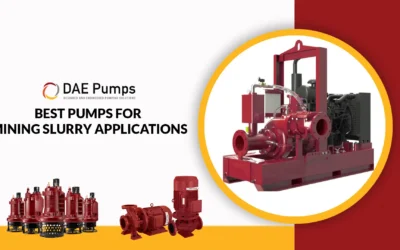
In the demanding environment of mining, DAE Pumps’ slurry pumps are indispensable. These pumps are designed to handle abrasive slurries that contain solid particles, ensuring uninterrupted operations even under extreme conditions. By reducing wear and tear, minimizing downtime, and improving efficiency, slurry pumps contribute to higher productivity and lower maintenance costs. Their robust construction and ability to handle high-viscosity materials make them a go-to choice for mining applications.
Wastewater Treatment
For wastewater treatment facilities, DAE Pumps’ centrifugal pumps are a reliable and efficient solution. These pumps excel in moving large volumes of water while maintaining consistent pressure, ensuring smooth processing of wastewater. Among the types of centrifugal pumps offered, end-suction and inline models are commonly used in these settings for their energy efficiency and durability. By streamlining water transfer and treatment processes, these pumps play a critical role in maintaining environmental standards and operational efficiency.
Construction Projects
Construction projects often require versatile pumping solutions to manage tasks like site dewatering and handling concrete slurries. DAE’s positive displacement pumps, such as rotary lobe and screw pumps, provide consistent performance in these challenging environments. These pumps are particularly effective at managing viscous and abrasive fluids, ensuring precise flow control and reliable operation. Their ability to adapt to fluctuating demands on construction sites makes them an essential tool for contractors.
Why Real-World Applications Matter
These case studies underscore the importance of understanding the different types of pumps and their capabilities. Selecting the right pump not only improves efficiency but also reduces operational costs and ensures long-term reliability. This pump guide highlights how DAE Pumps’ tailored solutions address industry-specific challenges, proving their effectiveness in real-world applications. Whether it’s centrifugal pumps for wastewater, slurry pumps for mining, or positive displacement pumps for construction, DAE Pumps delivers dependable performance across industries.
Conclusion
The world of pumps is vast, with a variety of types of pumps designed to handle specific fluids, environments, and challenges. Whether it’s the versatility of the kinds of centrifugal pumps, the precision of positive displacement pumps, or the specialized capabilities of magnetic drive or slurry pumps, understanding these different types of pumps is key to making informed decisions.
DAE Pumps stands out with a diverse product range that addresses a spectrum of industrial needs. By using this pump guide, you can confidently select the right pump to maximize efficiency, reduce costs, and achieve superior performance.