
Axial piston-type hydraulic pumps play a critical role in industrial and mechanical systems, powering a vast range of applications that demand precision, efficiency, and reliability. These hydraulic piston pumps excel in converting mechanical energy into fluid power, a core function that underscores their importance in modern systems. From heavy machinery to aviation, the applications of piston hydraulic pumps are both diverse and indispensable.
Industries worldwide depend on the exceptional performance and adaptability of axial piston-type hydraulic pumps. In construction, they power machinery like excavators and loaders, ensuring efficient handling of heavy loads. In the aviation sector, these pumps are integral to operating flight control systems and landing gear. Even in marine applications, their reliability supports critical functions such as steering and stabilizers. The compact design and robust pressure-handling capacity of axial piston-type hydraulic pumps make them indispensable across these varied fields.
Understanding how axial piston-type hydraulic pumps work, their unique features, and their advantages provides valuable insights into optimizing industrial operations. These pumps are engineered for durability, efficiency, and consistent performance under demanding conditions, making them a cornerstone of high-performance systems. Advancements in materials and integration with smart technologies have further enhanced their capabilities, ensuring that they remain at the forefront of hydraulic innovation.
This blog delves into the world of hydraulic piston pumps, examining their core features, applications, and advancements. Whether you’re an engineer, technician, or someone interested in these systems, this exploration will deepen your understanding of why axial piston-type hydraulic pumps are considered the backbone of high-performance systems.

What Sets Axial Piston Hydraulic Pumps Apart?
Unique Design and Functionality
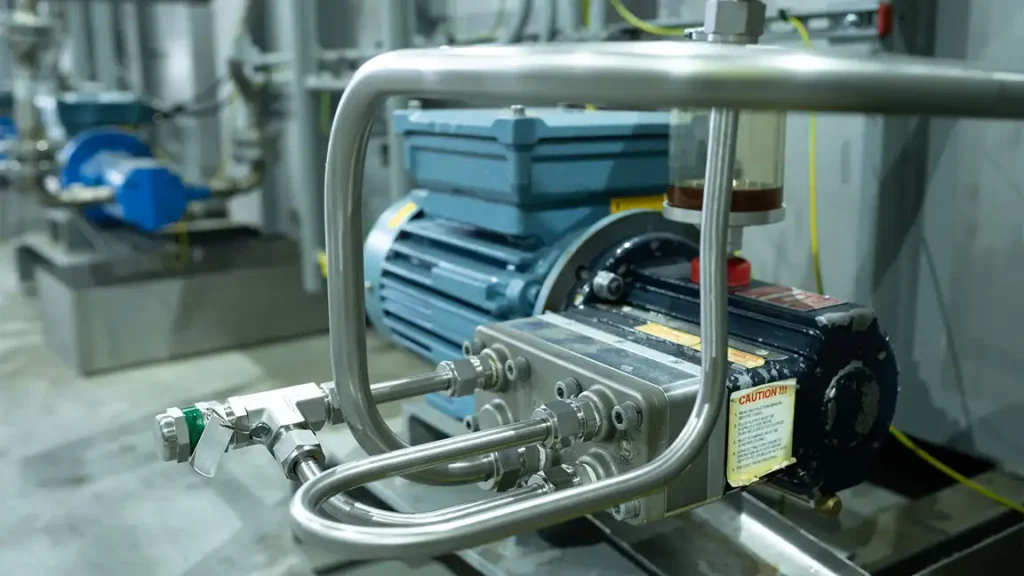
Hydraulic piston pumps, particularly axial piston-type hydraulic pumps, rely on an arrangement of pistons in a cylinder block. These pistons move parallel to the pump’s drive shaft, enabling efficient fluid displacement. This design ensures precise control over flow rates and pressure, making piston hydraulic pumps indispensable for systems requiring consistent performance.
The compact design of axial piston-type hydraulic pumps makes them ideal for applications where space is limited but power is critical. Their innovative arrangement reduces energy loss and enhances operational efficiency, setting them apart from other hydraulic piston pumps. These design attributes allow for seamless integration into complex systems, improving overall reliability and productivity.
Comparison with Other Hydraulic Piston Pump Types
When comparing hydraulic piston pumps such as gear pumps and radial piston pumps, the advantages of axial piston-type hydraulic pumps are evident. Gear pumps are simpler and cost-effective but lack the pressure-handling capabilities and efficiency of axial designs. Radial piston pumps, while robust, tend to be bulkier and less suited for high-speed applications.
Axial piston-type hydraulic pumps combine high-pressure capabilities with compact, efficient design. This versatility ensures their widespread adoption across industries ranging from construction to aerospace. Their ability to deliver precise fluid control under high pressure makes them a preferred choice in applications demanding superior performance and reliability. The innovation in their engineering continues to set new benchmarks for hydraulic technology.
Core Features of Hydraulic Piston Pumps
High-Pressure Capabilities
One defining characteristic of hydraulic piston pumps is their ability to operate at high pressures. Many piston hydraulic pumps can exceed 4000 psi, making them essential for demanding applications. High-pressure capabilities are particularly significant in environments where precision and power are paramount, such as heavy equipment, aviation systems, and marine applications. This capability ensures that piston hydraulic pumps can deliver reliable performance under the most challenging conditions, enabling efficient handling of heavy loads, precise motion control, and consistent system operations.
The ability to withstand such high pressures also translates to increased system productivity, as these pumps can operate seamlessly without frequent interruptions. Axial piston-type hydraulic pumps, in particular, have revolutionized the industry with their ability to maintain high-pressure performance in compact designs.
Compact Design and Operational Efficiency
Despite their ability to handle immense pressure, piston hydraulic pumps are known for their compact size. Axial piston-type hydraulic pumps, in particular, achieve this compactness by aligning pistons within the cylinder block in an innovative arrangement. This design minimizes space requirements while maintaining robust performance, making them an ideal choice for systems where space constraints are critical.
The high operational efficiency of piston hydraulic pumps stems from their ability to convert mechanical energy into hydraulic power with minimal energy losses. This efficiency not only reduces operational costs but also contributes to the overall sustainability of the systems in which they are employed. For industries prioritizing energy efficiency, axial piston-type hydraulic pumps offer a practical solution that balances performance with reduced environmental impact.

Focus on Axial Piston Type Hydraulic Pumps
Axial piston-type hydraulic pumps are renowned for their high volumetric efficiency, adaptability to various working conditions, and remarkable durability. Their advanced engineering incorporates precision components that minimize wear and tear, ensuring a longer operational lifespan even under continuous use. This reliability is further enhanced by their ability to handle varying pressures and flow rates, making them a versatile choice for diverse applications. From construction to aerospace, axial piston-type hydraulic pumps are recognized for their consistent performance, cost-effectiveness, and ability to meet the rigorous demands of modern industrial systems.
Key Applications of Axial Piston Hydraulic Pumps
Use in Construction and Heavy Equipment
Hydraulic piston pumps are integral to construction machinery such as excavators, loaders, and bulldozers. These machines depend on piston hydraulic pumps to handle heavy loads and provide consistent power, enabling them to operate efficiently even under the most demanding conditions. Axial piston-type hydraulic pumps excel in these applications due to their high-pressure capacity, compact design, and precise control capabilities. Their ability to deliver reliable performance ensures seamless operation during tasks like digging, lifting, and material transport on construction sites. Furthermore, the durability of these pumps reduces maintenance requirements, making them a cost-effective solution for heavy equipment manufacturers and operators.
Role in Hydraulic Systems for Aviation and Marine Industries
In aviation, hydraulic piston pumps are vital for operating flight control systems, landing gears, and braking mechanisms. The precision and reliability offered by axial piston-type hydraulic pumps make them indispensable in ensuring the safety and performance of aircraft. Similarly, in marine industries, these pumps power critical systems such as steering mechanisms, stabilizers, and deck machinery. Their compact yet powerful design makes axial piston-type hydraulic pumps ideal for environments where space is limited but operational demands are high. The ability to withstand harsh conditions, such as high-pressure and corrosive environments, further solidifies their role in these industries.
Contribution to Energy Efficiency in Industrial Systems
Energy efficiency is a key concern for modern industries, and hydraulic piston pumps play a pivotal role in achieving it. Axial piston-type hydraulic pumps are engineered to optimize fluid flow, reduce energy losses, and minimize overall power consumption. By delivering consistent power while maintaining low energy usage, these pumps help industries reduce operational costs and environmental impact. Their adaptability to various industrial applications, including manufacturing and energy production, highlights their versatility and contribution to sustainable practices. As industries continue to prioritize energy efficiency, the role of axial piston-type hydraulic pumps in achieving these goals remains paramount.
Choosing the Right Hydraulic Piston Pump
Factors to Consider
Selecting the right piston hydraulic pump requires a thorough understanding of the system’s requirements. Key factors include flow rate, pressure, and specific application demands. Flow rate determines the amount of fluid a pump can move within a specific timeframe, while pressure reflects the system’s ability to handle demanding workloads. Additionally, understanding the operating environment—including temperature ranges, fluid type, and potential exposure to corrosive conditions—is essential for ensuring compatibility and performance.
Another critical consideration is the pump’s efficiency. Opting for a hydraulic piston pump that minimizes energy loss can lead to significant cost savings over time. Ease of maintenance and availability of replacement parts should also factor into the decision, as these aspects influence long-term operational reliability. Compatibility with existing hydraulic systems, as well as adherence to industry standards, ensures seamless integration without requiring extensive modifications.
Why Axial Piston Type Hydraulic Pumps Are Often the Best Choice
Axial piston-type hydraulic pumps are often the go-to solution due to their balance of power, efficiency, and durability. These pumps can handle high-pressure operations while maintaining exceptional volumetric efficiency, making them ideal for a wide range of applications. Their ability to adjust to varying flow rates and pressures provides unmatched versatility, whether they are deployed in heavy machinery, aerospace systems, or industrial manufacturing processes.
Moreover, the compact design of axial piston-type hydraulic pumps allows them to fit into space-constrained environments without sacrificing performance. Advanced materials used in their construction enhance durability, reducing wear and extending operational lifespans. Many models also feature cutting-edge technologies, such as real-time performance monitoring and IoT integration, enabling predictive maintenance and further boosting efficiency.
In summary, axial piston-type hydraulic pumps’ combination of adaptability, reliability, and advanced features makes them a cost-effective choice for industries seeking high-performance solutions. Their proven track record across diverse applications underscores their status as a preferred option in the world of hydraulic systems.
Maintenance Tips for Prolonged Performance
Routine Checks and Preventive Maintenance
Regular maintenance is essential for maximizing the lifespan of hydraulic piston pumps. Routine checks for leaks, worn components, and proper fluid levels can prevent costly breakdowns. Inspecting hoses, seals, and connections helps identify potential issues before they escalate into significant problems. Scheduled inspections ensure that piston hydraulic pumps operate at peak efficiency, minimizing downtime and reducing maintenance costs. Additionally, monitoring pump performance through diagnostic tools can provide real-time insights into system health, enabling proactive maintenance.
Ensuring the hydraulic fluid remains clean and at the correct levels is another crucial aspect of maintenance. Contaminated or degraded fluid can lead to internal damage, reducing the efficiency and reliability of the piston hydraulic pump. Regularly replacing hydraulic fluid and using high-quality filtration systems can extend the pump’s operational life.
Importance of Using High-Quality Parts for Piston Hydraulic Pump Upkeep
Using genuine, high-quality parts is critical for maintaining the performance of hydraulic piston pumps. Inferior components can compromise efficiency, accelerate wear, and increase the likelihood of system failures. High-quality seals, pistons, and bearings are designed to withstand high-pressure environments and rigorous use, ensuring reliable performance over time.
When replacing parts, it’s also essential to use components that match the manufacturer’s specifications. This ensures compatibility and optimal functionality. Investing in top-grade replacement parts and fluids may have a higher upfront cost but lead to long-term savings by reducing repair needs and preventing unplanned downtime.
Training and Documentation
Providing proper training for personnel responsible for maintaining hydraulic piston pumps can significantly enhance upkeep effectiveness. Understanding maintenance schedules, troubleshooting techniques, and system requirements ensures timely and accurate care. Additionally, keeping detailed records of maintenance activities and performance metrics helps identify patterns and optimize maintenance strategies.
By adhering to these maintenance practices, industries can ensure that their hydraulic piston pumps deliver consistent, efficient, and long-lasting performance.
Innovations in Hydraulic Piston Pump Technology
Advances in Materials and Manufacturing Techniques
The hydraulic piston pump industry has experienced significant advancements in materials and manufacturing techniques, driving improvements in performance, efficiency, and reliability. High-strength alloys and ceramics are now commonly used to enhance durability, ensuring pumps can withstand extreme pressure and prolonged use without significant wear. These materials also provide better resistance to corrosion and thermal stresses, making them suitable for demanding environments.
Precision machining techniques have greatly improved the tolerances of hydraulic piston pumps, reducing energy loss and enhancing volumetric efficiency. Additive manufacturing, or 3D printing, has also emerged as a game-changing technology, enabling the production of complex components with reduced material waste and faster prototyping cycles. This has paved the way for customized designs tailored to specific applications, further expanding the capabilities of hydraulic piston pumps.
Integration with Smart Systems for Monitoring and Control
The integration of smart technology has revolutionized the operation and maintenance of hydraulic piston pumps. Modern systems are now equipped with advanced sensors and IoT (Internet of Things) capabilities, enabling real-time monitoring of critical performance metrics such as pressure, temperature, and flow rates. This data can be accessed remotely, allowing operators to track system health and make informed decisions.
Predictive maintenance, powered by smart systems, is another breakthrough. By analyzing trends in sensor data, these systems can anticipate potential issues before they result in costly failures, reducing downtime and extending the lifespan of piston hydraulic pumps. Automated alerts and diagnostics streamline maintenance schedules and improve overall system efficiency.
Axial piston-type hydraulic pumps equipped with these technologies are at the forefront of innovation, offering unparalleled control, adaptability, and reliability. Integration with machine learning algorithms has further enhanced their ability to optimize performance dynamically based on real-time conditions, making them a vital component of modern industrial automation.
Future Prospects
As technology continues to advance, the hydraulic piston pump industry is poised for further innovation. Developments in materials, AI-driven analytics, and enhanced manufacturing techniques promise to redefine the capabilities of these pumps, ensuring they remain indispensable in high-performance systems for years to come.
Conclusion
Axial piston-type hydraulic pumps are indispensable in high-performance systems, offering unmatched efficiency, reliability, and versatility. Their unique design and advanced features make them a cornerstone of industries ranging from construction to aviation and marine sectors. These pumps excel in converting mechanical energy into hydraulic power with minimal losses, ensuring consistent and efficient operation in even the most demanding environments.
By selecting the right hydraulic piston pump and adhering to proper maintenance practices, you can ensure long-lasting performance and cost savings. Routine checks, preventive maintenance, and the use of high-quality replacement parts are critical for sustaining the efficiency and reliability of these pumps. Axial piston-type hydraulic pumps, with their ability to handle high pressures and adapt to varying flow requirements, remain a preferred choice across diverse applications.
Investing in high-quality hydraulic piston pumps, particularly axial piston designs, is a smart decision for anyone looking to optimize their operations. These pumps are engineered to provide superior performance and durability, making them a cost-effective solution in the long term. Explore DAE Pumps for reliable solutions tailored to your needs and experience the difference in efficiency and productivity. Their range of advanced hydraulic piston pumps is designed to meet the evolving demands of modern industries.
Understanding the capabilities and applications of hydraulic piston pumps, especially axial piston types, is essential for anyone involved in industrial operations. By leveraging the power and efficiency of these pumps, you can drive your systems to new heights of performance and reliability, achieving both operational excellence and sustainability.