
- The Importance of Submersible Water Pumps
- Diving Deep: Understanding Submersible Water Pumps
- How They Work: The Mechanics Behind the Magic
- Types of Water Pumps: Finding Your Perfect Match
- Submersible vs. Non Submersible Water Pump: Why Go Under?
- Submersible vs. Non Submersible Water Pump: Choosing the Right Pump for Your Needs
- Before You Begin: Preparing for Installation
- Getting Your Hands Wet: The Installation Process
- Keeping the Flow Going: Maintenance Matters
- Pump Up the Lifespan: Long-Term Care Tips
- Conclusion: Mastering Your Submersible Water Pump
The Importance of Submersible Water Pumps
Water is the lifeblood of our homes and communities. Whether you're drawing water from a well, managing a farm, or running a business, having a reliable water supply is crucial. This is where submersible water pumps come into play.
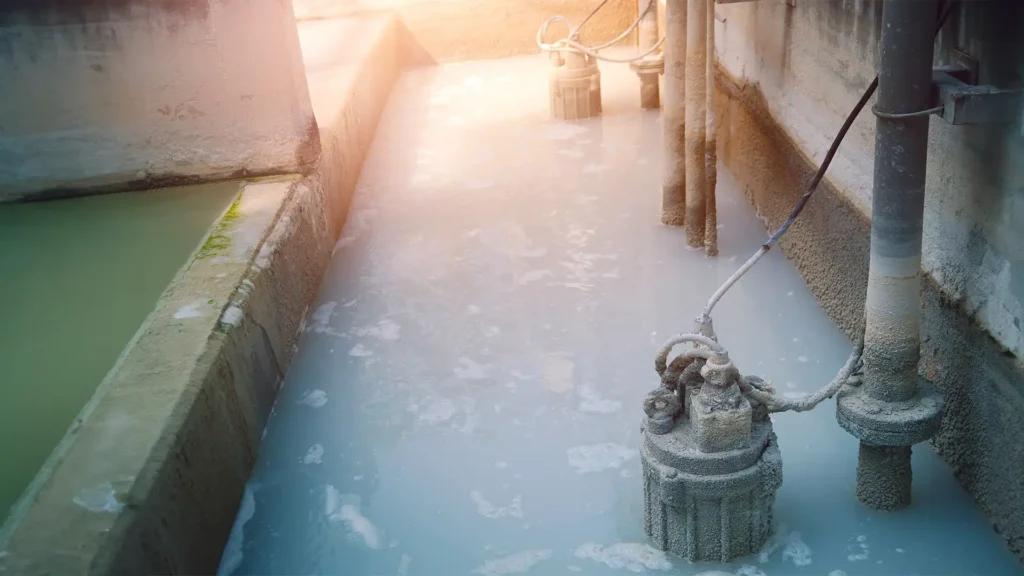
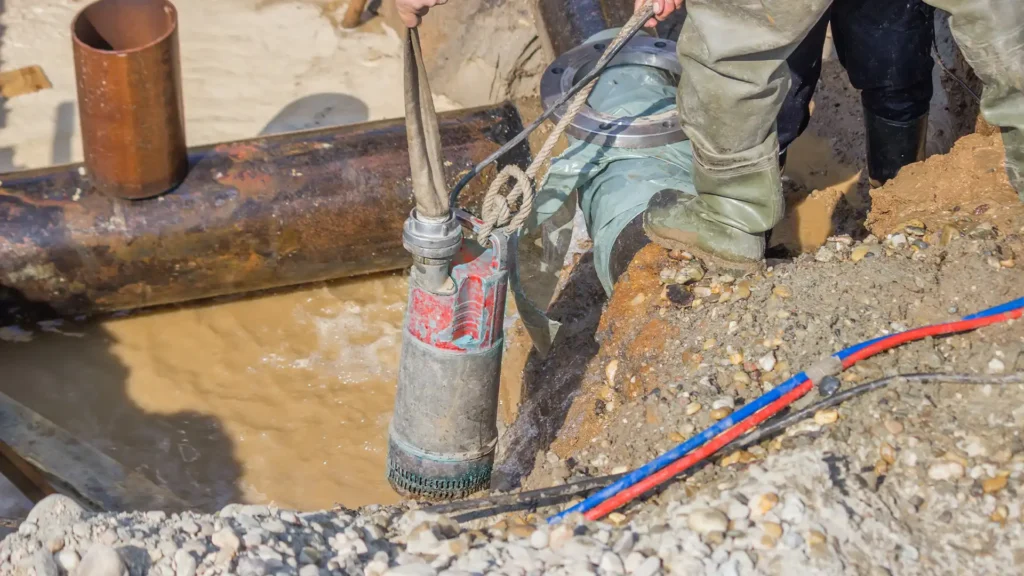
Submersible pumps are powerful devices designed to be fully submerged in water. Unlike their surface-dwelling cousins, these pumps operate directly within the water source, making them incredibly efficient and versatile. They're the unsung heroes of our water systems, working tirelessly beneath the surface to keep our taps flowing and our lives running smoothly.
But why should you care about submersible water pumps? Well, if you rely on well water or need to move large volumes of water efficiently, understanding these pumps can save you time, money, and a lot of headaches. Whether you're a homeowner, a farmer, or a business owner, knowing how to install and maintain a water pump is a valuable skill.
Diving Deep: Understanding Submersible Water Pumps
How They Work: The Mechanics Behind the Magic
Submersible pumps might seem like magic, but their operation is based on simple physics. At its core, a submersible water pump consists of a hermetically sealed motor connected to a pump body. When submerged and powered up, the motor spins an impeller – think of it as a propeller for water. This impeller creates a low-pressure area that draws water in and then pushes it up through the pump and into the connected piping system.
The beauty of this design is its efficiency. Because the pump is already underwater, it doesn't have to work against gravity to lift water to its intake. This means less energy is wasted, and more water can be moved with less power.
Types of Water Pumps: Finding Your Perfect Match
Not all submersible water pumps are created equal. Depending on your needs, you might require a specific type:
- Deep well submersible pumps: These are the marathoners of the pump world, designed to draw water from depths greater than 25 feet. They're ideal for rural homes or farms with deep water tables.
- Shallow well jet pumps: Perfect for wells up to 25 feet deep, these pumps are often used in suburban areas with higher water tables.
- Sewage pumps: These tough pumps are built to handle the dirty work, capable of moving water containing solid waste particles.
- Sump pumps: These pumps remove accumulated water from sump pits and are used by the guardians of dry basements everywhere to prevent flooding.
Submersible vs. Non Submersible Water Pump: Why Go Under?
You might be wondering, "Why bother with a submersible pump when I could use a regular surface pump?" Well, submersible pumps offer several advantages:
- Higher efficiency: Being submerged, they don't waste energy pushing water upwards against gravity.
- Quieter operation: The water surrounding the pump acts as a sound insulator, making it much quieter than surface pumps.
- Longer lifespan: Submersible pumps are less prone to issues like cavitation and overheating, which can shorten a pump's life.
- Space-saving: Installed underground, they leave your above-ground space free for other uses.
Submersible vs. Non Submersible Water Pump: Choosing the Right Pump for Your Needs
When it comes to water pumps, you have two main options: submersible pumps and non submersible pumps. Each has its own set of advantages and ideal applications, so it's important to understand the differences.
A non submersible water pump, also known as a surface pump, is designed to be installed above the water source. These pumps are typically used for shallow wells, ponds, or other easily accessible water sources. Non submersible water pumps work by creating suction to draw water up from the source.
While non submersible water pumps have their place, submersible pumps often offer several advantages:
- Efficiency: Submersible pumps don't have to work against gravity to lift water to their intake, making them more energy-efficient than non submersible water pumps.
- Noise level: Because they're underwater, submersible pumps operate much more quietly than non-submersible water pumps, which can be noisy when running.
- Priming: Non submersible water pumps often require priming before use, while submersible pumps are self-priming due to their underwater position.
- Versatility: Submersible pumps can be used in deeper water sources where non submersible water pumps would struggle to operate effectively.
- Space-saving: Installed underground, submersible pumps don't take up valuable space above ground, unlike non submersible water pumps.
However, non submersible water pumps do have some advantages in certain situations:
- They're easier to access for maintenance and repairs.
- They can be less expensive upfront, although this may be offset by lower efficiency over time.
- They're suitable for applications where the water source is easily accessible and not too deep.
When deciding between a submersible and non submersible water pump, consider factors like your water source depth, space constraints, noise tolerance, and long-term energy costs. For many deep well and high-volume applications, submersible pumps often prove to be the more practical and efficient choice. However, for shallow water sources or temporary setups, a non submersible water pump might be perfectly adequate.
Before You Begin: Preparing for Installation
Assessing Your Water Needs: How Much Pump Do You Need?
Before you rush out to buy a submersible pump, it's crucial to assess your water needs. This is about more than how much water you use daily (although that's important). You'll need to consider:
- Your daily water consumption
- The depth and diameter of your well
- The current water table level
- The distance from the pump to where the water will be used
These factors will help determine the size and power of the pump you need. Remember, an undersized pump will struggle to meet your needs, while an oversized one will waste energy and wear out faster.
Choosing the Right Pump: A Match Made in Water
With your needs assessed, it's time to choose your pump. You'll want to consider:
- Flow rate: This is measured in gallons per minute (GPM) and should match your peak water usage.
- Total dynamic head: This is the vertical distance the pump must lift water, plus any friction loss in the pipes.
- Power source: Most submersible pumps run on 230V or 460V power. Ensure your electrical system can support this.
- Water quality: If your water contains sand or minerals, you'll need a pump designed to handle these particles.
Tools of the Trade: Gearing Up for Installation
Before you start, make sure you have all the necessary tools and materials. You'll need:
- The submersible pump itself
- A pitless adapter
- A check valve
- A pressure tank
- Electrical wire
- Pipe and fittings
- A pipe wrench
- Electrical tape
- A screwdriver set
- A multimeter
Having everything on hand before you start will make the installation process much smoother.
Getting Your Hands Wet: The Installation Process
Safety First: Precautions Before You Start
Before you dive into installation, let's talk safety. Working with water and electricity can be dangerous if you're not careful. Always:
- Turn off all power sources before beginning installation
- Wear protective gear, including gloves and safety glasses
- Ensure proper ventilation when working in confined spaces
- Follow local building codes and regulations
Remember, if you're ever unsure about a step, it's better to consult a professional than to risk injury or damage.

Step-by-Step Guide to Installing Your Submersible Water Pump
- Start by cleaning the well thoroughly. This prevents contamination and ensures your pump will operate in a clean environment.
- Measure the well's depth and current water level. This information is crucial for proper pump placement.
- Attach the pump to the drop pipe. Make sure all connections are tight to prevent leaks.
- Install a check valve above the pump. This prevents water from flowing back into the well when the pump isn't running.
- Lower the pump into the well, adding sections of drop pipe as needed. Be careful not to damage the electrical wires during this process.
- Secure the pitless adapter at the proper depth. This device allows the pipe to exit the well horizontally below the frost line.
Powering Up: Connecting Your Pump to Electricity
- Run electrical wiring from the pump to the control box. Make sure to use wire-rated for water pump use.
- Connect the wiring according to the manufacturer's instructions. If you're not comfortable with electrical work, this is a good time to call in a professional.
- Install a properly sized circuit breaker in the main electrical panel. This protects your pump from power surges.
The Moment of Truth: Testing Your Installation
- If necessary, prime the pump according to the manufacturer's instructions.
- Turn on the power and observe the pump's operation. Listen for any unusual noises.
- Check for leaks throughout the system.
- Test water pressure and flow at various outlets in your home or property.
If everything is working smoothly, congratulations! You've successfully installed your submersible water pump.
Keeping the Flow Going: Maintenance Matters
Your Pump's Health Check: Regular Inspection Routines
To keep your submersible water pump in top shape, establish a regular inspection routine:
- Monthly: Check water quality and pressure. Any changes could indicate pump issues.
- Quarterly: Inspect electrical connections and the pressure tank. Look for signs of wear or corrosion.
- Annually: Conduct a comprehensive system check, including a professional inspection if possible.
Squeaky Clean: Cleaning and Sanitizing Your Pump
Periodically, you'll need to clean and sanitize your pump system:
- Remove the pump from the well. This is a good opportunity to inspect it for any visible damage.
- Clean the pump exterior with a mild detergent. Avoid harsh chemicals that could damage the pump.
- Disinfect the well and pump system with a chlorine solution. Follow local health department guidelines for this process.
- Flush the system thoroughly before resuming use to remove any remaining chlorine.
Troubleshooting 101: Common Issues and How to Fix Them
Even with regular maintenance, you might encounter some issues. Here are some common problems and their potential solutions:
- Low water pressure: This could be due to clogged filters or worn impellers. Clean or replace as necessary.
- Pump won't start: Check the power supply and control box settings. The issue could be electrical.
- Unusual noises: Look for loose fittings or damaged bearings. Tighten or replace as needed.
- Water quality issues: This could indicate well contamination or pump damage. A thorough inspection is necessary.
Know When to Call the Pros: Recognizing Your Limits
While many maintenance tasks can be DIY, some situations require professional help. Call an expert if you encounter:
- Electrical problems beyond your expertise
- Significant drops in water pressure or flow that you can't resolve
- Persistent water quality issues
- Any situation where you feel unsure or uncomfortable
Remember, it's better to call for help than to risk damaging your pump or compromising your water supply.

Pump Up the Lifespan: Long-Term Care Tips
Best Practices for a Long-Lasting Pump
To maximize the lifespan of your submersible water pump:
- Avoid running the pump dry. This can cause severe damage to the motor and impeller.
- Maintain a consistent power supply. Voltage fluctuations can harm the pump's motor.
- Keep the well water level above the pump intake to prevent air from entering the system.
- Address any issues promptly to prevent minor problems from becoming major repairs.
Shielding from Nature's Wrath: Environmental Protection
Your pump faces various environmental challenges. Here's how to protect it:
- Install a lightning arrestor to protect against power surges during storms.
- Use a constant pressure system to reduce pump cycling, which can wear out the motor.
- If your well produces sandy water, consider installing a sand separator to protect your pump from abrasive particles.
Out with the Old, In with the New: When to Upgrade Parts
No pump lasts forever, but timely upgrades can extend its life:
- Replace worn impellers and diffusers when you notice a decrease in pump performance.
- Upgrade to more efficient motors when available. This can save energy and improve performance.
- Consider replacing the entire pump every 8-10 years, depending on usage and water conditions.
Conclusion: Mastering Your Submersible Water Pump
Congratulations! You've now got a solid foundation in installing and maintaining submersible water pumps. Remember, the key to a long-lasting, efficient pump is proper installation followed by regular maintenance.
By understanding your pump's needs and addressing issues promptly, you can ensure a reliable water supply for years to come. Whether you're a DIY enthusiast or know when to call in the pros, this knowledge will serve you well.
A well-maintained submersible water pump is more than just a piece of equipment – it's your guarantee of clean, flowing water whenever you need it. So roll up your sleeves, apply what you've learned, and enjoy the peace of mind that comes with mastering your water supply system.