- Introduction to Submersible vs Self-Priming Pumps
- What Is a Submersible Pump?
- What Is a Self-Priming Pump?
- Core Difference Between Submersible and Self-Priming Pumps
- Priming and Suction Lift Misconceptions
- How Submersible Pumps Operate Under Load
- How Self-Priming Pumps Operate Under Load
- Performance Differences in Slurry and Solids Handling
- Installation and System Design Considerations
- Maintenance and Accessibility Differences
- Efficiency and Energy Considerations
- Limitations of Submersible Pumps
- Limitations of Self-Priming Pumps
- Typical Industrial Applications for Each Pump Type
- Selection Framework: When to Use Submersible vs Self-Priming Pumps
- Conclusion: The Difference Is Defined by System Design and Fluid Behavior
- FAQ: Submersible vs Self-Priming Pumps
Introduction to Submersible vs Self-Priming Pumps
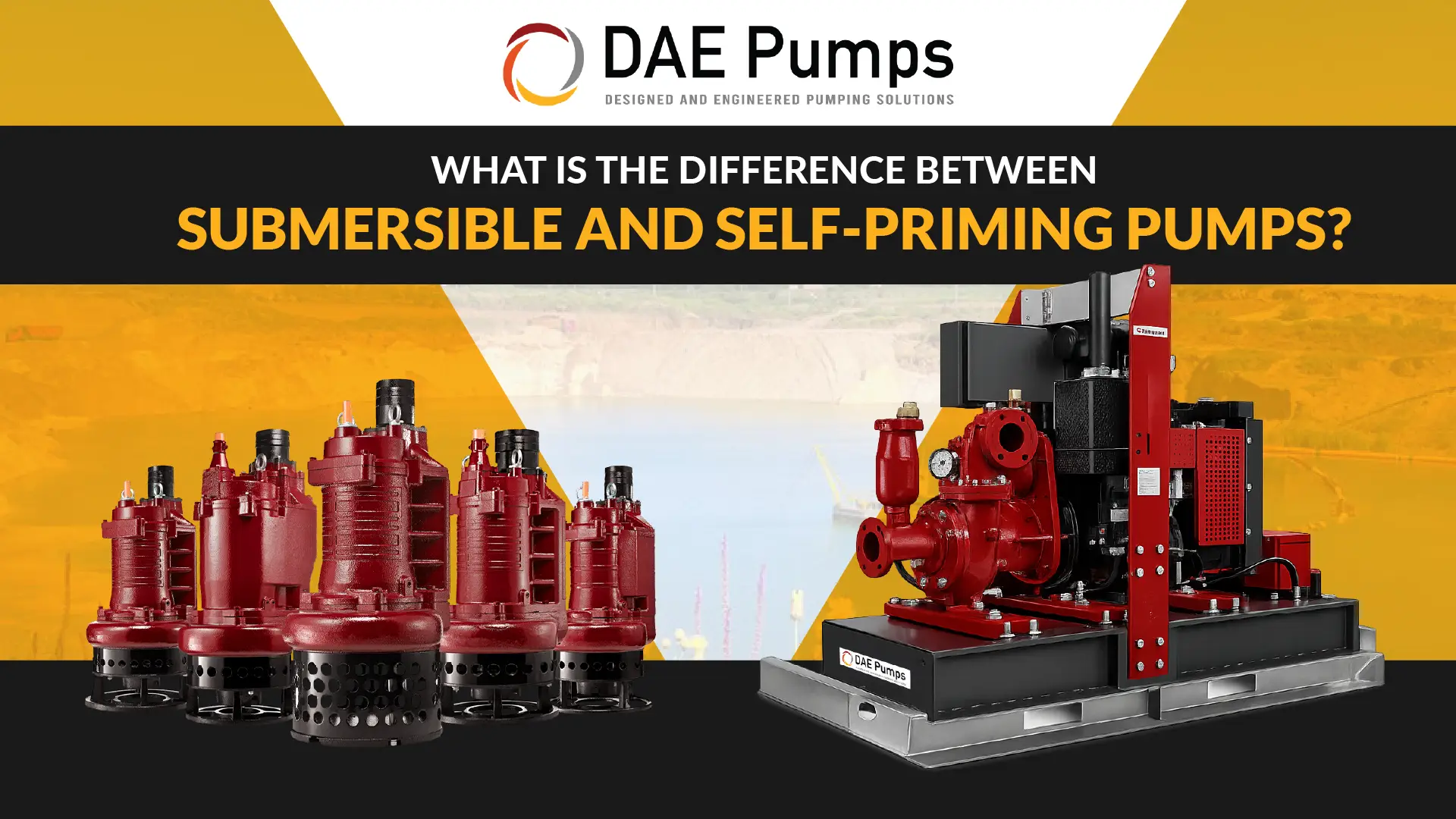
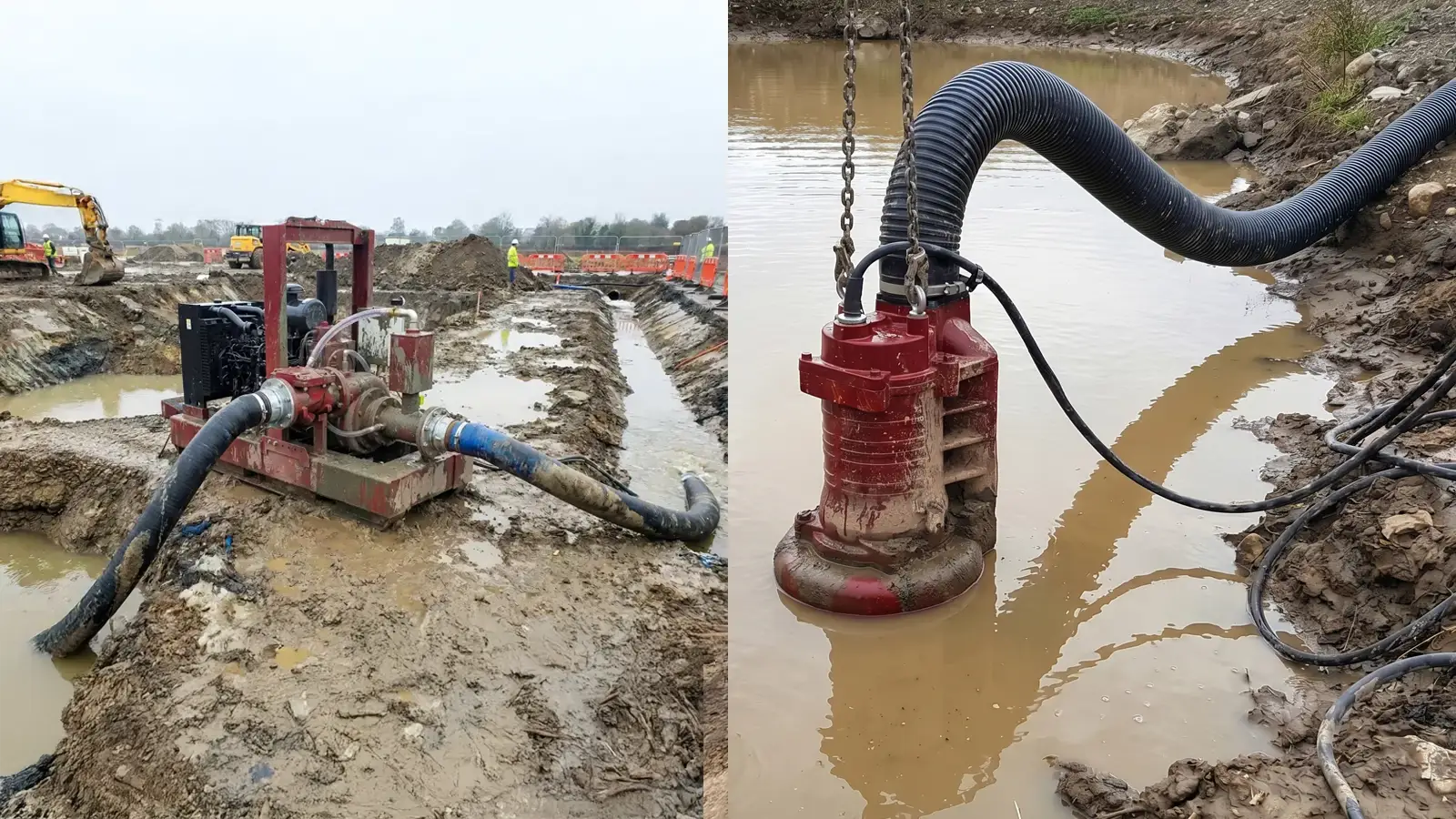
Submersible and self-priming pumps are both used in industrial systems, but they solve different system problems. The key difference is where the pump sits relative to the fluid source and how it moves liquid into the system. . A submersible pump is installed directly inside the fluid and pushes material to the discharge point. A self-priming pump is installed outside the fluid and pulls material through a suction line. That difference affects priming behavior, suction limitations, solids handling, maintenance access, and overall system design. .
This matters most in slurry handling, dewatering, dredging, mining, and industrial transfer applications where operating conditions are rarely ideal. The comparison below focuses on how each pump works under load, where each one performs best, and what system conditions usually drive the correct choice.

What Is a Submersible Pump?
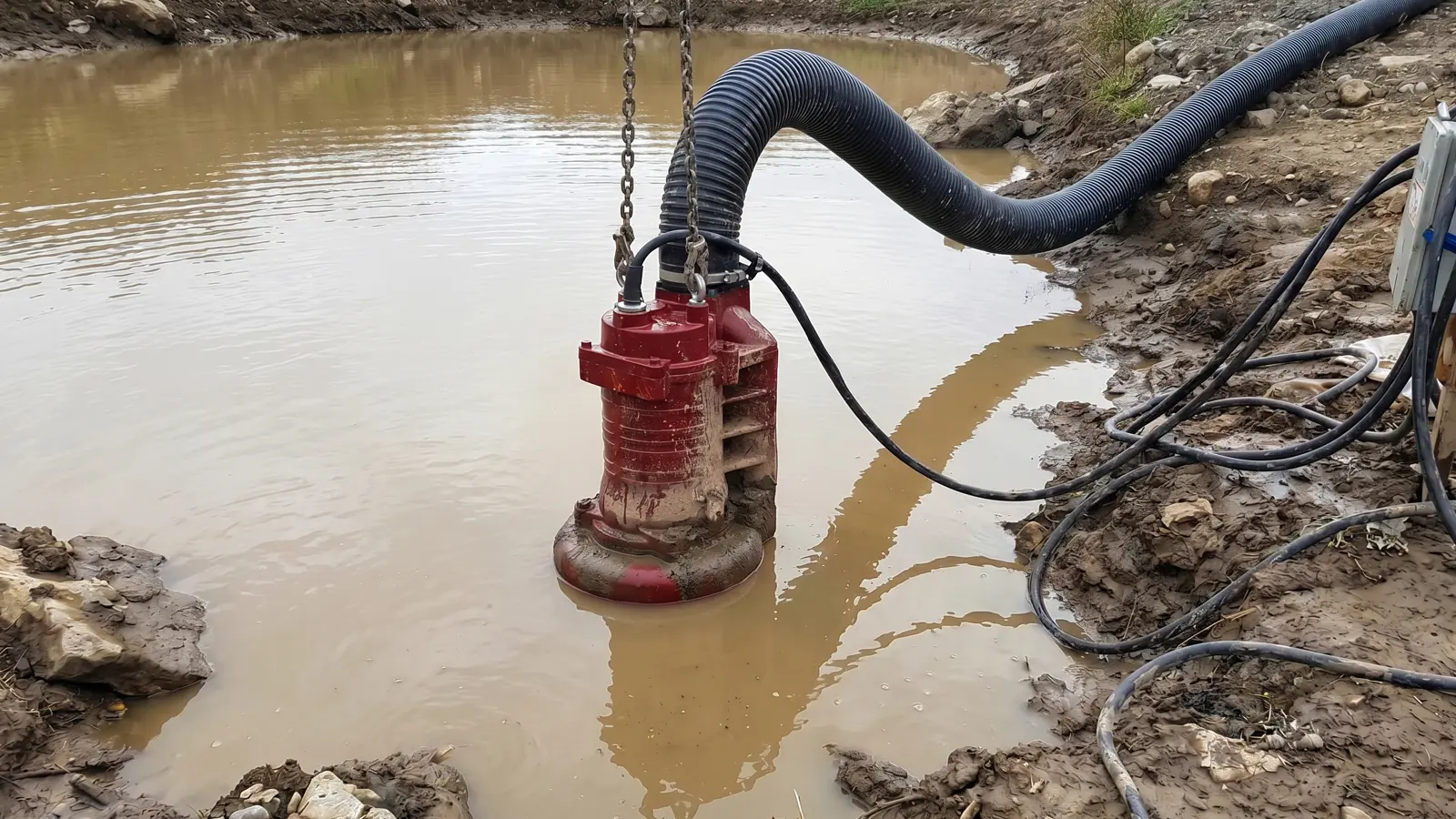
A submersible pump is designed to operate fully submerged in the fluid it is pumping. The motor is sealed inside a waterproof housing, allowing the fullunit to operateunderwater without a separate suction-priming process. Because the pump is positioned directly inthe fluid, it operates under flooded suction conditions, meaning liquid is already present at the intake.
This design eliminates suction-lift limitations and removes the need for a separate priming process. The pump pushes fluid upward through the discharge line rather than pulling it through a long suction run. Submersible pumps are commonly used in applications where fluid levels fluctuate or where direct placement in the material improves efficiency.
Key characteristics include:
- No separate priming before operation
- Direct interaction with the fluid being pumped
- Ability to push liquid over vertical distances
- Reduced risk of air entrainment compared to suction-based systems
In slurry applications, submersible slurry pumps are commonly used to handle mixtures containing solids such as sand, sludge, or sediment. Their submerged position allows them to work in dense materials without relying on suction lift, which is often a limiting factor in other pump types.
Because they eliminate suction-side instability, submersible pumps are often the better fit for deeper, denser, or more confined pumping environments where maintaining stable inlet conditions would otherwise be difficult.
What Is a Self-Priming Pump?
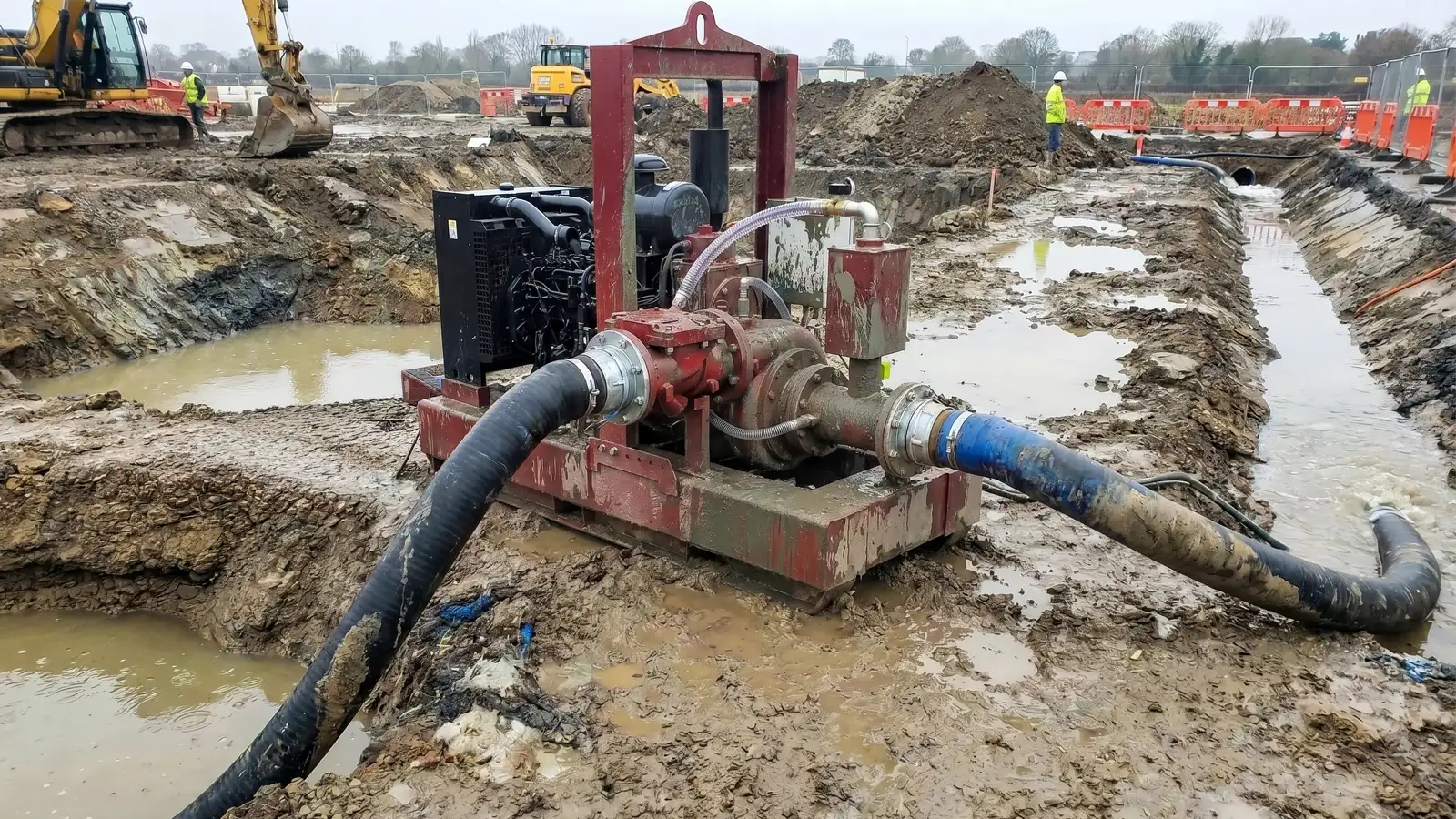
A self-priming pump is a surface-mounted pump designed to remove air from its suction line and create the vacuum needed to draw fluid into the system. Unlike submersible pumps, it operates outside the fluid and relies on suction lift to move liquid from the source to the pump.
Self-priming pumps retain liquid inside the casing after initial priming. During startup, that retained liquid mixes with incoming air, allowing the pump to evacuate air from the suction line until continuous flow is established. However, the pump needs an initial fill before this process can begin.
Key characteristics include:
- Requires initial prime before operation
- Uses suction lift to draw fluid into the pump
- Capable of handling air-liquid mixtures during startup
- Installed outside the fluid source
Self-priming slurry pumps are used where the pump needs to remain accessible at the surface or where installation within the fluid is not practical. These systems are common in mobile,r temporary, trailer-mounted, and surface-access setups.
However, self-priming performance depends heavily on suction conditions. As suction lift increases or air leaks enter the system, efficiency drops and cavitation risk rises. That makes suction-side design far more important than many buyers initially expect.

Core Difference Between Submersible and Self-Priming Pumps
The primary difference between a submersible and a self-priming pump is how the pump moves fluid and where it is installed relative to the source.
A submersible pump operates inside the fluid and pushes material through the discharge system. A self-priming pump operates outside the fluid and pulls material through a suction line.
Key differences include:
- Installation: submersible pumps are installed inside the fluid; self-priming pumps are installed externally
- Fluid movement: submersible pumps push fluid; self-priming pumps pull fluid
- Priming: submersible pumps do not require priming; self-priming pumps require initial priming
- Air handling: submersible pumps are not designed to handle significant air; self-priming pumps are built to evacuate air during startup
- Maintenance access: submersible pumps usually require removal for service; self-priming pumps remain accessible at the surface
These differences directly affect efficiency, suction stability, maintenance planning, and application fit. Systems with stable submerged conditions usually favor submersible pumps. Systems requiring surface access, mobility, or easier service often favor self-priming pumps.
The choice between the two is not based on preference but on system design, fluid behavior, and operational constraints.
Priming and Suction Lift Misconceptions
A common point of confusion is the idea that submersible pumps are “self-priming.” In practical terms, submersible pumps do not need priming because they operate directly inside the fluid. That is different from a self-priming pump, which remains above the fluid and uses retained liquid to evacuate air from the suction line during startup.
This distinction matters because suction lift creates real operating limits. Self-priming pumps are useful because they can recover from air in the suction line, but they are still constrained by suction conditions, inlet design, pipe layout, and elevation. Submersible pumps avoid most of those suction-side issues because the pump is already in the fluid. That is one reason they often perform more consistently in dense slurry, deeper sources, or unstable inlet conditions.

How Submersible Pumps Operate Under Load
Submersible pumps operate under a flooded suction condition, which means fluid is already present at the pump inlet. This eliminates suction lift and allows the pump to maintain more consistent inlet conditions within its design limits.
Because the pump is surrounded by fluid, the risk of air entering the system is much lower. That reduces the likelihood of cavitation, which typically occurs when low inlet pressure allows vapor bubbles to form. Stable inlet conditions allow the pump to maintain more reliable hydraulic performance even when handling dense or abrasive materials.
In slurry applications, this operating mode is particularly important. Dense mixtures with high solids content can be difficult to move through suction-based systems. A submersible pump interacts directly with the material and can process heavier mixtures without depending on vacuum pressure.
However, operating under load also exposes the pump to continuous contact with abrasive materials. Wear rates depend on slurry composition, particle size, and operating speed. Proper material selection and maintenance planning are necessary to manage long-term performance.
How Self-Priming Pumps Operate Under Load
Self-priming pumps operate by creating a pressure differential that draws fluid into the pump through a suction line. This process depends on atmospheric pressure and is limited by practical l suction-lift conditions.
Under load, the pump must maintain enough vacuum to keep fluid moving through the suction line. Any air entering the system can disrupt flow, lower efficiency, and increase the cavitation risk. Although self-priming pumps are designed to handle some air during start up, excessive air ingress can create unstable performance.
During operation, part of the pumped liquid is recirculated internally to support the priming process. That internal recirculation reduces efficiency compared with systems where more of the available energy goes directly into fluid movement.
In slurry applications, solids make this even more demanding. Variations in slurry density, particle size, and viscosity affect how easily the material can be drawn into the pump. Heavier solids and thicker material can reduce suction efficiency and increase wear on internal parts.
That is why suction conditions are a critical part of system design in self-priming pump applications.
Performance Differences in Slurry and Solids Handling
Submersible and self-priming pumps behave differently when handling slurry, especially when solids concentration, particle size, and consistency start increasing.
Submersible slurry pumps operate directly in the material, which allows them to handle higher solids concentrations. Because they do not rely on suction lift, they are often better suited for dense mixtures such as sludge, sediment, or tailings and settled solids.
Self-priming slurry pumps depend on suction to bring material into the system. As solids concentration rises, it becomes harder to maintain consistent suction. Heavier or more abrasive slurry can settle in the suction line, reduce hydraulic efficiency, and increase wear.
Key performance considerations include:
- Solids concentration: submersible pumps typically handle higher percentages more consistently
- Particle size: both pump types are still limited by internal clearances and pump design
- Consistency: changing slurry behavior tends to affect suction-based systems more severely
- Wear: both pump types wear, but the exposure patterns and maintenance strategy differ
Submersible pumps usually provide more stable performance in high-solids environments. Self-priming pumps are generally better suited for more fluid material, more stable suction conditions, and applications where surface access matters more than the maximum solids-handling consistency.
Installation and System Design Considerations
Installation approach differs significantly between submersible and self-priming pump systems, and that difference affects the entire system layout.
Submersible pumps are installed directly in the fluid source, such as a sump, pit, pond, lagoon, or dredging environment. This removes the need for a suction line but requires proper power delivery, mounting, and lifting arrangements for installation and service.
Self-priming pumps are installed at the surface and connected to the fluid source through a suction line. This makes suction-side design critical. Pipe routing, elevation, fittings, and air leaks all influence system performance.
Key considerations include:
- Pipeline configuration: submersible systems focus mainly on discharge piping; self-priming systems require both suction and discharge design
- Accessibility: surface-mounted pumps are easier to inspect and service
- Space requirements: submersible systems need space within the fluid source; self-priming systems need space for the pump and piping
- System layout: strongly influenced by elevation changes, discharge distance, and distance from fluid source
The choice between the two affects not only the pump, but the full system configuration around it.
Maintenance and Accessibility Differences
Maintenance requirements vary significantly based on pump location and operating environment.
Submersible pumps have to be removed from the fluid for inspection or repair. That can increase maintenance time and require lifting equipment or handling procedures. Seal integrity is also critical, because seal failure can allow fluid to enter the motor housing.
Self-priming pumps are located at the surface, which makes them easier to access for routine inspection and service. Seals, impellers, and priming chambers, and related components can usually be checked without removing the pump from the fluid source.
Key differences include:
- Access: surface-mounted pumps are easier to service
- Inspection frequency: depends on operating conditions and slurry severity
- Wear exposure: submersible pumps are continuously exposed to the pumped fluid; self-priming pumps concentrate wear mainly inside the pump path and suction circuit
Maintenance planning should account for both accessibility and wear exposure, not just pump type.
Efficiency and Energy Considerations
Efficiency in pump systems depends on how much energy is used to move fluid and how much is lost to suction limitations, recirculation, friction, and unstable operating conditions.
Submersible pumps generally experience fewer suction-related losses because they operate under flooded conditions. More of the available hydraulic energy goes into moving fluid through the discharge side rather than overcoming suction-side instability.
Self-priming pumps require energy to create and maintain suction, and part of the liquid flow is recirculated to support the priming process. That can reduce overall efficiency, especially in systems with high suction lift, longer suction piping, or frequent air ingress.
Key factors affecting efficiency include:
- Suction losses in self-priming systems
- Internal recirculation during priming operation
- Fluid density and viscosity
- Pipeline resistance, elevation, and system layout
In stable submerged conditions, submersible pumps often deliver more consistent hydraulic efficiency. In systems where surface access, portability, or maintenance are more important, self-priming pumps can still be the better system choice despite some suction-related efficiency tradeoffs.
Limitations of Submersible Pumps
Submersible pumps have specific limitations that come mainly from accessibility, sealing, and service conditions.
- Maintenance usually requires removing the pump from the fluid
- Motor sealing is critical to prevent water ingress
- Installation can be more complex in deep, remote, or confined spaces
- Electrical systems and connections must be protected from moisture and harsh environments
- Accessibility during operation is limited
These factors should be weighed against the hydraulics and solids-handling advantages when evaluating long-term operating and maintenance requirements.
Limitations of Self-Priming Pumps
Self-priming pumps have limitations that are mainly tied to suction-based operation.
- Limited practical suction lift capability
- Performance drops with air leaks, unstable suction, or poor inlet design
- Requires initial priming before operation
- Generally less stable in high-solids or dense slurry conditions
- Higher risk of cavitation under poor suction conditions
These limitations make suction-side system design critical for maintaining performance and reliability.
Typical Industrial Applications for Each Pump Type
Submersible Pump Applications
Submersible pumps are commonly used where direct placement in the fluid improves pumping stability and solids handling.
- Sumps and pits with variable fluid levels
- Dredging and sediment removal operations
- Mining applications involving slurry and tailings
- Wastewater treatment systems handling sludge
Self-Priming Pump Applications
Self-priming pumps are commonly used where surface installation is required or preferred.
- Construction dewatering
- Transfer systems requiring flexible setup
- Mobile pumping applications
- Situations where frequent maintenance access is necessary
Selection Framework: When to Use Submersible vs Self-Priming Pumps
Use system conditions – not assumptions – to guide pump selection.
Use submersible pumps when:
- The pump can be installed directly in the fluid
- High solids content or dense slurry is present
- Continuous operation is required
- Suction lift limitations must be avoided
- Stable operation under variable fluid levels is important
Use self-priming pumps when:
- Surface installation is required
- The system needs to be mobile or temporary
- Fluid conditions are relatively consistent
- Easy access for maintenance is necessary
- Portability and rapid deployment matter
The best choice depends less on preference and more on fluid behavior, suction conditions, maintenance expectations, and how the system is configured in the field.
Conclusion: The Difference Is Defined by System Design and Fluid Behavior
The difference between submersible and self-priming pumps comes down to how each system interacts with the fluid and how the full pump system is designed around that behavior. Submersible pumps operate in the material and push fluid through the system, while self-priming pumps operate externally and rely on suction to draw fluid in. Those differences affect performance, suction stability, solids handling, maintenance access, and application fit.
The correct choice depends on operating environment, fluid characteristics, suction conditions, maintenance strategy, and overall system layout. In other words, the best pump is not the one with the better label. It is the one that integrates into the full system more reliably.
FAQ: Submersible vs Self-Priming Pumps
What is the main difference between a submersible and a self-priming pump?
A submersible pump operates inside the fluid and pushes material through the system, while a self-priming pump operates outside the fluid and pulls material through suction. This affects installation, maintenance access, suction limitations, and how each pump handles solids.
Is a submersible pump the same as a self-priming pump?
No. A submersible pump does not need a separate priming process because it operates directly in the fluid. A self-priming pump remains above the fluid and uses retained liquid to evacuate air from the suction line during startup. These are not the same operating principle.
Can a submersible pump run dry?
No. Submersible pumps rely on the surrounding fluid for cooling and lubrication. Running dry can overheat internal components and damage seals, bearings, and the motor.
How much suction lift can a self-priming pump handle?
Most self-priming pumps can handle up to about 25 feet of suction lift under ideal conditions. Actual performance depends on pipe layout, elevation, material type, and environmental conditions.
Are submersible pumps better for slurry applications?
In many high-solids applications, submersible pumps perform better because they operate directly in the material and do not rely on suction lift. This helps maintain more stable flow when handling abrasive slurry and heavy solids.
When should you use a self-priming slurry pump?
Self-priming slurry pumps are commonly used when the pump needs to stay at the surface for easier access, maintenance, or mobility. They are often used in temporary pumping systems, industrial transfer applications, and construction projects.
Which pump type is easier to maintain?
Self-priming pumps are generally easier to maintain because they are accessible above the fluid level. Submersible pumps usually need to be removed from the fluid before major service or inspection can be performed.