
Ultrasonic flow meters are vital instruments used across various industries to measure the flow of liquids and gasses accurately. Their non-intrusive design and high precision make them ideal for numerous applications, from water treatment to chemical processing. However, with so many options on the market, selecting the right ultrasonic flow meter can take time and effort. It’s essential to consider various factors, such as measurement accuracy, fluid characteristics, installation requirements, maintenance needs, and cost. Each of these elements plays a crucial role in ensuring that the flow meter performs optimally for your specific application. This article will delve into these key considerations, providing guidance to help you make an informed decision and achieve reliable flow measurements in your operations.
What is an Ultrasonic Flow Meter?
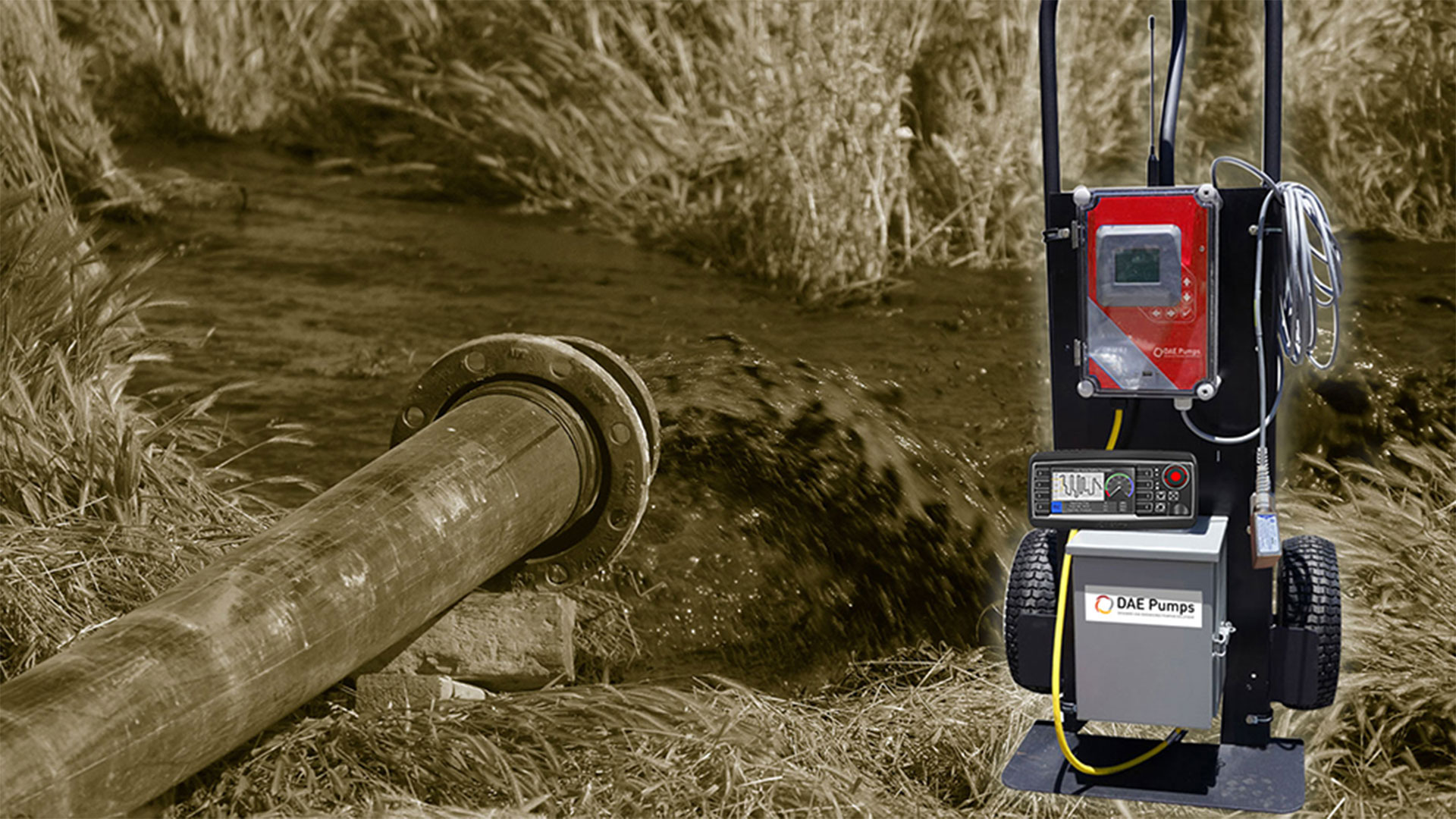
An ultrasonic flow meter uses the principles of ultrasound to measure the velocity of a fluid. It operates by sending ultrasonic signals through the fluid and measuring the time it takes for these signals to travel from one transducer to another. There are two primary types of ultrasonic flow meters: transit-time and Doppler. Transit-time meters measure the difference in time for ultrasonic signals traveling upstream versus downstream, while Doppler meters use frequency shifts to detect the flow rate.
These devices find applications across various sectors, including water treatment, chemical processing, and HVAC systems, making them versatile and valuable in fluid management.

Key Factors to Consider
Accuracy and Measurement Range
Accuracy is paramount when selecting an ultrasonic flow meter. The level of precision required can vary depending on the application—industrial processes may demand higher accuracy than residential water measurement. It’s essential to check the specifications of different meters to ensure they meet the required accuracy standards for your application.
The measurement range also plays a critical role. Factors such as pipe size and flow velocity can influence the effectiveness of the flow meter.
Fluid Characteristics
Different fluids have unique properties that can impact flow measurement. When selecting an ultrasonic flow meter, consider the type of fluid—liquid or gas—and its specific characteristics, such as temperature, viscosity, and density. For instance, measuring viscous liquids may require specialized flow meters designed to compensate for their thickness.
Additionally, the presence of bubbles or particles in the fluid can affect Doppler ultrasonic flow meters.
Installation Requirements
The installation process is another critical factor when choosing an ultrasonic flow meter. Consider the space available for installation and the configuration of the piping system. Some ultrasonic flow meters require straight sections of pipe before and after the meter for accurate readings, while others can be installed in more complex configurations.
There are two main installation types: permanent and portable. Permanent installations are ideal for fixed applications, while portable meters can be advantageous for temporary measurements or testing purposes. Evaluate the layout of your piping system and determine which installation type will best suit your needs.

Maintenance and Calibration
Regular maintenance is essential for the long-term performance of an ultrasonic flow meter. Over time, factors such as buildup on the sensors can affect accuracy. It’s important to understand the maintenance requirements of the specific model you choose and to establish a routine maintenance schedule.
Calibration is another critical aspect. Ultrasonic flow meters may need to be calibrated periodically to ensure they provide accurate measurements. Understanding the calibration frequency and process will help maintain the reliability of the device.
Cost and Budget
Cost considerations play a significant role in the decision-making process. While it may be tempting to choose the most affordable option, it’s crucial to weigh initial purchase costs against long-term investment benefits. Consider factors such as accuracy, maintenance, and potential downtime due to equipment failure. A higher-quality ultrasonic flow meter may result in lower operational costs and fewer issues in the long run.
When establishing a budget, also account for any additional expenses, such as installation and maintenance costs, which can significantly impact the overall investment.
Manufacturer and Support
The manufacturer’s reputation is a vital consideration when selecting an ultrasonic flow meter. Look for companies known for their reliability and quality. Read customer reviews and seek recommendations from industry peers to gauge the experiences of others with specific brands.
Additionally, consider the level of customer support offered by the manufacturer. A company that provides comprehensive support, including troubleshooting assistance and warranty options, can be invaluable, especially if issues arise after installation.

Specific Considerations for Ultrasonic Water Flow Meters
When it comes to ultrasonic water flow meters, there are specific factors to keep in mind. These meters are commonly employed in applications such as municipal water systems, irrigation, and wastewater management. The characteristics of water, including its relatively low viscosity and the potential presence of air bubbles, necessitate careful consideration of the flow meter’s specifications.
For instance, when measuring water with air bubbles, flow meter ultrasonic technologies like Doppler ultrasonic flow meters may be more suitable due to their ability to handle such conditions effectively. These meters can accurately measure flow rates even in turbulent or mixed environments. Conversely, transit-time ultrasonic meters might be better suited for clean water applications with minimal interference, as they rely on clear signal transmission for precise measurements.
Ultimately, understanding the specific requirements of your application is crucial for selecting the right ultrasonic water flow meter. Whether you choose a Doppler or transit-time model, ensuring compatibility with your system’s conditions will lead to more reliable and accurate flow measurement. By focusing on the unique aspects of your application, you can optimize the performance of your flow meter ultrasonic solution.


Conclusion
Choosing the right ultrasonic flow meter involves careful consideration of various factors, including accuracy, fluid characteristics, installation requirements, maintenance needs, cost, and manufacturer reputation. By evaluating these aspects, you can ensure that the ultrasonic flow meter you select will provide optimal performance for your specific application.
In the fast-evolving world of fluid measurement technologies, making an informed decision can significantly impact operational efficiency and reliability. Understanding these key factors will help you navigate the options available and select a flow meter that meets your unique needs.