- Understanding Dewatering and Its Importance in Water Management
- Common Dewatering Techniques and Their Applications
- Exploring Dewatering Pumps: Choosing the Right Pump for Your Needs
- Enhancing Dewatering Efficiency with Dewatering Bags
- Designing an Effective Dewatering System: Key Considerations
- Importance of Evaluating Site-Specific Factors, Such as Soil Type, Water Table Level, and Regulatory Requirements
- Safety and Environmental Considerations in Dewatering Operations
- Dewatering in Challenging Conditions: Tips and Strategies
- Special Equipment and Techniques for Extreme Dewatering Conditions
- Routine Maintenance for Dewatering Systems and Equipment
- Conclusion: The Future of Dewatering Technologies and Innovations
Understanding Dewatering and Its Importance in Water Management
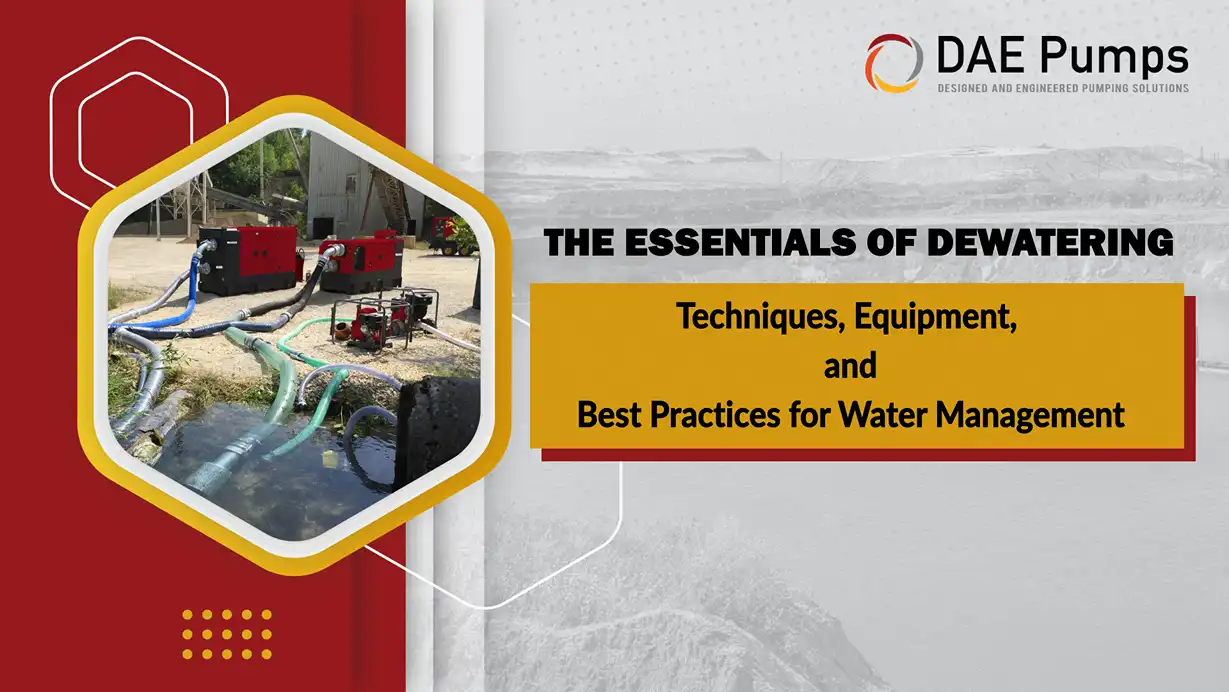
Dewatering is the process of removing water from a specific location, typically for construction, mining, or environmental purposes. The main objective is to create a dry, stable working environment by lowering groundwater levels or draining surface water. Effective dewatering using a dewatering pump is critical in many industries to ensure safe operations, prevent delays, and maintain the integrity of construction or excavation sites.
In construction, a dewatering pump keeps excavation areas dry, allowing for the laying of foundations or other structural work. In mining, dewatering pumps prevent groundwater from flooding mines, protecting workers and equipment. In environmental projects, a well-designed dewatering system helps manage contaminated sites or prepare areas for restoration. While the goal of dewatering is to remove water, it also involves addressing safety, environmental compliance, and site-specific challenges to achieve optimal water management.
This guide explores various dewatering techniques, equipment types, and best practices for designing effective dewatering systems while also addressing maintenance and safety considerations.
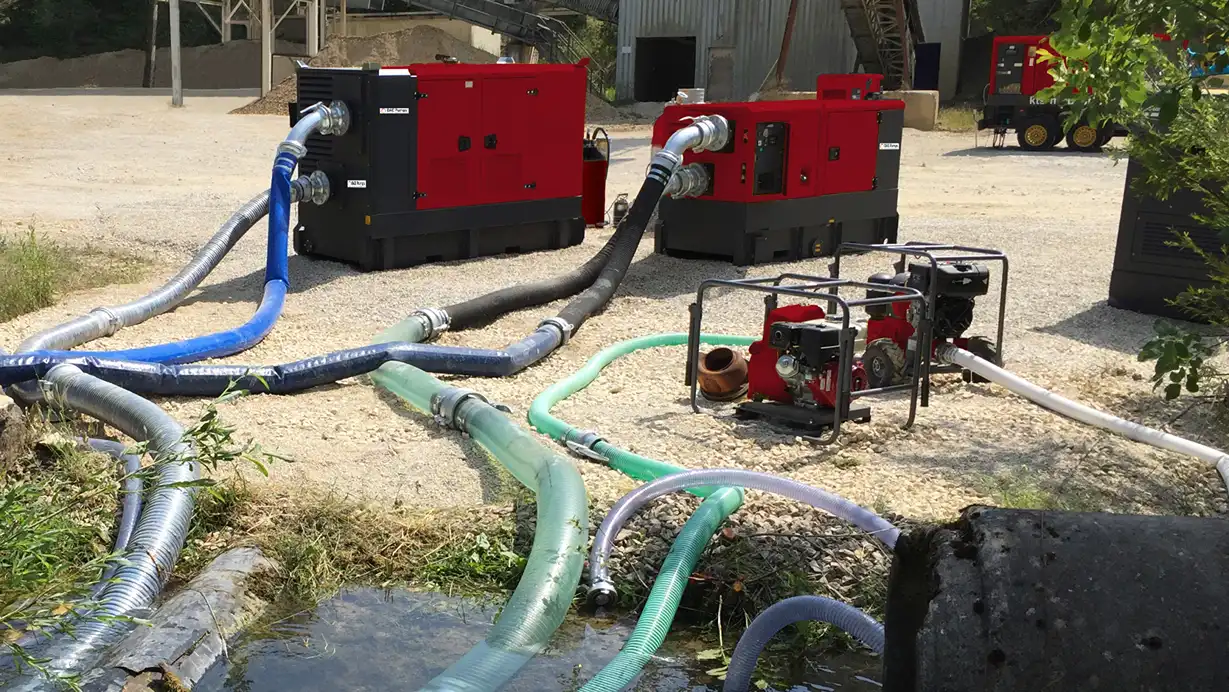

Common Dewatering Techniques and Their Applications
Several dewatering techniques are commonly used across different industries, each with unique advantages and suited for specific site conditions. The choice of dewatering method depends on the project requirements, volume of water, soil type, and other factors. Here are the most popular dewatering techniques and their applications:
Gravity Dewatering
Gravity dewatering relies on the natural force of gravity to separate water from solids. This technique uses sloped surfaces, drainage ditches, or sedimentation basins to allow water to flow away from the site. As the water drains, solids settle or remain trapped in filtration media such as sand or geotextile layers. Gravity dewatering is typically used for sites with low volumes of water and minimal urgency for water removal.
Applications:
- Draining excess water from agricultural fields
- Dewatering small construction sites
- Managing sludge in wastewater treatment facilities
Gravity dewatering is a cost-effective approach that requires minimal equipment, making it suitable for non-urgent projects. However, it is less effective for sites with high groundwater levels or significant water accumulation.
Sump Pumping
Sump pumping is a widely used technique in construction, mining, and industrial settings. This method involves creating a sump, or a shallow pit, at the lowest point of the site, where water naturally collects. A dewatering pump, such as a submersible pump, is then used to extract water from the sump and discharge it away from the site. Sump pumping is versatile, simple to implement, and can be combined with other dewatering methods.
Applications:
- Foundation and basement construction
- Open-pit mining to manage groundwater infiltration
- Excavation projects prone to surface water accumulation
Sump pumping is most effective in shallow excavations where groundwater seepage is limited. It is not suitable for areas with deep groundwater or highly permeable soils, where more advanced dewatering systems may be required.
Wellpoint Systems
Wellpoint systems involve the installation of a series of small-diameter wells, known as wellpoints, around an excavation site. The wellpoints are connected to a header pipe and a vacuum pump, which lowers the groundwater level by drawing water from the surrounding soil. This technique is particularly useful for lowering groundwater levels in sandy or gravelly soils, where rapid dewatering is needed.
Applications:
- Deep basement and tunnel construction
- Long-term dewatering for infrastructure projects
- Dewatering bridge or highway foundations
Wellpoint dewatering is suitable for permeable soils where groundwater can be easily removed. The technique is scalable and can handle large excavation sites, making it ideal for major construction projects.
Deep Well Systems
Deep well dewatering is used for areas with a high water table or deep excavations. In this method, large-diameter wells are drilled around the site, with dewatering pumps placed deep within the wells to draw down the groundwater. This approach is effective for managing high volumes of water over an extended period.
Applications:
- Large-scale infrastructure projects, such as dams and tunnels
- Mining operations where groundwater levels are significant
- Dewatering sites with high hydrostatic pressure
Deep well dewatering is suitable for projects requiring sustained groundwater management. It is effective in various soil types, including silt, clay, and rock.
Eductor Systems
Eductor systems, also known as ejector systems, utilize high-pressure water or air to create a vacuum that draws groundwater from the soil. This method is ideal for dewatering low-permeability soils like clay or silt, where other dewatering techniques may not be as effective.
Applications:
- Urban excavations with limited space
- Sites with cohesive, low-permeability soils
- Dewatering projects where conventional pumps cannot achieve the desired results
Educator systems are often used in combination with other dewatering systems to enhance efficiency and improve results in challenging conditions.

Exploring Dewatering Pumps: Choosing the Right Pump for Your Needs
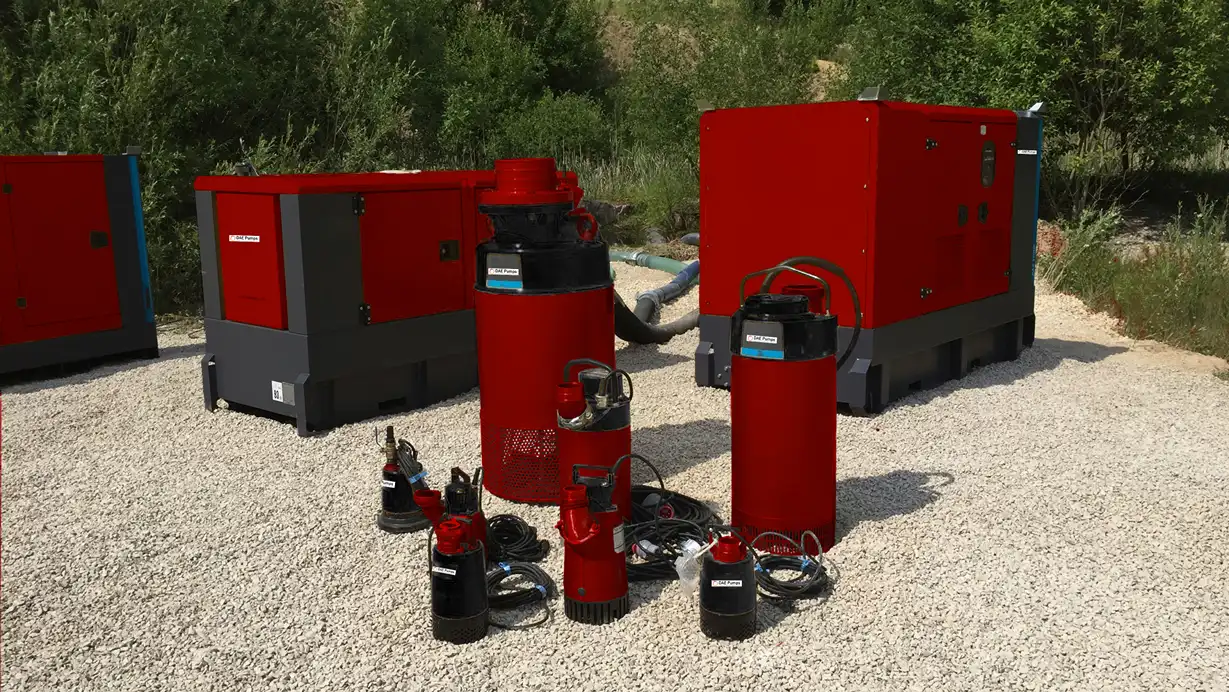
Choosing the right dewatering pump is essential for effective water management. Various pump types offer different capabilities, making them suitable for specific site conditions and project requirements. Below are the main types of dewatering pumps and their applications:
Types of Dewatering Pumps
Submersible Pumps
Submersible pumps operate underwater, making them suitable for sump pumping and wellpoint systems. The pump’s sealed design prevents water from damaging the motor, allowing it to perform efficiently in submerged conditions.
- Best for:
-
- Sump dewatering in construction sites
- Emergency floodwater removal
- Groundwater management in mining
Centrifugal Pumps
Centrifugal pumps use a rotating impeller to create a vacuum that draws water into the pump. They are versatile and can handle high-flow, low-pressure scenarios. These pumps work well for transferring large volumes of water quickly.
- Best for:
-
- Flood control projects
- Water bypass operations in municipal projects
- Large excavation sites requiring rapid dewatering
Trash Pumps
Trash pumps are designed to handle water containing debris, mud, and other solids. With larger impeller passages, these pumps allow solids to pass through without clogging.
- Best for:
-
- Construction sites with muddy or debris-filled water
- Disaster response for cleaning up after floods
- Excavations where sediment-laden water needs to be removed
Diaphragm Pumps
Diaphragm pumps utilize a flexible diaphragm to pump liquids. These positive displacement pumps can handle thicker fluids, making them effective for dewatering in locations where the water contains a significant amount of solids.
- Best for:
-
- Sludge dewatering in wastewater treatment
- Industrial applications with high solid content in water
- Projects without easy access to electricity
High-Head Pumps
High-head pumps are designed for applications where water needs to be lifted over long vertical distances. These pumps are ideal for deep well dewatering and projects with significant elevation differences.
- Best for:
-
- Deep excavation dewatering
- High-elevation mining operations
- Infrastructure projects with significant depth requirements

Enhancing Dewatering Efficiency with Dewatering Bags
Dewatering bags, also known as sediment filter bags or geotextile bags, improve dewatering efficiency by capturing solids while allowing the filtered water to discharge. These bags are widely used in conjunction with dewatering pumps to enhance water quality and reduce environmental impact.
What Are Dewatering Bags and How Do They Work?
Dewatering bags are constructed from durable geotextile fabric that acts as a filtration medium. As water containing sediments is pumped into the bag, the geotextile material retains the solids while allowing clean water to exit through the fabric. The trapped sediment is retained within the bag, preventing it from entering stormwater systems or natural bodies of water.
Applications for Dewatering Bags in Construction, Environmental Remediation, and Dredging
- Construction: Dewatering bags manage sediment runoff and prevent soil erosion during site development.
- Environmental Remediation: They help filter contaminated water during cleanup projects, ensuring pollutants do not spread.
- Dredging: Dewatering bags manage slurry generated during dredging operations by filtering out sediments and allowing the water to be returned to the water body.
Benefits of Using Dewatering Bags for Solids Separation and Water Filtration
- Cost-Effective Solution: Dewatering bags are an affordable alternative to complex filtration systems.
- Easy to Deploy: The bags are portable and lightweight, making them suitable for sites with limited equipment.
- Environmentally Friendly: By capturing sediments, the bags reduce the risk of contaminating nearby water bodies and help protect the environment.
Designing an Effective Dewatering System: Key Considerations
Designing an effective dewatering system requires planning and understanding the project-specific requirements. Considering site conditions, equipment needs, and regulatory compliance will ensure a successful dewatering operation.
How to Plan and Set Up a Dewatering System for Different Site Conditions
Site Assessment:
Evaluate factors such as soil type, groundwater levels, and the amount of water to be managed. Understanding these conditions will help determine the most suitable dewatering method.
System Design:
Choose the appropriate dewatering technique and equipment based on the assessment. Plan for the number and location of pumps, wells, and discharge points.
Monitoring and Adjustment:
Continuously monitor the dewatering system’s performance to detect changes in conditions. Be prepared to adjust equipment settings or add more pumps as necessary.

Importance of Evaluating Site-Specific Factors, Such as Soil Type, Water Table Level, and Regulatory Requirements
Soil Type:
Soil permeability affects water movement. Sandy soils are easier to dewater, while clay-rich soils may require different techniques.
Water Table Level:
In areas with a high water table, lowering the groundwater may require deeper wells or more powerful dewatering pumps.
Regulatory Requirements:
Compliance with local, state, and federal regulations is crucial. This may involve permits for water discharge and adhering to environmental protection standards.
Safety and Environmental Considerations in Dewatering Operations
Dewatering operations involve handling large volumes of water, which can create safety and environmental risks.
Managing Water Discharge to Comply with Environmental Regulations
Discharged water must meet quality standards set by environmental authorities. This often involves using filtration systems like dewatering bags or sedimentation basins to ensure compliance. Obtaining permits for water discharge into stormwater systems or natural bodies of water may also be required.
Mitigating Risks Associated with Dewatering, Such as Soil Erosion and Groundwater Contamination
- Preventing Soil Erosion: High-flow discharge can cause soil erosion. Use energy dissipation methods, such as placing riprap at the discharge point, to minimize this risk.
- Groundwater Contamination Prevention: Dewatering near contaminated sites requires additional measures like containment barriers to prevent the spreading of pollutants.
Dewatering in Challenging Conditions: Tips and Strategies
Dewatering becomes more complex in certain environments, such as high groundwater areas, contaminated sites, or extreme weather conditions.
Approaches to Dewatering in Areas with High Groundwater or Contaminated Water
Combining Methods:
Use multiple dewatering techniques, such as wellpoint systems and sump pumping, to effectively control groundwater levels.
On-Site Treatment:
Treat contaminated water before discharge using filtration or chemical treatments to meet regulatory standards.
Special Equipment and Techniques for Extreme Dewatering Conditions
- High-Head Pumps: Necessary for deep excavations where water must be lifted over long vertical distances.
- Freeze Dewatering: Freezing the soil can create a barrier that prevents water flow, aiding dewatering efforts in challenging conditions.

Routine Maintenance for Dewatering Systems and Equipment
Proper maintenance is critical to keep dewatering systems efficient and prevent operational failures.
Common Maintenance Practices to Ensure Pump Efficiency and Longevity
- Regular Inspection: Check for wear, corrosion, or clogging in dewatering pumps, hoses, and other components.
- Part Replacement: Replace worn-out parts, such as seals and impellers, promptly to avoid system breakdowns.
- Lubrication: Maintain proper lubrication for mechanical components to reduce wear.
Troubleshooting Common Issues with Dewatering Pumps and Bags
- Pump Performance Problems: If a pump is underperforming, check for blockages in the intake or impeller.
- Sediment Buildup in Dewatering Bags: Clean or replace bags as needed to maintain filtration efficiency.
Conclusion: The Future of Dewatering Technologies and Innovations
The dewatering industry continues to evolve, with innovations focusing on increased efficiency, automation, and sustainability. Emerging trends include automated dewatering systems with smart monitoring capabilities and environmentally friendly filtration technologies. These advancements are shaping the future of dewatering, making it safer, more efficient, and sustainable for various industries.
Dewatering is an essential component of water management in construction, mining, and environmental projects. By understanding the different techniques, selecting the right equipment, and following best practices, project managers can ensure effective dewatering while complying with regulations. As technology continues to advance, the future of dewatering will be defined by smarter, more efficient systems that optimize water management under challenging conditions.