
- Overview of Variable Frequency Drive Pumps
- The Science Behind Frequency Drive Pump Efficiency
- Key Features of Variable Frequency Drive Well Pumps
- Decoding the Variable Frequency Drive Pump Curve
- Optimizing System Performance with the Right Pump
- Common Challenges in Pump Installation and How to Overcome Them
- Maintenance Tips for Ensuring Long-Term Reliability
- Conclusion
The global demand for energy-efficient and adaptable pumping solutions is at an all-time high. Industries, municipalities, and even residential applications are continually seeking ways to minimize energy consumption, reduce costs, and optimize system performance. Enter variable frequency drive pumps (frequency drive pumps) – a transformative technology that offers precise control, enhanced efficiency, and unparalleled adaptability to meet the challenges of modern-day pumping requirements.
Energy consumption is a significant consideration for pumping systems, and inefficient operation often contributes to excessive operational costs and environmental strain. Frequency drive pumps address these issues by providing a flexible and intelligent solution that adapts to changing demands, significantly lowering energy use. Their modular design and operational flexibility make them ideal for a variety of settings.
In this comprehensive guide, we will explore the intricacies of frequency drive pumps, from their fundamental components to their operational advantages. Whether you’re an engineer, a facility manager, or simply a curious reader, this blog aims to provide valuable insights into maximizing the efficiency of your pumping systems using frequency drive pump technology. By the end, you will understand how frequency drive pumps can revolutionize operations and contribute to sustainability goals.

Overview of Variable Frequency Drive Pumps
Definition and Components of a Variable Frequency Drive Pump
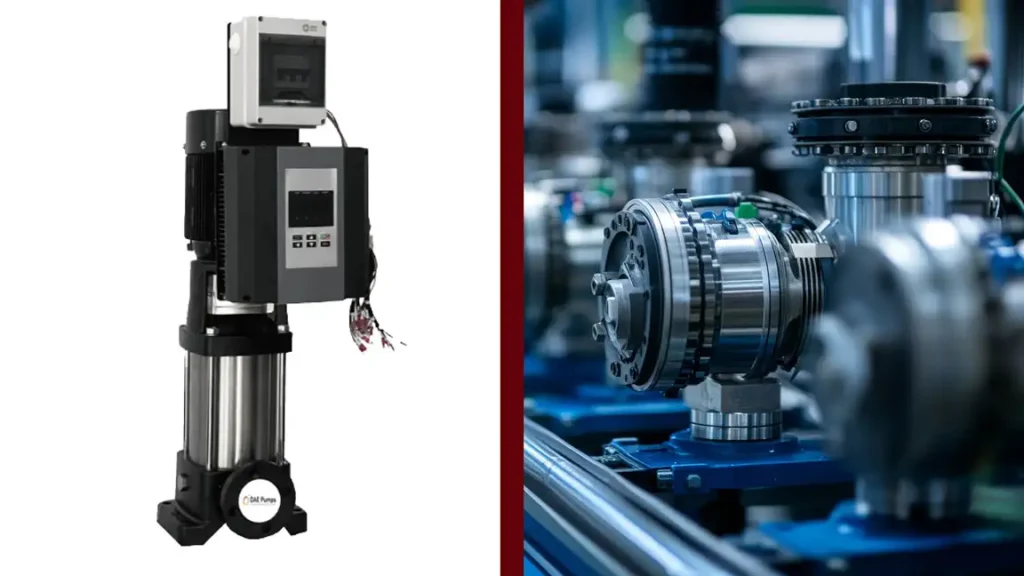
A variable-frequency drive pump (frequency drive pump) combines a standard pump with a variable-frequency drive to deliver unparalleled efficiency and control. The variable-frequency drive is an advanced electronic device designed to adjust motor speed and torque by modulating the input frequency and voltage. This functionality allows the pump to precisely align its output with the actual demand, resulting in considerable energy savings, reduced wear and tear, and longer equipment lifespans.
Key components of a frequency drive pump system include:
- Pump Motor: Converts electrical energy into mechanical energy to power the impeller.
- Variable Frequency Drive: Regulates the motor’s speed and torque to optimize performance.
- Controller: Serves as the interface between the user and the system, enabling control and real-time monitoring.
- Sensors: Measure critical parameters such as flow rate, pressure, and temperature to provide feedback for precise adjustments.
- Communication Interfaces: Facilitate integration into larger system architectures, enabling centralized control, diagnostics, and data analysis.
Differentiating Variable Frequency Drive Well Pumps from Other Pump Types
Traditional fixed-speed pumps operate at a constant speed regardless of system demand, leading to inefficiencies and unnecessary energy consumption. In contrast, frequency drive pumps dynamically adjust their speed based on real-time requirements, eliminating the need for throttling or frequent cycling. This adaptability enhances operational efficiency while reducing mechanical strain and associated maintenance costs.
Compared to constant-pressure or staged pumping systems, variable-frequency drive well pumps stand out for their superior adaptability and energy efficiency. Additionally, frequency-drive pump systems often feature advanced diagnostic tools, enabling predictive maintenance and minimizing unexpected downtime. This makes them a highly reliable option for modern applications where efficiency and longevity are critical.
Applications in Industrial, Commercial, and Residential Sectors
Frequency drive pumps are versatile and serve a wide range of applications across various sectors:
- Industrial: Integral to manufacturing processes, cooling systems, and wastewater treatment facilities.
- Commercial: Used in HVAC systems, fire suppression systems, and water supply networks.
- Residential: Ideal for well water systems, irrigation, and energy-efficient water management in homes.
Beyond these common applications, frequency drive pumps are increasingly deployed in specialized settings such as desalination plants and remote agricultural operations. These pumps excel in environments that demand high precision, adaptability, and reliability. Their ability to optimize energy consumption and ensure consistent performance makes them indispensable in complex, high-performance systems.
In summary, variable frequency drive well pumps represent a significant technological advancement in fluid handling systems. By combining energy efficiency, operational flexibility, and advanced diagnostics, they have become the preferred choice for applications demanding precision and sustainability.


The Science Behind Frequency Drive Pump Efficiency
How Frequency Drive Technology Optimizes Pump Performance
The exceptional efficiency of variable frequency drive pumps is rooted in their ability to regulate motor speed dynamically based on real-time demand. Unlike traditional pumps that operate at fixed speeds, frequency drive pumps use variable frequency drive technology to modulate the electrical input, ensuring the motor runs at the most efficient point on its performance curve. This precise control minimizes energy waste, reduces wear and tear on mechanical components, and extends the pump’s overall lifespan.
Modern variable frequency drive pumps go beyond basic speed adjustments by integrating advanced algorithms that monitor and learn from system behavior over time. These intelligent systems adapt to changing conditions, predicting demand fluctuations and making proactive adjustments. This level of sophistication ensures optimal performance while reducing operational inefficiencies, making frequency drive pumps ideal for dynamic environments.
Exploring the Relationship Between Energy Usage and the Variable Frequency Drive Pump Curve
The pump curve is a critical tool in understanding pump performance, showcasing the relationship between flow rate, head, and efficiency. Traditional pumps are often constrained to a fixed point on the curve, leading to inefficiencies when system demands deviate from the pump’s optimal operating range. Frequency drive pumps, however, provide unparalleled flexibility by allowing operators to shift the operating point along the curve. This adaptability ensures that the pump consistently operates at peak efficiency, even as flow and pressure demands fluctuate. Variable frequency drive pump curve analysis is essential for optimizing energy usage and maintaining system reliability.
A prime example of this adaptability can be seen in municipal water systems. Throughout the day, water demand varies significantly, and fixed-speed pumps struggle to maintain efficiency during these fluctuations. Variable frequency drive pumps seamlessly adjust to these changes, maintaining consistent pressure and flow without overburdening the system. This not only reduces energy consumption but also decreases maintenance needs and prolongs the pump’s lifespan. In fact, variable frequency drive technology can result in energy savings of 40% or more in such scenarios, delivering both economic and operational benefits. By understanding the variable frequency drive pump curve, operators can further fine-tune performance for specific applications.
Benefits of Using Frequency Drive Pumps in Reducing Environmental Impact
In addition to optimizing performance and reducing energy costs, frequency drive pumps contribute significantly to environmental sustainability. By consuming only the energy required for a specific task, these pumps reduce greenhouse gas emissions and align with global efforts to combat climate change. Their precise control also minimizes water wastage, making them a more sustainable solution for water-intensive applications in industries, municipalities, and agricultural operations.
Variable-frequency drive pumps also enhance environmental performance through their compatibility with renewable energy sources. Many modern variable-frequency drive systems can synchronize with solar and wind energy inputs, maximizing the use of green energy in pump operations. This integration not only reduces dependency on fossil fuels but also supports the broader adoption of renewable energy technologies. Proper utilization of the variable-frequency drive pump curve can also help align operational efficiency with environmental goals.
Additional Benefits of Variable Frequency Drive Pumps in Complex Systems
Beyond energy efficiency and environmental impact, frequency drive pumps offer additional benefits that enhance their value in diverse applications. One notable advantage is their ability to mitigate water hammer, a pressure surge caused by sudden changes in flow or valve operation. By allowing smooth ramp-up and ramp-down speeds, variable frequency drive pumps prevent this damaging phenomenon, safeguarding pipelines and connected equipment.
Moreover, variable frequency drive systems support remote monitoring and control through advanced communication interfaces. These features enable operators to manage pump performance from centralized locations, improving system oversight and reducing downtime. For industries that rely on critical processes, such as chemical manufacturing or oil and gas operations, these capabilities provide an added layer of reliability and operational security. Understanding the variable frequency drive pump curve is crucial for optimizing these advanced functionalities.
With their adaptability, efficiency, and technological advancements, variable frequency drive pumps have become an integral component in the design of modern fluid handling systems. Their benefits extend beyond energy savings to include enhanced system protection, process optimization, and reduced lifecycle costs, making them an essential tool for diverse industries.

Key Features of Variable Frequency Drive Well Pumps
Enhanced Control for Fluctuating Water Demand in Well Systems
Traditional well pumps are limited in their ability to handle fluctuations in water demand, often resulting in inefficiencies, frequent cycling, and increased wear and tear. Variable frequency drive well pumps, however, excel in such scenarios by dynamically adjusting motor speed to match real-time water usage. This ensures system stability while significantly reducing energy consumption.
The benefits of variable frequency drive technology are especially critical in large-scale operations such as mining and oil extraction, where water demand can shift dramatically over short periods. For example, during peak extraction periods, water usage surges, while periods of reduced activity demand minimal water flow. Variable frequency drive pumps respond seamlessly to these variations, preventing system overloads, minimizing downtime, and reducing the risk of costly equipment failures. This adaptability ensures operational continuity and optimizes resource usage in high-demand environments. The ability to analyze and utilize the variable frequency drive pump curve further enhances its operational benefits.
Precision in Maintaining Consistent Water Pressure
One of the most notable features of variable-frequency drive well pumps is their ability to maintain consistent water pressure even as demand fluctuates. This capability is vital for both residential and commercial applications, where stable water pressure directly impacts user comfort, operational efficiency, and system performance.
Advanced variable frequency drive systems enhance this capability with multi-point pressure monitoring and sophisticated feedback mechanisms. These systems continuously measure and adjust pump output to ensure precise pressure control. For example, in high-rise commercial buildings, where water demand varies by floor and time of day, variable frequency drive pumps can deliver consistent pressure across all levels, preventing issues such as pressure drops or overflows. This level of precision not only improves reliability but also minimizes user complaints and reduces maintenance requirements. The ability to align performance with the variable frequency drive pump curve ensures maximum efficiency in these settings.
Case Study: Implementation in Agriculture
A large-scale agricultural operation in a drought-prone region was facing significant challenges with inconsistent irrigation and escalating energy costs due to outdated fixed-speed pumps. Uneven water distribution was impacting crop health, while excessive energy consumption and frequent pump failures were driving up operating expenses. By transitioning to variable frequency drive well pumps, the farm experienced transformative results:
- 30% Reduction in Energy Costs: By matching pump operation to irrigation demand, electricity usage was significantly reduced, leading to substantial cost savings.
- Improved Crop Yield: The ability to maintain consistent water pressure ensured uniform irrigation, resulting in healthier crops and higher yields.
- Lower Maintenance Costs: Smooth pump operation reduced mechanical stress, extending equipment lifespan and cutting repair expenses.
- Enhanced Sustainability: Optimized water use reduces waste, helping the farm comply with environmental regulations and conserve water resources during drought conditions. Proper use of the variable frequency drive pump curve played a critical role in achieving these outcomes.
This transformation solved the farm’s operational challenges and aligned its practices with sustainability goals, ensuring long-term viability in a resource-constrained environment.
Case Study: Municipal Water Supply Systems
A mid-sized municipality struggled with inefficient water distribution due to fixed-speed pumps that could not adapt to fluctuating daily demand. During peak hours, residents often experienced low water pressure, while off-peak times led to over-pressurization and water loss. The municipality upgraded its water supply system with variable frequency drive well pumps, achieving remarkable improvements:
- Energy Savings of 40%: The system minimized energy waste by adjusting motor speed to match real-time demand.
- Improved Service Quality: Consistent water pressure eliminated pressure fluctuations, enhancing user satisfaction.
- Reduced Water Loss: Precise control of flow rates minimized leaks and waste, improving overall water efficiency.
- Lower Operating Costs: Maintenance costs dropped significantly due to reduced mechanical strain and fewer emergency repairs. Leveraging the variable frequency drive pump curve ensured optimal adjustments to meet daily demand.
The upgrade’s success underscored the potential of variable frequency drive technology to modernize municipal water systems, making them more efficient, cost-effective, and reliable.
Case Study: Industrial Mining Operations
A mining company operating in a remote location faced significant challenges with water management. The demand for water varied drastically depending on the stage of extraction, and the fixed-speed pumps in use were unable to adapt efficiently. This led to frequent pump failures, high energy costs, and production delays. The company implemented variable frequency drive well pumps, achieving the following benefits:
- 50% Reduction in Pump Downtime: The ability to adjust pump speeds reduced wear and tear, minimizing breakdowns.
- Energy Efficiency Gains: Optimized pump performance reduced energy consumption by 35%, lowering operational expenses.
- Improved Water Availability: Real-time adjustments ensured water was available as needed without over-pumping, supporting sustainable resource use.
- Enhanced System Monitoring: Advanced variable-frequency drive controls are integrated with the company’s SCADA system, enabling remote monitoring and proactive maintenance planning. Utilizing the variable-frequency drive pump curve further enhances system performance.
This implementation improved operational efficiency and strengthened the company’s ability to manage water resources effectively in a challenging environment.
These case studies illustrate the versatility and advantages of variable frequency drive well pumps across various industries, from agriculture to municipal services and industrial operations. Their adaptability, energy efficiency, and precision make them a valuable investment for any application requiring efficient water management.

Decoding the Variable Frequency Drive Pump Curve
What the Pump Curve Reveals About Pump Performance
The pump curve is a vital tool for understanding how a pump will perform under varying conditions. It provides insights into flow rate, head, and efficiency at different operating points. For variable-frequency drive pumps, the curve becomes even more dynamic as operators can shift the operating point to match system requirements. Thus, the variable-frequency drive pump curve provides essential data for ensuring optimal alignment with system demands.
Practical Applications of the Pump Curve in System Design and Maintenance
Designing a pumping system with a frequency drive pump involves selecting a unit that aligns with the desired operating range on the pump curve. During maintenance, the curve can help identify performance deviations, indicating issues like impeller wear or blockages.
Operators can use real-time data to recalibrate settings, ensuring optimal performance and extending equipment lifespan. Maintenance teams also benefit from this dynamic curve, as it provides diagnostic insights that improve troubleshooting accuracy. A comprehensive understanding of the variable frequency drive pump curve is critical for maximizing these benefits.
Tips for Interpreting Pump Curves to Ensure Maximum Efficiency
Understand Key Parameters: Familiarize yourself with terms like Best Efficiency Point (BEP), head, and flow rate.
Monitor System Performance: Regularly compare real-time data with the pump curve to detect anomalies.
Leverage Variable Frequency Drive Flexibility: Use the variable frequency drive to adjust operating parameters and maintain alignment with the curve’s optimal range. The variable frequency drive pump curve is an invaluable reference for achieving these adjustments.
Optimizing System Performance with the Right Pump
Checklist for Selecting the Ideal Variable Frequency Drive Pump Selecting the right variable frequency drive pump is critical for maximizing system performance, reducing costs, and ensuring long-term reliability. Use the following detailed checklist to guide your decision-making process:
Assess System Requirements:
Begin by evaluating your system’s specific needs. Determine the required flow rate, pressure range, and energy efficiency goals. Consider operational variations, such as peak demand periods and low-usage times, to ensure the pump can adapt to all conditions. An accurate assessment of these parameters will help prevent inefficiencies and ensure optimal performance. The variable frequency drive pump curve should be analyzed during this process.
Evaluate Pump Compatibility:
Verify that the selected frequency drive pump is suitable for your application and operating environment. Consider factors like fluid type (e.g., water, slurry, or chemicals), temperature, and system dynamics. Pumps used in harsh industrial settings require corrosion-resistant materials, while those for municipal use prioritize quiet operation and energy efficiency.
Consider Scalability:
Choose a pump that can accommodate future demand changes without requiring a complete system overhaul. If your facility or operation may expand in the future, selecting a pump with a wide operating range or modular design can save significant costs and effort later. Scalability ensures that the system remains effective as your needs evolve.
Review Manufacturer Support:
Work with reputable manufacturers like DAE Pumps to ensure access to high-quality products and comprehensive technical support. Reliable suppliers offer robust warranties, spare parts availability, and expert guidance for installation and maintenance. This ensures a seamless experience from purchase to long-term operation.
Analyze System Integration:
Ensure the frequency drive pump can communicate seamlessly with your existing infrastructure, such as SCADA systems or IoT-enabled devices. Advanced communication interfaces like Modbus or Ethernet allow for centralized monitoring, real-time diagnostics, and automated control, optimizing overall system efficiency and reducing manual intervention. Leveraging the variable frequency drive pump curve during integration can optimize system alignment.

Common Challenges in Pump Installation and How to Overcome Them
Frequency drive pump installation can present challenges that, if not addressed, may impact performance and reliability. Here are some common issues and ways to resolve them:
Electrical Interference:
Electromagnetic interference (EMI) can disrupt pump operations and nearby equipment. To prevent this, electrical components must be properly shielded and grounded. Installing line reactors or filters can further minimize interference, ensuring stable and reliable operation.
Improper Sizing:
Selecting a pump that is too large or too small for your system can lead to inefficiencies, frequent cycling, or premature wear. Collaborate with pump experts or use system modeling tools to accurately size the pump based on flow rate, pressure, and operating conditions. Proper sizing ensures optimal performance and longevity. Consulting the variable frequency drive pump curve can help in precise sizing.
Complex Controls:
Advanced frequency drive systems often come with complex controls that can be intimidating for operators. Invest in operator training or select pumps with user-friendly interfaces and intuitive controls. Simplifying operations ensures that your team can manage the system effectively, reducing errors and downtime.

Maintenance Tips for Ensuring Long-Term Reliability
Proper maintenance is essential to keep frequency drive pumps running efficiently and reliably over time. Follow these expanded maintenance tips for optimal results:
Regular Inspections:
Conduct routine visual and auditory inspections to identify issues such as leaks, unusual vibrations, or strange noises. Addressing these signs early can prevent minor issues from escalating into major problems, saving time and money.
Monitor Performance Metrics:
Sensors and analytics tools can continuously track performance metrics such as flow rate, pressure, and energy consumption. These tools can detect anomalies and inefficiencies, allowing for early intervention before they impact system performance.
Schedule Preventive Maintenance:
Establish a preventive maintenance schedule to replace worn components, such as seals, bearings, or impellers, before they fail. This reduces the risk of unexpected downtime and extends the life of the pump. Keep a log of maintenance activities to track component wear and effectively plan future replacements. It is also critical to regularly analyze the variable frequency drive pump curve during maintenance.

Conclusion
Variable frequency drive pumps are a game-changer for achieving operational efficiency in pumping systems. Their ability to adapt to fluctuating demands, reduce energy consumption, and extend equipment lifespan makes them an invaluable asset across industries and applications. By leveraging the insights shared in this guide, you can maximize the performance and reliability of your frequency drive pump systems.
If you’re looking for tailored pumping solutions, DAE Pumps offers unparalleled expertise in frequency drive pump technology. Our team is dedicated to helping you select, install, and maintain the ideal pump for your needs. Contact us today to explore how frequency-drive pumps can transform your operations and drive sustainable growth.