
- What is an Industrial Hydraulic Power Unit?
- Types of Industrial Hydraulic Power Units
- Key Components of an Industrial Hydraulic Power Pack
- Applications of Hydraulic Industrial Power Units
- Factors to Consider When Choosing an Industrial Hydraulic Power Unit
- Benefits of Using a High-Quality Industrial Hydraulic Power Pack
- How DAE Pumps Deliver Advanced Hydraulic Industrial Power Units
- Conclusion
In high-performance industrial environments where mechanical strength and uninterrupted operations are paramount, industrial hydraulic power units serve as the foundation for countless heavy-duty systems. From driving excavation machinery and mining equipment to supporting marine and oilfield operations, hydraulic systems deliver the muscle and precision that electric or pneumatic systems often cannot.
The efficiency and reliability of a hydraulic system depend heavily on the quality and configuration of the industrial hydraulic power unit that drives it. Selecting the correct industrial hydraulic power units is not just a matter of technical compatibility; it is a decision that affects safety, operational uptime, and long-term cost efficiency.
As a recognized authority in engineered pumping and hydraulic solutions, DAE Pumps delivers advanced industrial hydraulic power units designed to perform in some of the world’s harshest operational environments. Leveraging deep engineering expertise, DAE Pumps ensures that every power unit is optimized for power, reliability, and seamless integration with downstream equipment.
What is an Industrial Hydraulic Power Unit?
At its core, an industrial hydraulic power unit is a packaged assembly that generates, stores, and regulates the hydraulic energy necessary to drive a wide range of mechanical operations. It works by converting mechanical input energy—typically from an electric or diesel motor—into hydraulic pressure through a pump system and then distributing that energy to actuate cylinders, motors, and other machinery components.
While individual hydraulic components can be used separately, a hydraulic industrial power unit consolidates these elements into one optimized system. This simplifies installation, improves consistency in performance, and makes maintenance easier.
Key Advantages Over Standalone Components:
- Unified design improves compatibility and flow balance
- Enhanced efficiency through integrated filtration and fluid cooling
- Reduced footprint and simplified field deployment
- Centralized control for multiple actuators or machines
Each industrial hydraulic power pack is engineered for a specific load demand and duty cycle, ensuring that systems can operate continuously under peak loads without compromising efficiency or safety.

Types of Industrial Hydraulic Power Units
To cater to a diverse range of industrial applications, manufacturers offer various types of industrial hydraulic power units, differing in power source, mobility, and application.
Electric-Driven Power Units
Electric hydraulic industrial power units are preferred in controlled environments, such as factories or warehouses, where electricity is stable and readily available. These units offer precise control, minimal emissions, and low noise, making them ideal for use in indoor or enclosed spaces.
They are often used in:
- Assembly lines
- Press Machinery
- Factory automation systems
Diesel-Driven Power Units
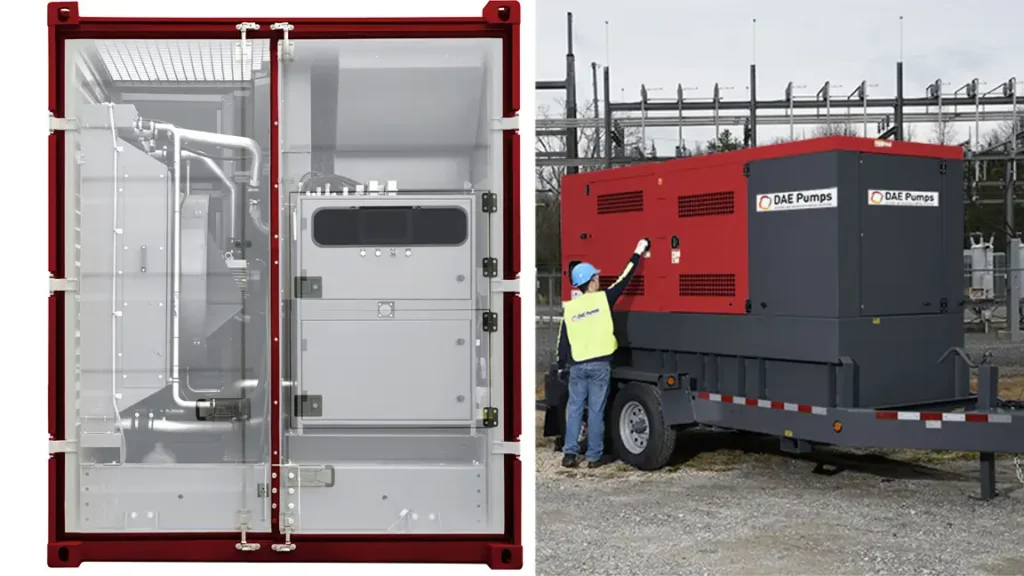
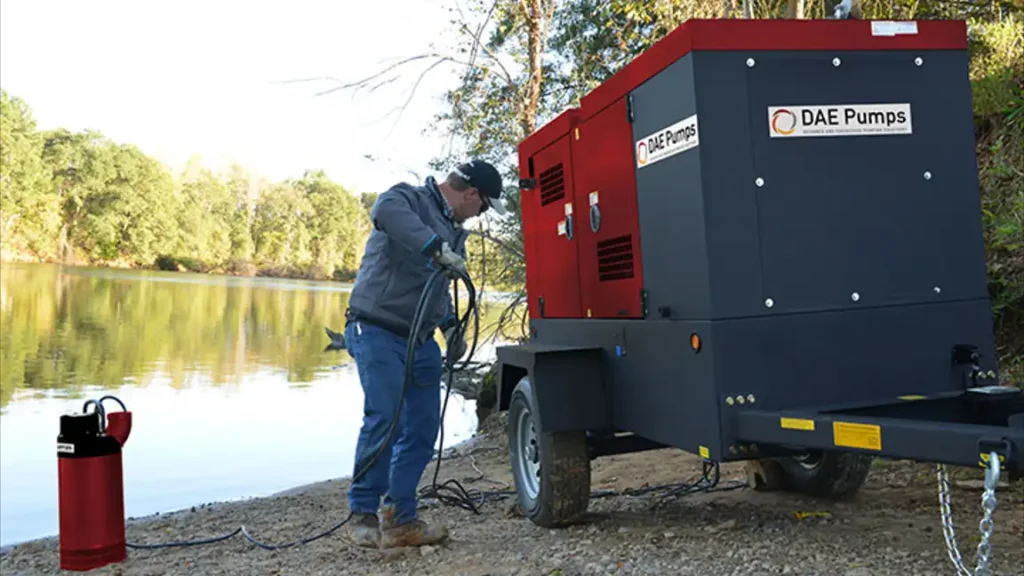
Diesel-powered industrial hydraulic power units are typically selected for outdoor and remote-site applications where access to electricity is limited. Their rugged build and self-sufficiency make them invaluable in industries such as mining, dredging, and large-scale construction.
Benefits include:
- Independent operation in off-grid locations
- Higher torque delivery and pressure ratings
- Durable enclosures to withstand weather and impact
Portable vs. Stationary Power Units
Portable hydraulic industrial power units are compact and often mounted on skids or trailers for mobility. They are favored by field service teams, emergency response crews, and maintenance engineers who require hydraulic power at various locations.
Stationary industrial hydraulic power units, by contrast, are installed permanently and typically support large systems, such as plant-based material processing or automated lifting mechanisms.
The decision between these types depends largely on operational requirements, logistical constraints, and the need for rapid redeployment.
Key Components of an Industrial Hydraulic Power Pack
Every industrial hydraulic power pack consists of a combination of essential components engineered to work in unison. Proper design and integration of these parts ensure system reliability and operational precision.
Hydraulic Pumps
This is the heart of the system, responsible for generating flow and pressure. Pump types include gear, vane, and piston pumps, each selected based on the pressure range, flow requirement, and application complexity.
Hydraulic Reservoir
The tank that holds the hydraulic fluid must be the appropriate size to allow for fluid cooling, contamination settling, and air release. High-quality industrial hydraulic power units feature baffled and coated reservoirs to prevent corrosion and thermal issues.
Filters
Filtration systems are critical for removing contaminants from the fluid. Inline and return-line filters safeguard the system by preventing debris from damaging sensitive components.
Accumulators
These are pressure storage devices that serve multiple functions, including compensating for fluid loss, dampening pressure spikes, and supplying emergency power.
Control Valves
These precision devices manage flow rate, direction, and pressure throughout the system. Manual, solenoid, and proportional control valves offer flexibility for both simple and complex hydraulic circuits.
Hoses and Fittings
Properly rated hoses and robust fittings ensure secure and leak-free operation under high pressure. The selection of hose material and fitting style must align with the application’s specific chemical compatibility and temperature exposure.

Applications of Hydraulic Industrial Power Units
Industrial hydraulic power units are integral to a wide range of heavy-duty operations, offering the high force output and precision required in complex mechanical systems. Their adaptability and robust design make them essential in various sectors where reliability, durability, and power density are non-negotiable.

-
Dredging and Marine Infrastructure
In dredging operations, hydraulic industrial power units are used to drive submersible slurry pumps, cutter heads, hydraulic winches, and spud positioning arms. Their consistent high-pressure output ensures efficient sediment removal and uninterrupted flow during continuous underwater excavation. Whether clearing navigation channels, maintaining harbors, or managing coastal erosion, these units are key to maximizing operational uptime in marine environments.
-
Mining and Earthmoving
Hydraulic systems play a crucial role in mining, powering equipment such as rock crushers, excavators, conveyor drives, and underground ventilation systems. The harsh operating conditions—extreme dust, moisture, and vibration—demand industrial hydraulic power packs built for durability and efficiency. These systems must withstand heavy loads for prolonged periods, often in remote or subterranean locations where maintenance access is limited.
-
Oil & Gas and Offshore Platforms
In offshore applications, hydraulic industrial power units are crucial to mission success. They power jack-up rigs, heave compensation systems, pipeline tensioners, and subsea tooling used in oil and gas extraction. Designed to operate in highly corrosive saltwater environments, these systems must also meet rigorous industry certifications, including ATEX or DNV-GL standards for explosion-proof or marine-rated equipment. Extreme reliability is essential, as downtime in offshore platforms can result in significant operational and financial losses.
-
Agriculture and Forestry
Hydraulic units also support agricultural and forestry operations by powering equipment such as log splitters, grain conveyors, balers, irrigation systems, and mobile devices like tree fellers and brush cutters. Compact and mobile hydraulic industrial power units are especially valued in these industries for their ease of deployment in remote or uneven terrain where electrical infrastructure is unavailable.
-
Manufacturing and Industrial Automation
Hydraulic power units ensure precise force control and repeatability in industrial presses, forming equipment, robotic arms, and injection molding machines. Their role in automation and high-speed production lines is vital for maintaining tight tolerances, high throughput, and consistent quality.
Across all these sectors, the performance of hydraulic industrial power packs has a direct impact on operational efficiency. Choosing the right system ensures longer equipment life, minimal downtime, and improved productivity in mission-critical applications.
Factors to Consider When Choosing an Industrial Hydraulic Power Unit
Choosing the right industrial hydraulic power unit is a critical decision that directly impacts equipment performance, operational efficiency, and long-term reliability. To ensure the selected unit aligns with your project requirements, several key factors must be evaluated thoroughly.
-
Power Output and Flow Rate
The most fundamental consideration is whether the unit can deliver the required hydraulic pressure (measured in PSI or bar) and flow rate (typically in gallons per minute or GPM). These metrics must match the demands of the equipment it will power. Overspecifying the system may lead to unnecessary energy consumption and increased costs, while underspecifying can cause equipment underperformance, overheating, or even failure during critical operations.
-
Working Environment
Environmental conditions play a significant role in selecting a power unit. If the unit will be used in hot, cold, dusty, wet, or corrosive environments, the materials, coatings, and enclosures must be suited accordingly. For example, offshore or marine applications may require stainless steel housings and salt-resistant finishes, while desert operations might necessitate thermal protection and dust filtration systems. Units may also need ventilation, weatherproofing, or IP-rated enclosures for added protection.
-
System Integration
Seamless integration with your existing systems is essential to avoid downtime or compatibility issues. Ensure the unit matches your facility’s electrical specifications, hydraulic interface requirements, and control signal types. Whether you’re integrating with PLCs, manual valves, or remote control systems, the hydraulic power unit should support the necessary communication and control protocols.
-
Portability and Space Constraints
In space-limited environments or mobile operations, compact and lightweight configurations are beneficial. Skid-mounted, trailer-mounted, or vertical-mounted options allow for easier transport and flexible installation, especially in field applications or confined workspaces.
-
Maintenance and Monitoring
Ease of maintenance should never be overlooked. Choose units equipped with features such as pressure gauges, temperature sensors, sight glasses, and diagnostic ports. Advanced systems may also offer remote monitoring capabilities, allowing for real-time performance tracking and preventive maintenance scheduling.
Partnering with an experienced manufacturer like DAE Pumps ensures you receive a system designed for your specific operating conditions, supporting both reliability and operational success.

Benefits of Using a High-Quality Industrial Hydraulic Power Pack
Investing in a high-quality industrial hydraulic power pack offers numerous operational and financial advantages over using generic or mass-produced systems. These benefits are especially critical in high-demand environments where performance, safety, and longevity directly affect productivity and profitability.
-
Energy Efficiency
Premium hydraulic power units are designed with advanced control systems that optimize flow and pressure in response to real-time demand. Variable displacement pumps, energy recovery mechanisms, and efficient motor controls help reduce power consumption while minimizing excess heat generation. This not only lowers electricity costs but also reduces the load on cooling systems, contributing to a more sustainable and cost-effective operation.
-
Reduced Maintenance Burden
Precision-engineered systems often include long-life filtration components, high-performance seals, and wear-resistant coatings. These features significantly reduce the need for frequent servicing and minimize the risk of unexpected downtime. With clean design layouts and accessible service points, maintenance becomes easier, safer, and less time-consuming for operators.
-
Application-Specific Customization
Generic hydraulic units may not meet the nuanced demands of specialized applications. Manufacturers like DAE Pumps offer tailored solutions that take into account your unique operating conditions—whether that’s custom flow profiles, variable load requirements, temperature extremes, or limited installation space. This ensures seamless integration and superior performance across all operational scenarios.
-
Extended Lifespan
High-quality hydraulic power packs are built using top-tier materials, robust housings, and proven engineering practices. These units are rigorously tested to withstand shock, vibration, thermal cycling, and corrosive environments. As a result, they maintain consistent performance over extended periods, providing excellent return on investment with fewer replacements and lower lifecycle costs.
-
Safety Compliance
Safety is non-negotiable in industrial environments. Reputable power packs include a full suite of safety features such as pressure relief valves, thermal sensors, emergency shut-off controls, and fail-safe circuits. They are designed to comply with major international safety standards, such as OSHA, CE, UL, and ISO, helping your operation stay compliant while protecting personnel and assets.
Choosing a high-quality industrial hydraulic power pack not only enhances day-to-day performance but also reinforces the reliability, safety, and scalability of your entire hydraulic system.
How DAE Pumps Deliver Advanced Hydraulic Industrial Power Units
DAE Pumps stands at the forefront of industrial hydraulic solutions, offering a comprehensive range of hydraulic power units designed to meet the toughest demands across various industries, including dredging, mining, offshore oil and gas, construction, and more. Their commitment to engineering excellence, reliability, and innovation positions them as a trusted partner for operations that demand uncompromised performance.
Customized Engineering
Unlike off-the-shelf systems, DAE Pumps’ industrial hydraulic power units are engineered based on detailed application data. Whether it’s powering submersible slurry pumps in abrasive dredging environments, operating heavy-duty mining equipment around the clock, or driving critical systems in remote offshore installations, each unit is tailored to the exact pressure, flow, and operational requirements. This level of customization ensures maximum efficiency, minimal energy waste, and seamless integration into existing systems.
Built for Durability
DAE Pumps prioritizes longevity in every unit it manufactures. Using marine-grade stainless steel, powder-coated frames, and corrosion-resistant internal coatings, their power packs are designed to resist environmental degradation, even in saltwater, chemically laden, or high-humidity environments. Weatherproof electrical enclosures and vibration-dampening mounts further extend service life by protecting sensitive components under extreme conditions.
Advanced Control Integration
Modern industrial operations rely on smart technologies, and DAE Pumps is at the forefront. Their hydraulic power units are designed for full integration with control systems, including compatibility with digital PLCs, HMI touchscreen interfaces, and IoT-enabled platforms. These smart systems enable operators to monitor performance parameters in real-time, receive predictive maintenance alerts, and adjust flow and pressure profiles remotely, which drastically improves efficiency and reduces downtime.
End-to-End Support
DAE Pumps doesn’t just deliver a product—they provide a full support ecosystem. From the initial design consultation and commissioning to ongoing maintenance assistance and a global supply chain for replacement parts, they ensure your operation stays up and running. Their dedicated technical support team is equipped to respond quickly, helping minimize disruptions and extend the operational life of your hydraulic power unit.
With DAE Pumps, customers receive more than just a hydraulic power system—they gain a strategic asset engineered for reliability, efficiency, and longevity in the most challenging environments.
Conclusion
Industrial hydraulic power units are the silent workhorses powering some of the most critical processes in modern industry. Their role in ensuring operational efficiency, safety, and durability is not to be overstated. From selecting the right power source and capacity to choosing a reliable manufacturer, every decision contributes to your project’s success.
DAE Pumps is a name synonymous with performance and precision in the hydraulic technology industry. Their commitment to delivering industry-specific hydraulic industrial power units backed by technical expertise and responsive support makes them the ideal partner for your next heavy-duty application.
Ready to upgrade your operations with high-performance industrial hydraulic power units? Contact DAE Pumps today for tailored solutions engineered to outperform.