
- Introduction
- What Is a Submersible Dredge Pump?
- Key Components and Working Principles
- Types of Submersible Slurry Pumps Used in Dredging
- Ideal Applications for Submersible Dredge Pumps
- Dredging Project Planning
- How to Select the Right Submersible Dredge Pump
- Advantages Over Traditional Dredge Pumps
- DAE Pumps: Submersible Solutions That Outperform
- Maintenance and Operational Best Practices
- Advanced Trends and Future Developments in Submersible Dredge Pumps
- Conclusion
- FAQs
Introduction
Dredging and slurry pumping can be a real challenge due to the abrasive and dense nature of the materials. The submersible dredge pump has become the go-to solution for many industries. Designed to operate fully submerged this pump can handle a wide range of materials and operate at great depths, it’s more efficient and reliable when handling heavy solids and abrasive slurries. Among the various types, the submersible slurry pump is the most popular due to its electric-powered precision and energy efficiency.
These pumps can also be equipped with specialized components such as agitators and cutters to enhance performance in challenging environments. In contrast, the hydraulic submersible dredge pump provides robust power delivery and flexibility in remote or hazardous environments. Understanding the capabilities and applications of these pumps is essential for selecting the right equipment that meets specific dredging needs.
Dredging and slurry pumping challenges
Dredging and slurry pumping are vital processes in industries such as mining, construction, and environmental management. These operations often involve moving abrasive, dense mixtures of solids and liquids, including mud, which can quickly wear down equipment and cause frequent clogging or downtime. Handling such mixtures efficiently requires specialized pumping solutions that can withstand harsh conditions while maintaining reliable performance.
Role of the submersible dredge pump in solving these challenges
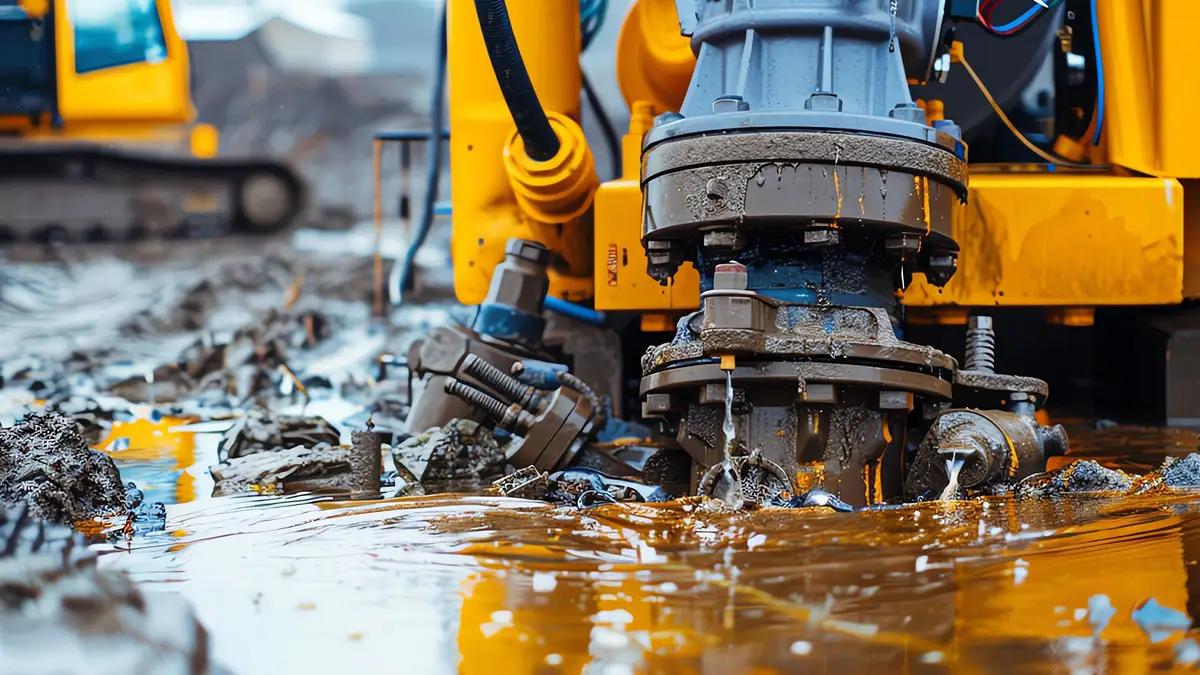
The submersible dredge pump has emerged as a leading solution to these challenges. Unlike traditional dredge pumps, these pumps are designed to operate fully submerged in the slurry, providing direct suction and minimizing the occurrence of priming problems. This capability enables them to reach depths that traditional equipment cannot access, allowing them to handle high concentrations of solids with reduced risk of clogging and improved operational efficiency. Whether working in mining tailings, sediment removal, or wastewater lagoons, submersible dredge pumps optimize pumping tasks that traditional equipment cannot handle effectively. Moreover, specialized variants such as the submersible slurry pump and hydraulic submersible dredge pump cater to specific project demands, thereby enhancing versatility across various industries.

What Is a Submersible Dredge Pump?
Core Functionality And How It Differs From Standard Dredge Pumps
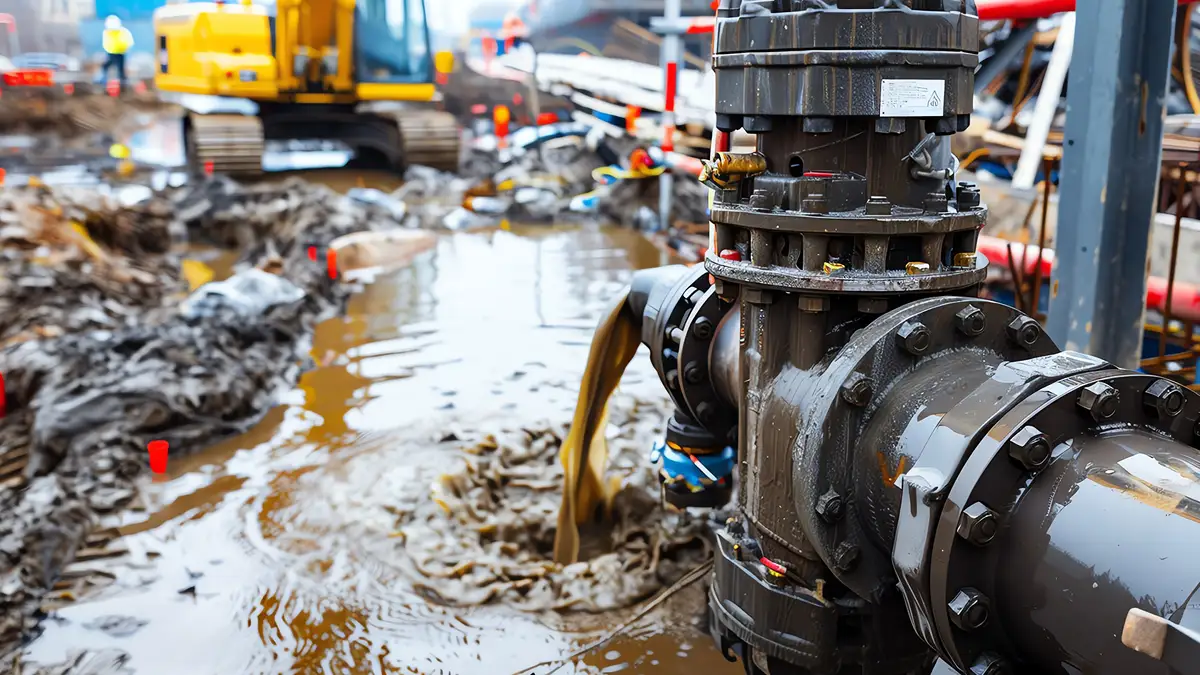
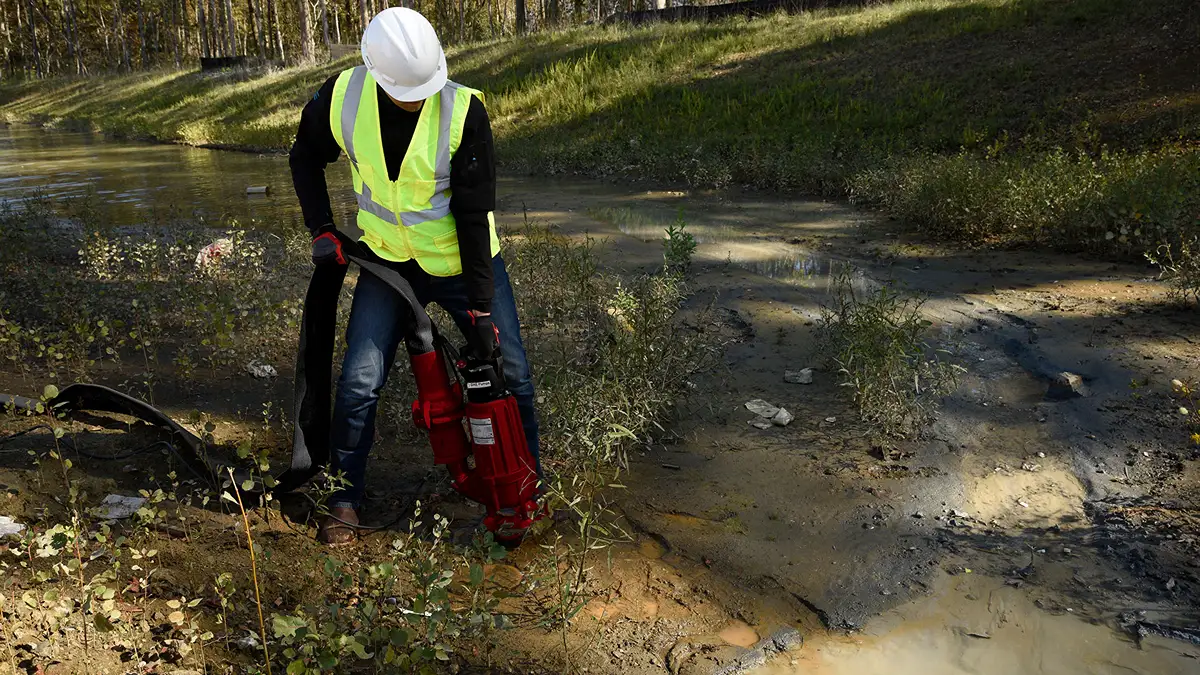
A submersible dredge pump is a type of submersible pump specifically designed for dredging applications. It is a slurry pump designed to be submerged underwater within the slurry it pumps. The motor and pumping components are fully enclosed and sealed to operate reliably submerged, directly extracting slurry or sediment and pushing it through discharge pipelines.
Difference From Standard Dredge Pumps:
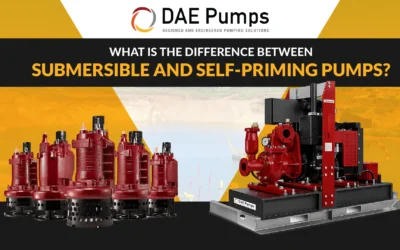
Standard dredge pumps are often mounted above the slurry surface and require priming, suction piping, and sometimes auxiliary equipment to draw fluid into the pump. This setup can introduce inefficiencies and maintenance challenges, including airlocks and suction clogs. The submersible dredge pump eliminates these by being immersed at the source, enabling immediate fluid intake with reduced suction lift.
Comparison With Vertical And Horizontal Dredge Pump Designs
Vertical dredge pumps typically stand on a shaft extending into the slurry and require complex support structures. Horizontal dredge pumps sit on a base above the slurry and need priming. Both designs can be bulky, less portable, and prone to issues related to priming. In contrast, submersible dredge pumps feature a compact, modular design that facilitates easier installation and relocation. Their ability to function underwater grants superior adaptability for projects where installation space or mobility is limited. These pumps can also be mounted on an excavator, providing increased mobility and flexibility for certain dredging projects.
Benefits Of Submersion During Operation
Operating submerged allows these pumps to avoid cavitation, a common problem in dredge pumps caused by the collapse of vapor bubbles that damage impellers. The direct contact with slurry reduces suction losses, improves pump efficiency, and minimizes wear. Submersion also simplifies the system layout by reducing the need for suction piping and priming equipment.
Extended Insight
The design of a submersible slurry pump is specifically tailored to high-density slurry environments. These pumps incorporate features that enable them to handle the unique challenges posed by various slurry compositions, including those with variable viscosity and particle size. Meanwhile, the hydraulic submersible dredge pump variant is engineered for maximum operational flexibility, delivering high power density through hydraulic transmission. This capability makes these pumps an indispensable tool for dredging applications that require robust power delivery in remote or difficult-to-access environments. Additionally, these pumps can be customized to meet the specific requirements of various dredging projects.
Key Components and Working Principles
Impeller Design And Solids Handling Capabilities
The impeller is the heart of the submersible dredge pump, engineered to handle abrasive solids and prevent clogging. Some of these pumps are equipped with cutters or an agitator to enhance solids handling further and prevent clogging. Pumps use either open or semi-open impellers with robust clearances to pass large particles and fibrous materials without damage. The hydraulic design maximizes flow while maintaining solids suspension to avoid sedimentation inside the pump.
Sealing Systems And Motor Protection
Reliable sealing is critical to protect the motor from slurry ingress. Submersible dredge pumps feature double mechanical seals or cartridge seals with flushing systems to maintain a clean sealing environment. The seals are designed to withstand abrasive and corrosive slurries, ensuring motor longevity.
Material Construction For Abrasion And Corrosion Resistance
The pumps’ wetted parts are typically made of high-chrome alloys, rubber linings, or specially coated metals to resist wear and corrosion from abrasive sediments, rocks, and chemical contaminants. This robust material construction extends the operational lifespan in harsh conditions, reducing the frequency of repairs and replacements.
Working Principle Summary
The motor drives the impeller submerged in slurry, drawing the mixture into the pump inlet. The impeller accelerates the slurry, converting mechanical energy into pressure energy. The slurry then exits through the discharge outlet, flowing to the desired location via piping. Seals and motor housings protect against slurry damage, while the selection of materials ensures durability.
Additional Engineering Details
In the case of the submersible slurry pump, advanced hydraulic and mechanical designs work together to optimize slurry velocity and reduce wear on pump components. Similarly, the hydraulic submersible dredge pump utilizes high-pressure hydraulic fluid to transfer power efficiently from the power unit to the impeller shaft, enabling remote motor placement and enhanced safety in volatile environments. These design nuances offer operational advantages, resulting in reduced energy consumption and extended pump longevity.
Similar engineering principles are applied in submersible dewatering pumps used for construction and mining dewatering applications.

Types of Submersible Slurry Pumps Used in Dredging
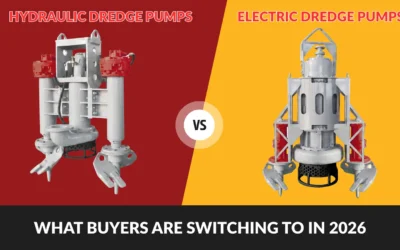
Electric Submersible Slurry Pump
Electric-powered submersible slurry pumps are widely used due to their efficiency, controllability, and lower operational noise. They offer precise speed control through variable frequency drives, enabling operators to adjust the flow and head according to the process’s specific needs. These pumps are suitable for fixed or semi-fixed dredging sites, such as tailings ponds and sediment lagoons, where electric power is readily available.
Hydraulic Submersible Dredge Pump
The hydraulic pump integrates with hydraulic power units (HPUs), providing power via hydraulic fluid instead of electricity. This design is highly advantageous for remote or hazardous environments where electric power is limited or risky, such as underwater mining or dredging near flammable materials. Hydraulic pumps offer ruggedness, ease of maintenance, and can be remotely operated with minimal cables. Their modular design allows them to be mounted on portable platforms or dredge sleds, providing flexible deployment options.
Application-Specific Variants
Variants exist to address unique operational requirements and can be tailored to meet the specific needs of different dredging applications. For example, some submersible pumps are optimized for handling very fine slurry, with tight tolerances to prevent clogging. Others are designed with heavy-duty abrasion resistance for sand and gravel applications. Modular designs allow for the addition or removal of impeller stages, enabling customized flow and pressure.
Comparative Operational Benefits
The submersible slurry pump excels in energy efficiency and ease of control for electrically powered sites. In contrast, the hydraulic submersible pump provides unmatched flexibility in mobile or offshore dredging operations. Both types benefit from compact size and robust construction, but are selected based on the power availability and environmental constraints of the application.
Ideal Applications for Submersible Dredge Pumps
Mining And Mineral Recovery
Submersible dredge pumps excel in mining operations by handling thick slurries and abrasive tailings with high solids content. They facilitate efficient recovery of minerals by pumping from tailings ponds and slurry ponds, reducing downtime caused by clogging or wear. The submersible slurry pump variant is particularly effective in handling mineral slurries that require precise flow control and can efficiently move large quantities of slurry. In contrast, the hydraulic submersible pump is preferred for deep-water mining and remote sites. These pumps are also capable of managing dredged material and other materials encountered during mining operations.
Sand And Gravel Pits
The pumps handle tasks such as removing coarse sediment and clarifying water, thereby maintaining production efficiency. Their durability helps manage the constant abrasion from sand and gravel particles, and they are designed to move large quantities of sediment and slurry.
Marina, Harbor, And Canal Maintenance
Regular dredging is crucial to prevent sediment accumulation and maintain navigable waterways. Submersible dredge pumps remove silt and debris efficiently from marinas, harbors, and canals, minimizing environmental disruption and operational costs. Maintenance dredging in canals is crucial for preventing silting and supporting transportation infrastructure.
Rivers And Lakes Dredging
Submersible pumps are widely used in rivers and lakes for sediment removal, maintenance dredging, and environmental remediation. These applications are vital for maintaining waterway health, preventing flooding, and supporting infrastructure projects.
Tailings Pond Reclamation And Wastewater Lagoons
Environmental regulations demand the safe removal of sludge and sediments from tailings and lagoons. The submersible dredge pump provides reliable operation in these sensitive areas, facilitating sediment removal, management, and disposal of dredged spoils while minimizing excessive turbidity and ecological impact.
Large-Scale Dredging Projects
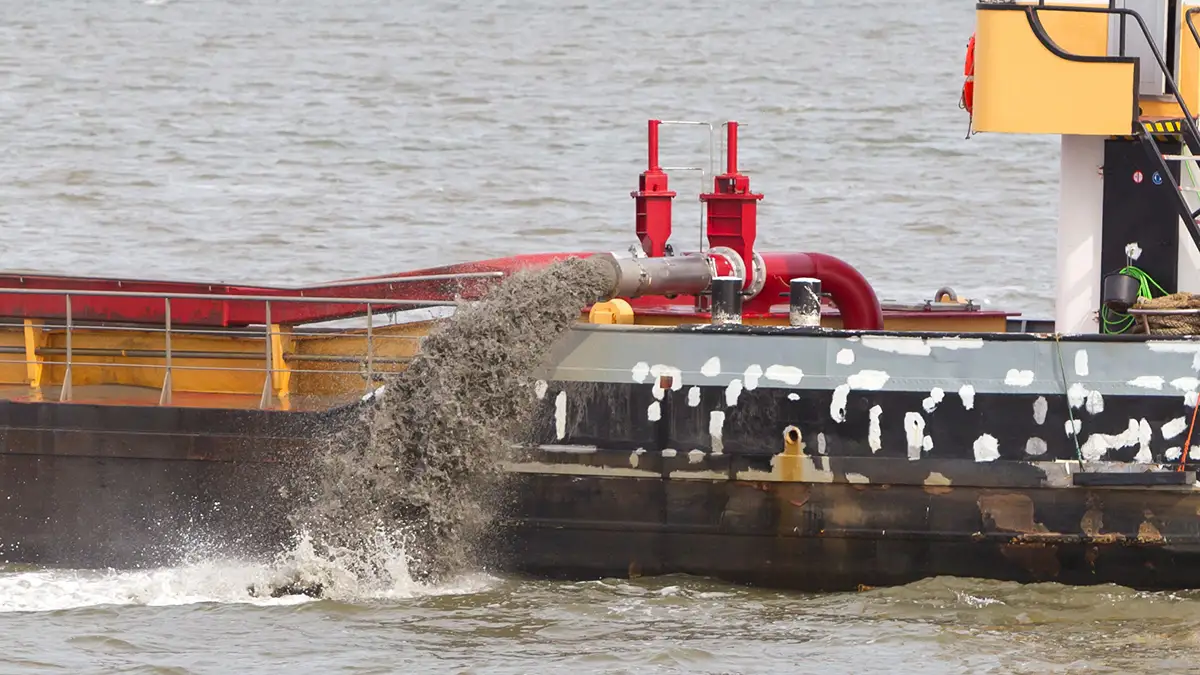
Submersible dredge pumps are crucial in large-scale dredging projects, including harbor deepening, land reclamation, and beach nourishment. Dredge booster pumps enhance operational efficiency and extend the reach required for these demanding applications.
Excavator-Mounted Deployment
Submersible dredge pumps can be mounted on excavators, providing flexible, convenient, and cost-efficient deployment for a variety of dredging applications.
Extended Uses
The submersible slurry pump also plays a critical role in industrial waste management and dewatering processes, where controlling sediment and solids concentration is crucial. These pumps are capable of handling materials beyond sediment, including debris and industrial waste. The hydraulic submersible dredge pump’s adaptability makes it ideal for emergency dredging tasks, pipeline flushing, and underwater excavation.

Dredging Project Planning
Dredging project planning is a foundational step that sets the stage for successful dredging operations. Whether the goal is land reclamation, environmental remediation, or maintaining waterways, careful planning ensures that dredging projects are executed efficiently, safely, and within budget. This phase involves a comprehensive evaluation of the project’s objectives, the selection and integration of submersible dredge pumps, and the strategic allocation of resources. By prioritizing thorough planning, organizations can maximize the effectiveness of their dredging operations and achieve optimal results with their chosen pumps and equipment.
Assessing Project Scope and Requirements
The first step in any dredging project is a detailed assessment of the project scope and requirements. This process begins with identifying the type and volume of material to be dredged—such as sand, silt, gravel, or sludge—and understanding the specific challenges posed by the site’s depth and environmental conditions. Evaluating the location, accessibility, and potential hazards is crucial for selecting the right dredging equipment, including submersible dredge pumps and other submersible pumps. The assessment also considers the capabilities of available pumps, ensuring they are suitable for the material and depth involved. By thoroughly analyzing these factors, project managers can determine the most effective approach for material removal and ensure that the selected equipment will deliver reliable performance throughout the dredging project.
Integration of Submersible Dredge Pumps into Project Design
Once the project requirements are clear, the next step is to integrate submersible dredge pumps into the overall project design. This involves selecting pumps that are specifically engineered to handle the anticipated material type, volume, and site conditions. Key considerations include pump sizes, flow rates, discharge capacities, and the ability to operate efficiently at the required depth. For projects involving abrasive materials or large-scale mining operations, heavy-duty submersible pumps are chosen for their durability and efficient operation. In environmental remediation or sensitive dredging applications, pumps are selected for their ability to minimize disturbance while maintaining high performance. The integration process also involves designing the system layout to optimize flow and discharge, ensuring that the pumps work seamlessly with other dredging equipment. By carefully matching pump specifications to the unique demands of the operation, project teams can achieve efficient, reliable, and cost-effective dredging results.
Timeline and Resource Allocation
Effective dredging project planning also requires meticulous timeline and resource allocation. This includes developing a detailed project schedule that accounts for the procurement, delivery, and deployment of submersible pumps and supporting equipment. Assigning skilled engineers and operators is crucial to ensure safe and efficient operation, while also planning for routine maintenance to minimize downtime. Budgeting for spare parts and support services further enhances reliable performance and protects against unexpected delays. By allocating resources strategically, organizations can safeguard natural resources, ensure the timely removal of dredged wastes, and maintain compliance with environmental standards. Ultimately, a well-structured plan not only streamlines dredging operations but also helps protect the environment and deliver successful outcomes for every dredging project.
How to Select the Right Submersible Dredge Pump
Evaluating Material Type And Concentration
Assess the slurry’s abrasiveness, particle size, and solids concentration. Highly abrasive materials require pumps with hardened alloys or rubber linings, while chemical contaminants might necessitate corrosion-resistant coatings.
Pump Depth, Flow Rate, And Head Requirements
Determine the depth at which the pump will operate, as well as the desired flow and pressure. Deeper applications require pumps with appropriate motor power and cable length. Matching pump curves to process demands ensures energy efficiency.
Matching Power Sources: Electric Vs. Hydraulic Options
Consider site conditions and operational constraints. Electric pumps are suitable for stable sites with power access; hydraulic pumps are preferable for remote or explosive environments due to their safe and flexible power delivery.
Additional Considerations
Factor in maintenance access, ease of spare parts procurement, and system integration. Custom configurations from suppliers like DAE Pumps allow fine-tuning for optimal performance.
Technical Decision-Making
When selecting a submersible slurry pump, consider the power consumption in relation to the slurry characteristics, as energy efficiency can significantly impact operating costs. For projects involving hazardous materials or requiring remote dredging, the hydraulic submersible dredge pump’s ability to safely isolate the power source while maintaining high pumping capacity is invaluable.

Advantages Over Traditional Dredge Pumps
Portability And Setup Ease
Submersible dredge pumps do not require extensive priming systems or structural support, allowing rapid deployment and relocation. This flexibility benefits projects with changing or temporary dredging needs, making them suitable for a wide array of dredging applications and site conditions.
Minimal Priming And Clogging Issues
The underwater placement ensures the pump remains primed, eliminating the downtime and labor associated with manual priming. Open impeller designs reduce clogging risk, even when pumping fibrous or coarse solids.
Efficient Solids Handling In Confined Or Underwater Locations
Their ability to operate directly within the slurry enables pumping from difficult-to-reach locations, including deep pits, lagoons, or underwater deposits.
Lower Operational Costs
Improved efficiency, reduced maintenance, and longer service intervals contribute to lower total cost of ownership compared to traditional dredge pumps.
Operational Safety And Environmental Impact
The hydraulic submersible dredge pump reduces the risks associated with electric power in underwater or explosive environments, enhancing safety. Additionally, submersible pumps typically generate less turbidity and sediment resuspension, mitigating environmental impacts during dredging.
DAE Pumps: Submersible Solutions That Outperform
Dae Pumps’ Submersible Dredge Pump Models
DAE Pumps offers a comprehensive line of submersible dredge pumps, including both electric and hydraulic versions. Each model features optimized hydraulic designs for maximum solids handling and efficiency.
Performance Highlights And Durability Features
The pumps incorporate wear-resistant materials, advanced sealing technology, and modular components designed for ease of maintenance. Their ability to handle abrasive slurries with minimal wear extends uptime and lowers costs.
Real-World Case Studies And Results
Clients using DAE Pumps’ hydraulic submersible dredge pumps have reported significant reductions in downtime and maintenance compared to legacy equipment. Successful deployments in mining tailings, harbor dredging, and environmental remediation underscore the pumps’ reliability and adaptability.
Support And Customization
DAE Pumps offers customized solutions to meet the unique requirements of specific projects, including custom impeller designs and power options. Comprehensive technical support and training ensure that customers achieve optimal pump performance and longevity.
Maintenance and Operational Best Practices
- Preventive checks and servicing: Regularly inspect mechanical seals, impellers, and motor casings for wear or damage. Monitor motor temperature and vibration to detect early signs of failure.
- Troubleshooting performance issues: Address reduced flow or abnormal noise promptly to ensure optimal performance. Common issues include worn impellers, seal failure, or motor problems. Utilize manufacturer support to identify root causes quickly.
- Spare parts and support availability: Maintain an inventory of critical spare parts like seals, bearings, and impellers. Collaborate with suppliers like DAE Pumps, which offer robust after-sales support and technical assistance.
- Operator training: Ensure operators understand the unique requirements of submersible dredge pumps, including correct installation, cable management, and operation under slurry conditions.
- Maintenance in harsh environments: For pumps like the hydraulic submersible dredge pump, which operate in remote or hazardous locations, scheduled maintenance can be challenging. Using remote monitoring systems and condition-based maintenance practices can enhance uptime and reduce unexpected failures.
Advanced Trends and Future Developments in Submersible Dredge Pumps
Integration of smart sensors and IoT
The next generation of submersible slurry pumps and hydraulic submersible dredge pumps is incorporating real-time sensors for vibration, temperature, and flow monitoring. These innovations enable predictive maintenance, minimizing unplanned downtime and improving operational efficiency.
Energy efficiency improvements
Advances in motor design, hydraulic power units, and impeller hydraulics are reducing energy consumption while maintaining or increasing pumping capacity.
Materials technology
Research into new abrasion-resistant coatings and composite materials aims to extend pump life, even in the harshest slurry environments.
Modular and hybrid power configurations
Hybrid submersible pumps, which combine electric and hydraulic power sources, are under development, offering greater flexibility for complex dredging projects.
Environmental considerations
Low-turbidity pump designs minimize sediment disturbance, thereby supporting environmental compliance and the preservation of aquatic habitats.
Conclusion
The submersible dredge pump is a powerful solution for modern dredging and slurry pumping challenges. Its submerged operation delivers superior solids handling, reduces maintenance needs, and improves operational efficiency.
With advances in materials, sealing technology and power options like electric and hydraulic submersible dredge pumps these pumps offer unmatched flexibility and durability. Leaders in the pumping industry like DAE Pumps are driving innovation and making submersible slurry pumps the choice for operators who want to optimise performance and reduce costs in harsh dredging environments.
Looking for reliable high performance submersible dredge pumps for your next dredging project? DAE Pumps has the expertise and products to meet your toughest pumping needs. Contact us today to find out more.
FAQs
What makes a submersible dredge pump a good choice compared to surface-mounted alternatives?
A submersible dredge pump operates fully underwater, eliminating the need for suction priming and reducing the risk of clogs. It also offers compact, portable setup and typically higher solids‑handling efficiency, leading to lower maintenance and faster deployment.
How easy is it to relocate or move these pumps between sites?
Since these pumps don’t require complex suction piping or priming systems, they’re relatively easy to relocate. Their compact, modular design enables straightforward lift-and-place operation, which is ideal for temporary or changing project locations.
Can these pumps work safely in underwater or remote environments?
Yes—especially hydraulic versions, which use hydraulic power instead of electricity, making them safer in hazardous or remote applications where electrical supply may be unreliable or risky.
How do I choose the right submersible dredge pump for my project?
Start by assessing your material type (sand, slurry, sludge), depth, flow rate needs, and mobility requirements. Consulting with the pump provider helps ensure the model’s power, impeller type, and size match your specific application and site conditions.
Are there environmental or operational benefits when using submersible dredge pumps?
Yes—the submerged operation helps minimize sediment disturbance and turbidity, reducing environmental impact. It also typically translates to lower energy use and operational costs over time.