- What You Think You’re Pumping vs. What Is Actually Moving Through the Line
- Ultrasonic Flow Meter Basics, as They’re Used on Site
- Why Clamp-On Measurement Works Better in Real Pumping Systems
- Where Ultrasonic Flow Meters Get Used
- What “Digital” Actually Means in Daily Flow Checks
- Choosing an Ultrasonic Flow Meter Without Overthinking It
- Installation Mistakes That Lead to Bad Readings
- Closing Note
In many pumping systems, flow is assumed rather than measured. Operators often rely on pump curves, pressure readings, or past experience to judge whether a system is performing as expected. This works only up to a point. Once slurry density changes, air enters the line, or hoses wear over time, those assumptions no longer match reality.
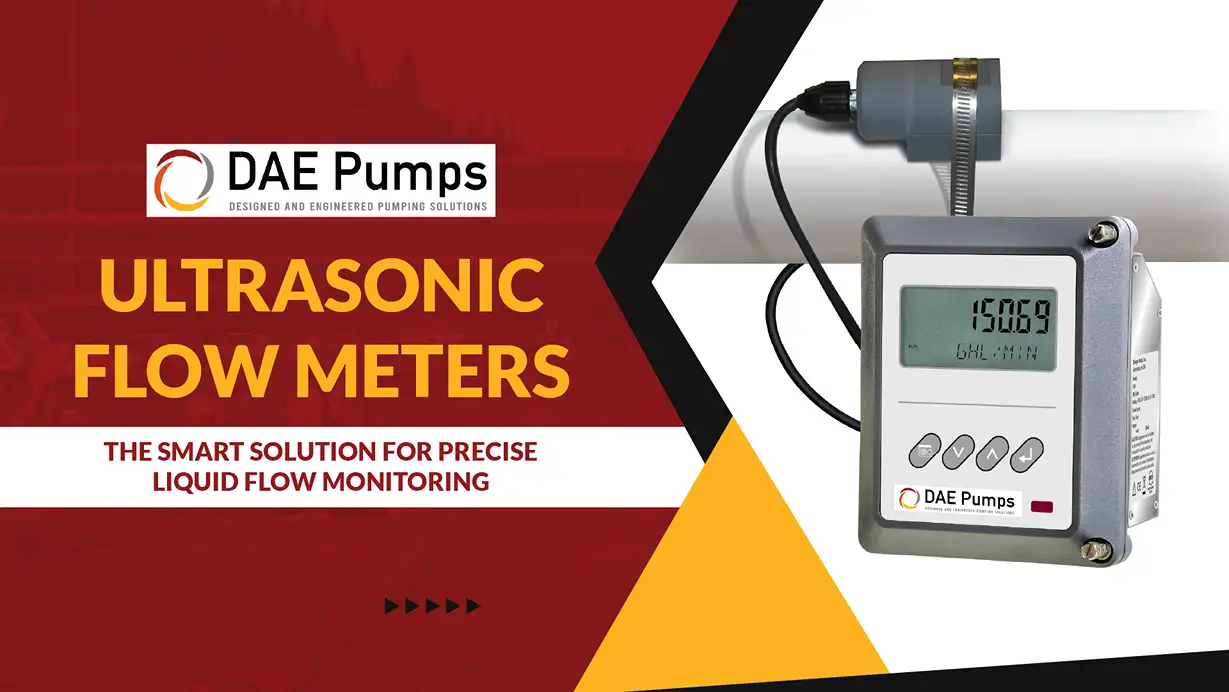
This is where an ultrasonic flow meter becomes useful. It allows liquid flow monitoring directly on an existing pipe or hose without cutting the line or stopping operations. For dredging, wastewater, slurry, and other abrasive or aerated liquids, this type of measurement is often more practical than installing inline meters. Modern units use digital flow metering technology to provide stable, readable flow data that operators can trust in the field.
At DAE Pumps, ultrasonic flow meters are typically used to confirm actual flow rates during dredging, slurry transfer, and pumping operations where conditions are constantly changing. Instead of guessing whether a pump or hose is underperforming, teams can see real flow data and make informed adjustments. This blog explains how ultrasonic flow meters enable accurate liquid flow monitoring and where they are best suited in real pumping systems.
What You Think You’re Pumping vs. What Is Actually Moving Through the Line
In most pumping operations, the expected flow rate is based on design calculations or pump curves. On paper, the numbers look fine. In the field, conditions rarely stay that clean. Slurry concentration changes, hoses flex and wear, and air enters the system during startup or repositioning. All of this affects how much liquid actually moves through the line.
Without real liquid flow monitoring, these losses are easy to miss. A system can appear stable while delivering less material than planned. Over time, this leads to longer run hours, higher fuel or power consumption, and unnecessary stress on pumps and hoses. Operators may respond by increasing speed or pressure, which often makes the problem worse rather than fixing it.
An ultrasonic flow meter closes this gap by showing the true flow rate inside the pipe or hose. Instead of relying on estimates, teams can see how flow changes with different operating speeds, slurry densities, or hose layouts. This visibility helps identify issues early, before they turn into downtime or equipment damage. When paired with digital flow metering technology, the data becomes consistent enough to track performance from shift to shift, not just during spot checks.
At DAE Pumps, this difference between expected flow and actual flow is one of the main reasons ultrasonic meters are used alongside pumping and dredging equipment. Measuring what is really moving through the system allows operators to make practical adjustments based on data, not assumptions.

Ultrasonic Flow Meter Basics, as They’re Used on Site
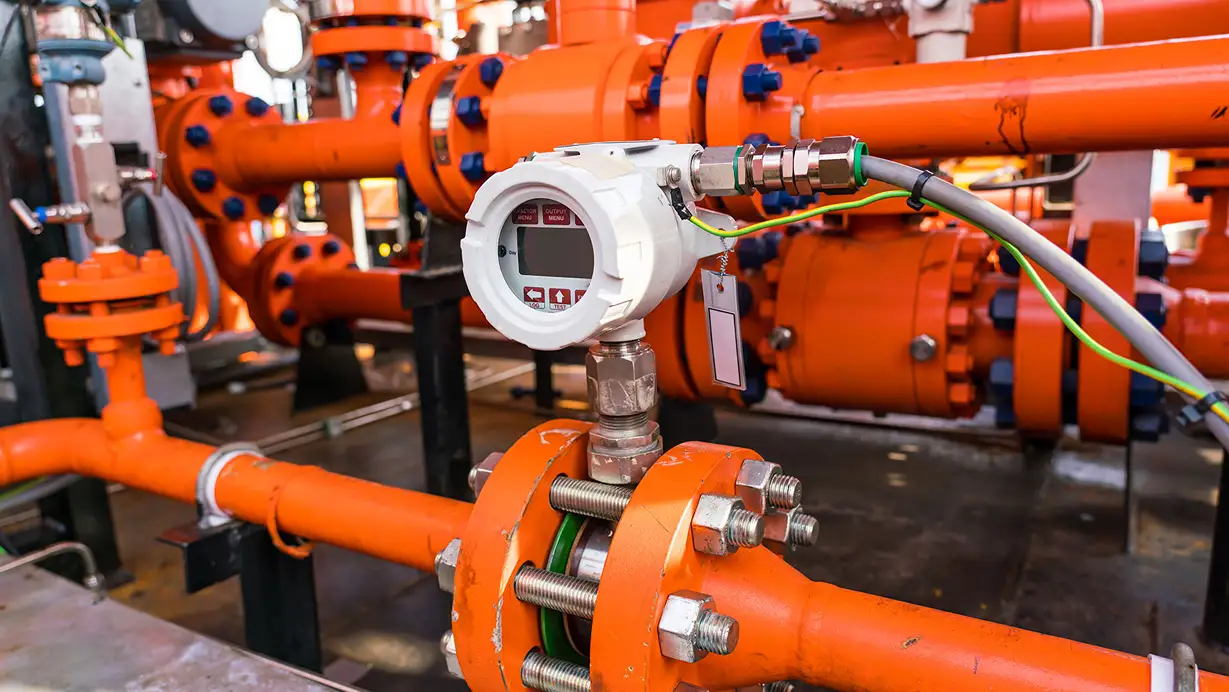
In pumping and dredging work, flow meters are usually added when something does not feel right. Output is lower than expected, the runtime keeps increasing, or operators are unsure whether the pump is actually moving the required volume. This is typically when an ultrasonic flow meter is brought in.
The meter is mounted on the outside of the pipe or hose. Nothing is cut, and nothing enters the flow. This is important in systems handling slurry, sewage, or abrasive liquids, where internal meters wear quickly or become unreliable. In these conditions, external measurement is often the only practical option for continuous liquid-flow monitoring.
Ultrasonic meters work best when the liquid is not perfectly clean. Solids, bubbles, and suspended material scatter the signal, making this measurement type suitable for slurry and wastewater lines. This is why ultrasonic meters are commonly used during dredging and industrial pumping rather than in clean-water systems.
With current metering technology, the output is stable enough for daily use. Operators can see real flow values, compare changes after adjustments, and confirm whether a system is improving or drifting. The meter becomes a working tool, not just a diagnostic device.
Why Clamp-On Measurement Works Better in Real Pumping Systems
Most pumping lines are not built with flow meters in mind. Hoses are moved, pipe sections are added or removed, and layouts change as work progresses. Cutting into a line to install an internal meter is rarely practical once operations are underway.
A clamp-on ultrasonic flow meter avoids this. It is mounted on the exterior of the pipe or hose and can be installed while the system is running. This enables liquid-flow monitoring without shutting down pumps, draining lines, or modifying existing pipework. For temporary dredging setups and rental equipment, this flexibility matters.
In slurry and wastewater systems, internal meters tend to clog, wear, or drift due to solids entrained in the flow. Clamp-on ultrasonic meters are not exposed to the liquid, so abrasive material does not affect the sensor itself. This makes them more reliable over time in applications where conditions are inconsistent.
With digital metering technology, readings remain stable even when the flow is turbulent or the slurry density varies. Operators can move the meter to different sections of the line to compare performance or confirm whether a drop in output is caused by the pump, the hose, or the operating setup.

Where Ultrasonic Flow Meters Get Used
Flow problems typically first appear in systems that transport slurry, wastewater, or mixed liquids. Output drops, runtime increases, or pumps are operated at higher pressure with no clear gain. This is usually when an ultrasonic flow meter is added to the line.
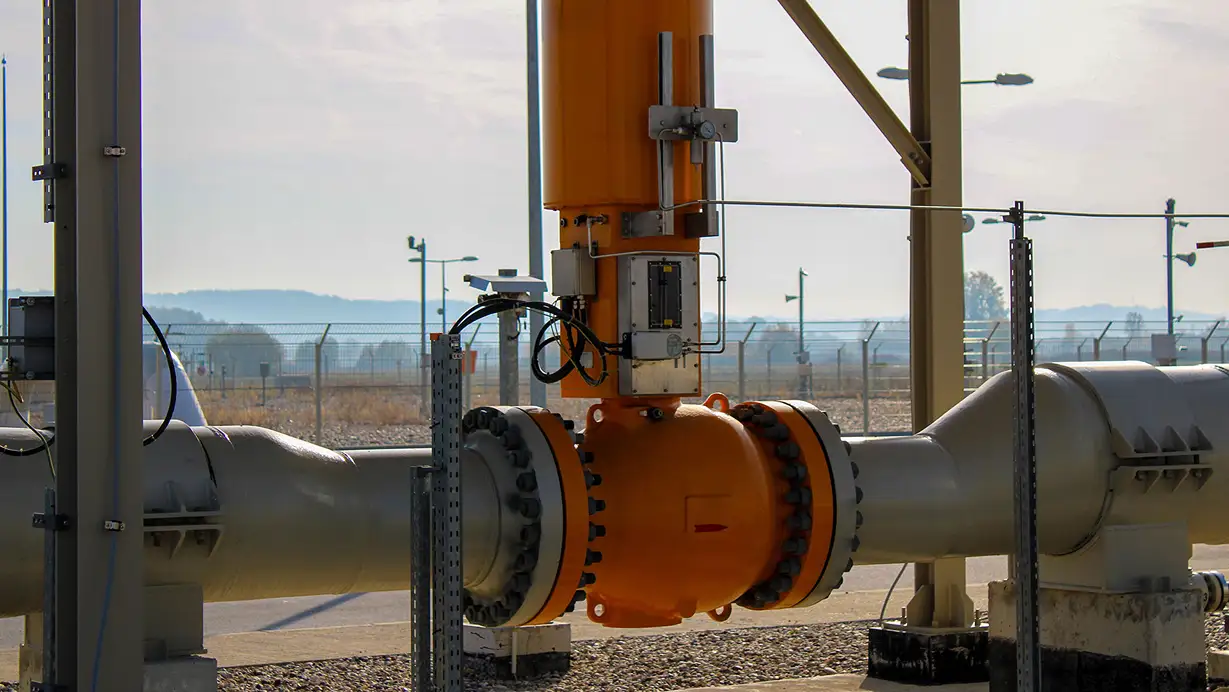
In dredging, flow changes constantly. Material type shifts. Air enters the line. Hoses move. Measuring flow on the discharge hose gives a clearer picture than relying on pump settings. This is one of the more practical uses of liquid flow monitoring.
In slurry transfer, long hose runs and multiple bends hide flow losses. A clamp-on meter can be moved along the line to check where the flow is dropping. Nothing is cut. Nothing is removed.
Wastewater systems are similar. Aeration and solids make internal meters unreliable. External measurement holds up better. With current digital metering technology, readings are steady enough to track changes over a shift, not just take a one-time reading.
This is not about precision in ideal conditions. It is about observing what the system is actually doing while it runs.
What “Digital” Actually Means in Daily Flow Checks
Older flow meters gave a number that moved too much to trust. Operators looked at it, then ignored it. That is usually how flow data gets lost on-site.
With digital flow metering technology, the reading settles. It does not jump every second. You can stand there, watch it, and know whether a change you made actually did something. That matters when adjusting pump speed, moving a hose, or clearing a restriction.
Most checks are simple. Take a reading at startup. Take another after the system warms up. Check again after repositioning or changing the slurry depth. This is basic liquid-flow monitoring, but it only works if the measurement is readable and repeatable.
Data logging is useful, but not always needed. Many jobs just need confirmation that the flow is stable across a shift. When it is not, the drop occurs before pressure or vibration becomes a problem.
An ultrasonic flow meter fits this kind of use because it can be installed, checked, and removed without changing the system. The meter supports decisions in real time. It does not become another device that needs attention.

Choosing an Ultrasonic Flow Meter Without Overthinking It
The first thing that matters is the liquid. Clean water, slurry, sewage, aerated flow. That decides whether an ultrasonic flow meter will give a usable signal. In most slurry and wastewater lines, solids or bubbles help rather than hurt.
Next is the line itself. Hose or pipe. Material. Diameter. Wall thickness. Clamp-on meters work on most of these, but poor mounting or uneven surfaces will affect liquid-flow monitoring more than the meter choice itself.
The line needs to stay full. Partial flow gives misleading readings. If the pipe is not running full, no amount of digital flow metering technology will fix that. This is usually checked before the meter is installed.
Accuracy expectations should stay realistic. These meters are used to detect change, not to produce lab-grade numbers. If flow drops after a hose move or a speed change, that information is more valuable than a perfect decimal.
Most selection problems come from skipping these basics. When the liquid and the line are understood, the meter choice becomes straightforward.
Installation Mistakes That Lead to Bad Readings
Most flow meter problems are not meter problems. There are installation problems.
Mounting too close to a bend or valve is common. The flow is already unstable. The meter just reports the mess. Move it further along the line, and the reading settles.
Dirty pipe surfaces cause issues. Slurry residue, paint buildup, uneven hose walls. The sensor needs clean contact. Skipping this step usually results in drifting numbers.
Loose mounting is another one. If the sensor shifts even slightly, the reading changes. It looks like a flow issue, but it is not. This affects liquid flow monitoring more than most people expect.
Assuming pump speed equals flow is also a mistake. After installation, adjust the speed slightly and monitor the value. If the ultrasonic flow meter responds steadily, the setup is usually fine.
Good digital flow metering technology still depends on basic installation discipline. When those basics are followed, the meter becomes reliable enough for everyday use, not just for troubleshooting.
Closing Note
Flow problems usually show up before anything fails. Output drops. Run time increases. Energy use goes up. Without measurement, these changes are easy to miss or misread.
An ultrasonic flow meter gives visibility without changing the system. It supports basic liquid flow monitoring in conditions where internal meters struggle or fail. With stable digital flow metering technology, the data becomes usable on-site, not just on paper.
This is not about adding more instruments. It is about understanding what the system is actually doing while running, so decisions are based on data, not assumptions.