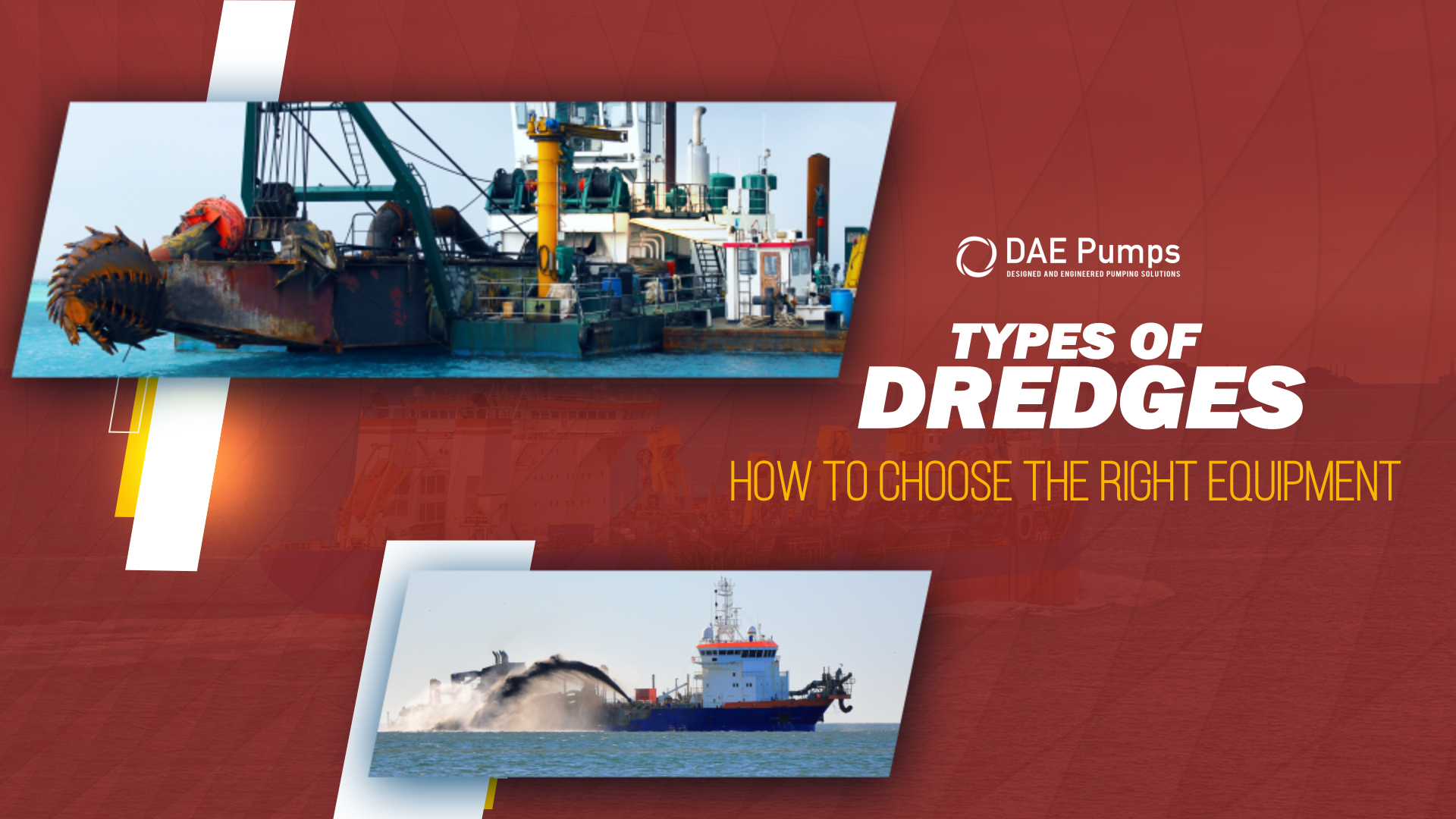
Dredging is essential across multiple industries, including construction and environmental management. This process entails removing sediment and debris from underwater areas, which helps create deeper navigation channels, improve ecosystem health, and enhance construction sites. Choosing the right dredge equipment is critical, as different types serve specific purposes and function under various conditions. Understanding the distinctions between these dredges—such as mechanical, hydraulic, electric, and environmental options—can significantly impact project outcomes. Factors like project scope, soil type, environmental considerations, budget, and site accessibility all play a role in selecting the most appropriate dredge. In this article, we will explore the different types available and provide insights on how to make an informed choice that best suits your project’s needs.
What is Dredging?
Dredging is defined as the process of excavating materials from underwater environments. It is primarily used to maintain and deepen navigation channels, harbors, and ports, as well as to remove contaminated sediments for environmental restoration. Dredging techniques vary widely, depending on the materials being excavated and the intended purpose of the project. Understanding these nuances is essential for selecting the appropriate dredge equipment.


Types
1. Mechanical Dredges
Mechanical dredges use physical tools to scoop or lift material from the seabed. The most common types include clamshells and buckets.
- Clamshell Dredge: This dredge consists of two hinged jaws that resemble a clam shell. It is ideal for handling loose materials like sand and silt. The clamshell can be operated from a barge or a crane, making it versatile for various locations.
- Bucket Dredge: Similar to the clamshell, a bucket dredge uses a series of buckets attached to a conveyor system. It is particularly effective for continuous operations and can handle larger volumes of material.
Pros: Mechanical is effective for hard or compacted materials and can operate in shallow waters.
Cons: They may not be as efficient for finer sediments and can disturb the surrounding environment more than hydraulic options.
2. Hydraulic Dredges
Hydraulic dredges utilize suction and water to move sediment from the bottom of a water body. This category includes cutter suction and hopper.
- Cutter Suction Dredge: This type features a rotating cutter head that breaks up the material before suctioning it into a pipe. It is effective for dredging harder materials and can operate in deeper waters.
- Hopper Dredge: This dredge collects sediments and stores them in a hopper for transportation. It’s often used in larger projects, such as maintaining navigation channels.
Pros: Hydraulic dredges are highly efficient for various sediment types, especially when dealing with soft, loose materials.
Cons: They require a more substantial setup and are typically more expensive to operate than mechanical.
3. Electric Dredges
Electric dredges are powered by electric motors instead of diesel engines. This modern approach offers several benefits, especially in environmentally sensitive areas.
Advantages: Electric dredges produce lower emissions and noise levels, making them more suitable for urban and protected environments. They can also be more cost-effective over time due to reduced fuel and maintenance costs.
Cons: They may have limitations in terms of power and capacity compared to their diesel-powered counterparts, making them less effective for larger projects.
4. Environmental Dredges
Environmental dredges are specifically designed for remediation projects, focusing on the safe removal of contaminated sediments. These often feature advanced technologies for monitoring and minimizing environmental impact.
Techniques: Environmental dredging typically involves sediment removal, containment, and sometimes the use of silt curtains to prevent the spread of contaminants.
Importance: These dredges play a critical role in restoring aquatic ecosystems and improving water quality, making them essential for many environmental projects.
5. Specialty Dredges
Specialty dredges are tailored for niche applications, such as mining or specific construction needs. These machines can include features that enhance their performance in unique conditions, such as deep-water dredging or underwater excavation in challenging terrains.
Unique Features: Specialty dredges may have specialized attachments or systems designed to optimize performance for their specific tasks, such as hydraulic arms for reaching difficult spots or enhanced material handling capabilities.

Factors to Consider When Choosing Dredge Equipment
Selecting the right dredge for your project involves evaluating several key factors:
Project Scope and Size
Understanding the scope and scale of your project is essential. Larger projects may require more robust equipment with higher capacity, while smaller tasks might be effectively managed with portable or smaller dredges. Matching the dredge type to your project size ensures efficiency and effectiveness.
Soil and Material Type
Different dredges are suited to different materials. For example, mechanical works well with hard soils, while hydraulic excels in softer sediments. Conducting a thorough analysis of the soil characteristics at your project site will help you select the most effective equipment.
Environmental Considerations
It’s essential to consider the environmental impact of dredging. Many projects are subject to regulations that dictate how dredging should be conducted to minimize ecological disruption. Choosing dredges with lower environmental footprints and advanced monitoring capabilities can help meet these requirements and promote sustainability.
Budget and Cost Efficiency
The cost of dredge equipment and operation varies significantly. When planning your project, assess both initial investment and long-term operational costs, including fuel, maintenance, and labor. Consider whether a higher upfront cost for advanced technology might lead to savings in efficiency and environmental compliance.
Accessibility and Site Conditions
The accessibility of the project site plays a crucial role in dredge selection. If the site is in a remote area or has challenging terrain, a more mobile dredge may be necessary. Additionally, water conditions, such as depth and flow rate, should influence your choice of equipment.


Conclusion
Choosing the right dredge machine for your project is a critical step in ensuring its success. By understanding the different types of dredges available—such as mechanical, hydraulic, electric, environmental, and specialty dredges—and considering key factors like project scope, material type, environmental impact, budget, and site conditions, you can make an informed decision that meets your specific needs. Every kind of dredge machine has its strengths and applications, allowing you to effectively achieve your dredging goals. Proper selection not only enhances operational efficiency but also ensures compliance with environmental regulations, ultimately leading to a more successful project outcome.