- The Role of Industrial Sump Pumps in Fluid Management
- Features of Industrial Sump Pumps
- Heavy-Duty Industrial Sump Pumps: Designed for Tough Environments
- Components and Customization of Sump Pump Systems
- Factors to Consider When Selecting an Industrial Sump Pump
- Critical Considerations for Industrial Sump Pump Systems
- Long-Term Performance: Installation, Maintenance, and Upgrades
- Conclusion
- FAQs
Fluid management is key to efficient industrial operations, smooth workflows, and peak performance. Industrial sump pumps built for heavy-duty applications are the foundation of this. They tackle tough tasks – from wastewater in food plants to slurry in mining – and perform in the harshest of environments. By managing fluids, they not only increase productivity but also reduce downtime, so they are essential in modern industrial environments.
Choosing the correct industrial sump pump system is not just a matter of convenience—it impacts operational costs, downtime, and overall efficiency. With advancements in technology and design, modern industrial sump pumps offer features that enhance performance while ensuring reliability. This blog will guide you through the essentials of industrial sump pumps, helping you make informed decisions about your specific industry requirements.

The Role of Industrial Sump Pumps in Fluid Management
Efficient fluid management is a cornerstone of successful industrial operations. Whether it’s controlling the flow of wastewater, removing corrosive liquids, or transferring slurry, industrial sump pumps are critical to ensuring smooth and uninterrupted operations.
Applications Across Industries
Industrial sump pumps find applications across a variety of sectors:
Many industrial applications require pumps capable of high flow rates to manage large volumes of liquid efficiently.
Oil & Gas:
Industrial sump pumps are essential for removing hazardous liquids from drilling sites, processing plants, and storage facilities. By ensuring the safe and efficient removal of dangerous fluids, these pumps help to minimize the risk of environmental spills, safeguard employee safety, and maintain compliance with stringent environmental regulations. They also contribute to prolonging equipment life by preventing fluid accumulation that can lead to corrosion and wear.
Food Processing:
Managing wastewater in food production facilities is critical for meeting hygiene standards. Industrial sump pumps facilitate the efficient transportation and disposal of waste fluids, preventing contamination of food products and ensuring adherence to strict health and safety protocols. Additionally, their role extends to ensuring proper drainage in washdown areas, which helps maintain clean and sanitized work environments.
Mining:
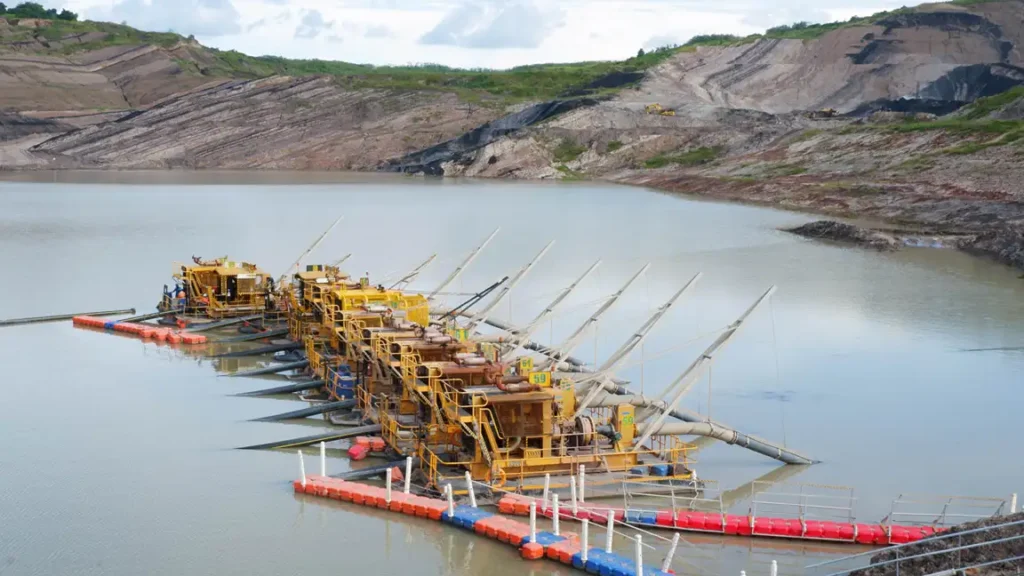
Operations in underground and open-pit mines often involve handling abrasive slurry and dealing with water seepage. Industrial sump pumps are designed to manage such challenges by efficiently removing debris-laden water, minimizing the risk of equipment damage, and keeping work areas safe and operational. This ensures mining productivity while reducing the likelihood of costly equipment downtime.
Chemical Manufacturing:
The chemical industry relies on sump pumps to safely transfer corrosive and volatile fluids. These pumps are constructed from specialized materials that resist chemical degradation, ensuring long-term durability and safe operation. This functionality is critical for maintaining process integrity, minimizing leaks, and protecting workers from hazardous substances.
Consequences of Using the Wrong Pump
Using the wrong pump for these tasks can lead to severe consequences, including:
- Increased Costs: Inefficient pumps often consume more energy, break down frequently, and require costly repairs or replacements, driving up operational expenses.
- Operational Inefficiencies: Incorrectly selected pumps can cause issues such as slower fluid transfer rates, clogging, or even complete operational failure. These problems disrupt workflows, cause delays, and reduce overall productivity.
- Safety and Environmental Risks: Using an unsuitable pump increases the chances of leaks, spills, or malfunctions, which can potentially endanger workers and harm the environment.

Features of Industrial Sump Pumps
Industrial sump pumps are specifically engineered to handle heavy-duty tasks in challenging environments. Their advanced features and robust designs make them indispensable tools in fluid management systems across various industries. Features such as an automatic switch enable automatic operation, reducing the need for manual intervention and enhancing reliability in heavy-duty applications.
Durability and Robust Design
Heavy-duty industrial sump pumps are built to perform reliably under harsh conditions. They are designed to withstand exposure to corrosive substances, high temperatures, and abrasive materials commonly encountered in industrial environments. Constructed from durable materials such as stainless steel, cast iron, and high-grade alloys, these pumps offer long service life with minimal wear and tear. The robust design also minimizes the likelihood of mechanical failure during prolonged and demanding usage, ensuring consistent performance and safety. Regularly monitoring the condition of key components, such as the stainless steel shaft, is essential for maintaining pump performance and reliability.
Key Features
Corrosion Resistance:
- Corrosion resistance is vital for pumps operating in industries that handle aggressive chemicals, such as chemical manufacturing, mining, and wastewater treatment.
- High-quality materials, such as stainless steel or polymer linings, protect pumps from chemical degradation, ensuring their longevity and reducing the frequency of costly replacements.
- This feature also enhances safety by preventing leaks or damage caused by corrosive substances.
High Flow Capacity:
- Industrial sump pumps can efficiently transfer large volumes of fluid, which is critical in sectors such as oil and gas, mining, and food processing.
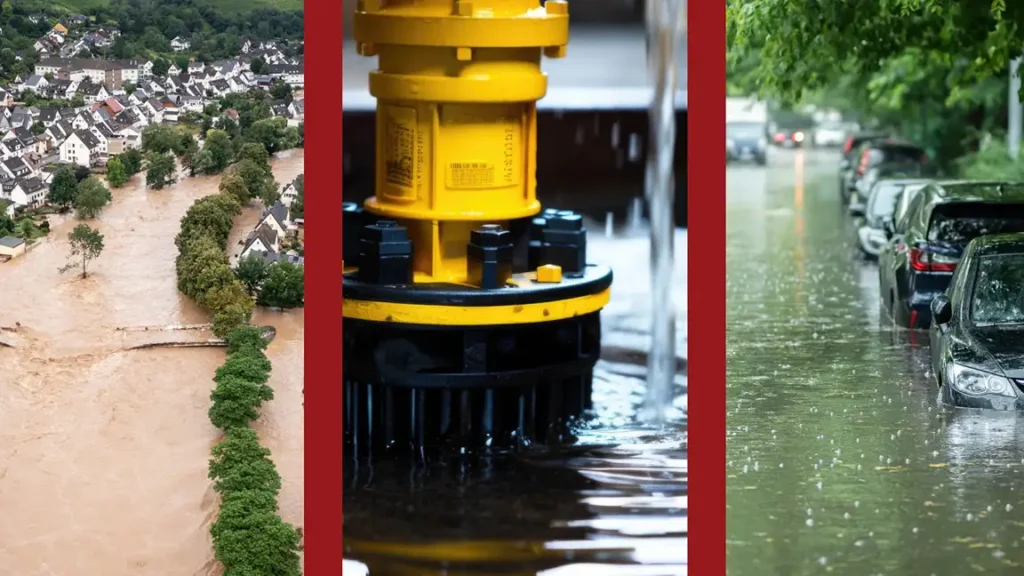
- High flow capacity accelerates fluid removal and transfer processes, ensuring smooth operations, particularly during emergencies such as flooding or equipment breakdowns.
Energy Efficiency:
- Advanced sump pumps are designed for energy efficiency, incorporating features such as variable-speed motors, optimized impeller designs, and smart control systems.
- These features significantly reduce energy consumption, lowering operational costs and contributing to sustainable business practices.
- Over time, energy-efficient pumps can result in substantial savings, particularly for operations that require continuous usage.
Ease of Maintenance:
Many industrial sump pumps are designed with modular components and easily replaceable parts, simplifying the maintenance process.
Quick access to internal components reduces downtime, ensuring that operations can resume without significant delays.
Some pumps also feature self-cleaning mechanisms, reducing the need for frequent manual intervention.
Regular inspection and cleaning and replacement of the screen is important for optimal operation and longevity of the pump.
Additional Advantages
Noise Reduction:
- Some models incorporate noise-dampening technology, making them suitable for industries where noise pollution must be minimized, such as food processing facilities or those located near residential areas.
- Reduced noise levels also contribute to a safer and more comfortable work environment for employees.
Automation:
- Modern industrial sump pumps often have automated control systems, which include remote monitoring, automatic shut-off, and adjustable flow rates.
- These features enhance operational efficiency by reducing the need for manual oversight, improving accuracy, and allowing for real-time adjustments to meet changing demands.
Why Invest in Advanced Industrial Sump Pumps?
Industrial sump pumps equipped with these features deliver unmatched reliability, operational efficiency, and cost-effectiveness. By investing in pumps with robust designs, corrosion resistance, high flow capacity, energy efficiency, and automation, businesses can minimize downtime, extend equipment life, and improve overall productivity. Additionally, features such as noise reduction and ease of maintenance contribute to a safer and more sustainable work environment, making these pumps an essential component of modern industrial operations.
Heavy-Duty Industrial Sump Pumps: Designed for Tough Environments
Heavy-duty industrial sump pumps are specifically engineered to meet the rigorous demands of challenging applications. Their superior capabilities and durability set them apart from general-use pumps, making them the preferred choice for industries that require reliable and robust performance.
Enhanced Capabilities
Heavy-duty industrial sump pumps are designed to excel in extreme environments and effectively manage challenging fluids. Their enhanced capabilities include:
Handling High-Solids Content Fluids:
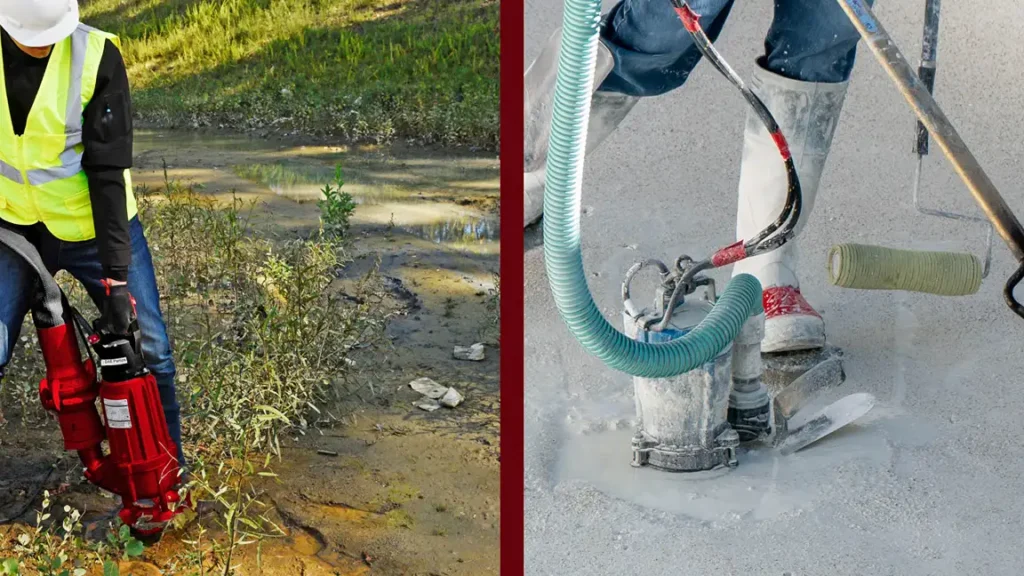
- These pumps are built to process fluids containing suspended solids, such as debris, sludge, or sediment, without clogging or reducing efficiency.
- This makes them ideal for industries like mining, where slurry and debris-laden water are common.
Managing Abrasive and Corrosive Materials:
- Constructed from reinforced materials such as cast iron, stainless steel, and specialized alloys, these pumps can handle the toughest fluids without compromising their performance.
- They are specifically designed for industries such as chemical manufacturing and wastewater treatment, where fluids can be highly corrosive and abrasive.
Meeting High-Pressure Requirements:
- Heavy-duty sump pumps can operate in systems with high head pressures, making them suitable for deep wells, underground operations, and high-pressure fluid transfer applications.
- This capability ensures consistent performance in environments where general-use pumps would struggle.

Comparison with General-Use Pumps
While general-use sump pumps may be sufficient for residential or light commercial applications, they lack the durability and performance required for industrial-scale operations. Heavy-duty industrial sump pumps are equipped with advanced features that set them apart, such as:
- Reinforced Impellers: Designed to handle abrasive materials and prevent wear and tear over extended periods.
- Specialized Seals: Double mechanical seals and other advanced sealing technologies protect the pump from leaks and contamination, even in the most demanding conditions.
- Enhanced Motor Capabilities: High-capacity motors ensure consistent performance in high-demand applications.
Specialized Models for Unique Applications
Some heavy-duty pumps are tailored for specific industrial needs, including:
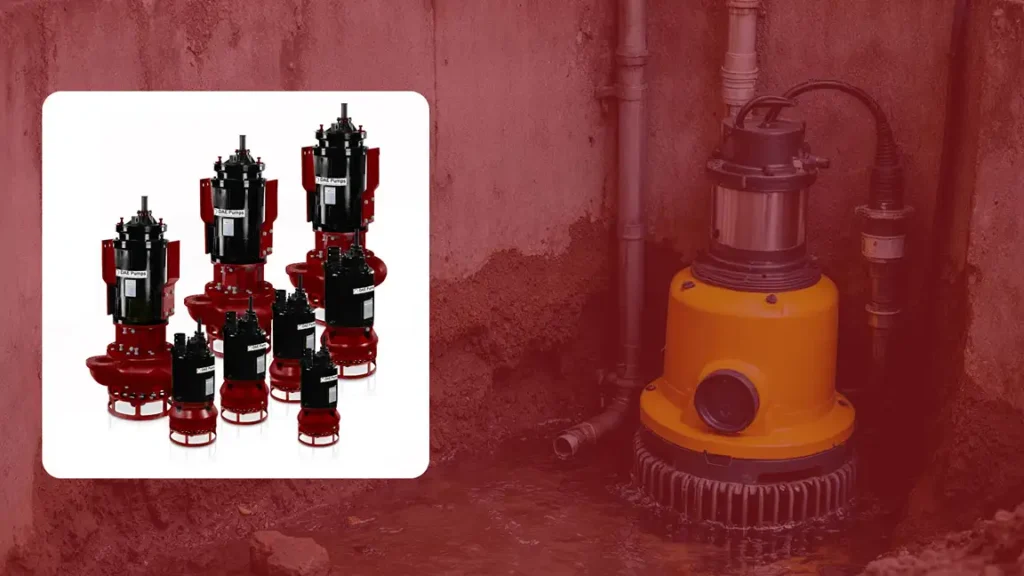
- Vortex Impeller Pumps: Ideal for handling fibrous and stringy materials, preventing clogging, and maintaining efficiency in operations like food processing and wastewater treatment.
- Double Mechanical Seal Pumps: Designed for highly abrasive or corrosive fluids, ensuring long-term reliability and safety in extreme environments.
Ideal Applications
Industries such as mining, oil and gas, and chemical manufacturing rely on heavy-duty industrial sump pumps to ensure uninterrupted operations. Their ability to withstand extreme conditions, such as high temperatures, corrosive substances, and abrasive materials, makes them indispensable in these sectors. Additionally, their robust design ensures minimal downtime, maximizing productivity and operational efficiency.
By investing in heavy-duty industrial sump pumps, businesses can meet the demands of tough environments while ensuring long-term reliability and cost-effectiveness.


Components and Customization of Sump Pump Systems
Industrial sump pump systems consist of several essential components, each critical to ensuring the system’s performance and reliability. A thorough understanding of these components, along with available customization options, is vital for optimizing pump efficiency and addressing specific industry requirements. Technical documents, such as installation manuals and product specifications, are essential resources for understanding system components and customization options.
Key Components
Pump Casing:
- The pump casing protects the internal components, ensuring the pump’s structural integrity even in harsh operating conditions.
- Many casings are designed with specialized coatings, such as epoxy or polymer linings, to enhance corrosion resistance, particularly for applications involving aggressive chemicals or seawater.
- The casing also contributes to hydraulic efficiency by directing fluid flow smoothly through the pump, minimizing energy losses.
Impeller:
- The impeller is the core component that drives fluid movement by creating pressure and velocity.
- Different designs, including open, semi-open, enclosed, and vortex impellers, are tailored to specific applications:
- Open Impellers: Ideal for handling fluids with suspended solids, as they reduce the risk of clogging.
- Enclosed Impellers: Provide higher efficiency for clean fluids in high-pressure systems.
- Vortex Impellers: Ideal for handling fibrous or stringy materials, ensuring smooth operation without blockages.
Motor:
- The motor powers the pump and is available in various types, including electric, hydraulic, and diesel-driven models.
- Selecting the right motor ensures consistent performance and energy efficiency:
- Electric Motors: Common for stable environments where electricity is readily available.
- Hydraulic Motors: Preferred for applications requiring high power in remote locations.
- Diesel Motors: Suitable for operations where fuel-based systems are more practical, such as mining or remote construction sites.
Seals and Bearings:
- Seals and bearings are essential for preventing leaks, minimizing wear, and extending the pump’s lifespan.
- Double mechanical seals are often used in heavy-duty pumps to provide an extra layer of protection against abrasive or corrosive fluids.
- Bearings with enhanced load capacities ensure smooth operation even in high-demand environments.
Control Panels:
- Modern sump pump systems are equipped with advanced control panels that allow operators to remotely monitor pump performance, adjust flow rates, and receive alerts when the pump malfunctions.
- Features like programmable logic controllers (PLCs) and automated shut-off systems enhance operational safety and efficiency.
Customization Options
To meet specific industrial needs, sump pump systems can be tailored with the following features:
- Variable Speed Drives: Allow precise control of flow rates, optimizing performance and energy consumption.
- Specialized Coatings: Provide enhanced corrosion resistance for pumps exposed to aggressive fluids or harsh environmental conditions.
- Tailored Impeller Designs: Ensure compatibility with unique fluid characteristics, such as high viscosity or the presence of solids.
- Enhanced Cooling Systems: Critical for pumps operating in high-temperature environments, such as foundries or geothermal plants.
Examples of Tailored Systems
- Food Processing Plants require pumps made from stainless steel or food-grade materials to meet hygienic standards and effectively manage wastewater.
- Mining Operations benefit from reinforced impellers and abrasion-resistant casings for handling slurry and sediment-heavy fluids.
- Chemical Manufacturing Facilities require specialized seals and coatings to safely manage hazardous or corrosive substances.
Factors to Consider When Selecting an Industrial Sump Pump
Selecting the right industrial sump pump system requires careful evaluation of several factors. An informed decision ensures optimal performance and long-term cost savings.
Fluid Type and Volume Requirements
Understanding the nature of the fluid to be handled is crucial. Considerations include:
- Viscosity and temperature.
- Presence of solids or abrasives.
- Chemical composition.
System Compatibility
Industrial environments often have specific requirements, such as:
- Power availability (electric vs. hydraulic).
- Installation space constraints.
- Integration with existing systems.
Material Selection
The materials used in pump construction should be compatible with the fluid being handled. For instance:
- Stainless steel for corrosive chemicals.
- Cast iron for abrasive slurries.
Operational Costs
Consider the total cost of ownership, including initial investment, energy consumption, and maintenance expenses. Energy-efficient models may have a higher upfront cost but offer significant savings over time.
Manufacturer Support
Reliable manufacturer support, including warranty and maintenance services, is essential for long-term satisfaction.
Selecting a pump with the right features and support ensures durability and reduces the risk of premature failure.

Critical Considerations for Industrial Sump Pump Systems
Safety Considerations
Safety is a top priority when working with industrial sump pumps in demanding environments. Proper electrical grounding and waterproofing of pumps and motors are essential to prevent electrical hazards and ensure reliable operation. Incorporating automatic switches helps protect motors from dry running, which can cause overheating and damage. It’s also important to verify that the minimum sump pit meets the required size and depth for your application, as undersized pits can lead to overflow or premature pump failure. When handling liquids that contain sludge or debris, always use appropriate personal protective equipment (PPE) to safeguard against exposure. Regular inspections of pumps and motors for signs of wear, corrosion, or damage are crucial for maintaining safe operation. Adhering to manufacturer guidelines for installation, operation, and maintenance not only protects personnel but also extends the life of your industrial sump system.
Maximum Depth Capabilities
The maximum depth that a sump pump can effectively manage is determined by several factors, including pump design, diaphragm size, motor power, and the required discharge head. Most industrial sump pumps are engineered to operate efficiently at depths ranging from a few feet to several dozen feet, depending on the model. Submersible sump pumps, in particular, often require a deeper minimum sump pit to function optimally. It is essential to consult manufacturer specifications to determine the exact maximum depth capabilities for your chosen sump pump. The type of liquids being pumped—such as those with high viscosity or containing solids—can also influence depth limitations and overall pump performance. Ensuring that both pumps and motors are properly sized for the intended depth and application will help maintain high performance and prevent operational issues.
Environmental Considerations
Industrial sump pumps play a vital role in managing wastewater and protecting the environment from industrial pollution. When selecting a sump pump for industrial applications, consider the environmental impact of both the pump and its operation. Pumps constructed with a stainless steel shaft and bronze components offer superior resistance to corrosion and contamination, making them ideal for harsh industrial environments. Utilizing non-clog or vortex impellers allows pumps to handle liquids containing sludge or debris without frequent clogging, reducing maintenance needs and minimizing the risk of environmental incidents. Regular maintenance and inspection of pumps and motors are essential to prevent leaks, spills, and other issues that could harm the environment. By choosing the right materials and features, you can ensure your industrial sump system supports both operational efficiency and environmental responsibility.
Regulatory Compliance
Compliance with industry regulations and standards is essential for the safe and efficient operation of industrial sump pump systems. When selecting a sump pump, it is important to determine which regulations and standards apply to your specific application, whether related to safety, environmental protection, or operational performance. Pumps and motors should be designed and constructed to meet these requirements, and regular maintenance and inspection are necessary to ensure ongoing compliance. Utilizing documentation and search tools can help you find products that meet regulatory standards and provide the necessary durability for your industrial sump application. By prioritizing regulatory compliance, you not only reduce the risk of accidents and environmental impact but also ensure the longevity and reliability of your sump pump system. This approach enables you to find the ideal solution for your industry while ensuring safe and efficient operations.
Long-Term Performance: Installation, Maintenance, and Upgrades
Proper installation, regular maintenance, and timely upgrades are crucial for ensuring the long-term reliability and performance of industrial sump pump systems.
Installation Best Practices
- Ensure proper alignment and leveling to prevent vibrations.
- Use appropriate piping to minimize pressure losses.
- Conduct thorough testing to verify performance.
Maintenance Best Practices
- Regularly inspect seals, bearings, and impellers for wear.
- Clean pump components to prevent clogging.
- Monitor performance metrics to identify potential issues early.
- Implement a maintenance schedule to minimize downtime.
Upgrading Sump Pump Systems
As technology evolves, upgrading to modern industrial sump pumps can enhance efficiency and reliability. Features such as smart controls, energy-efficient motors, and improved materials can significantly reduce operational costs.
Training and Operator Knowledge
Another critical factor in maximizing performance and minimizing errors is ensuring that operators are trained in proper pump operation and maintenance.
Conclusion
Investing in the right industrial sump pump is critical to operational efficiency and cost savings in industrial settings. From abrasive slurries to corrosive fluids, they are designed to meet the toughest challenges.
DAE Pumps offers a range of industrial sump pump solutions tailored to your specific industry. Durability, efficiency, and performance – DAE Pumps is your fluid management partner.
FAQs
What are the most common causes of premature failure in industrial sump pumps?
Premature failure often results from improper sizing, running the pump dry, excessive solids causing clogging, corrosion due to harsh liquids, or electrical issues like voltage fluctuations. Lack of regular maintenance (e.g., seal inspections) also contributes significantly.
How do I determine the right material for my industrial sump pump’s construction?
The material used depends on the fluid being pumped—cast iron or stainless steel for water or oil, polypropylene or PVDF for corrosive chemicals, and hardened metals for abrasive slurries. Always check chemical compatibility charts and consider factors such as temperature and abrasion resistance when selecting chemicals.
Can an industrial sump pump handle both liquids and semi-solids effectively?
Only certain pumps (like semi-open impeller or vortex designs) can handle semi-solids or slurries. Standard sump pumps may clog; always check the pump’s solids-handling capacity (measured in inches or millimeters of particle size) before making a selection.
What are the key differences between oil-filled and air-cooled sump pump motors?
Oil-filled motors offer better cooling and longer longevity in continuous-duty applications, while air-cooled motors are simpler and require less maintenance; however, they may overheat in high-duty cycles. Oil-filled is preferred for harsh or high-temperature environments.
How does variable frequency drive (VFD) compatibility impact industrial sump pump performance?
VFDs optimize energy efficiency and reduce wear by adjusting motor speed to match demand, but not all pumps are compatible with VFDs. Using a VFD on a non-compatible pump can cause overheating, vibration, or seal failure; always verify that the pump’s motor and bearings are rated for variable speed operation.