
Long reach excavator is an essential tool in construction and excavation projects, offering versatility and efficiency when it comes to reaching difficult areas. Long reach excavators can be customized to meet specific requirements for various projects, ensuring they are tailored for the job at hand.
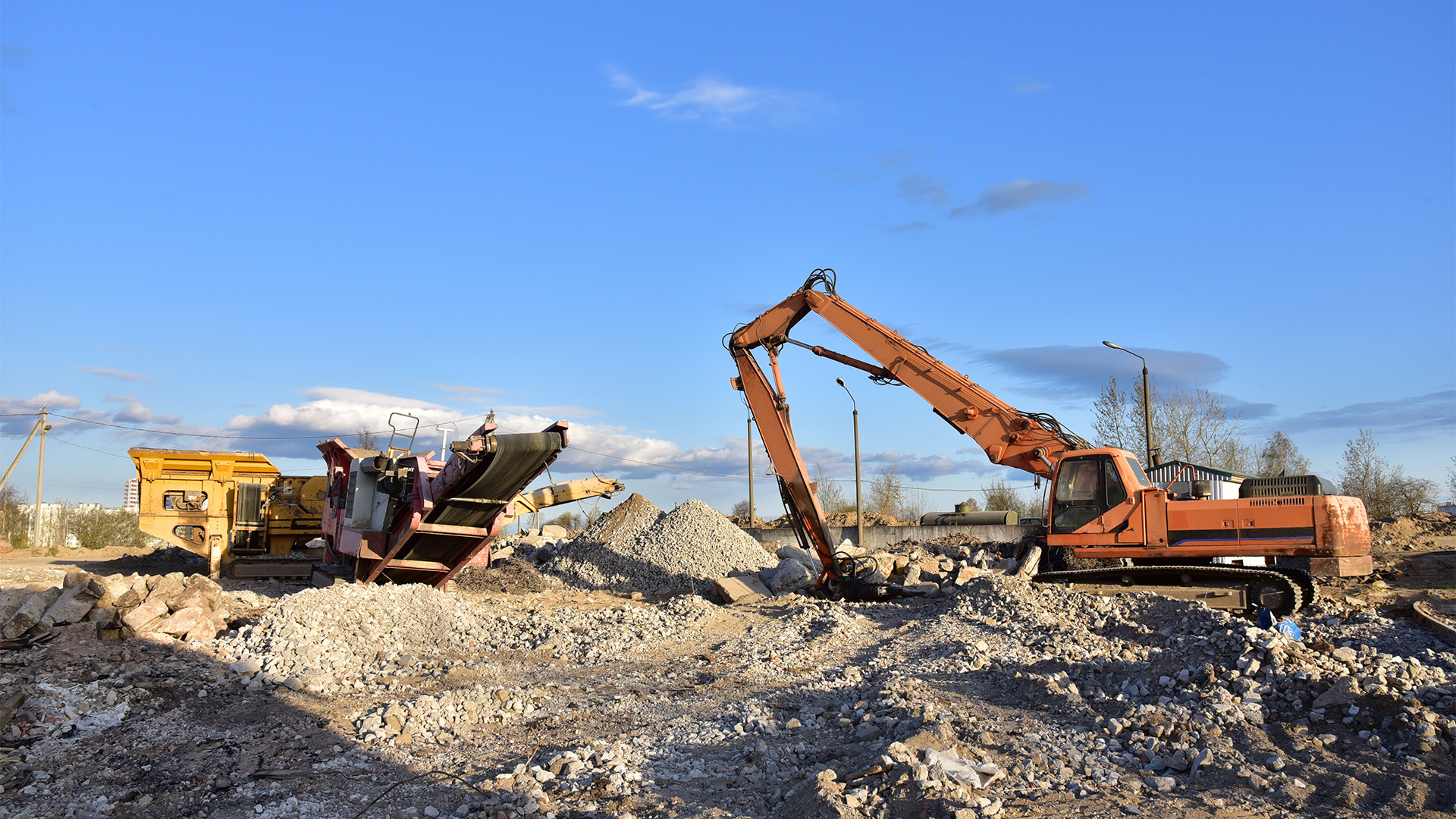
These powerful machines, equipped with extended booms and specialized attachments, including long reach attachment, are invaluable for tasks like deep digging, material handling, and demolition, and are suitable for different tasks across construction and excavation. As specialized excavators, long reach models are designed for extended reach and unique applications that standard machines cannot handle. These machines are often selected based on the specific needs of each project, ensuring the right fit for the job. Some of the common applications for long reach excavators include dredging, riverbank maintenance, demolition from a safe distance, and deep trenching.
In contrast, the high reach excavator excels at lifting materials vertically to great heights, making both types of equipment crucial for various applications. Essentially, the primary differences between long reach and high reach excavators lie in their design and intended use—long reach for horizontal distance and high reach for vertical height.
However, like all heavy machinery, a long reach excavator requires regular maintenance to ensure it operates at peak performance and lasts longer on the job site. When choosing the right equipment, it is important to select a suitable excavator for the project’s demands. In this article, we’ll explore essential maintenance tips for a long reach excavator to help you keep your equipment in optimal condition.
Understanding Long Reach Excavators
Long reach excavators are engineered for tasks that demand exceptional reach and precision, making them indispensable on construction sites where digging depth and extended reach are critical. At the heart of these machines are several key components: the long reach boom arm, the arm, and the bucket. The long reach boom arm is designed to extend farther than standard booms, allowing operators to dig deeper and access hard-to-reach areas on the project site. The arm connects the boom to the bucket, and its length directly influences the maximum digging depth and reach capabilities of the excavator.
Excavator attachments, such as specialized buckets or dredging tools, further enhance the versatility of long reach excavators, enabling them to tackle a wide range of tasks—from deep excavation and dredging to precision grading. Understanding how the boom, arm, and attachments work together is essential for optimizing performance and ensuring safe operation. By selecting the right combination of arm length and attachment for each job, operators can maximize efficiency and achieve the desired results on even the most challenging construction projects.


Importance of Regular Maintenance
Enhancing Performance
Regular maintenance is crucial for maximizing the efficiency of a long reach excavator. Well-maintained equipment performs better, allowing operators to complete tasks more quickly and effectively. Ensuring that all systems are functioning properly leads to smoother operations and improved productivity on the job site. Regular maintenance is especially important for excavators used in heavy duty tasks, as these demanding operations place greater stress on the equipment.
Reducing Downtime
Downtime can be costly. Equipment failure often results in project delays and additional expenses. By adhering to a regular maintenance schedule, operators can identify and address potential issues before they escalate into significant problems, thus minimizing the risk of unexpected downtime.
Extending Equipment Life
Regular maintenance not only enhances performance but also extends the lifespan of your long reach excavator. With proper care, these machines can remain in service for many years, providing a better return on investment.

Essential Maintenance Tips for Your Long Reach Excavator
Daily Inspections
Conducting daily inspections is the first line of defense in maintaining your long reach excavator. Check key components such as:
-
Hydraulic Systems: Inspect hoses and connections for leaks or wear. Look for any signs of hydraulic fluid on the ground, as this can indicate a leak that needs immediate attention.
-
Tracks: Examine the tracks for signs of wear, cracks, or missing links. Properly maintained tracks ensure better stability and performance during operations.
-
Attachments and Arms: Ensure that all attachments and arms are secure and functioning correctly. Check the arms for signs of wear or damage, as these extended components are crucial for reach and performance. Loose or damaged attachments or arms can affect operational safety and efficiency.
When performing daily inspections, pay special attention to the long arm of the excavator. Its extended length can be more susceptible to stress and fatigue, making regular checks essential for durability and safe operation.
Cleaning and Lubrication
Keeping your excavator clean is vital for its longevity. Regularly remove dirt, mud, and debris, especially from the undercarriage and hydraulic components. Accumulated dirt can lead to corrosion and impair functionality.
Lubrication is essential for reducing friction and wear on moving parts. Follow the manufacturer’s guidelines for lubricating key areas, such as pivot points, boom cylinders, and joints.
Hydraulic System Care
The hydraulic system is the heart of a long reach excavator. Regularly check hydraulic fluid levels and quality. The fluid should be clean and free from contaminants. If it appears dirty or has a burnt smell, it’s time to change it.
Inspect filters to ensure they are clean. Clogged filters can restrict fluid flow and lead to system failures. Additionally, look for signs of leaks around hoses and cylinders and address any issues promptly to maintain system integrity.
Track and Undercarriage Maintenance
The undercarriage is one of the most critical and wear-prone parts of an excavator. Monitor the tracks for uneven wear, which can indicate misalignment or tension issues. Regularly clean the undercarriage to remove debris that can cause damage.
Proper tensioning of the tracks is vital for efficient operation. If tracks are too loose, they can come off during operation; if they are too tight, they can cause excessive wear on both the tracks and the undercarriage components.
Long Reach Attachment Care
Attachments are essential for maximizing the capabilities of your long reach excavator. Long reach attachments are specifically designed to enhance the excavator’s capabilities for deep and extended-distance tasks. Regularly inspect and maintain attachments, ensuring they are in good working order. Look for signs of wear and tear, such as cracks or bent components. Proper attachment maintenance ensures safe and efficient operation during tasks. Proper care is especially important for excavator long reach boom arms, which are subject to greater stress during operation.
Pay particular attention to the long reach attachment such as buckets, grapples, and booms. These specialized tools can significantly enhance the functionality of your excavator, but it requires consistent care. Special purpose attachments are also used for niche applications like slope shaping and waterway cleaning, improving operational efficiency. Lubricate moving parts of attachments and follow the manufacturer’s recommendations for care.
When maintaining booms, it is important to inspect the long boom and longer boom for signs of wear, as these components are critical for extended reach operations such as deep excavation and demolition. When discussing the arm, consider the extended arm and its role in increasing the excavator’s working range.

Troubleshooting Common Issues
Even with regular maintenance, long reach excavators can encounter issues that affect their performance and reliability. Common problems include reduced digging depth, limited reach, and compromised machine stability. These issues often stem from wear or damage to critical components such as the boom arm, arm length, or excavator attachments. For example, a worn boom and arm can reduce the machine’s ability to withstand torsional loads, while an improperly sized or damaged bucket can hinder digging efficiency.
To troubleshoot these challenges, operators should start by inspecting the hydraulic system for leaks or pressure loss, as this can impact the movement and strength of the boom and arm. Next, check for signs of fatigue or cracks in the boom and arm, and ensure all attachment points are secure. Using high quality accessories and properly maintained excavator attachments can help maintain reliable performance and machine stability, even under the toughest conditions. By addressing these issues promptly and using the highest quality components, operators can extend the life of their long reach excavator and keep operations running smoothly.
Record Keeping and Documentation
Effective record keeping is a cornerstone of successful long reach excavator maintenance and project management. By maintaining detailed documentation of equipment usage, maintenance schedules, and repairs, contractors can quickly identify patterns that may indicate potential issues—such as declining digging depth or changes in operating weight. Tracking the condition of the boom and arm, as well as recording the maximum reach and depth achieved on each job, helps ensure that the excavator is always matched to the project requirements.
Accurate records also support compliance with safety regulations and manufacturer recommendations, making it easier to schedule preventive maintenance and avoid costly downtime. Additionally, documenting project requirements, site conditions, and equipment specifications ensures that the right excavator model and attachments are selected for each operation. This proactive approach not only improves job site efficiency but also extends the lifespan of the equipment, ultimately reducing costs and enhancing overall project performance.

Environmental Considerations
Long reach excavators play a vital role in construction projects that intersect with sensitive environments, such as waterways, wetlands, and areas requiring deep excavation or slope shaping. To minimize environmental impact, operators should use specialized excavator attachments designed for dredging, waterway management, and high reach demolition. These tools allow for precise operation, reducing the risk of disturbing surrounding habitats or structures.
Safe operation and regular maintenance are essential for preventing leaks and spills, especially when working near water or in environmentally sensitive zones. By following best practices and using equipment tailored for slope finishing and deep excavation, contractors can ensure compliance with environmental regulations and protect natural resources. Taking a proactive approach to environmental considerations not only safeguards the ecosystem but also supports the long-term success of construction projects by minimizing disruption and maintaining positive community relations.

Seasonal Maintenance Considerations
Preparing for Winter
Cold weather can be harsh on heavy machinery. Before winter sets in, take steps to winterize your long reach excavator. Drain and replace hydraulic fluids with cold-weather formulations that can withstand lower temperatures.
Check the battery’s health and inspect the engine cooling system. Using engine block heaters can help ensure reliable starts in frigid conditions.
Summer Heat Challenges
In hot weather, overheating can become a concern. Ensure your cooling system is functioning properly, and regularly check coolant levels. Inspect the radiator for debris that could obstruct airflow and reduce cooling efficiency.
Common Mistakes to Avoid
Ignoring Warning Signs
Operators should never ignore warning signs, such as unusual noises, leaks, or performance issues. Addressing these problems early can prevent more severe damage and costly repairs. Create a culture where operators feel empowered to report the problems without hesitation.
Neglecting Operator Training
A well-trained operator is critical for the safe and efficient operation of a long reach excavator. Neglecting proper training can lead to improper use, increasing wear and tear on the machine. Invest in training programs to ensure operators are knowledgeable about maintenance and operational best practices.
Skipping Scheduled Maintenance
Following a maintenance schedule is essential. Skipping routine maintenance checks can lead to unforeseen issues that might have been easily prevented. Always adhere to the manufacturer’s recommended maintenance intervals and procedures to keep the equipment running smoothly.
Conclusion
Regular maintenance of the long reach excavator is vital for enhancing performance, reducing downtime, and extending equipment life. Long reach excavators are ideal for deep trenching and dredging activities, making them essential for maintaining waterways and handling projects that require extended reach over longer distances. Similarly, the high-reach excavator also requires diligent upkeep to ensure it performs lifting tasks efficiently, especially when operating at greater distances from hazards. By implementing these essential maintenance tips for both a long reach excavator and a high reach excavator, along with its specialized long reach attachment, you can ensure that your equipment remains in optimal condition, allowing you to maximize productivity and efficiency on the construction site. Selecting the right models to match the working range required for each construction site is crucial for achieving the best results. The extended reach and specialized attachments allow operators to perform tasks at a safe distance, improving efficiency and safety on the construction site. Stay informed, proactive, and committed to maintaining your long reach excavator, your high reach excavator, and their attachments, and you’ll enjoy the benefits of reliable performance for years to come.