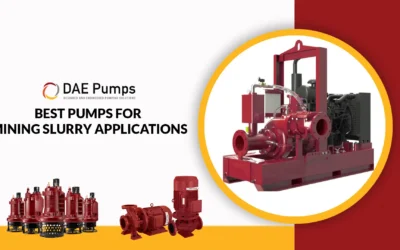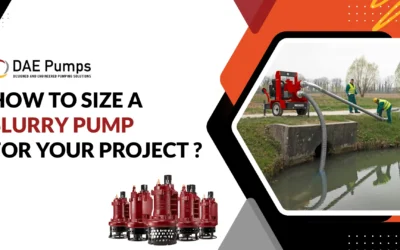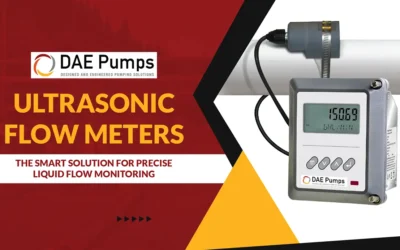

Effective water management is essential across various applications, from agriculture to residential use, and a dependable pump plays a vital role in this process. Among the diverse types of pumps, the self priming water pump is particularly noteworthy for its unique capabilities and efficiency. Unlike traditional pumps, self priming pumps can automatically remove air from their system. In this article, we will delve into what self priming pumps are, highlight their key features, and discuss the numerous benefits they provide. By understanding these elements, you can see why self priming pumps are an excellent choice for a wide range of water transfer needs, ensuring efficient and hassle-free operation.
What Is a self priming Water Pump?
A self priming water pump is a specialized type of pump designed to automatically remove air from its system, enabling it to draw water without requiring manual priming. Traditional pumps typically need to be primed, meaning the suction line must be filled with water before they can function. This requirement can be cumbersome, especially when the water source is not consistently available or at the same level as the pump.
Self priming pumps address this challenge by combining a centrifugal pump design with an air-handling capability.
Key Features of Self-Priming Pumps
1. Automatic Priming
The standout feature of a self priming water pump is its ability to prime itself automatically. This eliminates the need for manual intervention, making it much easier to operate. When the pump is turned on, it creates a vacuum that draws in water along with any air present in the system. This automatic process ensures that the pump can start quickly and maintain operation, even if the water source fluctuates.
2. Air Handling Capabilities
One of the primary advantages of self-priming pumps is their ability to handle air pockets effectively. In traditional pumps, the presence of air can prevent proper operation, leading to cavitation or even pump failure. Self priming water pumps are engineered to manage air and liquid simultaneously, making them particularly useful in applications where the water source may not always be full or where air can get trapped in the system.
3. Versatility
Self-priming pumps are incredibly versatile and can be used in various settings. Whether for agricultural irrigation, draining pools, or providing water for construction sites, these pumps adapt to different scenarios. They can draw water from wells, tanks, rivers, or even flooded areas, making them suitable for both residential and commercial applications.
4. Durability
Durability is another significant feature of self-priming pumps. Typically constructed from high-quality materials, these pumps are built to withstand challenging conditions, including exposure to moisture, dirt, and various chemicals. This robustness ensures a longer lifespan for the self priming water pump, reducing the need for frequent replacements and maintenance.
5. Easy Maintenance
Self-priming pumps generally require less maintenance than traditional pumps. With fewer components to manage and a simpler design, maintenance tasks become straightforward. This ease of maintenance not only saves time but also reduces operational costs, as downtime is minimized, and the pump can remain in service longer.
In summary, the self priming water pump offers automatic priming, effective air handling, versatility, durability, and easy maintenance, making it a top choice for various water transfer needs.

Benefits of Using a self priming Water Pump
1. Efficiency in Water Transfer
self priming water pumps excel in efficiency when it comes to water transfer. Their ability to quickly start and operate saves time and energy, especially in applications where water needs to be moved rapidly. For instance, in agricultural settings, these pumps can effectively distribute water to crops without the delays that manual priming might introduce.
2. Reduced Labor Costs
One of the most significant benefits of using a self priming pump is the reduction in labor costs. Since these pumps eliminate the need for manual priming, operators can focus on other essential tasks rather than continuously monitoring and managing the pump. This efficiency can lead to better resource allocation and overall productivity in operations.
3. Ideal for Varied Applications
The adaptability of self priming pumps makes them suitable for a wide range of applications. In agriculture, they can efficiently irrigate fields, while in construction, they can remove water from excavations or basements. This versatility ensures that businesses and homeowners can rely on a single pump type for multiple purposes, enhancing convenience.
4. Improved Reliability
Reliability is critical when it comes to water management. Self priming pumps tend to be more reliable than their traditional counterparts due to their automatic priming and air-handling features. These pumps minimize the risk of operational failures, ensuring that they perform consistently even in demanding conditions.
5. Cost-Effective Solution
Investing in a self priming water pump can prove to be cost-effective in the long run. Although the initial purchase price may be higher than that of traditional pumps, the savings on labor, maintenance, and operational efficiency often outweigh these costs. Additionally, their durability means they require fewer replacements, further enhancing their value.

Conclusion
A self priming water pump is an essential tool for anyone involved in water management. The water pump self priming capability allows users to quickly and easily start the pump without manual intervention, enhancing convenience and operational efficiency. This feature is particularly beneficial in situations where water levels may fluctuate or where air pockets can hinder performance. Overall, the self-priming water pump stands out as a reliable solution for effective water transfer, ensuring optimal performance across various environments.
Understanding the features and benefits of self priming pumps can help you make informed decisions about your water management needs, ultimately leading to enhanced efficiency and productivity in your operations. Whether you are dealing with irrigation, drainage, or any other water transfer requirement, self priming pumps stand out as a reliable solution to streamline your processes and ensure effective water management.