- What Is a Submersible Slurry Pump and How It Works
- Key Operating Conditions That Require a Submersible Slurry Pump
- Where Submersible Pumps Fit Within Slurry Pump System Design
- Applications Where Submersible Slurry Pumps Are Most Effective
- Submersible Slurry Pump vs Other Pump Configurations
- Performance Characteristics of Submersible Slurry Pumps
- Advantages of Using a Submersible Slurry Pump
- Limitations and Operational Constraints
- Practical Decision Framework: When to Choose a Submersible Slurry Pump
- Conclusion: Using Submersible Slurry Pumps as a System-Level Decision
- FAQ: Submersible Slurry Pump Applications and Use Cases
What Is a Submersible Slurry Pump and How It Works
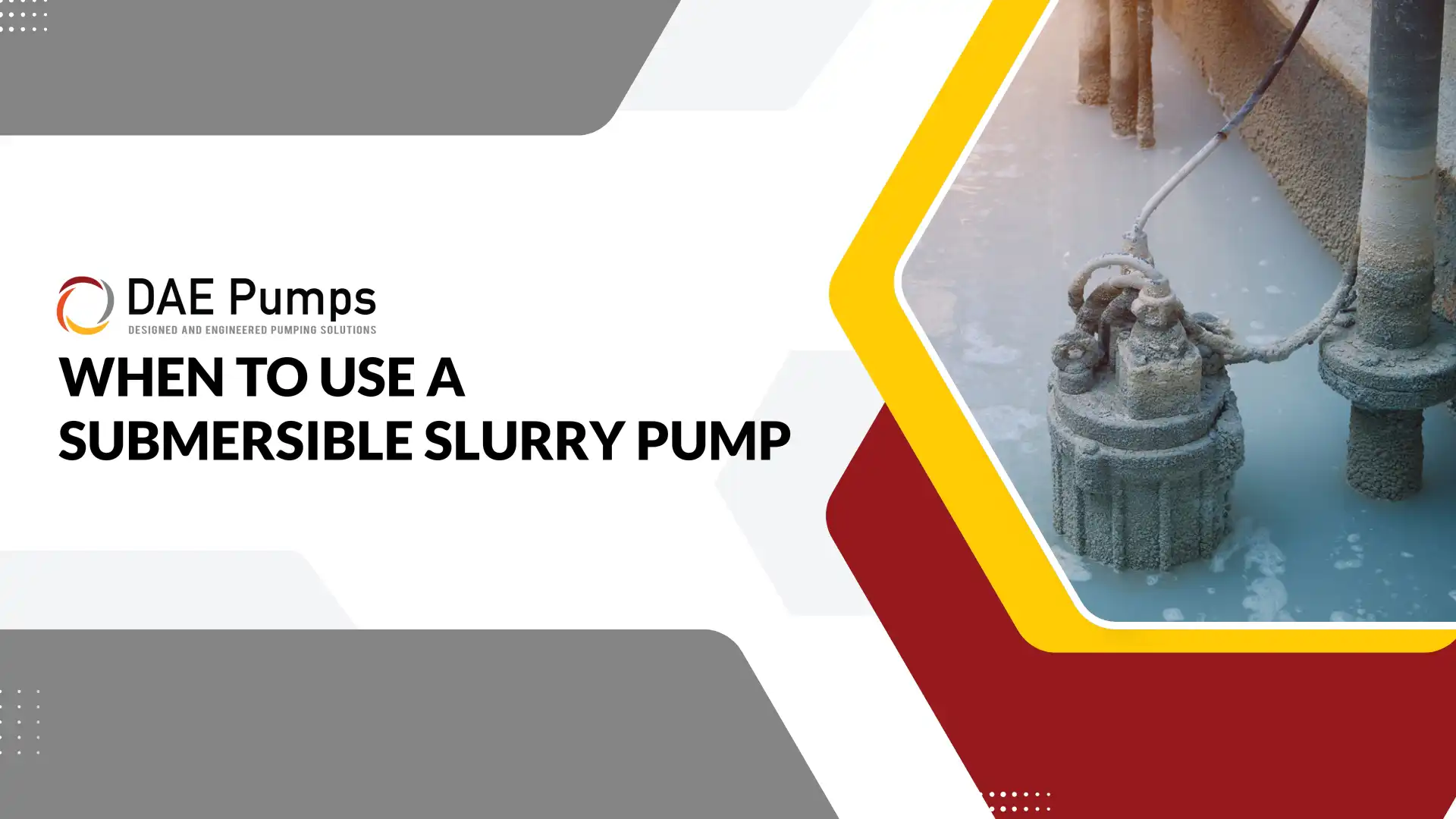
A submersible slurry pump is a pump designed to operate fully submerged in liquid containing suspended solids such as sand, silt, sludge, or abrasive particles. The pump and motor are integrated into a single sealed unit, allowing it to function directly within the slurry without requiring external suction or priming. When activated, the motor drives the impeller or rotor, generating flow that moves the slurry from the intake through the discharge line. Because the pump is already positioned below the fluid level, it does not rely on suction lift, which eliminates common issues such as air entrainment and loss of prime.
This configuration differs from dry-mounted or suction-based systems, where the pump must draw fluid upward from a source, often requiring priming and stable suction conditions. In contrast, a submersible setup places the pump at or near the material source, improving solids capture and reducing system complexity. Variations such as a submersible dredge pump are used for sediment removal and excavation tasks, while a sand pump typically refers to applications involving high volumes of abrasive granular material.

Key Operating Conditions That Require a Submersible Slurry Pump
High solids concentration in fluid
Submersible slurry pumps operate directly within the material, allowing them to handle dense mixtures without relying on suction. This reduces the risk of clogging and loss of efficiency seen in surface-mounted systems.
Variable or unstable slurry levels
When fluid levels fluctuate, suction-based pumps can lose prime or operate inefficiently. A submerged pump remains in contact with the slurry, maintaining consistent operation regardless of level changes.
Limited or no suction head availability
In applications where suction lift is not feasible, such as deep pits or below-grade sumps, submersible pumps eliminate the need for suction entirely by pushing fluid from within the source.
Deep or flooded pumping locations
For environments like mining pits, dredging zones, or flooded excavations, placing the pump directly in the fluid simplifies system design and avoids long suction lines.
Confined or restricted installation areas
Submersible units require minimal surface infrastructure, making them suitable for tight spaces where installing a dry-mounted pump and suction piping is impractical.
Need for direct material agitation or pickup
In applications involving settled solids, placing the pump at the material source improves solids mobilization and transfer efficiency, especially when combined with agitation mechanisms.
Applications where priming is unreliable
Systems that frequently introduce air or experience interruptions can struggle to maintain prime. Submersible pumps bypass this issue entirely since they operate below the fluid surface.
Where Submersible Pumps Fit Within Slurry Pump System Design
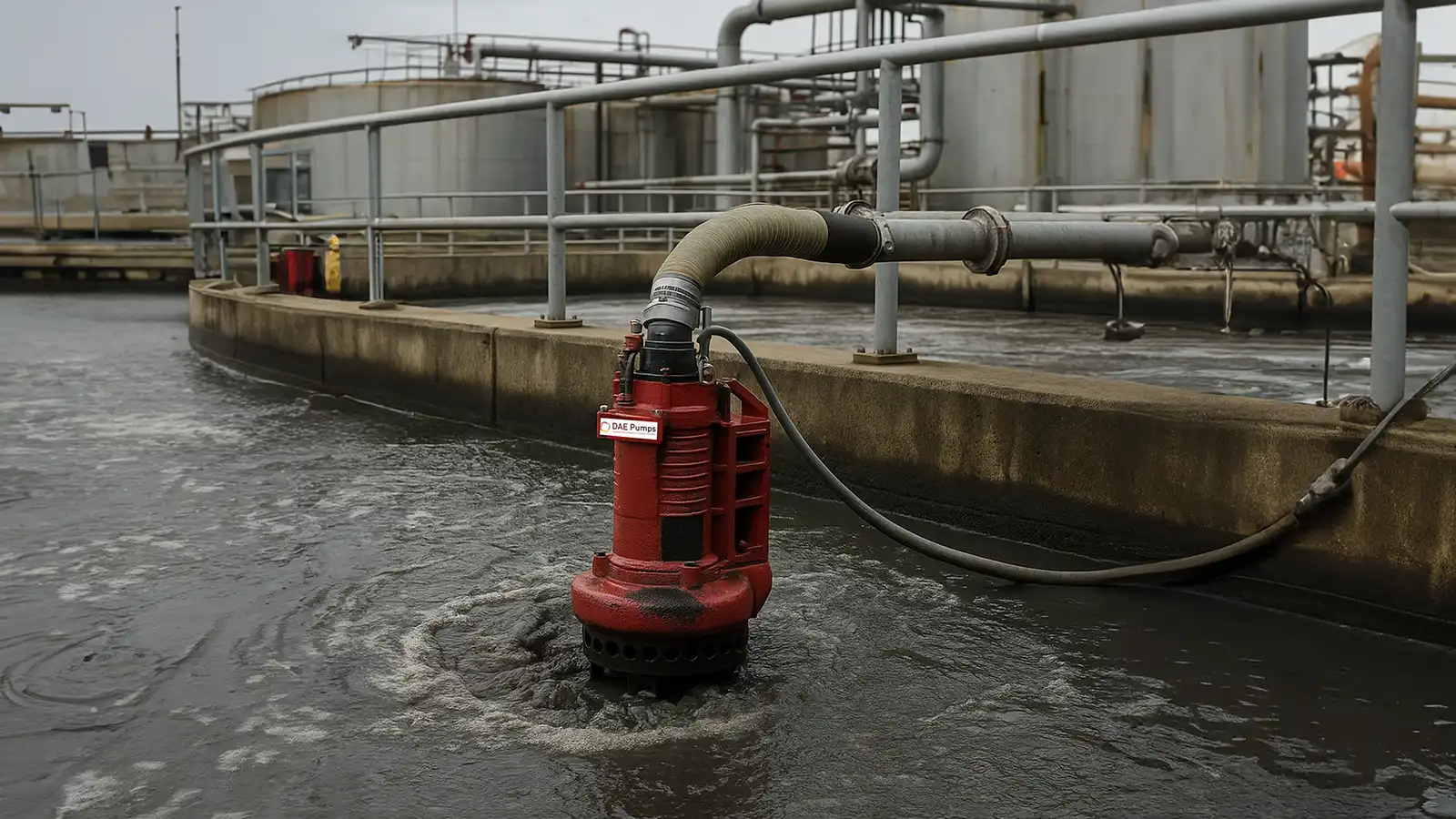
Pump selection in slurry applications is not based on the pump alone but on how it performs within the full system. Material characteristics, pipeline configuration, elevation changes, and required flow all influence whether a submersible slurry pump is appropriate. A submersible configuration is one approach within a broader range of slurry handling solutions, typically used when the pump needs to be positioned directly at the fluid source. It simplifies suction conditions but shifts focus to discharge performance, wear, and system resistance. In many cases, the choice is less about pump type and more about how the pump interacts with the rest of the system components.
Key system-level considerations include:
- Pipeline length and friction losses
Longer pipelines increase resistance, requiring the pump to generate sufficient head to maintain flow
- Required discharge pressure
Elevation gain and discharge distance determine the pressure the pump must overcome
- Material density and particle size
Heavier slurries and larger solids affect flow behavior, wear rates, and overall pump performance
- Continuous vs intermittent operation
Duty cycle influences thermal limits, wear patterns, and motor selection
- Accessibility for maintenance
Submersible pumps are less accessible, so service intervals and retrieval methods must be planned within the system design

Applications Where Submersible Slurry Pumps Are Most Effective
Dredging and Sediment Removal
Submersible slurry pumps are commonly used in dredging operations where material must be removed directly from the bottom of water bodies. By placing the pump at the slurry source, solids are captured more efficiently without relying on suction lift. This setup improves recovery of dense material such as sand, silt, and sediment while reducing losses that occur in suction-based systems. A submersible dredge pump is often used in lakes, rivers, and canals where access and depth vary.
Mining and Tailings Handling
In mining environments, slurry is often abrasive and high in solids concentration. Submersible pumps are deployed in pits, sumps, and tailings ponds to move dense mixtures without requiring complex suction infrastructure. Their ability to operate submerged makes them suitable for continuously flooded conditions, while their proximity to the material source helps maintain stable flow even with variable slurry characteristics.
Construction Site Dewatering with Solids
Construction sites frequently require dewatering in areas where water contains suspended solids such as sand, clay, and debris. Standard dewatering pumps designed for clean water can struggle under these conditions. A submersible slurry pump can handle these materials more effectively, allowing for removal of water while managing solids that would otherwise cause clogging or reduced performance.
Industrial Sludge Transfer
Industrial processes often generate sludge that collects in tanks, pits, or basins. Submersible pumps are used to transfer this material without requiring external priming or suction lines. Their submerged operation allows direct handling of viscous or semi-settled material, making them suitable for applications where consistency and composition vary over time.
Sand and Aggregate Processing
In aggregate and wash plant operations, submersible units function as a sand pump to move abrasive granular material from collection points such as sumps or settling areas. Their placement at the lowest point of accumulation allows continuous removal of solids-heavy mixtures, helping maintain process flow and preventing buildup.
Wastewater and Settling Ponds
Wastewater systems and settling ponds accumulate sludge and suspended solids that require periodic removal. Submersible slurry pumps are used to manage these materials in environments where fluid levels change and solids settle unevenly. Their ability to remain operational under submerged conditions makes them effective for maintaining system balance without frequent intervention.
Submersible Slurry Pump vs Other Pump Configurations
| Factor | Submersible Slurry Pump | Horizontal Slurry Pump | Self-Priming Pump |
| Installation | Submerged | Dry-mounted | Surface-mounted |
| Priming | Not required | Required | Self-priming |
| Solids Handling | High (design dependent) | Moderate to high | Limited |
| Suction Limitations | None | Present | Reduced |
| Accessibility | Limited | Easy | Easy |
| Best Use Case | Direct slurry pickup | Controlled systems | Mobile/dewatering |
A submersible slurry pump is typically used when the pump needs to operate directly within the fluid, eliminating suction constraints and improving solids pickup. In contrast, horizontal slurry pumps are installed outside the fluid and rely on stable suction conditions, making them more suitable for controlled environments where flow conditions are predictable. Self-priming pumps sit at the surface and are designed for mobility and ease of deployment, but they are generally more limited in handling high solids or abrasive materials.
Selection between these configurations depends on operating constraints rather than pump type alone. Factors such as slurry characteristics, system layout, accessibility, and duty requirements determine which configuration is appropriate. A submersible setup may simplify suction conditions but can complicate maintenance access, while a dry-mounted system may be easier to service but requires stable inlet conditions. The most suitable option is the one that aligns with the full system, not just the pumping requirement.

Performance Characteristics of Submersible Slurry Pumps
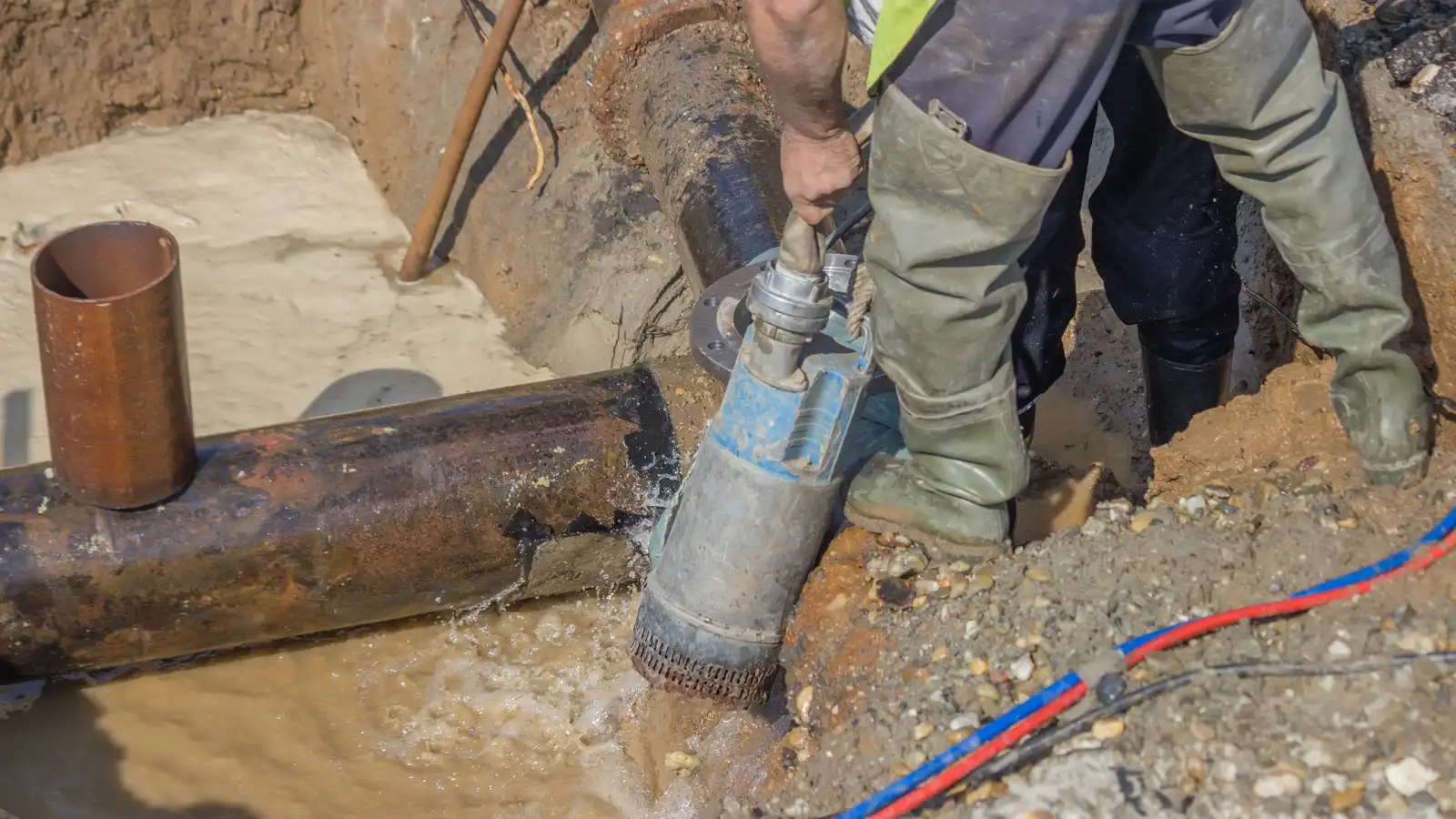
The performance of a submersible slurry pump is influenced more by slurry properties than by standard pump curves alone. Most performance curves are developed using clean water, which does not reflect the behavior of dense, solids-laden mixtures. When operating with slurry, actual performance shifts due to changes in flow resistance, internal recirculation, and material interaction within the pump. As solids concentration increases, the mixture becomes heavier and more viscous, reducing flow rates and increasing the power required to maintain discharge. Particle size also plays a role, as larger or irregular solids can alter internal flow patterns and increase wear on components. Specific gravity further affects the energy needed to move the fluid, directly impacting achievable head and efficiency.
These factors create trade-offs between flow, head, and wear. Increasing flow in high-solids conditions can accelerate component wear, while operating at higher head may reduce throughput but maintain system stability. In abrasive applications, maintaining a balance between performance and equipment life becomes critical. As a result, evaluating a submersible slurry pump requires adjusting expectations from water-based curves to reflect actual slurry conditions and system resistance.
Advantages of Using a Submersible Slurry Pump
- Eliminates suction limitations by operating below the fluid level, removing the need to lift slurry into the pump
- No need for external priming systems since the pump remains continuously submerged in the fluid
- Direct contact with the slurry improves solids pickup and reduces losses at the intake
- Compact installation footprint with minimal surface equipment and reduced piping requirements
- Reduced risk of cavitation due to the absence of suction-induced pressure drops
- Suitable for deep or submerged environments where surface-mounted systems are impractical or inefficient
Limitations and Operational Constraints
Submersible slurry pumps address several challenges related to suction and solids handling, but they introduce trade-offs that must be considered during system design. Because the pump operates below the fluid surface, factors such as accessibility, sealing, and operating environment become more critical compared to dry-mounted systems.
- Limited accessibility for maintenance
Retrieval is required for inspection or repair, which can increase downtime and handling effort
- Requires sealing and motor protection
Reliable sealing systems are necessary to prevent fluid ingress and protect internal components
- Higher wear in abrasive environments
Continuous exposure to solids can accelerate wear on impellers, liners, and other internal parts
- Power supply constraints underwater
Electrical systems must be properly rated and protected for submerged operation
- Not ideal for all continuous duty applications
Thermal limits and operating conditions may restrict long-duration use in certain environments
Selection should be based on operating conditions, not just configuration advantages.
Practical Decision Framework: When to Choose a Submersible Slurry Pump
Use a submersible slurry pump when:
- The pump must operate below fluid level, such as in pits, tanks, or submerged excavation zones
- Suction lift is not feasible due to depth, layout, or unstable inlet conditions
- Slurry contains moderate to high solids that require direct handling without suction losses
- Material must be collected directly at the source to improve recovery and reduce settling
- Space constraints limit the installation of surface-mounted equipment and suction piping
- Fluid levels fluctuate frequently, making it difficult to maintain consistent suction conditions
- The application involves flooded or confined environments where dry-mounted systems are impractical
Do not use when:
- Easy surface access is required for routine inspection, adjustment, or repair
- Maintenance must be frequent and rapid, making retrieval of submerged equipment inefficient
- Dry installation is more practical due to stable suction conditions and accessible layout
- The system requires continuous monitoring or adjustment that is easier with surface-mounted equipment
- Electrical or power constraints make submerged operation difficult to implement safely
This checklist helps narrow the decision based on operating constraints, ensuring the selected configuration aligns with how the system will actually function.
Conclusion: Using Submersible Slurry Pumps as a System-Level Decision
A submersible slurry pump is not inherently better than other pump configurations. Its effectiveness depends on how well it fits within the overall system. While it simplifies suction conditions and improves direct solids handling, these advantages only matter when they align with the material properties, operating environment, and system layout. Factors such as slurry density, particle size, pipeline resistance, and discharge requirements all influence whether a submersible setup delivers consistent performance.
Pump placement plays a critical role in this decision. Positioning the pump at the source can improve solids recovery and reduce system complexity, but it also introduces considerations around access, wear, and power delivery. Material behavior further affects performance, as changes in concentration or particle characteristics can shift operating conditions away from standard expectations. At the same time, system resistance, including pipeline length and elevation, determines how effectively the pump can move the slurry once it is collected.
The practical takeaway is straightforward: select a submersible slurry pump based on how the system operates in real conditions, not on the pump type alone.
FAQ: Submersible Slurry Pump Applications and Use Cases
What is a submersible slurry pump used for?
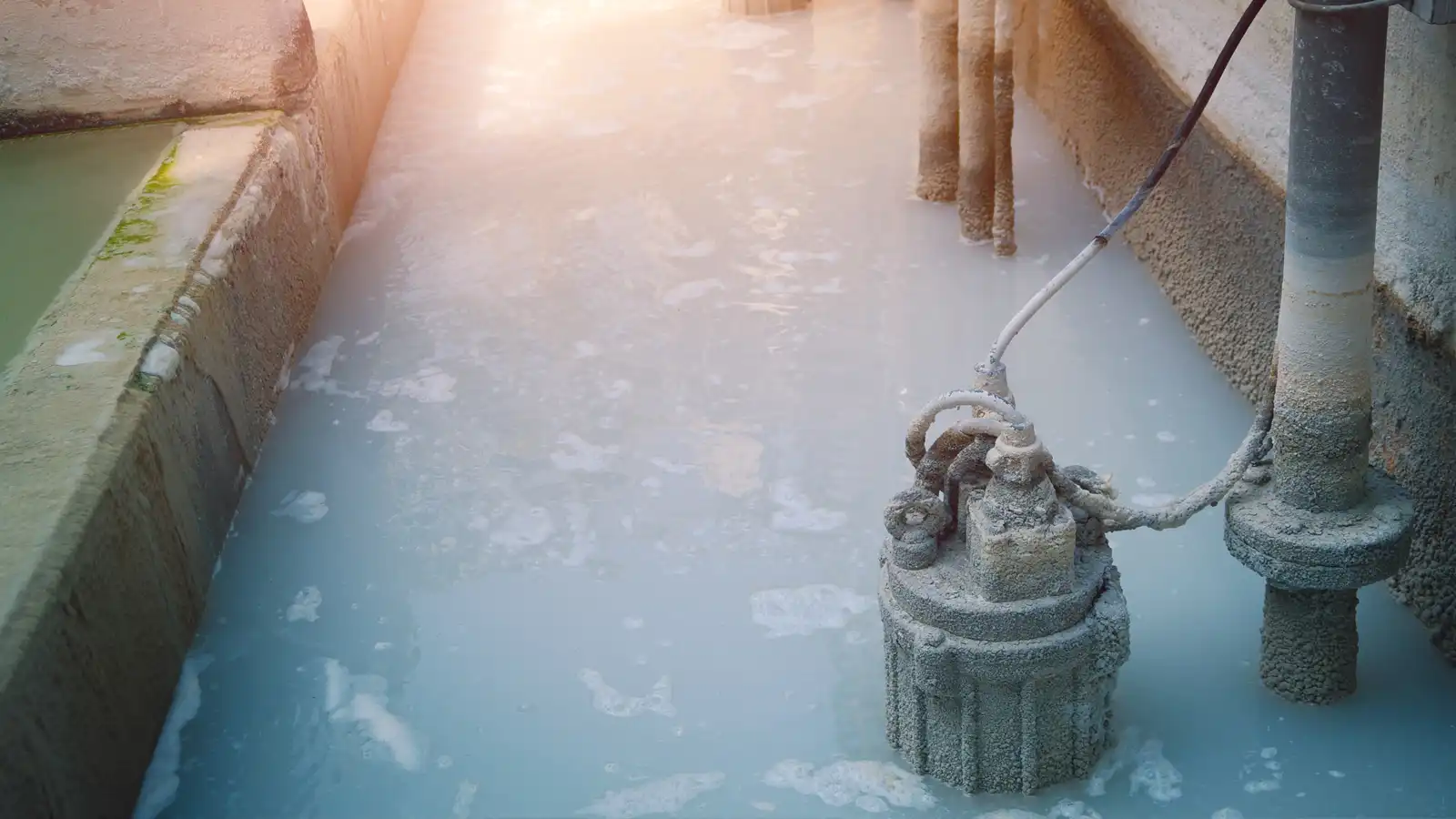
A submersible slurry pump is used to move fluids that contain suspended solids directly from submerged environments such as pits, tanks, ponds, or dredging zones. Because it operates within the slurry itself, it is effective in handling dense mixtures that would be difficult to draw using suction-based systems.
How is a submersible dredge pump different from a standard slurry pump?
A submersible dredge pump is specifically configured for excavation and material removal, often placed at the bottom of a water body or sediment layer. It is designed to work in combination with cutters or agitation systems to loosen and transport material. A standard slurry pump, on the other hand, is typically used for transferring already suspended material within a controlled system.
Can submersible slurry pumps handle large solids?
They can handle large solids depending on the pump design, particularly the internal clearances and passage geometry. Pumps with higher tolerances are capable of passing larger particles, while tighter designs may be limited to smaller solids to avoid clogging or excessive wear.
Are submersible pumps suitable for sand pumping?
Yes, submersible pumps can function as a sand pump when designed for abrasive materials. This includes the use of wear-resistant components and configurations that allow continuous handling of granular solids such as sand and fine aggregates.
Do submersible slurry pumps require priming?
No, priming is not required because the pump operates below the fluid surface. This eliminates the need to remove air from suction lines and avoids common issues associated with loss of prime.
What affects their performance the most?
Performance is primarily affected by slurry properties such as solids concentration, particle size, and specific gravity, along with system resistance from pipelines and elevation changes. These factors determine flow rate, head, and overall efficiency in real operating conditions.