
- What is a Hydraulic Power Unit?
- Types of HPUs
- Choosing the Right HPU for Your Application
- Installation and Maintenance of HPUs
- Industry Applications of HPUs
- Advantages of Using HPUs
- Future Trends and Innovations in Hydraulic Power Technology
- Detailed Comparison of HPUs
- Case Studies: Real-World Applications of HPUs
- Tips for Optimizing the Performance of HPUs
- Conclusion
- FAQs
Hydraulic power units (HPUs) provide the reliable strength that industries depend on every day. They power everything from construction equipment to factory machinery, handling tough jobs with precision and efficiency. Without them, many essential tasks wouldn’t get done. However, with various sizes, pressures, and features available, selecting the right HPU isn’t always straightforward. The best fit depends on your specific needs—whether it’s power, mobility, or durability that matters most for your work.
This guide provides comprehensive coverage of everything you need to know about HPUs, from their basic components to the latest innovations in the field. Whether you’re a seasoned engineer or a newcomer to hydraulics, this comprehensive resource will help you make informed decisions and optimize your operations.

What is a Hydraulic Power Unit?
- Definition and Function of an HPU
A hydraulic power unit (HPU) is a self-contained system that generates, controls, and transmits hydraulic energy or power by pressurizing fluid. This fluid is then used to drive hydraulic machinery, such as cylinders, motors, and actuators; the hydraulic circuit is the path through which the pressurized fluid travels to perform work. HPUs are essential in applications requiring high force and precise control, such as lifting heavy loads, pressing materials, or operating complex mechanical systems.
- Key Components
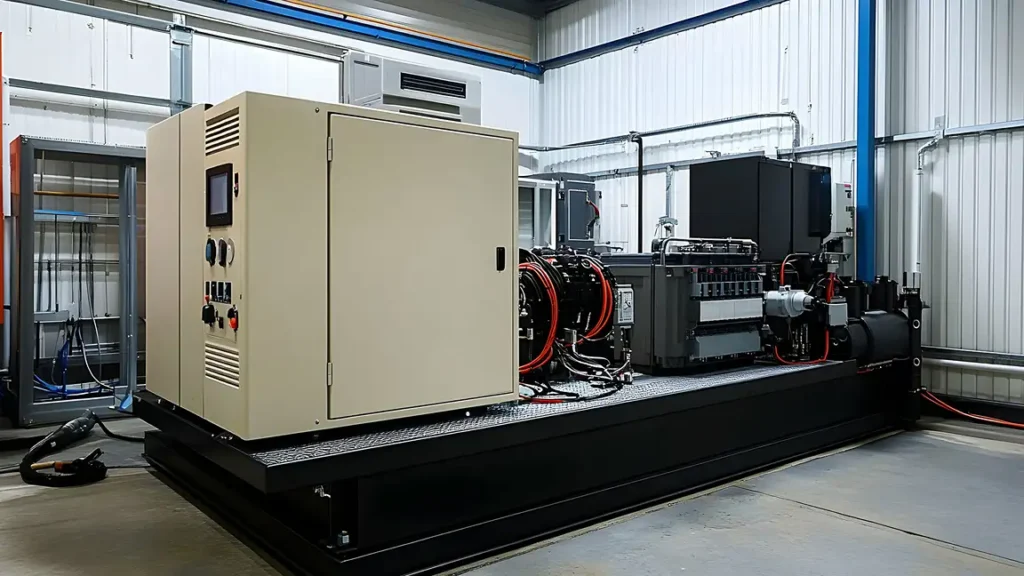
Every HPU consists of several critical components that work together to deliver reliable performance:
- Pump: The pump is the heart of the HPU. It converts mechanical energy into hydraulic energy by moving fluid through the system.
- Motor: The motor provides the mechanical energy needed to drive the pump. Depending on the application, motors can be powered by electricity, diesel, or gasoline.
- Hydraulic Reservoir: Stores the hydraulic fluid and helps dissipate heat generated during operation.
- Valves: Control the flow, pressure, and direction of the hydraulic fluid, ensuring smooth and precise operation.
- Pressure Relief Valve: Acts as a safety device that protects the system from excessive pressure by diverting fluid when necessary.
- Filters: Remove contaminants from the fluid to prevent damage to the system.
- Coolers and Heat Exchangers: Regulate the temperature of the hydraulic fluid to maintain optimal performance.
Modern HPUs are designed to provide easy access to key components, resulting in more efficient maintenance and adjustments.
How HPUs Generate and Control Fluid Power
HPUs operate on Pascal’s Law, which states that pressure applied to a confined fluid is transmitted equally in all directions. When the pump pressurizes the fluid, it creates a force that can be harnessed to perform work. Valves and control systems regulate this force, allowing operators to adjust the speed, direction, and intensity of the machinery.


Types of HPUs
- Hydraulic HPUs: Compact and Versatile Power Solutions
These power packs are compact, self-contained units designed for small-scale and mobile applications. They are ideal for tasks that require portability and flexibility, such as powering hand tools or small machinery. These units are often used in construction, agriculture, and maintenance operations.
- Diesel HPU: Best for Remote and High-Power Applications
Diesel-HPUs are designed for heavy-duty applications in remote locations where electricity is not readily available. These units are commonly used in mining, oil and gas, and construction industries. They offer high power output and durability, which finally makes them suitable for demanding environments.
- Electric HPU: Efficient and Environmentally Friendly Option
Electric motors power electric hydraulic power units. These HPUs are more energy-efficient, offering cleaner energy compared to diesel units. They are ideal for indoor applications, such as manufacturing and automation, where minimizing emissions and noise levels is crucial. Electric HPUs are also easier to maintain and operate; hence, they are a popular choice for many industries.

Choosing the Right HPU for Your Application
- Key Factors to Consider
Selecting the right HPU requires careful consideration of several factors:
- Power Requirements: Determine the amount of force and speed needed for your application.
- Mobility: Determine whether the unit requires portability or a stationary setup.
- Environment: Evaluate the operating conditions, such as temperature, humidity, and exposure to contaminants.
- Size and Weight: Ensure the unit fits within the available space and meets weight restrictions.
- Energy Source: Choose between electric, diesel, or gas-powered units based on availability and environmental impact.
- Comparing Diesel vs. Electric HPUs
- Diesel-HPUs offer high power output and are suitable for remote locations. However, they produce emissions and require regular fuel refills.
- Electric HPUs are cleaner, quieter, and more energy-efficient. They are ideal for indoor use but may have a limited power output compared to diesel units.
- Selecting the Right Power Pack (Hydraulic) for Small-Scale and Mobile Applications
These power packs are often the best choice for small-scale and mobile applications. Look for units with compact designs, lightweight construction, and easy-to-use controls. For enhanced performance, consider features such as integrated cooling systems and noise reduction.


Installation and Maintenance of HPUs
Step-by-Step Installation Guide
- Site Preparation: Ensure the installation site is clean, level, and free from obstructions.
- Mounting: Securely mount the HPU to prevent vibrations and movement during operation.
- Fluid Filling: Fill the reservoir with the recommended hydraulic fluid to the appropriate level.
- Connection: Connect the HPU to the hydraulic machinery using hoses and fittings.
- Testing: Run the system at low pressure to check for leaks and ensure proper operation.
Routine Maintenance Practices
- Fluid Checks: Regularly inspect and top up the hydraulic fluid to maintain optimal levels.
- Filter Replacement: Replace filters as recommended by the manufacturer to prevent contamination.
- Inspection: Check for wear and tear on hoses, seals, and other components.
- Cleaning: Keep the HPU clean and free from debris to avoid overheating and damage.
Common Issues and Troubleshooting Tips
- Leaks: Check for loose fittings or damaged seals and replace them as needed.
- Overheating: Ensure the cooling system is functioning properly and the fluid level is adequate.
- Noise: Unusual noises may indicate air in the system or worn-out components.
Industry Applications of HPUs
- Construction and Mining Equipment
HPUs are widely used in construction and mining equipment, such as excavators, bulldozers, and cranes. They provide the force needed to lift heavy loads, dig through tough materials, and operate complex machinery.
- Marine and Offshore Operations
HPUs operate winches, cranes, and other equipment in marine and offshore environments. Their durability and reliability make them ideal for harsh conditions.
- Industrial Manufacturing and Automation
HPUs are essential in manufacturing and automation. They power presses, conveyors, and robotic arms, which results in precise control and high force. Thus, they are considered highly suitable for repetitive and demanding tasks.
- Dredging and Fluid Transfer Applications
HPUs are used in dredging operations to remove sediment and debris from waterways. They are also used in pump technology, especially in fluid transfer applications, such as pumping liquids in chemical plants.

Advantages of Using HPUs
- Efficiency and Power Density
HPUs offer high power density, meaning they can generate significant force from a relatively small unit. This makes them ideal for applications where space is limited.
- Durability and Reliability in Extreme Conditions
HPUs are designed to withstand harsh environments, including extreme temperatures, heavy loads, and exposure to contaminants. Their robust construction ensures long-term reliability.
- Customization and Scalability for Different Applications
HPUs can be customized to meet specific requirements, such as unique power outputs, fluid types, and control systems. As they are also scalable, they are more suitable for both small and large-scale applications.
Future Trends and Innovations in Hydraulic Power Technology
- Advancements in Energy-Efficient Hydraulic Systems
Manufacturers are developing more energy-efficient HPUs to reduce power consumption and environmental impact. Innovations such as variable-speed pumps and regenerative systems are leading the way.
- Integration of IoT and Smart Monitoring in HPUs
The integration of IoT (Internet of Things) technology allows for real-time monitoring and diagnostics of HPUs. Smart sensors can detect issues before they become critical, reducing downtime and maintenance costs.
- Sustainable Alternatives in Hydraulic Fluid and Power Generation
The industry is exploring sustainable alternatives to traditional hydraulic fluids, such as biodegradable and non-toxic options. Additionally, renewable energy sources, such as solar and wind, are being used to power HPUs.
Detailed Comparison of HPUs
- Hydraulic Power Packs vs. Diesel and Electric Units
When choosing between power banks (hydraulic), diesel HPUs, and electric HPUs, it’s essential to understand their specific advantages and limitations. These hydraulic packs are ideal for small-scale and mobile applications, as they are highly versatile and portable. They are often used in scenarios where space is limited and mobility is crucial.
Diesel-HPUs, on the other hand, are designed for heavy-duty applications in remote locations. They offer high power output and can operate in harsh environments without electricity. However, they require regular maintenance and fuel refills, which can increase operational costs.
Electric HPUs are more energy-efficient and environmentally friendly. They are suitable for indoor applications where noise and emissions must be minimized, like when using indoor pumps. Since they are also easier to maintain and operate, they are a popular choice for many industries.
- Customization Options for HPUs
One of the significant advantages of HPUs is their ability to be customized to meet specific requirements. Manufacturers offer a wide range of customization options, including:
- Power Output: Adjust the power output to match the specific needs of your application.
- Fluid Type: Choose from a variety of hydraulic fluids, including biodegradable and non-toxic options.
- Control Systems: Select from manual, semi-automatic, or fully automatic control systems.
- Cooling Systems: Opt for integrated cooling systems to maintain optimal operating temperatures.
In addition to customization, many manufacturers maintain a large stock of standard components and units, ensuring quick delivery times and competitive pricing for customers who require industry-standard designs.
- Cost Considerations
When selecting an HPU, it’s essential to consider both the initial cost and the long-term operational costs. While diesel HPUs may have a higher initial cost, they offer high power output and durability. Thus, they are considered a cost-effective choice for heavy-duty applications. Electric HPUs, on the other hand, may have a lower initial cost but offer significant savings in energy stock consumption and maintenance.
Case Studies: Real-World Applications of HPUs
- Construction Industry
In the construction industry, HPUs are used to power a wide range of equipment, including excavators, bulldozers, and cranes. For example, a construction company may use a diesel HPU to operate a crane in a remote location where electricity is not available. The high-power output and durability of the diesel-HPU ensure that the crane can lift heavy loads and operate efficiently in harsh conditions.
- Manufacturing Industry
In the manufacturing industry, HPUs power presses, conveyors, and robotic arms. For example, a plant may use an electric HPU to operate a robotic arm in an assembly line. The precision and control offered by the HPU ensure that the robotic arm can perform repetitive tasks with high accuracy and efficiency.
- Marine Industry
In the marine industry, HPUs operate winches, cranes, and other equipment on ships and offshore platforms. For example, a marine company may use a hydraulic pack to operate a winch on a ship. The compact and portable design of the power pack ensures that it can be easily installed and operated in the limited space available on a ship.
Tips for Optimizing the Performance of HPUs
- Regular Maintenance
Regular maintenance is essential to ensure the long-term performance and reliability of the HPU. This includes:
- Fluid Checks: Regularly inspect and top up the hydraulic fluid to maintain optimal levels.
- Filter Replacement: Replace filters as recommended by the manufacturer to prevent contamination.
- Inspection: Check for wear and tear on hoses, seals, and other components.
- Cleaning: Keep the HPU clean and free from debris to avoid overheating and damage.
- Proper Installation
Proper installation is crucial to ensure the optimal performance of the HPU. This includes:
- Site Preparation: Ensure the installation site is clean, level, and free from obstructions.
- Mounting: Securely mount the HPU to prevent vibrations and movement during operation.
- Fluid Filling: Fill the reservoir with the recommended hydraulic fluid to the appropriate level.
- Connection: Connect the HPU to the hydraulic machinery using hoses and fittings.
- Testing: Run the system at low pressure to check for leaks and ensure proper operation.
- Monitoring and Diagnostics
The integration of IoT and smart monitoring technology allows for real-time monitoring and diagnostics of HPUs. Smart sensors can detect issues before they become critical, reducing downtime and maintenance costs. Regular monitoring and diagnostics can help identify potential issues early, ensuring the long-term performance and reliability of HPUs.
Conclusion
HPUs are essential in many industries, providing unmatched power, precision, and reliability. By understanding the different types of HPUs, their components, and applications, you can choose the right system for your needs. Proper installation and maintenance are key to long-term performance and minimizing downtime.
As technology advances, HPUs are getting more efficient, intelligent, and sustainable. Stay informed on the latest trends and innovations, and you’ll be optimising your operations and ahead of the game. Whether you’re powering a construction site or a manufacturing plant, HPUs are the answer to your heavy-duty needs.
FAQs
What factors affect the total cost of owning an HPU?
Beyond the initial purchase price, key cost considerations include:
- Fuel or electricity: Diesel HPUs incur ongoing fuel costs, whereas electric units are less expensive per hour but require access to power.
- Maintenance & parts: Regular filter changes, fluid checks, and component replacements add to operating expenses.
- Regulatory compliance: Diesel units may need emissions controls (e.g., Tier 4 Final engines) and periodic inspections.
- Downtime: Smart monitoring systems that detect issues early can minimize costly downtime.
By factoring in these long-term costs, you can make a more balanced investment decision.
How do I choose between diesel and electric HPUs?
Consider the following:
- Location: Diesel units are preferable for off-grid, remote, or mobile sites; electric is ideal for fixed, indoor environments.
- Power output needs: Diesel HPUs often deliver higher pressure/flow, but electric units are clean, quiet, and low-maintenance.
- Sustainability goals: Electric HPUs have zero emissions on-site and can be paired with renewable energy sources for greener operations.
- Noise restrictions: Electric models are much quieter—great for noise-sensitive locations.
Choosing depends on matched workflow, grid access, environmental factors, and power needs.
Can HPUs be customized to fit specific applications or tools?
Yes! Many suppliers offer tailored configurations:
- Adjustable pressure/flow rates
- Different tank capacities or engine types
- Extra features: hydraulic hose reels, pressure washers, or smart sensors for remote monitoring
- Mounting options: trailer-ready, skid-mounted, or designed for integrations such as dredge or excavator attachments
Tailored HPUs ensure peak performance and operability in your specific environment.
What environmental regulations do HPUs need to meet?
Environmental compliance often includes:
- Emission standards: Diesel HPUs must meet EPA Tier 4 Final or equivalent.
- Spill containment: Secondary containment for fuel and hydraulic fluids is often required.
- Noise regulations: Urban or indoor sites may have decibel limits—electric or sound-insulated diesel models help.
- Eco-friendly fluids: Biodegradable hydraulic oils are increasingly used in environmentally sensitive locations.
Following local and industry guidelines ensures responsible and lawful operation.
Should I consider smarter HPUs with remote monitoring?
Absolutely—smart HPUs provide:
- Real-time data: Track pressure, temperature, runtime, and error codes.
- Early alerts: Spot rising temperatures or drops in pressure before they become failures.
- Scheduled maintenance prompts: Reduce unplanned downtime and extend equipment life.
- Remote access: Get alerts via mobile or web, even when units are at remote or offshore sites.
These features improve uptime and simplify fleet management for distributed deployments.