
- Understanding Hydraulic Submersible Pumps
- Benefits of Choosing a Hydraulic Submersible Pump
- Applications of Hydraulic Submersible Pumps
- Comparing Hydraulic Submersible Pumps to Other Options
- Factors to Consider When Choosing a Submersible Pump Hydraulic
- Maintenance Tips for Submersible Hydraulic Pumps
- Conclusion
Effective water management is crucial in construction, mining, and various industrial applications. When it comes to removing unwanted water from work sites or handling flood situations, a hydraulic submersible pump stands out as an excellent choice. These powerful and versatile devices offer numerous advantages that make them ideal for a wide range of dewatering needs.

Understanding Hydraulic Submersible Pumps
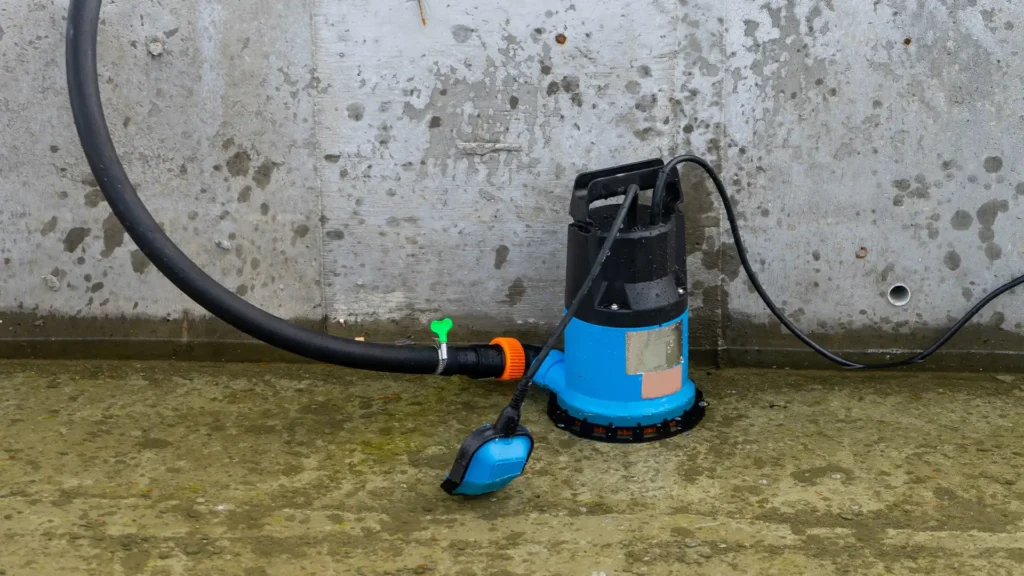
A submersible hydraulic pump is a specialized piece of equipment designed to move water from one place to another. Unlike traditional pumps that sit above the water surface, these pumps are meant to be fully submerged in the liquid they're pumping. This unique design allows them to operate efficiently in various challenging environments.
The hydraulic pump works by using hydraulic power to drive an impeller, which then moves water through the pump and out through a discharge hose. This system is highly efficient, as it doesn't rely on electricity or fuel at the pump site itself. Instead, the hydraulic power is typically supplied by a separate power unit, which can be located at a safe distance from the water.
Benefits of Choosing a Hydraulic Submersible Pump
When it comes to dewatering operations, hydraulic submersible pumps offer several key advantages:
- Efficiency: These pumps are known for their high efficiency in moving large volumes of water quickly. They can handle both clean water and water-containing solids, making them versatile for various applications.
- Portability: Submersible hydraulic pumps are often compact and lightweight, making them easy to transport and deploy in different locations. This portability is especially valuable in construction or emergency response scenarios where equipment needs to be moved frequently.
- Versatility: These pumps can be used in a wide range of situations, from construction site dewatering to flood control and even some specialized industrial processes. Their ability to handle different types of liquids and operate in various environments makes them a versatile choice.
- Safety: Because the pump itself doesn't require electricity to operate, it can be safely used in wet environments without the risk of electrical hazards. This makes hydraulic submersible pumps an excellent choice for flood response and other water-heavy scenarios.
- Durability: These pumps are built to withstand harsh conditions. They can often handle abrasive materials and continue to operate effectively even when submerged for extended periods.
Applications of Hydraulic Submersible Pumps
Submersible pumps find use in a variety of industries and scenarios:
- Construction: These pumps are invaluable on construction sites for removing groundwater or rainwater that accumulates in excavations or foundations. They help keep work areas dry and safe for workers and equipment.
- Mining: In mining operations, submersible hydraulic pumps remove water from mine shafts and open-pit mines, allowing for continued mineral extraction.
- Municipal Works: Cities and towns use these pumps for flood control, sewer maintenance, and other water management tasks.
- Agriculture: Farmers may use submersible pumps for irrigation, particularly in areas where water needs to be moved from lower to higher ground.
Emergency Response: During floods or other natural disasters, these pumps play a crucial role in removing water from affected areas quickly and efficiently.
Comparing Hydraulic Submersible Pumps to Other Options
When considering dewatering solutions, it's important to understand how submersible pumps compare to other types of pumps:
| Feature | Hydraulic Submersible Pump | Electric Submersible Pump | Surface-Mounted Pump |
| Power Source | Hydraulic | Electricity | Various (Electric, Gas, Diesel) |
| Submersibility | Fully submersible | Fully submersible | Not submersible |
| Portability | High | Moderate | Low to Moderate |
| Efficiency | High | Moderate to High | Moderate |
| Safety in Wet Environments | High | Moderate (requires precautions) | Low |
| Handling of Solids | Good | Varies | Limited |
Submersible hydraulic pumps offer a unique combination of benefits that make them particularly well-suited for many dewatering applications.
Factors to Consider When Choosing a Submersible Pump Hydraulic
When selecting a hydraulic submersible pump for your dewatering needs, several factors should be taken into account:
- Flow Rate: This refers to the volume of water the pump can move in a given time period. Choose a pump with a flow rate that matches your specific needs.
- Head: The head is the maximum height to which the pump can lift water. Consider the vertical distance the water needs to be moved in your application.
- Power Requirements: Ensure that you have a hydraulic power unit capable of supplying the necessary power to run the pump effectively.
- Size and Weight: Consider the physical dimensions and weight of the pump, especially if it needs to be frequently moved or used in confined spaces.
- Material Handling: If the water you're pumping contains solids or abrasive materials, choose a pump designed to handle these without damage.
- Durability: Look for pumps made from high-quality materials that can withstand the specific conditions of your work environment.
- Maintenance Requirements: Consider the ease of maintenance and availability of spare parts when selecting your pump.
Maintenance Tips for Submersible Hydraulic Pumps
To ensure the longevity and efficient operation of your submersible hydraulic pump, regular maintenance is essential. Here are some key maintenance tips:
- Regular Inspections: Conduct visual inspections of the pump before and after each use. Look for signs of wear, damage, or leaks.
- Clean After Use: Always clean the pump thoroughly after use, especially if it has been exposed to dirty water or abrasive materials.
- Check Seals and Gaskets: Regularly inspect and replace seals and gaskets as needed to prevent leaks and maintain efficiency.
- Monitor Hydraulic Fluid: Keep an eye on the hydraulic fluid levels and quality. Change the fluid as recommended by the manufacturer.
- Proper Storage: When not in use, store the pump in a clean, dry place to prevent corrosion and damage.
- Professional Servicing: Have the pump professionally serviced at regular intervals as recommended by the manufacturer.
By following these maintenance practices, you can significantly extend the life of your submersible hydraulic pump and ensure it performs optimally when you need it most.

Conclusion
Choosing a hydraulic submersible pump for your dewatering needs offers numerous benefits. These versatile devices provide efficient, safe, and reliable water removal in a wide range of applications. From construction sites to emergency flood response, hydraulic submersible pumps have proven their worth time and time again.
Their ability to handle challenging environments, coupled with their portability and efficiency, makes them an excellent choice for many industries. Whether you're dealing with a flooded basement, a waterlogged construction site, or a large-scale dewatering project, a hydraulic submersible pump can provide the solution you need.
By understanding the benefits, applications, and maintenance requirements of these pumps, you can make an informed decision about incorporating them into your operations. With the right hydraulic submersible pump, you'll be well-equipped to handle whatever water challenges come your way.
Remember, effective water management is crucial in many industries, and having the right tools can make all the difference. Consider a submersible hydraulic pump for your next dewatering project and experience the benefits firsthand.