- What Is a Slurry Pump Wet End and Why Does It Wear Out?
- What Causes Wet-End Wear in Abrasive Slurry Applications?
- How Particle Size, Slurry Concentration, and Flow Rate Accelerate Wear
- Which Warning Signs Mean Your Wet End Needs Inspection or Replacement?
- Average Wet-End Lifespan
- Impeller, Volute, and Liner Wear Patterns
- How to Extend Wet-End Life
- Wet-End Inspection Checklist
- Managing Wear to Keep DAE Pump Performance Stable
- Frequently Asked Questions About Slurry Pump Wet-End Replacement
Slurry pump wet-end replacement becomes part of your operation whether you plan for it or not. The wet end handles the harshest conditions inside a slurry pump, where abrasive slurry moves at high velocity and constantly attacks critical pump wear parts like the impeller, volute, and liners. Over time, that wear changes how the pump performs. Flow drops, efficiency slips, and the risk of unexpected downtime increases.
If you want stable performance, you need to understand how and why wet-end wear happens, and how it connects to your slurry pump maintenance schedule. Operating conditions like particle size, slurry concentration, flow rate, and chemical exposure all shape how quickly components degrade. When you stay ahead of wear instead of reacting to it, slurry pump wet-end replacement becomes predictable, controlled, and far less disruptive.
For DAE Pumps users, that matters because slurry work is rarely gentle. Whether the application involves dredging, dewatering, mining slurry, wastewater solids, or abrasive industrial pumping, the question is not whether wear will happen. The question is how well you manage it before it turns into lost output, unstable pump performance, or unplanned repair work.
What Is a Slurry Pump Wet End and Why Does It Wear Out?
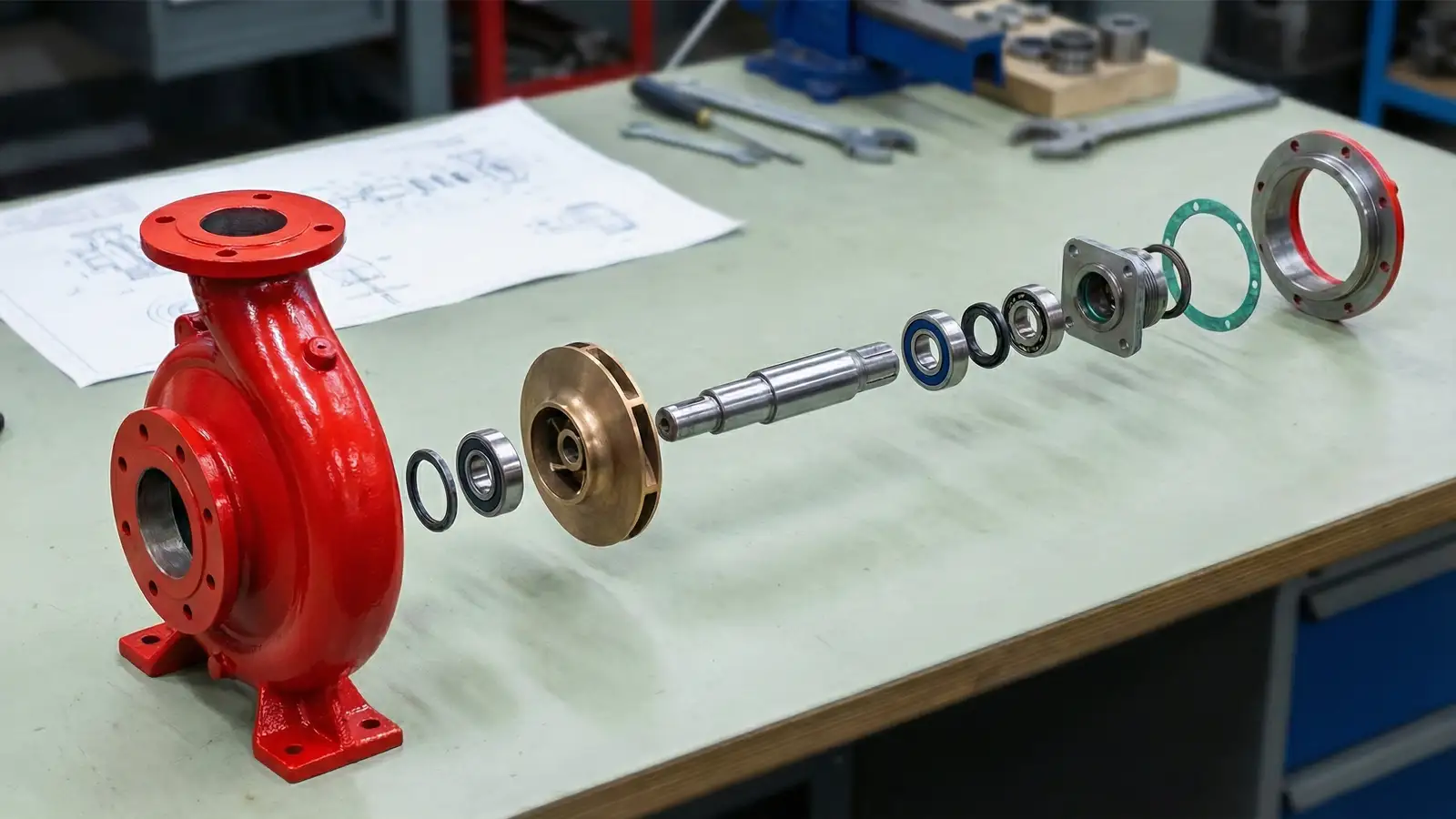
The wet end is where a slurry pump does its real work. It is the internal section that handles the movement of slurry and takes direct exposure to everything moving through the system. When you plan for slurry pump wet-end replacement, you are focusing on the parts that wear down first and affect pump performance the most.
Inside this section, a few components carry most of the load:
- Impeller — transfers energy to move the slurry
- Volute — guides flow and helps convert velocity into pressure
- Liners — protect the casing from direct wear and absorb much of the damage by design
These pump wear parts operate under constant stress. Abrasive slurry does not simply pass through the pump. Solids scrape, strike, and gradually remove material from surfaces. That process never fully stops, which is why a slurry pump maintenance schedule has to stay consistent.
Normal wear happens slowly and predictably when operating conditions stay stable. You can track it, plan for it, and schedule slurry pump wet-end replacement without major disruption.
Accelerated wear is different. It shows up when conditions move outside a healthy operating range. Higher slurry concentration, larger particle size, unstable flow, corrosive fluid, or excessive head can speed wear dramatically. Components lose material faster, clearances change sooner, and efficiency falls before many operators expect it.
Wear itself is not the problem. Wear is part of slurry pumping. The real issue is how fast it happens, and whether you stay in control of it.

What Causes Wet-End Wear in Abrasive Slurry Applications?
Wet-end wear is usually driven by three forces working together: abrasion, corrosion, and impact. Strong slurry pump maintenance starts by understanding how each one affects the impeller, volute, and liners.
Abrasion: The Primary Driver
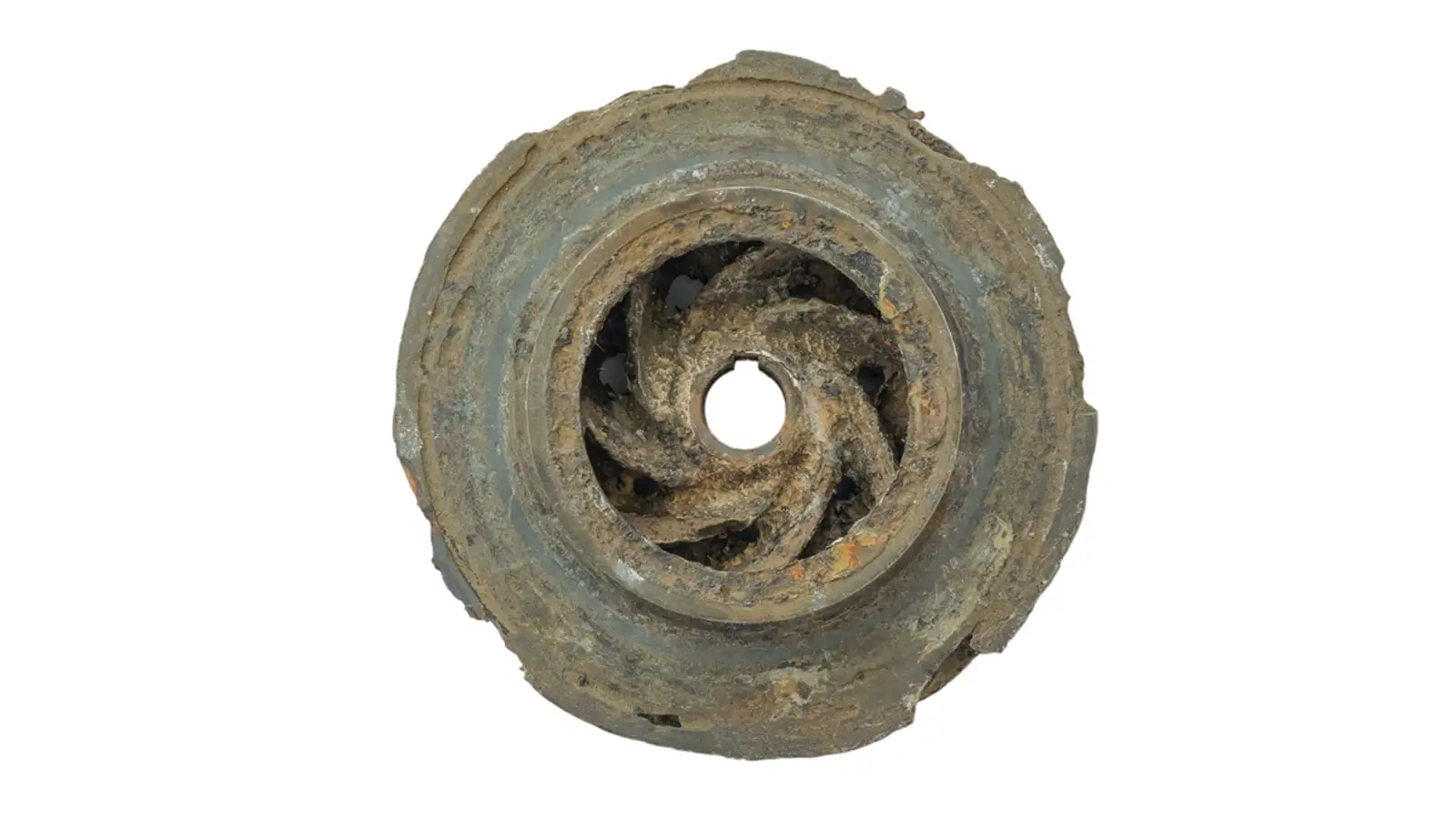
Abrasive slurry carries solids that stay in constant contact with pump wear parts. Those particles slide, grind, and cut across surfaces, especially along the impeller, volute path, and liner faces. Over time, that continuous friction removes material layer by layer. Thickness drops, clearances change, and pump efficiency begins to slide. Metso’s slurry pump handbook notes that wet-end wear parts are always exposed to slurry and that erosion and abrasion behavior are strongly influenced by solids, material choice, and how the pump is operated.
Corrosion: Often Overlooked, Still Expensive
Not all slurry pump wear is mechanical. When the slurry contains reactive elements, corrosive fluid can weaken wet-end materials from within. Once surfaces lose strength, they become more vulnerable to abrasion and impact. Even smaller particles can do more damage when corrosion is already compromising the surface. This is one reason a slurry pump maintenance schedule has to account for the actual chemical profile of the fluid, not just solids content.
Impact and Turbulence: Where Damage Concentrates
As flow rate and head increase, particles move with more energy. Instead of only sliding across a surface, they strike with force. This creates localized damage, especially near high-impact zones around the impeller eye, leading edges, and parts of the volute path. Uneven flow and turbulence make this worse by concentrating wear instead of spreading it evenly. Industry guidance notes that erosion wear tends to rise when pumps operate away from their best efficiency region, which is one more reason poor operating conditions shorten wet-end life.
How Particle Size, Slurry Concentration, and Flow Rate Accelerate Wear
Wear inside a slurry pump does not increase randomly. It follows clear patterns driven by operating conditions, and once those conditions shift, the effect on pump wear parts becomes obvious.
Particle Size Changes How Surfaces Break Down
When particle size increases, each particle carries more mass and often hits harder. That makes impact damage more aggressive on the impeller and volute. Smaller particles behave differently. They may not strike as hard, but they stay in constant contact and create more grinding wear across liners and internal surfaces. Both conditions cause wear, but through different mechanisms.
Slurry Concentration Increases Contact Frequency
As slurry concentration rises, the number of particles moving through the wet end increases at every moment. More particles mean more collisions, more friction, and less recovery time between impacts. That increases wet-end wear rate across all major components. If your slurry pump maintenance schedule does not adapt to higher concentration levels, wear can move from manageable to excessive quickly.
Flow Rate and Head Increase Energy
When flow rate goes up, particle velocity increases. When head rises, the energy inside the system rises with it. Together, they turn movement into force. Particles do not just travel through the wet end. They strike with more intensity. This is where wear becomes concentrated, especially in high-energy flow zones, and where even a good slurry pump can lose efficiency faster than expected if it is pushed outside the proper operating range.
When these three factors combine under demanding operating conditions, wear accelerates fast. Control them well, and you slow the cycle. Let them drift, and slurry pump wet-end replacement comes sooner than planned.

Which Warning Signs Mean Your Wet End Needs Inspection or Replacement?
Wear rarely shows up all at once. It builds gradually, and your slurry pump usually gives clear signals before performance falls too far. If you catch these changes early, you can plan slurry pump wet-end replacement instead of reacting to failure.
Watch for these warning signs:
- a steady drop in pump efficiency under the same operating conditions
- higher power consumption without a matching increase in output
- irregular vibration that was not present before
- reduced flow rate at the same speed and settings
- visible wear on liners or along impeller edges
- more frequent adjustments needed to maintain performance
These signs point to worn pump wear parts inside the wet end. As surfaces degrade, flow becomes less stable, energy use rises, and the system moves farther away from its intended performance range. Ignore those early signals, and you usually trade a planned maintenance event for unplanned downtime.
Average Wet-End Lifespan
Wet-end lifespan depends on what the slurry pump handles and how the system is operated. In high-abrasion environments, where slurry contains dense, sharp, or aggressive solids, pump wear parts like the impeller, volute, and liners may last only weeks to a few months. Under more controlled operating conditions, with moderate slurry concentration, balanced head, and stable flow, those same components may last for several months or longer before wet-end replacement becomes necessary.
Poor slurry pump maintenance practices reduce wet-end life and often lead to earlier-than-expected replacement. In contrast, operations that follow a consistent slurry pump maintenance schedule and monitor wear rate closely usually see longer component life and more predictable service intervals.
The practical truth is simple: wet-end life is not fixed. It depends on how well the slurry pump matches the application, how stable the operating conditions are, and how quickly the team responds to wear.

Impeller, Volute, and Liner Wear Patterns
Not all wear inside a slurry pump appears the same way. Each wet-end component handles slurry differently, so the damage builds in different patterns. If you want slurry pump wet-end replacement to stay predictable, you need to evaluate each part on its own terms. Industry pump handbooks describe distinct wear zones for impellers, volutes, and liners rather than treating the wet end as one uniform wear surface.
Impeller Wear
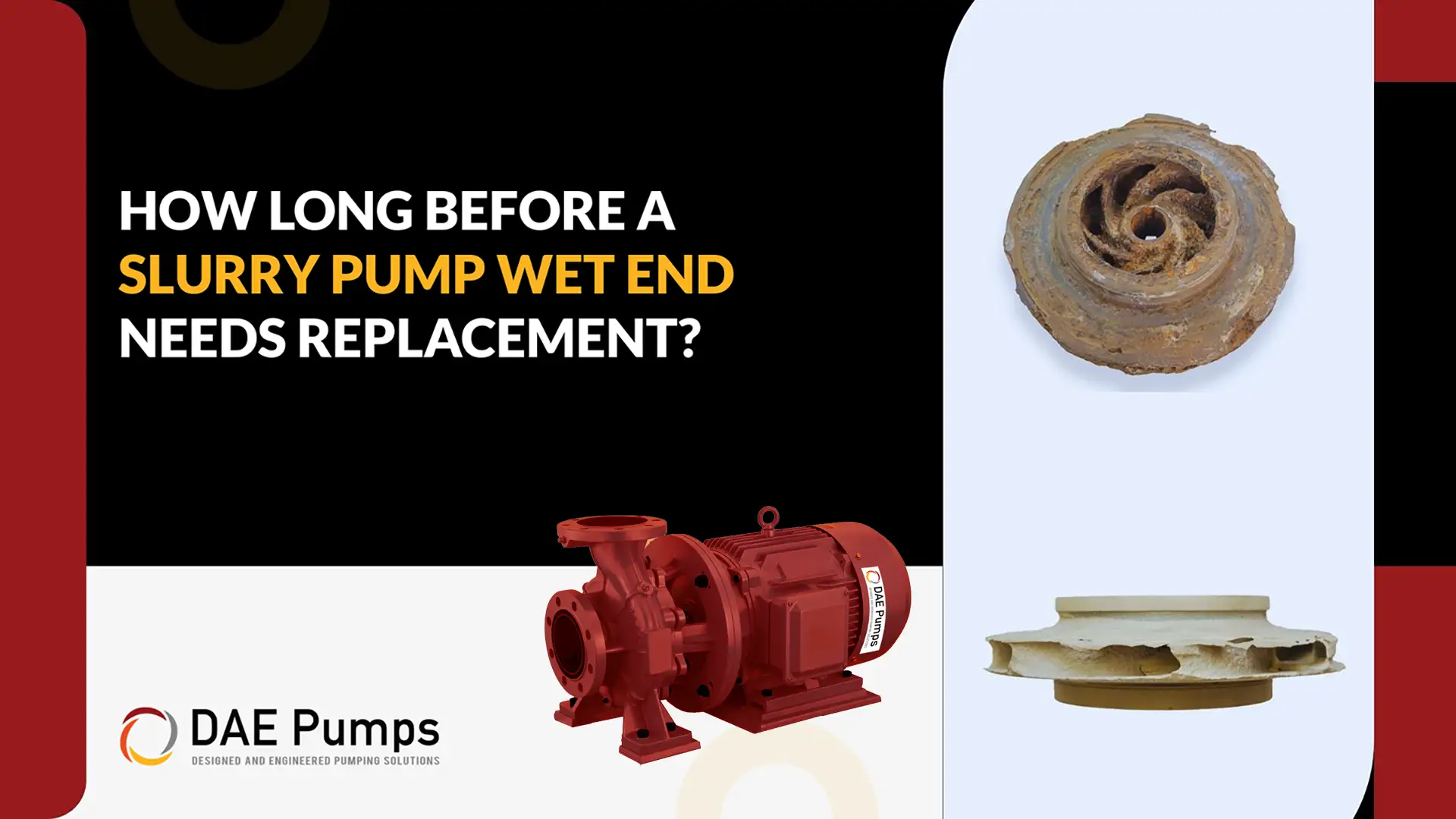
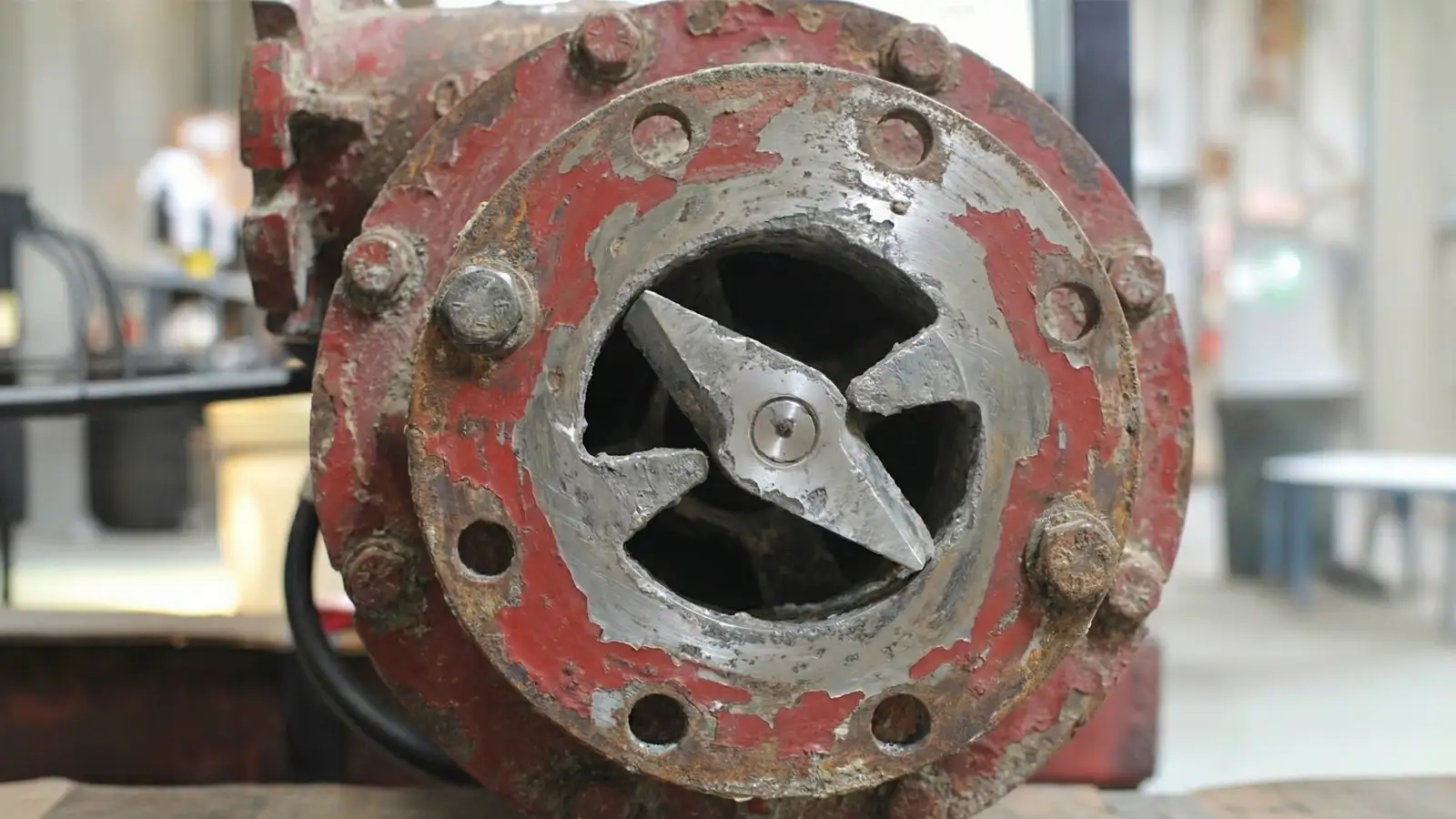
The impeller often shows wear first, and it rarely happens evenly. Leading edges and high-velocity zones take much of the initial punishment as slurry enters and changes direction. Over time, those edges lose shape and the impeller transfers less energy into the slurry. That lowers pump efficiency. Leave it too long, and imbalance can develop, which drives vibration and starts affecting more than one component.
Volute Wear
Volute wear is usually more concentrated. Damage often appears where flow direction changes, pressure shifts, or particles repeatedly impact the cutwater and nearby surfaces. As the volute thins, the issue moves from reduced efficiency to reduced structural confidence. In demanding slurry applications, that is not something to ignore.
Liner Wear
Liners are meant to wear. They take the punishment by design and protect the casing behind them. That also makes liner wear the easiest to manage when inspections stay consistent. The problem starts when liners wear too far and expose the underlying structure. Once that happens, damage can accelerate quickly and turn a routine maintenance event into a more urgent repair.
How to Extend Wet-End Life
Extending wet-end life comes down to control. You are managing how slurry moves through the system, how often solids strike surfaces, and how early you act on wear. When those variables stay stable, slurry pump wet-end replacement becomes predictable instead of disruptive.
Stay Within Operating Limits
Running a slurry pump outside its intended operating range accelerates wear quickly. Higher energy in the system means stronger particle impact and faster degradation of pump wear parts.
- Keep flow rate within the design range to avoid excess velocity
- Avoid pushing head beyond safe limits
- Watch for drops in pump efficiency as an early warning sign
- Correct unstable operation before it becomes a wear pattern
Control Slurry Conditions
What flows through the pump directly affects wear rate.
- Maintain consistent slurry concentration where possible
- Monitor changes in solids loading and particle profile
- Account for corrosive slurry, not just abrasive slurry
- Reassess maintenance frequency when the slurry changes
Match Materials to the Application
Material selection sets the baseline for wet-end durability.
- Use wear-resistant materials for high-abrasion service
- Choose corrosion-resistant options when the fluid is chemically aggressive
- Review material performance regularly instead of assuming the original choice is still right
Replace Liners at the Right Time
Liners are designed to wear first, but timing matters.
- Inspect for thinning, cracking, and surface damage
- Replace before the underlying structure is exposed
- Prevent liner wear from turning into casing or volute damage
Follow a Consistent Maintenance Schedule
A slurry pump maintenance schedule keeps wear visible and manageable.
- inspect key components at regular intervals
- track wear rate and compare findings over time
- adjust maintenance timing based on actual wear, not guesswork
- plan repairs before downtime makes the decision for you
Wet-End Inspection Checklist
Inspection works best when it is routine, not reactive. A structured check helps you spot early wear, manage wear rate, and plan slurry pump wet-end replacement before downtime becomes unavoidable.
Stage 1: Before You Start
Preparation sets the baseline.
- Shut down and isolate the slurry pump completely
- Make sure the system is depressurized and safe to access
- Clean internal surfaces so wear patterns are clearly visible
Stage 2: During Inspection
Focus on the condition of critical pump wear parts.
- Check impeller thickness and edge condition for material loss
- Examine volute surfaces for uneven wear, thinning, or concentrated impact zones
- Inspect liners for cracks, detachment, or excessive wear
- Look for signs of corrosion or pitting when handling corrosive slurry
- Measure internal clearances where performance loss may be developing
Stage 3: After Inspection
Inspection only matters if you act on it.
- Record wear patterns and component condition
- Compare findings with previous inspections to track progression
- Update the slurry pump maintenance schedule based on actual wear
- Plan part replacement before wear turns into pump instability or unplanned failure
Managing Wear to Keep DAE Pump Performance Stable
Slurry pump wet-end replacement is not something you eliminate. It is something you manage. Every DAE pump wet end operates under constant exposure to abrasive slurry, and wear will always follow. What separates efficient operations from reactive ones is how well that wear is understood, monitored, and controlled.
When you stay within healthy operating conditions, track wear across the impeller, volute, and liners, and follow a consistent slurry pump maintenance schedule, performance stays more stable and downtime becomes easier to plan. That is the real goal. Not magical zero wear. Predictable wear.
In the end, the objective is not to stretch wet-end life at all costs. It is to make wet-end life more predictable. When you understand how particle size, slurry concentration, flow rate, and corrosive conditions affect wear, you can act before small problems become expensive ones. That is how you protect pump efficiency, reduce unexpected failures, and keep slurry pump wet-end replacement aligned with your operation instead of working against it.
Frequently Asked Questions About Slurry Pump Wet-End Replacement
What causes wet-end wear?
Wet-end wear usually comes from a combination of abrasion, erosion, corrosion, and impact. Abrasive slurry grinds against pump wear parts like the impeller, volute, and liners, while corrosive slurry weakens materials over time. High flow rate, high head, and unstable operating conditions increase wear even faster.
How often should pump wet ends be inspected?
Inspection frequency depends on operating conditions, not on one universal calendar. Systems handling high slurry concentration, larger solids, corrosive slurry, or unstable loads usually need more frequent checks. The safest approach is to tie inspections to your slurry pump maintenance schedule and adjust the interval based on actual wear patterns.
What are the first signs that slurry pump wet-end replacement is needed?
Common early signs include a drop in pump efficiency, increased power consumption, reduced flow rate at the same settings, more vibration, and visible wear on liners or impeller edges. Catching these changes early allows you to plan wet-end replacement instead of reacting to failure.
Which wet-end components wear out fastest?
Liners often wear first because they are designed to absorb much of the damage. Impellers also wear quickly because they handle continuous slurry movement and high-energy contact. Volutes may wear more gradually, but they can develop concentrated damage in impact-heavy zones that becomes serious if ignored.
Can operating conditions reduce wet-end wear?
Yes. Keeping flow rate, head, and slurry concentration within design limits helps control wear rate. Stable operating conditions reduce turbulence, impact forces, and internal stress, which helps protect pump wear parts and maintain pump efficiency longer.
Why is a slurry pump maintenance schedule important?
A consistent slurry pump maintenance schedule keeps wear visible and predictable. It helps you track changes in component condition, plan replacements in advance, and avoid unplanned downtime. Without it, wear often progresses unnoticed until performance drops or failure forces the issue.