
Flooding is an ever-present risk that many homeowners and businesses face, especially with unpredictable weather patterns and rising water levels. Whether it's from heavy rainfall, poor drainage systems, or unexpected storms, water damage can cause serious harm to structures and create health hazards. Fortunately, there is a simple yet effective solution to mitigate the risk of flooding: installing a drainage pump.
A drainage pump is a powerful tool designed to manage excess water and prevent it from accumulating in areas where it could cause damage, like basements, yards, and crawl spaces. In this article, we’ll explore the top benefits of installing a drainage pump for flood prevention, along with the reasons why it's an investment that can save you time, money, and stress in the long run.
What is a Drainage Pump?
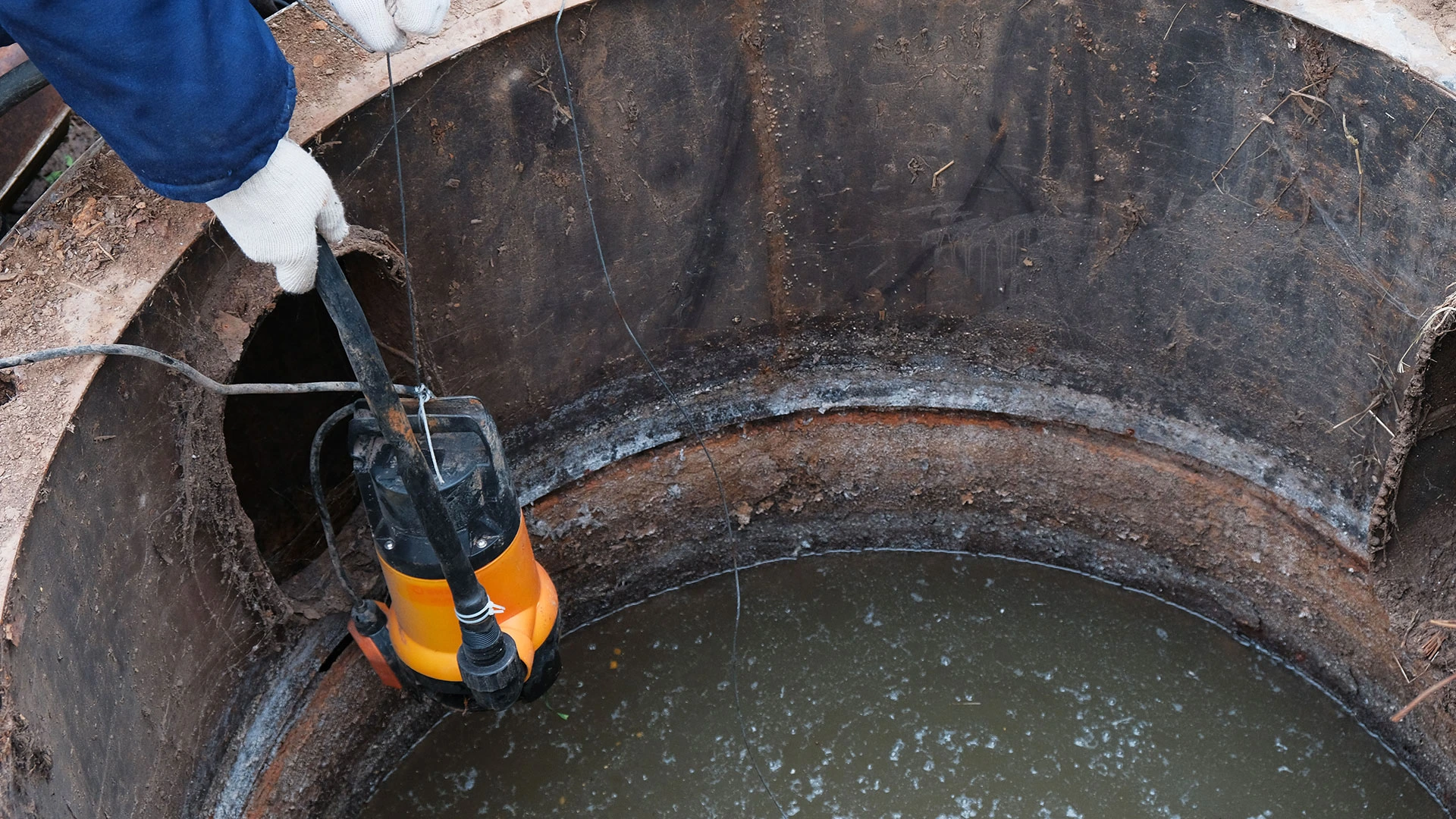
A drainage pump is a mechanical device designed to remove excess water from an area, helping to prevent flooding and water accumulation. It is instrumental in situations where water tends to gather, such as basements, crawl spaces, and outdoor areas prone to heavy rainfall or poor drainage.
What is a Drainage Pumping Station?
A drainage pumping station manages and controls water flow, particularly in flood-prone areas, by moving excess water to a safer location, such as a river or storm sewer system.

How a Drainage Pump Operates
- Water Detection: Most drainage pumps are equipped with a float switch or sensor that detects the water level. When water rises to a certain height, the float switch activates the pump.
- Water Intake: Once activated, the pump draws water into its intake. The intake usually has a screen to prevent debris from entering the pump and causing damage.
- Pumping Mechanism: The core of the pump consists of an impeller or diaphragm that moves the water. In a submersible pump, this mechanism operates underwater, while pedestal pumps have a motor above ground. The impeller spins, creating a centrifugal force that pushes water through the discharge pipe.
- Water Discharge: The water is expelled through a discharge pipe, directing it away from the area being drained. The discharge can lead to a drainage ditch, storm sewer, or other appropriate drainage system.
- Automatic Shut-off: Once the water level falls below a certain point, the float switch deactivates the pump, stopping the operation until the water rises again.
Types of Drainage Pumps
There are two types of drainage pumps. Each type is good for different jobs. Here are some common types:
- Submersible Pumps: Designed to operate while submerged in water, they are often more efficient and can handle larger volumes of water.
- Pedestal Pumps: These pumps have their motor located above ground, making them easier to access for maintenance but less efficient in deep water.
Applications
Drainage pumps are commonly used in:
- Basements: To prevent flooding and moisture buildup.
- Construction Sites: To keep foundations dry during excavation.
- Flood-Prone Areas: To manage excess stormwater.
- Agricultural Settings: For irrigation and water management.
By effectively removing water, drainage pumps help protect properties from damage, enhance safety, and maintain structural integrity.
Key Benefits of Installing a Drainage Pump
- Effective Flood Prevention: A drainage pump for water drainage works to remove excess water and prevent flooding.
- Protects Property and Reduces Risk: Drainage pumps minimize water damage to homes and belongings, thereby reducing repair costs and insurance claims.
- Increases Property Value: Explain how an efficient drainage system can enhance the marketability and value of a property.
- Safety Enhancement: Highlight the safety benefits of reducing standing water, which can lead to slips and mold growth.
- Soil and Landscape Protection: Describe how a drainage pumping station can prevent soil erosion and maintain landscaping integrity.
- Eco-Friendly Water Management: Discuss how drainage pumps contribute to sustainable water management practices and help reduce runoff.
Considerations for Installation
- Choosing the Right Pump: When selecting a pump for water drainage, consider factors like capacity, type, and brand.
- Installation Options: Compare professional installation vs. DIY. Provide basic steps for DIY installation if appropriate.
- Maintenance Best Practices: Tips for keeping the drainage pump in good working condition and troubleshooting common issues.
Maintenance Best Practices for Drainage Pumps
To ensure your drainage pump operates efficiently and lasts for many years, regular maintenance is essential. Here are some best practices to keep your drainage pump in top condition:
1. Regular Inspections
- Frequency: Conduct inspections at least twice a year and more frequently during heavy rain seasons.
- Check Components: Look for signs of wear on the pump, float switch, and discharge pipe. Ensure that the intake screen is clear of debris.
2. Clean the Pump and Surrounding Area
- Debris Removal: Regularly clean the area around the pump to prevent dirt, leaves, and other materials from clogging the system.
- Pump Cleaning: Depending on the model, disassemble the pump as recommended by the manufacturer and clean it thoroughly to prevent buildup.
3. Test the Float Switch
- Operational Check: Manually lift the float switch to ensure the pump activates. This ensures the float switch is functioning properly and will respond when needed.
4. Check Electrical Connections
- Inspect Cables: Regularly check power cords and connections for signs of fraying, wear, or corrosion.
- Test GFCI: If your pump is connected to a Ground Fault Circuit Interrupter (GFCI), test the outlet periodically to ensure it is functioning.
5. Monitor Performance
- Listen for Unusual Sounds: Pay attention to any unusual noises during operation, which may indicate a mechanical issue.
- Watch Water Levels: Ensure the pump is effectively removing water. If you notice water accumulation, it may indicate a problem.
6. Winterization
- Drain the Pump: Before the winter season, make sure to drain the pump to prevent freezing damage.
- Disconnect Power: If applicable, unplug the pump or turn off the circuit to prevent accidental activation during winter.
7. Schedule Professional Maintenance
- Annual Check-up: Consider having a professional inspect and service your pump at least once a year. They can perform a thorough examination and address issues you may overlook.
8. Keep Documentation
- Record Maintenance Activities: Maintain a log of all inspections, cleanings, and repairs. This documentation can help identify recurring issues and assist professionals during servicing.
Conclusion
A drainage pump is a vital investment to protect your home from water damage. Proper maintenance ensures it operates efficiently and prolongs its lifespan. Whether you're in a flood-prone area or looking to safeguard your property from heavy storms, installing a drainage pump is a smart decision for peace of mind.