
Material handling in industrial settings is one of the most crucial aspects of maintaining operational efficiency, and the use of specialized equipment plays a significant role in ensuring this. One such critical tool in material handling is the sand pump, which has become indispensable in industries that require the transfer of heavy, abrasive materials. Whether it’s in construction, mining, or dredging operations, sand pumps provide the efficiency and durability needed to handle challenging environments.
In this blog, we will explore the fundamental importance of sand pumps, how they differ from other pumping solutions, their applications across various industries, and best practices for optimizing their performance. By understanding the ins and outs of sand pumps and sand pumping, industries can ensure they are utilizing the best solutions for their material handling needs.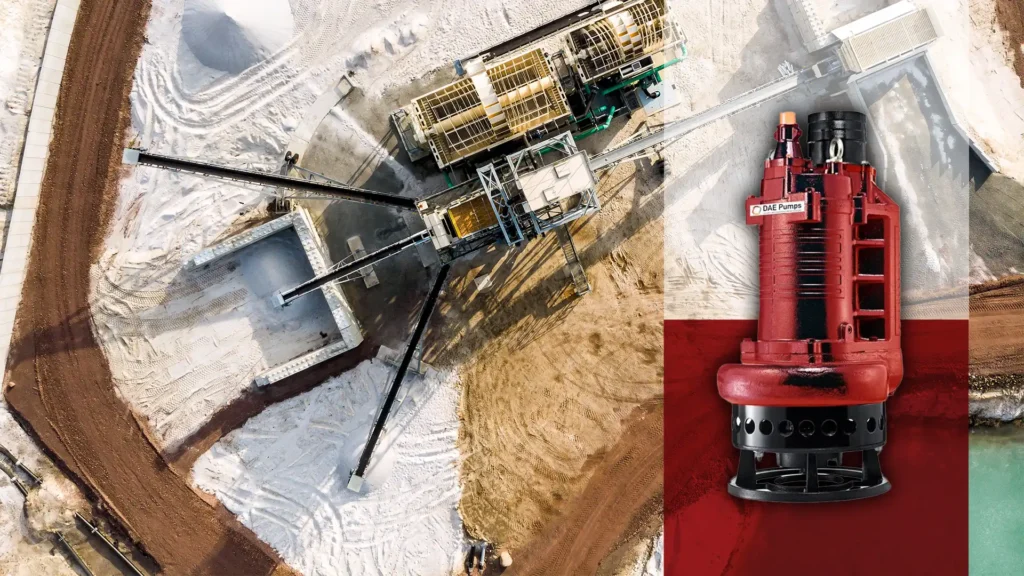
What is a Sand Pump?
A sand pump is a specialized type of pump designed specifically to transport a mixture of sand and water or any slurry consisting of abrasive materials from one location to another. Given the abrasive nature of sand and similar materials, these pumps are built with durability in mind. Sand pumps are commonly used in environments where other types of pumps wear down quickly due to the rough materials being pumped. Efficient sand pumping ensures that heavy materials can be transported over long distances without significant wear on equipment.
Key Components of a Sand Pump
Sand pumps consist of several critical components that contribute to their ability to move abrasive materials efficiently:
- Impeller: The impeller is the core part of the pump that moves the slurry. It is designed with abrasion-resistant materials to handle the tough environment created by the sand.
- Casing: The pump casing houses the impeller and other internal components, protecting them from external elements and helping to direct the flow of slurry.
- Shaft Seal: Given the abrasive nature of sand, shaft seals in sand pumps are designed to prevent leakage while withstanding wear and tear from the material being pumped.
- Suction and Discharge Ports: The suction port pulls the slurry into the sand pump while the discharge port expels it to its destination.
Sand Pumps vs. Other Slurry Pumps
While sand pumps are a subset of slurry pumps, they differ significantly from standard slurry pumps in their ability to handle highly abrasive materials. Where slurry pumps may be used for less aggressive fluids, sand pumps are designed to tackle the toughest environments, making them essential in operations where heavy-duty material transfer is necessary. The durability and design of sand pumps ensure they last longer in abrasive conditions compared to general-purpose slurry pumps, which might require frequent repairs or replacements. Additionally, sand pumping is more efficient for moving large quantities of materials.


Applications of Sand Pumping in Various Industries
Sand pumps’ versatility allows them to be employed in several key industries. Their ability to move abrasive materials efficiently makes them crucial in operations in sectors where material handling is a significant part of daily activities. In these industries, sand pumping becomes an integral part of the overall process, improving efficiency and reducing operational costs.
Sand Pumping in Dredging Operations
Dredging is one of the primary industries in which sand pumps are heavily utilized. These pumps play a critical role in land reclamation, beach restoration, and the construction of artificial islands. By pumping sand and sediments from the seabed, sand pumps help create new land or restore coastlines that have eroded over time.
Sand pumps are efficient at moving large quantities of sand from underwater locations to the shore or barges, making them a preferred choice in dredging operations. Additionally, their ability to handle the abrasive nature of sand and debris in marine environments ensures their longevity and cost-effectiveness. The ability to maintain consistent sand pumping over long distances is key to the success of many dredging projects.
Sand Pumps in Construction and Mining
In the construction industry, sand pumping is widely used to transport materials such as sand, gravel, and other aggregates required for building projects. In large-scale construction operations, the movement of these materials is essential to ensure that projects stay on schedule. Sand pumps allow for efficient transport of materials from one site to another, reducing the need for manual labor and increasing overall productivity.
Mining presents another set of challenges where sand pumping excels. In mining operations, these pumps move slurry that contains ore, sand, and other minerals. The abrasiveness of the materials used in mining makes sand pumps an ideal solution due to their durability and resistance to wear. Their efficiency in moving large volumes of material is critical in keeping mining operations running smoothly.
Examples of Industries Benefiting from Sand Pumping Technology
- Oil and Gas: Sand pumps remove sand and debris from drilling operations, ensuring smoother processes and equipment longevity. Sand pumping helps remove sediment buildup that can otherwise affect drilling performance.
- Water Treatment: These pumps are employed to move grit and sediment from water treatment facilities, enhancing filtration processes and system efficiency. Sand pumping is essential in ensuring that waste is properly removed and treated.
- Agriculture: Sand pumping helps manage sediment buildup in irrigation systems, maintaining the flow of water to crops without interruption.
Grit Pump vs. Sand Pump: Understanding the Differences
While sand pumps are designed for heavy material handling, grit pumps are designed for a more specific application—grit removal. Grit pumps are mainly used in water treatment facilities to remove fine particles such as sand, gravel, and other solid waste from wastewater.
Grit Pumps and Their Purpose
A grit pump is designed to handle finer particles and is usually employed in systems where separating these particles is crucial for the overall operation of the plant. In wastewater treatment, a grit pump ensures that solid particles do not settle in tanks or damage equipment downstream.
Comparing Sand Pumps and Grit Pumps
Though both sand pumps and grit pumps handle solid materials, their environments and the types of materials they handle differ. Sand pumps are used in environments where large quantities of heavy, abrasive materials need to be moved quickly. On the other hand, a grit pump deals with smaller, finer particles. It is used in applications where precision and the removal of these fine particles are crucial, such as wastewater treatment.
When to Use a Grit Pump Over a Sand Pump
If the primary concern is the removal of smaller, lighter materials—such as those found in wastewater treatment plants—a grit pump is a more appropriate choice. In situations where large, heavy materials like sand, gravel, or ore need to be moved, a sand pump is the better solution. Understanding the specific material and application is critical in choosing the right pump for the job. In situations requiring large-scale sand pumping, the choice of a sand pump becomes more apparent.

Grit Removal Pumps in Wastewater Treatment
Wastewater treatment plants rely on grit removal pumps to effectively remove solid particles such as sand, gravel, and other debris from the water before further processing. These pumps are essential in prolonging the life of treatment systems and preventing the accumulation of abrasive materials that can damage equipment.
Protecting Wastewater Treatment Systems with Grit Removal Pumps
Grit removal pumps protect the critical components of wastewater treatment systems by removing the debris that can settle and cause clogs or damage. These pumps are often placed at the beginning of the treatment process to remove solids before the water moves through the system. By doing so, grit removal pumps prevent buildup in tanks, filters, and pipes, ensuring that the entire system operates more efficiently.
Benefits of Using Grit Removal Pumps
The primary benefit of using grit removal pumps in wastewater treatment is extending the system’s lifespan. By preventing the accumulation of abrasive materials, these pumps reduce the need for frequent maintenance and repairs. In addition to cost savings, grit removal pumps also improve the overall efficiency of the treatment process by ensuring that the water flows smoothly through the system without interruptions.
Case Studies of Effective Grit Removal Solutions
Many industrial and municipal wastewater treatment plants have successfully implemented grit removal pumps as part of their treatment process. In one case, a large municipal wastewater plant saw a 30% reduction in maintenance costs after installing grit removal pumps. By removing grit at an early stage, the plant prevented clogs and wear on downstream equipment, allowing the system to operate more efficiently and for longer periods without downtime.

Choosing the Right Sand Pump for Your Operation
Selecting the right sand pump for your operation is critical for ensuring efficiency and longevity. Several factors should be considered when choosing a pump, including its material, size, power, and the environment in which it will be used.
Factors to Consider When Selecting a Sand Pump
- Abrasion Resistance: The primary concern when dealing with sand is abrasion. The sand pump must be made of materials that can withstand the abrasive nature of the materials being moved. Look for pumps that use hardened steel or specialized coatings to extend their life.
- Flow Rate: Consider the amount of material that needs to be moved per hour. The pump’s flow rate will determine how quickly and efficiently it can move material. Make sure to choose a sand pump with a flow rate that meets your operational needs.
- Pump Size: Larger pumps can move more material but may require more energy to operate. Balance the size of the sand pump with the scale of your operation and the power available on-site.
Pump Size and Power Impact on Performance
Pump size and power are closely related, and both significantly impact the overall performance of the sand pump. A larger, more powerful pump can move material faster but will consume more energy. In contrast, a smaller pump may be more energy-efficient but may not meet the needs of large-scale operations. Selecting a pump that balances power and performance is essential for optimizing productivity.
Optimizing Sand Pump Performance in Challenging Environments
Sand pumping often works in challenging environments where harsh weather, abrasive materials, and difficult terrain can impact performance. To optimize performance, ensure that your sand pump is equipped with wear-resistant components, has the appropriate power for the task, and is regularly maintained to prevent breakdowns.
The Importance of Regular Maintenance for Sand and Grit Pumps
Regular maintenance is crucial to the long-term success of both sand pumps and grit pumps. Given the abrasive materials these pumps handle, they are prone to wear and tear, making routine inspections and maintenance essential.
Best Practices for Maintaining Sand and Grit Pumps
- Inspect Seals and Bearings: Due to the abrasive materials they encounter, the seals and bearings of a sand pump or grit pump are most susceptible to wear. Regularly inspect these parts to prevent leaks and breakdowns.
- Monitor Impeller Condition: The impeller is one of a pump’s most critical components. Inspect the impeller for signs of wear or damage and replace it if necessary to ensure the pump continues to function effectively.
- Check for Blockages: Regularly check the pump for any blockages that might impede performance. Clear debris as necessary to keep the sand pumping system running smoothly.
Spotting Early Signs of Wear and Tear
Spotting early signs of wear can help prevent costly repairs down the road. Common signs include decreased sand pumping performance, unusual noises, or increased energy consumption. If any of these issues are detected, it’s important to address them immediately to prevent further damage.
Predictive Maintenance Strategies
Predictive maintenance involves monitoring the performance of the sand pump or grit pump using sensors and diagnostic tools to identify potential issues before they cause a breakdown. By adopting predictive maintenance strategies, operators can reduce downtime, extend the life of their pumps, and improve overall efficiency.

Future Innovations in Sand Pump Technology
Innovations in materials, design, and technology are shaping the future of sand pumps. Emerging trends focus on making pumps more durable, efficient, and easy to maintain.
Emerging Trends in Sand and Grit Pump Design
One trend in pump design is the use of more advanced materials, such as composites and alloys, which are more resistant to wear and corrosion. These materials extend the life of the pump, reducing the need for frequent maintenance and replacements.
Automation and IoT in Pump Operations
The integration of automation and Internet of Things (IoT) technology is revolutionizing the way sand pumps operate. Automated systems can monitor sand pumping performance in real time, adjusting flow rates and power usage to optimize efficiency. IoT-enabled pumps can send data to operators, alerting them to potential issues and allowing for more proactive maintenance strategies.
The Impact of Advanced Materials on Durability and Performance
Advanced materials such as ceramic coatings and superalloys are making sand pumps more durable and resistant to the harsh conditions often encountered in industrial settings. These materials help reduce wear on critical components, improving pump performance and extending the operational life of the pump.
Conclusion
Sand pumps and grit removal pumps are essential tools for material handling in industrial settings. Their ability to efficiently move abrasive materials like sand, gravel, and grit makes them invaluable in industries such as construction, mining, dredging, and wastewater treatment.
Selecting the right sand pump, maintaining it properly, and staying ahead of technological advancements are key to ensuring that these pumps perform effectively over the long term. By harnessing the power of sand pumps and grit removal pumps, industries can optimize their material handling processes, improve operational efficiency, and reduce costs associated with maintenance and downtime.