
- Introduction to Dewatering Pumping
- The Impact of Water on Construction Sites
- Overview of Dewatering Pumps for Construction
- Focus on Submersible Dewatering Pumps
- Application Scenarios for Dewatering Pumps in Construction
- Selecting the Optimal Dewatering Pumps for Construction
- Maintaining Peak Performance of Dewatering Pumps for Construction
- Technological Advances in Dewatering Pumps for Construction
- Conclusion
- FAQ
Introduction to Dewatering Pumping
Water is key to success and safety in construction. With extensive experience in pump manufacturing, we provide reliable and technically advanced solutions you can trust. Dewatering pumps are used in many industries, including construction, mining, agriculture, and for handling clean water, for dewatering. Industrial dewatering pumps have become a must-have tool for on-site water management and efficiency, as they are built for durability and are capable of withstanding challenging conditions. This blog looks at dewatering in construction, submersible pump types, applications, selection criteria, installation, maintenance, and technology for dewatering.

The Impact of Water on Construction Sites
How Water Accumulation Affects Construction Progress
Construction dewatering is essential to manage excess water on construction sites, which can cause severe delays and additional costs. Standing water can halt construction activities, lead to unstable ground conditions, and create an unsafe working environment. Managing water efficiently is crucial to maintaining project timelines and budgets in regions prone to heavy rainfall or high underground water levels. Prolonged exposure to water can weaken the soil in a flooded area, leading to foundation settling and increased difficulty in machinery movement. The dewatering process is essential to mitigate these issues and ensure smooth operations.
Safety and Structural Concerns Due to Excess Water
Excess water on construction sites poses significant safety and structural risks. Slippery surfaces increase the likelihood of accidents, while waterlogged soil can undermine the stability of temporary structures, scaffolding, and heavy machinery. Water infiltration into building foundations can cause long-term structural damage, necessitating costly repairs and jeopardizing the project’s integrity. The presence of water (or worse, oil or minerals) can also lead to mold growth and other moisture-related issues, further complicating construction efforts. Dewatering pumping helps prevent these hazards and maintains a safe working environment.
The Necessity of Dewatering in Different Types of Construction Projects
Dewatering is indispensable across various construction sites and projects, including building foundations, road construction, and tunneling. Wellpoint dewatering is particularly effective in lowering the groundwater level, especially in large construction areas. Each type of project presents unique challenges related to water table management, and the way dewatering is achieved can vary depending on site conditions and project needs. Effective dewatering pumping ensures a stable working environment, supports structural integrity, and facilitates smooth project progression. For instance, in tunneling projects, managing groundwater (and other liquids) is critical to prevent flooding and ensure the safety of workers and equipment. Dewatering pumping plays a vital role for various industries in achieving these objectives and is integral to processes such as construction, mining, and agriculture. Selecting the best dewatering method based on specific project requirements is crucial to address factors such as soil type, budget, and the amount of water to be removed.

Overview of Dewatering Pumps for Construction
Definition and General Purpose of Dewatering Pumps for Construction
Dewatering pumps for construction are essential tools designed to remove water in large volumes from construction sites, excavation areas, and other locations where water accumulation poses a problem. These pumps offer a simple dewatering method to maintain dry and safe conditions, allowing construction activities to proceed without interruptions. They are engineered to handle various water sources, often with strong suction lift, including underground water, wastewater, rainwater, and surface water. Dewatering pumping is essential to remove unwanted water management on construction sites.
Different Categories of Dewatering Pumps for Construction
Submersible Dewatering Pump
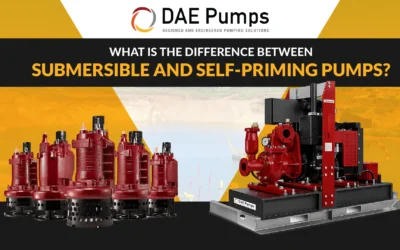
A submersible dewatering pump is highly efficient and versatile, designed to operate while fully submerged in water. These pumps are commonly used for removing water and slurry from deep excavations, basements, and trenches. Their ability to function underwater makes them ideal for challenging construction environments. Submersible pumps are equipped with sealed motors to prevent water ingress and are available in various capacities to meet different site requirements, such as discharge points and water table issues.
Trash Pump
Trash pumps are robust dewatering solutions capable of handling water with high solids content, such as debris and sludge. They are widely used in construction sites where water is contaminated with soil, rocks, and other particulate matter. Trash pumps ensure efficient water removal without clogging or damage. These portable pumps can be easily relocated to address changing site conditions. Cheap ones can be easy to find.
Wellpoint Dewatering Systems
These systems are sophisticated setups that use a series of wellpoints connected to a vacuum pump, forming an effective system. These systems are particularly effective in lowering the underground water level in large construction areas. Wellpoint pump systems are often employed in projects requiring extensive excavation, such as foundation work and underground utilities. The system creates a vacuum that draws water out of the soil, reducing hydrostatic pressure and stabilizing the ground.

Focus on Submersible Dewatering Pumps
Detailed Description and Functionality
A submersible dewatering pump is engineered to operate submerged in water, offering exceptional performance in removing water from flooded areas. These pumps feature a sealed motor and impeller, preventing water ingress and ensuring reliable operation even in harsh conditions. Submersible dewatering pumps are available in various capacities and designs, catering to diverse construction needs. Their compact size allows for easy installation in confined spaces, making them suitable for multiple applications.
Advantages Specific to Submersible Dewatering Pumps
Submersible dewatering pump models offer several advantages over other types of dewatering pumps for construction. Their compact design and underwater operation eliminate the need for priming, reducing setup time and labor costs. Additionally, submersible dewatering pumps operate quietly and efficiently, minimizing disturbances on construction sites. Their ability to handle high water volumes and lift heights makes them suitable for various applications. Submersible dewatering pumps are less prone to air locking and can handle clean and slightly contaminated water.
Comparing Submersible Dewatering Pumps with Other Types of Dewatering Pumps for Construction
Compared to wellpoint or trash pumps and systems, submersible dewatering pumps stand out for their ease of use, versatility, and efficiency. While trash pumps are ideal for handling water with debris, submersible dewatering pumps excel in scenarios where clean or slightly contaminated water needs to be removed quickly. Additionally, it is crucial for dewatering pumps to be wear-resistant due to the presence of sand in surface water, which can damage or block the pump. Wellpoint systems, on the other hand, are more complex and suited for large-scale underground water control, whereas submersible dewatering pumps provide a straightforward solution for immediate water removal. Submersible dewatering pumps also tend to be more energy-efficient, reducing operational costs over time.

Application Scenarios for Dewatering Pumps in Construction
Case Studies of Dewatering Pumps for Construction in Action
Building Foundations
Dewatering pumps are essential for maintaining dry excavation sites in construction involving building foundations. Submersible dewatering pumps (and often sumps)are often deployed to remove groundwater and rainwater, ensuring stable soil conditions and preventing delays. For instance, during the construction of a high-rise building, submersible dewatering pumps efficiently managed water infiltration, allowing uninterrupted progress. Using submersible dewatering pumps also minimized the risk of soil erosion and foundation settlement.
Road Construction
Road construction projects frequently encounter challenges related to water accumulation in trenches and excavation areas. Trash and submersible dewatering pumps commonly remove water from these sites, ensuring proper soil compaction and preventing erosion. A notable example is the construction of a major highway, where dewatering pumps played a crucial role in maintaining dry conditions for paving and grading. Effective water management also ensured the stability of the roadbed and prevented delays caused by waterlogged conditions.
Tunneling Projects
Tunneling projects require effective water management to ensure safe and efficient operations. Wellpoint setup and submersible pumps are often employed to control underground water levels and prevent flooding in tunnel excavation areas. During the construction of a subway system, a combination of wellpoint and submersible dewatering pumps successfully managed water ingress, facilitating smooth tunnel boring and construction. Proper dewatering pumping also reduced the risk of structural collapse and ensured the safety of workers and equipment.
Lessons Learned and Best Practices
These case studies show that choosing suitable dewatering pumps for construction is essential for project success. Site conditions, water volume, and contamination levels must be considered. Regular maintenance and monitoring of dewatering pumps also ensure optimal performance and longevity. Implementing best practices, such as thorough site assessment and selecting pumps based on specific project requirements, can significantly enhance efficiency and safety.

Selecting the Optimal Dewatering Pumps for Construction
Criteria for Selecting the Best Construction Water Pump
Project Scale and Requirements
The scale and specific requirements of the construction project play a crucial role in selecting the appropriate dewatering pumps. Large-scale projects with extensive excavation areas may require a wellpoint setup or high-capacity submersible dewatering pumps to remove water. In contrast, smaller projects can benefit from compact and portable pump solutions. When selecting a construction water pump, it is essential to assess the volume of water to be removed, the depth of excavation, and the potential for water contamination.
Environmental Considerations
Environmental factors such as underground water levels, soil composition, and weather conditions must be considered when constructing dewatering pumps. Projects in regions with high groundwater tables may necessitate specific dewatering methods to effectively manage the underground water level, such as the wellpoint mechanism or setup. In contrast, areas prone to heavy rainfall may require robust submersible dewatering pumps to handle sudden water accumulation. Understanding the environmental conditions helps in selecting dewatering pumps for construction that can operate efficiently and sustainably in specific site scenarios.
Budget Constraints
Budget constraints also influence the selection of dewatering pumps for construction. It is essential to balance cost-effectiveness with performance and reliability. While submersible dewatering pumps offer a good balance of efficiency and affordability, a wellpoint setup may be more cost-effective for large-scale groundwater control. Evaluating the long-term operational costs and potential savings from reduced downtime and maintenance can help make an informed decision.
Efficiency and Reliability Factors
Efficiency and reliability are paramount when selecting dewatering pumps for construction. Pumps with high flow rates, durable construction, and minimal maintenance requirements are preferred. With their sealed design and efficient operation, submersible dewatering pumps often meet these criteria and provide long-term reliability. Ensuring that the selected construction water pump can handle the specific demands of the construction site, such as continuous operation and varying water levels, is crucial for maintaining productivity and safety.
- Site Assessment: Conduct a thorough site assessment to determine water sources, volume, and potential drainage points.
- Pump Selection: Choose the appropriate dewatering pumps for construction based on site conditions and project requirements.
- Placement: Position the construction water pump at the lowest point of water accumulation for optimal efficiency.
- Power Supply: Ensure a reliable power source is available for the pump. Submersible dewatering pumps typically require electrical connections.
- Hose Setup: Connect discharge hoses to direct water away from the site of construction. Ensure hoses are securely fastened to prevent leaks.
- Testing: Perform a test run to check for proper pump operation and water flow and make necessary adjustments.
- Continuous Monitoring: Regularly monitor the pump’s performance and water levels to ensure consistent operation.
Important Considerations for Different Site Conditions
Different site conditions require tailored installation approaches. Wellpoint systems may need to be installed in areas with high water tables to lower underground water levels before excavation. For sites with limited access, portable submersible dewatering pumps offer flexibility and ease of deployment. It is crucial to adapt the installation process to suit specific site challenges. Properly assessing site conditions, such as soil type and water sources, helps to select and install dewatering pumps that operate efficiently and safely for construction.
Ensuring Safety and Compliance with Regulations
Safety is paramount during the installation and operation of dewatering pumps for construction. Ensure that all electrical connections are properly grounded and protected from water exposure. Follow manufacturer guidelines and industry standards to prevent accidents and ensure compliance with local regulations. Proper training for personnel handling dewatering pumps is also essential to maintain a safe working environment. Regular safety audits and inspections can help identify potential hazards and ensure safety protocols are followed.
Maintaining Peak Performance of Dewatering Pumps for Construction
Preventative Maintenance Schedules
Regular maintenance is key to ensuring the peak performance and longevity of dewatering pumps for construction. Establish a preventative maintenance schedule that includes routine inspections, cleaning, and component checks. Regularly inspect the construction water pump for signs of wear, damage, or blockages. Preventative maintenance helps identify issues early and prevent costly repairs and downtime.
Common Maintenance Tasks and Tips
- Cleaning: Remove water, debris, and sediment from the pump intake and impeller to prevent clogs and ensure efficient operation.
- Lubrication: Check and lubricate moving parts as the manufacturer recommends to reduce friction and wear.
- Seal Inspection: Inspect seals and gaskets for leaks or damage. Replace worn seals promptly to prevent water ingress and motor damage.
- Electrical Components: Regularly check electrical connections and wiring for signs of corrosion or damage. Ensure that all connections are secure and insulated.
- Performance Monitoring: Monitor the pump’s flow rate and pressure to detect deviations from regular operation. Address issues promptly to prevent further damage.
Dealing with Unexpected Breakdowns and Repairs
Despite regular maintenance, unexpected breakdowns or errors may be encountered during pump operation. It is essential to have a contingency plan in place to address such situations. Keep spare parts readily available and ensure maintenance personnel are trained to perform quick repairs. In case of severe damage, consider having a backup construction water pump on standby to minimize downtime and maintain project continuity. Proper documentation of maintenance activities and repair history can also aid in troubleshooting and identifying recurring issues.

Technological Advances in Dewatering Pumps for Construction
Technological advancements have significantly improved the performance and efficiency of dewatering pumps for construction. Innovations such as variable frequency drives (VFDs) allow for precise control of pump speed and flow rate, optimizing energy consumption and reducing operational costs. Advanced impeller designs and materials enhance durability and resistance to abrasive materials. These technologies contribute to more reliable and cost-effective dewatering pumping solutions.
The Role of IoT and Smart Monitoring Systems
Integrating the Internet of Things (IoT) and smart monitoring systems has revolutionized dewatering pumps for construction operations. IoT-enabled pumps can provide real-time data on water levels, performance, and maintenance needs. Remote monitoring and control capabilities allow operators to make informed decisions and respond quickly to changing site conditions. Intelligent systems can also predict potential failures and schedule maintenance, reducing the risk of unexpected breakdowns.
Future Trends in Dewatering Pumps for Construction Innovations
The future of dewatering pumps for construction technology holds exciting possibilities. Continued materials science and engineering advancements are expected to produce even more durable and efficient pumps. The development of autonomous pump systems and AI-driven monitoring solutions will further enhance the reliability and performance of dewatering operations. Sustainability initiatives will also drive the adoption of eco-friendly pump designs and energy-efficient solutions. Innovations like solar-powered pumps and water recycling systems will likely become more prevalent in the construction industry.
Conclusion
Effective water management is critical to project success in the dynamic construction world. Dewatering pumps are vital to maintaining dry and safe construction sites, ensuring smooth progress and structural integrity. Construction professionals can optimize their operations and achieve higher efficiency by selecting suitable dewatering pumps, following proper installation guidelines, and adhering to regular maintenance practices.
As technological advancements continue to shape the industry, it will be essential to stay updated with new developments and innovations in dewatering pumps for construction solutions. Embracing intelligent monitoring systems and energy-efficient technologies will enhance performance and contribute to sustainable construction practices.
Understanding the different applications and benefits of dewatering pumps for construction is crucial for construction professionals. By using the right dewatering solution, you can finish the project on time, on budget, and to the highest safety and quality standards. Good water management means project success, environmental protection, and better construction efficiency.
Dewatering pumping is at the heart of modern construction. It solves water problems and gets better project outcomes.
FAQ
Why is dewatering important in construction?
Dewatering prevents water accumulation that can cause soil instability, delays, and unsafe working conditions.
What types of dewatering pumps are used in construction?
Depending on site conditions and water volume, submersible pumps, trash pumps, and wellpoint systems are commonly used.
How do submersible pumps differ from other dewatering pumps?
Submersible pumps operate underwater, are compact, and handle clean or slightly contaminated water efficiently.
What factors should be considered when selecting a dewatering pump?
Project scale, water volume, soil type, budget, and environmental conditions should guide pump selection.
How can dewatering pumps be maintained for peak performance?
Regular cleaning, lubrication, seal inspection, and monitoring of flow rate and pressure ensure optimal performance.