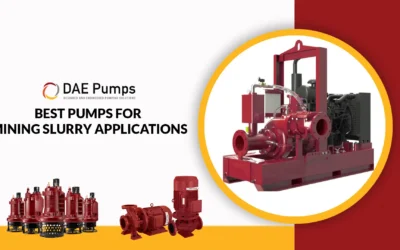

- What Are Industrial Centrifugal Pumps?
- How Industrial Centrifugal Pumps Work
- Applications of Industrial Centrifugal Pumps
- Advantages of Industrial Centrifugal Pumps
- Challenges in Fluid Transfer
- Best Practices for Operating and Maintaining Industrial Centrifugal Pumps
- Technological Advancements in Industrial Centrifugal Pumps
- Conclusion
Industrial centrifugal pumps are essential components in fluid transfer systems used across a variety of industries. From chemicals and petrochemicals to water treatment and power generation, these pumps are responsible for efficiently moving liquids, slurries, and gases. Their ability to operate continuously under demanding conditions makes them invaluable for industries that rely on constant and reliable fluid movement. This article explores the working principles of industrial centrifugal pumps, their key applications, and advantages and highlights some of the leading industrial centrifugal pump manufacturers who are pushing the boundaries of pump technology, including industrial series centrifugal pumps.

What Are Industrial Centrifugal Pumps?
Industrial centrifugal pumps are mechanical devices used to move fluids by converting mechanical energy into kinetic energy. This process occurs when the pump’s impeller rotates, transferring energy to the fluid and pushing it through a system of pipes and valves. Known for their reliability and versatility, these pumps are ideal for handling a wide range of fluids, including water, chemicals, oils, and slurries.
Key components of an industrial centrifugal pump include:
- Impeller: The rotating part that imparts energy to the fluid, increasing its velocity.
- Casing: The outer housing that channels and directs the fluid flow through the pump.
- Shaft: The rotating element that connects the impeller to the motor, transferring energy.
- Motor: The power source that drives the impeller, typically electric, provides the rotational force required to move the fluid.

How Industrial Centrifugal Pumps Work
Industrial centrifugal pumps operate based on the principle of centrifugal force. As the impeller rotates, it accelerates the fluid outward from the center, converting the motor’s energy into kinetic energy. This process increases the fluid’s velocity, which is then converted into pressure at the pump’s discharge point. The resulting pressure pushes the fluid through the system, ensuring continuous flow.
Several key factors influence the performance of centrifugal pumps:
- Flow Rate: The amount of fluid the pump moves per unit of time.
- Head: The pressure or height the pump can achieve, which determines how far the fluid can be lifted or pushed.
- Power Consumption: The energy needed to operate the pump is influenced by both the flow rate and head.
Applications of Industrial Centrifugal Pumps
Industrial centrifugal pumps are versatile and are used across a wide range of industries and applications. Here are some key sectors where these pumps are vital:
1. Chemical and Petrochemical Industries
Industrial centrifugal pumps play a crucial role in the chemical and petrochemical industries, where they are used to transfer a wide variety of liquids, including solvents, acids, oils, and petrochemical products. The ability of these pumps to handle corrosive and high-pressure fluids makes them indispensable in these sectors.
- Industrial Centrifugal Pump Manufacturers design pumps specifically for the needs of the chemical industry, focusing on corrosion-resistant materials and high-pressure ratings to ensure safe and efficient fluid transfer.
2. Water and Wastewater Treatment
In water and wastewater treatment plants, industrial centrifugal pumps are used to move clean water, treated wastewater, and sludge. These pumps are vital for ensuring that large volumes of water can be processed efficiently, whether it’s for municipal systems or industrial waste treatment.
- In wastewater plants, pumps need to be durable enough to handle abrasives and solids in the water, making industrial series centrifugal pumps particularly useful.
3. Food and Beverage Industry
In the food and beverage sector, industrial centrifugal pumps are used to transfer liquid ingredients, juices, syrups, and dairy products. These pumps must meet strict hygiene standards to ensure food safety.
- Manufacturers of industrial centrifugal pumps offer customized solutions to meet the specific demands of the food industry, such as pumps with easy-to-clean designs and sanitary components.
4. Pharmaceutical Industry
In pharmaceutical manufacturing, the need for precision and hygiene is paramount. Industrial centrifugal pumps are used to transfer sensitive liquids like active pharmaceutical ingredients (APIs) and solutions. These pumps must maintain a sterile environment throughout the fluid transfer process.
- To meet these stringent requirements, industrial centrifugal pump manufacturers often produce pumps made from non-reactive, sterile materials.
5. Oil & Gas Industry
Industrial centrifugal pumps are essential in the oil and gas industry for transferring crude oil, natural gas liquids, and drilling fluids. These pumps are used both offshore and onshore in various stages of oil extraction, refinement, and transportation.
- Industrial series centrifugal pumps designed for the oil and gas industry are built to withstand high pressures and harsh environmental conditions.

Advantages of Industrial Centrifugal Pumps
Industrial centrifugal pumps are preferred in fluid transfer applications for several reasons:
- High Efficiency: These pumps are designed to handle large volumes of fluid efficiently, making them ideal for industries with high fluid transfer requirements.
- Reliability: The simple design of centrifugal pumps, with fewer moving parts than other types of pumps, reduces the likelihood of mechanical failure.
- Versatility: Centrifugal pumps can handle a wide variety of fluids, from clean water to viscous, abrasive, or corrosive substances.
- Cost-Effective: The relatively low installation and maintenance costs of centrifugal pumps make them an economical choice for many industries.
- Adaptability: Industrial series centrifugal pumps can be customized for specific tasks, such as dealing with corrosive fluids, slurries, or high-temperature liquids, ensuring flexibility across diverse applications.

Challenges in Fluid Transfer
Despite their many benefits, industrial centrifugal pumps are not without challenges:
- Cavitation: If the pressure within the pump drops below the vapor pressure of the fluid, cavitation can occur, damaging the impeller and reducing pump efficiency.
- Wear and Corrosion: Pumps used for handling abrasive or corrosive fluids may experience wear and corrosion, which can lead to reduced performance and higher maintenance costs.
- Flow Consistency: Achieving consistent flow rates can be challenging, especially when the properties of the fluid change or when there is fluctuating demand.
To mitigate these challenges, it is essential to choose the right industrial centrifugal pump for the specific application, ensuring that factors such as fluid properties, pressure requirements, and maintenance schedules are considered.

Best Practices for Operating and Maintaining Industrial Centrifugal Pumps
Some best practices include:
- Routine Inspection: Regularly check for leaks, vibrations, and wear on key components such as bearings, seals, and impellers.
- Proper Installation: Ensure the pump is installed in an appropriate location with proper alignment and secure connections to prevent unnecessary stress on the system.
- Monitor Operating Conditions: Continuously monitor performance parameters such as flow rate, pressure, and temperature to identify potential issues before they cause system failure.
- Preventive Maintenance: Regularly replace worn-out components, lubricate moving parts, and clean the pump to keep it operating at peak efficiency.
Technological Advancements in Industrial Centrifugal Pumps
- Energy-Efficient Designs: Pumps with variable speed drives (VSD) adjust speed based on demand, reducing energy consumption and operating costs.
- Smart Pumps: IoT-enabled pumps monitor real-time performance, alerting operators to maintenance needs and enabling predictive analysis to prevent failures.
- Advanced Materials: New, corrosion-resistant materials and coatings increase the pump’s lifespan, even in challenging environments, reducing maintenance and improving durability.
Conclusion
Industrial centrifugal pumps are vital for efficient fluid transfer in industries such as water treatment, chemical processing, and energy generation. Their versatility, efficiency, and reliability make them essential for modern fluid handling systems. Leading industrial centrifugal pump manufacturers like DAE Pumps are advancing pump technology, creating industrial series centrifugal pumps that meet increasing demands for energy efficiency, reliability, and sustainability. As industries focus on cost reduction and environmental impact, these pumps will continue to be a key component in fluid management across various sectors.