- The Critical Role of Pump Companies in Industrial Operations
- Overview of the Industrial Applications of Centrifugal Pumps
- The Evolution of Pump Companies
- Types of Industrial Pumps
- Key Players in the Pump Industry
- Innovative Solutions by Pump Companies
- Pump Rental Companies: Flexibility and Cost Efficiency
- Specialized Pump Solutions for Various Industries
- Challenges Faced by Pump Companies
- The Future of Pump Companies
- Conclusion
Pump companies play a critical role in industrial operations as the backbone for numerous processes across various sectors. The industrial pump market offers a variety of pumps indispensable for moving liquids and slurries, handling waste, and managing cooling systems. Energy efficient pumps are becoming increasingly important due to rising energy costs and environmental concerns. This blog explores how pump companies have evolved, the innovative solutions they offer, and their impact on different industries. We’ll delve into the pump industry’s history, key players, innovations, and future outlook.
The Critical Role of Pump Companies in Industrial Operations
Industrial pump manufacturers are integral to various industrial processes, ensuring the smooth operation of systems that require fluid movement. Whether water, oil, chemicals, or slurries, pump companies ensure these substances are transferred efficiently and safely. Wastewater pumps are particularly significant in wastewater management applications, designed to handle high-density solids and abrasive fluids. With positive displacement pumps, industries such as manufacturing, mining, oil and gas, and wastewater management would avoid significant challenges in maintaining their operations. The reliability and efficiency of pump companies, and their submersible pumps, directly influence productivity and cost-effectiveness in these sectors.

Overview of the Industrial Applications of Centrifugal Pumps
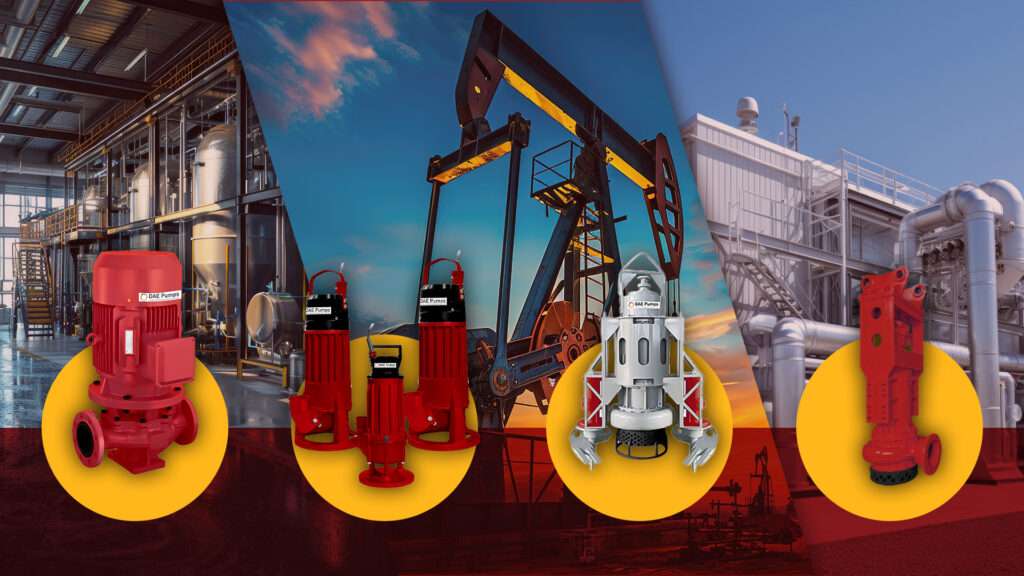
Pump companies are key to supplying the tools for a multitude of applications across different industries. Diaphragm pumps are known for their durability, reliability, and energy efficiency, enhancing productivity by reducing air consumption and maintenance. Industrial pumps are essential for cooling, heating, and fluid transfer in manufacturing. Jet pumps are efficient and versatile solutions for fluid handling in both residential and commercial water delivery. The oil and gas industry uses slurry pumps for drilling, production, and refining operations. Mining applications for a wide range of pumps include dewatering, slurry handling, and mineral processing. Environmental management applications include wastewater treatment, stormwater management, and pollution control. Each application requires specific types of pumps tailored to handle the unique characteristics of the fluids and operational conditions.
The Evolution of Pump Companies
Historical Perspective on Pump Companies
The history of pump technology dates back to ancient civilizations when primary forms of company pumps were used for irrigation and water supply. The first significant advancement came with the invention of the Archimedes’ screw in ancient Greece, which allowed for more efficient water lifting. During the Industrial Revolution, steam engines powered more sophisticated pump designs, significantly boosting capacity and efficiency.
In the early 20th century, the development of electric motors and advancements in materials technology further enhanced pump performance and durability. These innovations laid the groundwork for the modern pump industry, enabling the production of pumps that could handle a broader range of fluids and operate under more demanding conditions.
Milestones in the Development of Pump Technology
The 19th and 20th centuries saw significant milestones in pump technology, with the development of centrifugal, positive displacement, and submersible company pumps. These innovations expanded the applications of company pumps across industries. Introducing electric motors and advancements in materials technology further enhanced pump performance and durability.
The development of centrifugal pumps in the late 19th century was a significant milestone, allowing for the efficient transfer of large volumes of fluids at relatively low pressures. Positive displacement company pumps, which can handle viscous fluids and operate at higher pressures, were also developed during this period. Submersible pumps, capable of operating underwater, were introduced in the mid-20th century, revolutionizing applications such as groundwater extraction and wastewater management.
The Transformation from Traditional to Modern Pump Companies
Modern pump companies have transformed significantly from their early beginnings. With the advent of digitalization, automation, and intelligent technologies, today’s pumps are more efficient, reliable, and capable of being monitored and controlled remotely. This transformation has enabled pump companies to offer highly specialized solutions tailored to the unique needs of different industries.
Digitalization has resulted in intelligent pumps equipped with sensors and connected to the Internet of Things (IoT). These pumps can provide real-time data on their operating conditions, enabling predictive maintenance and reducing the risk of unexpected failures. Automation has streamlined pump operations, allowing greater precision and efficiency in fluid handling processes.

Types of Industrial Pumps
Centrifugal Pumps: Widely Used in Various Industries
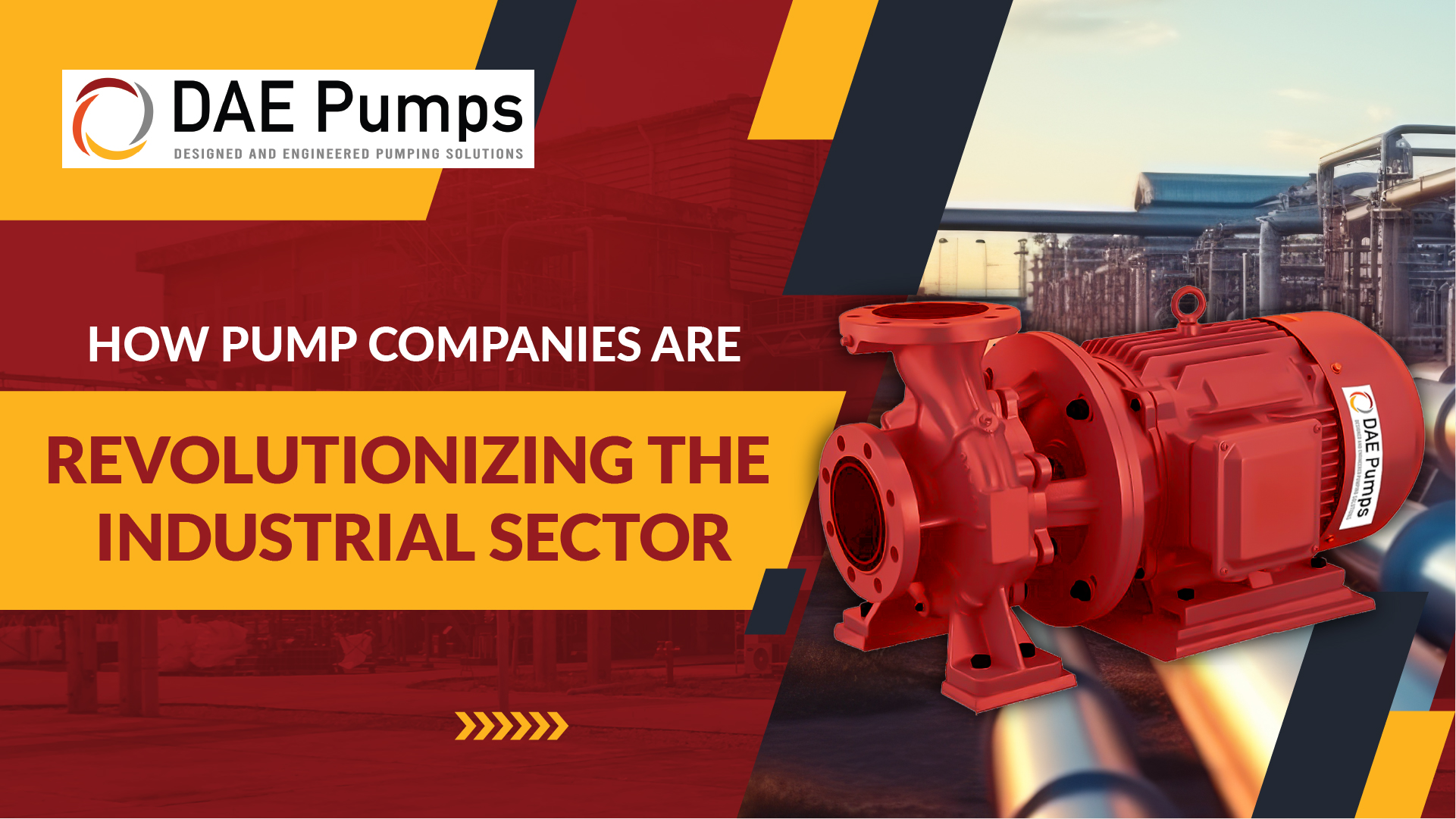
Centrifugal pumps are among the most commonly used types of industrial pumps, renowned for their high efficiency and reliability. These pumps are pivotal in industries such as chemical processing, mining, and power generation. The working principle of centrifugal pumps involves a rotating impeller that increases the velocity of the fluid being pumped. This kinetic energy is then converted into pressure energy, enabling the fluid to be moved efficiently through the system. Submersible groundwater pumps are huge, but let’s talk rotary vane pumps and magnetic drive pumps if we’re really talking the pump manufacturing industry and end suction centrifugal pumps.
One of the key advantages of centrifugal pumps is their ability to handle high flow rates, making them ideal for applications that require the transfer of large volumes of fluid at low to moderate pressures. For instance, in the chemical industry, centrifugal pumps are used to transport various chemicals and solvents, ensuring smooth and continuous operations. In mining, these pumps are essential for dewatering operations, helping to remove excess water from mining sites and maintain optimal working conditions.
Moreover, centrifugal pumps are crucial in power plants, where they are used in cooling systems to circulate water and maintain the temperature of critical components. Their robust design and ability to handle a wide range of fluids, including those with varying viscosities, make them a versatile choice for numerous industrial applications.
In summary, centrifugal pumps are indispensable in the industrial sector due to their efficiency, reliability, and versatility. Their ability to handle high flow rates and a variety of fluids makes them a preferred choice for many industrial processes, contributing to the overall productivity and efficiency of operations.
Key Players in the Pump Industry
In-depth Look at Leading Industrial Pump Manufacturers
Leading industrial pump manufacturers have established themselves as market leaders in various global regions, each specializing in different industries and showcasing their commitment to innovation, quality, and customer service. Several pump companies have established themselves as leaders in the pump industry, each with a rich history and a legacy of innovation. Goulds Pumps, for instance, is a leading manufacturer known for its diverse range of pump products and technological advancements.
Company History and Evolution
Grundfos: Founded in 1945, Grundfos has become a global leader in pump solutions, renowned for its commitment to sustainability and innovation. The company started as a small Danish manufacturer and has expanded its operations worldwide, with a presence in more than 100 countries. Grundfos is known for its focus on energy efficiency and environmental responsibility, continually developing company pumps that consume less energy and have a lower environmental impact.
Flowserve: With origins dating back to the 18th century, Flowserve has evolved through numerous mergers and acquisitions to become a significant player in fluid motion and control solutions. The company’s history is marked by strategic investments that have expanded its product portfolio and market reach. Today, Flowserve serves customers in more than 50 countries and offers a wide range of pump solutions for industries such as oil and gas, power generation, and water management.
Key Products and Innovations
These pump companies have developed various products, from high-efficiency centrifugal to advanced submersible industrial pumps. Innovations like innovative pump technology and energy-efficient designs have set new standards in the industry. Additionally, screw pumps are highlighted for their application in various industrial settings such as dredging, wastewater management, and handling abrasive fluids.
Grundfos, for example, offers a range of intelligent pumps equipped with integrated sensors and connectivity features. These pumps can monitor their performance and provide data to centralized control systems, enabling predictive maintenance and optimizing energy use. Flowserve has developed advanced slurry pumps designed to handle abrasive fluids with high solids content, reducing wear and extending pump life.
Market Leadership and Influence
Grundfos and Flowserve, among others, have established market leadership through continuous innovation, extensive global reach, and a strong focus on customer satisfaction. Their influence extends beyond product offerings, impacting industry standards and practices.
These pump companies have played a key role in shaping industry standards and best practices. Participating in industry associations and collaborating with regulatory bodies helps establish pump performance, safety, and environmental impact guidelines. Their commitment to quality and innovation has earned them a reputation for reliability and excellence, making them trusted partners for customers worldwide.


Innovative Solutions by Pump Companies
Case Studies of Innovative Solutions
Pump companies are at the forefront of providing innovative solutions that enhance efficiency and productivity.
Impact on Efficiency and Productivity
For instance, a leading chemical manufacturer implemented a new line of energy-efficient company pumps from Grundfos, resulting in a 20% reduction in energy consumption and improved process reliability.
Another example is Flowserve’s deployment of advanced slurry company pumps in a mining operation, significantly reducing downtime and maintenance costs while increasing throughput. These innovative solutions from an industrial pump manufacturer improve operational efficiency and contribute to sustainability by reducing energy consumption and minimizing environmental impact.
Real-World Examples of Successful Implementations
One notable success story involves using Grundfos’ brilliant company pumps in a municipal water treatment plant. The intelligent company pumps provided real-time data on flow rates, pressure, and energy consumption, allowing the plant operators to optimize pump performance and reduce energy use. As a result, the plant achieved a 15% reduction in energy costs and improved the reliability of its water supply system.
Flowserve’s high-pressure company pumps have been used in enhanced oil recovery (EOR) applications in the oil and gas industry. These company pumps are designed to handle the challenging conditions of EOR processes, including high pressures and corrosive fluids. Flowserve has helped oil and gas companies increase production and reduce operational costs by providing reliable and efficient pump solutions.
Pump Rental Companies: Flexibility and Cost Efficiency
Overview of the Pump Rental Market
The pump rental market has emerged as a vital segment, offering flexibility and cost efficiency to industries that require temporary or specialized pumping solutions.
Benefits of Using Pump Rental Companies
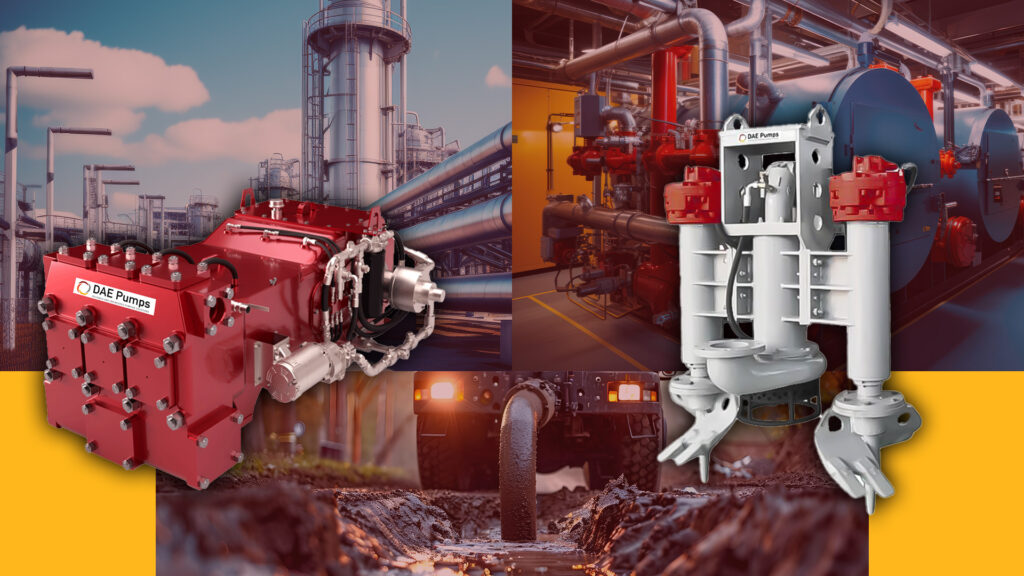
Renting dredge and slurry pumps can be more cost-effective than purchasing, especially for short-term projects or when dealing with fluctuating demands. It also allows companies to access the latest technology without capital expenditure. Pump rental companies provide various services, including equipment selection, setup, maintenance, and emergency support, ensuring that customers have the right company pumps for their specific needs.
Comparison of Services Offered by Top Pump Rental Companies
Leading pump rental companies like DAE, Xylem and United Rentals offer a wide range of services, from emergency response to long-term rentals, complete with setup and maintenance support. These pump rental companies ensure that clients can access high-quality, well-maintained company pumps tailored to their specific needs.
DAE Pumps, for example, offers a comprehensive rental program that includes company pumps for dewatering, bypass pumping, and temporary water supply. Their rental fleet includes advanced pump technologies that can be deployed quickly and efficiently, minimizing downtime and ensuring reliable performance.
United Rentals provides similar services, focusing on delivering customized solutions for each customer’s unique requirements. Their extensive inventory of company pumps includes options for various applications, from construction dewatering to industrial fluid transfer. United Rentals also offers 24/7 support, ensuring customers can access expert assistance whenever needed.

Specialized Pump Solutions for Various Industries
Tailored Solutions for Different Industrial Sectors
Pump companies provide specialized solutions for various industries with unique requirements and challenges.
Manufacturing
Industrial pumps are essential for manufacturing cooling, heating, and chemical transfer. Custom solutions ensure optimal performance and reliability, minimizing downtime and operational costs.
For example, a pharmaceutical manufacturer implemented a custom pump solution from DAE to handle the precise transfer of high-purity liquids. The company pumps were designed to meet stringent hygiene standards and provided accurate flow control, ensuring the quality and consistency of the final product.
Construction
Construction projects often require robust and versatile company pumps for dewatering, slurry handling, and concrete pumping. Companies like Putzmeister have developed specialized equipment to meet these demands.
Putzmeister’s concrete company pumps are renowned for their reliability and performance, making them popular for large-scale construction projects. These company pumps can handle high-pressure concrete delivery, ensuring precise placement and reducing the risk of delays.
Environmental Management
Environmental management relies on company pumps for wastewater treatment, flood control, and pollution mitigation. Advanced technologies like submersible and diaphragm company pumps are crucial in these applications.
A case in point is using submersible pumps in a coastal city’s flood control system. These pumps are designed to operate reliably in harsh conditions, efficiently removing stormwater and preventing flooding. By incorporating intelligent control systems, the pumps can adjust their performance based on real-time weather data, optimizing flood management efforts.
Power Generation
Industrial pumps are critical in power generation in cooling systems, fuel transfer, and boiler feed operations. The high-efficiency pumps to ensure the reliability and efficiency of power plants.
For instance, a nuclear power plant implemented high-efficiency pumps from Flowserve to enhance the safety and performance of its cooling system. The company pumps provided reliable cooling water circulation, reducing the risk of overheating and ensuring the plant’s continuous operation.
Case Studies and Success Stories
One notable success story is the use of specialized pumps in a large-scale desalination project, which improved water output and reduced energy consumption. The project involved deploying high-pressure reverse osmosis pumps designed to operate efficiently under high-pressure conditions. The pumps’ energy-efficient design helped reduce the overall energy consumption of the desalination process, making it more sustainable and cost-effective.
Another example is implementing high-performance pumps in a primary flood control system, enhancing its capacity to manage stormwater effectively. These pumps were equipped with smart control systems, allowing real-time monitoring and adjustments, ensuring optimal performance during heavy rainfall events. This innovative solution helped reduce the risk of flooding and improved the resilience of the city’s infrastructure.
Challenges Faced by Pump Companies
Common Challenges in the Pump Industry
Despite the advancements, pump companies face challenges, including fluctuating raw material prices, stringent environmental regulations, and intense competition.
Raw material prices, such as those for metals and specialized alloys used in pump manufacturing, can be volatile, impacting production costs. Environmental regulations require pump companies to develop company pumps that meet strict emission and energy efficiency standards, which can be challenging and costly. Additionally, intense competition in the global market requires pump companies to innovate and differentiate their products to maintain market share continuously.
Strategies to Overcome These Challenges
To overcome these challenges, pump companies invest in research and development to create more efficient and environmentally friendly products. They also adopt lean manufacturing practices to reduce costs and improve quality.
For instance, many pump companies are exploring using advanced materials such as composites and ceramics, which offer improved performance and durability while reducing weight and cost. Lean manufacturing practices, including just-in-time production and continuous improvement initiatives, help streamline operations and enhance product quality.
Future Outlook and Potential Obstacles
The industry may face challenges related to digital transformation and integrating advanced technologies. However, those who successfully navigate these changes will be well-positioned for growth.
Adopting digital technologies, such as IoT and AI, requires significant investment in infrastructure and skills development. Pump companies must ensure their workforce has the knowledge and expertise to leverage these technologies effectively. Additionally, integrating digital systems with existing pump infrastructure can be complex and requires careful planning and execution.
The Future of Pump Companies
Upcoming Trends and Technological Advancements
Trends like digitalization, automation, and sustainability shape the future of pump companies. Smart company pumps with IoT capabilities enable real-time monitoring and predictive maintenance, reducing downtime and operational costs.
Automation is set to play a significant role in the future of pump technology. Automated pump systems can adjust their performance based on real-time data, optimizing energy use and reducing waste. This enhances efficiency and contributes to sustainability by minimizing the environmental impact of pump operations.
The Role of Digitalization and Automation
Digitalization and automation streamline operations and enhance efficiency. For example, automated pump systems can adjust performance based on real-time data, optimizing energy use and reducing waste.
Digital twin technology is another emerging trend, allowing pump companies to create virtual replicas of their products and systems. These digital twins can be used for testing, simulation, and predictive maintenance, providing valuable insights into pump performance and potential issues.
Sustainability and Green Initiatives
Sustainability is a significant focus, with leading pump manufacturers developing energy-efficient company pumps and systems that reduce environmental impact. Initiatives like using recyclable materials and designing for longer life cycles are becoming standard practice.
Pump companies are also exploring renewable energy sources to power their products. Solar-powered company pumps, for example, offer a sustainable solution for remote and off-grid applications, reducing reliance on fossil fuels and minimizing carbon emissions.
Conclusion
Pump companies have revolutionized the industrial sector through continuous innovation and adaptation. Their products and services are essential to the efficiency and productivity of countless industries. As they embrace new technologies and sustainable practices, pump companies will continue to provide cutting-edge solutions.
By investing in research and development, adopting advanced materials, and leveraging digital technologies, pump companies are well-positioned to address future challenges. Their commitment to sustainability and innovation ensures that they will continue to play a critical role in industrial operations worldwide.
For businesses seeking the latest pump technology, engaging with pump companies like DAE Pumps offers access to the most reliable and advanced solutions. With a focus on customer satisfaction, quality, and innovation, DAE Pumps provides the expertise and technology needed to meet the evolving demands of today’s industrial landscape.
In conclusion, the revolution brought by pump companies is evident in the enhanced efficiency, productivity, and sustainability of industrial operations. These pump companies’ continuous innovation and adaptation ensure that they remain at the forefront of the industry, driving progress and setting new standards for performance and reliability. As we look to the future, it is clear that pump companies will continue to play a vital role in shaping the industrial sector, providing the solutions needed to meet the challenges and opportunities ahead.